What a Guide Roller Does on a Conveyor
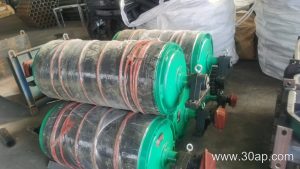
A guide roller is the small-diameter idler that keeps a conveyor belt tracking straight instead of letting it wander toward the frame. In plant language it is often shortened to guide idler, and that equivalent name describes the same component: a rotating roll, a shaft, bearings, and a sealing arrangement mounted on a bracket. It is not a drive pulley, a tail pulley, or a bend pulley; those are powered or directional drums that transmit motion and tension, while a guide roller only steers and supports. On a quarry conveyor belt or a cement plant line, a few well-placed guide rollers can prevent edge damage, spillage, and the belt rubbing against structure.
How the Roller Is Built
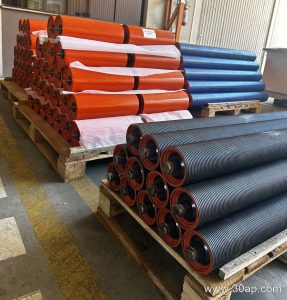
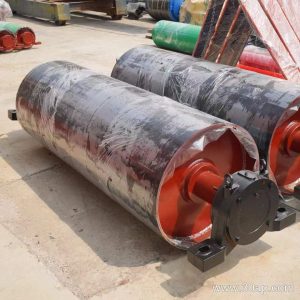
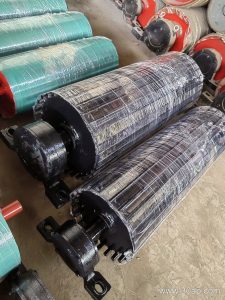
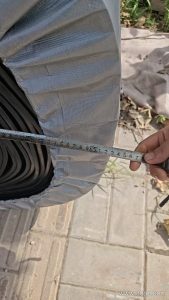
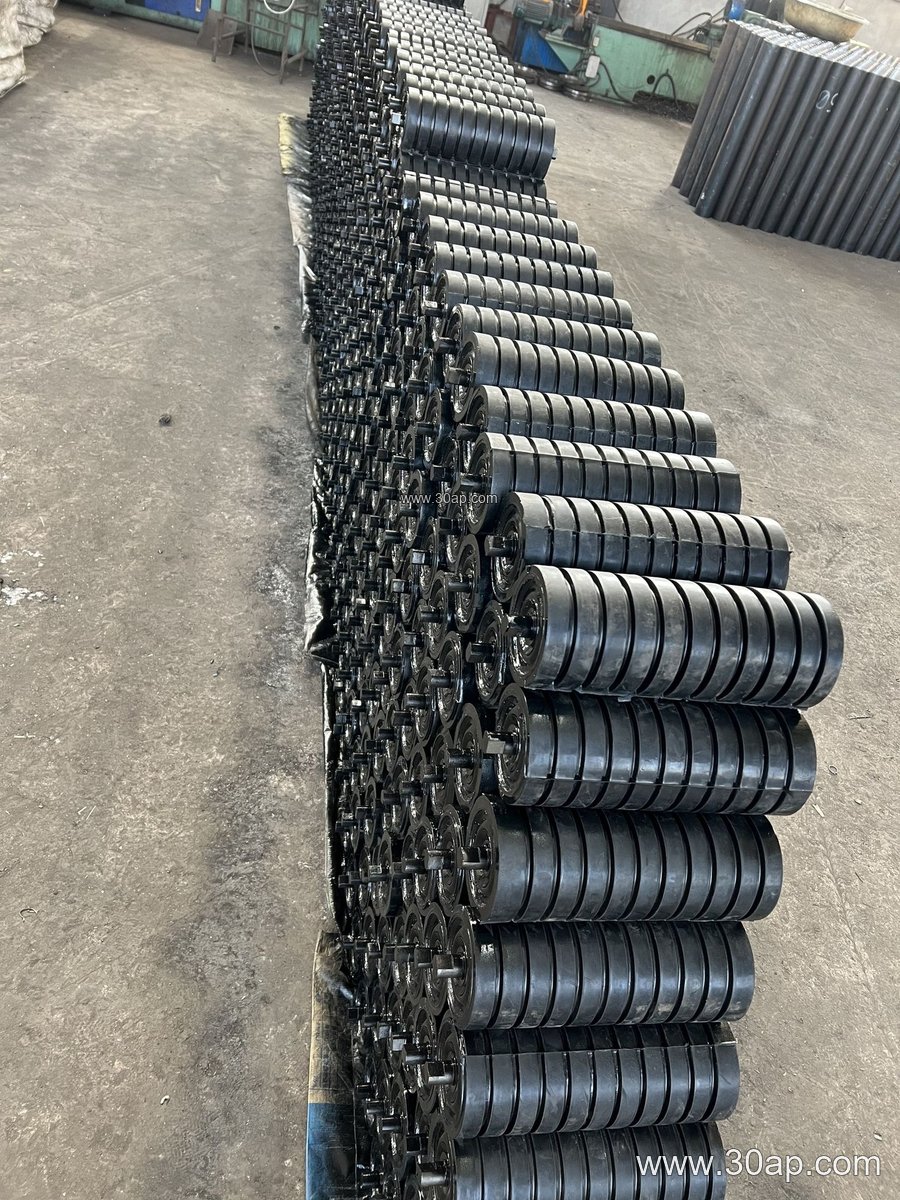
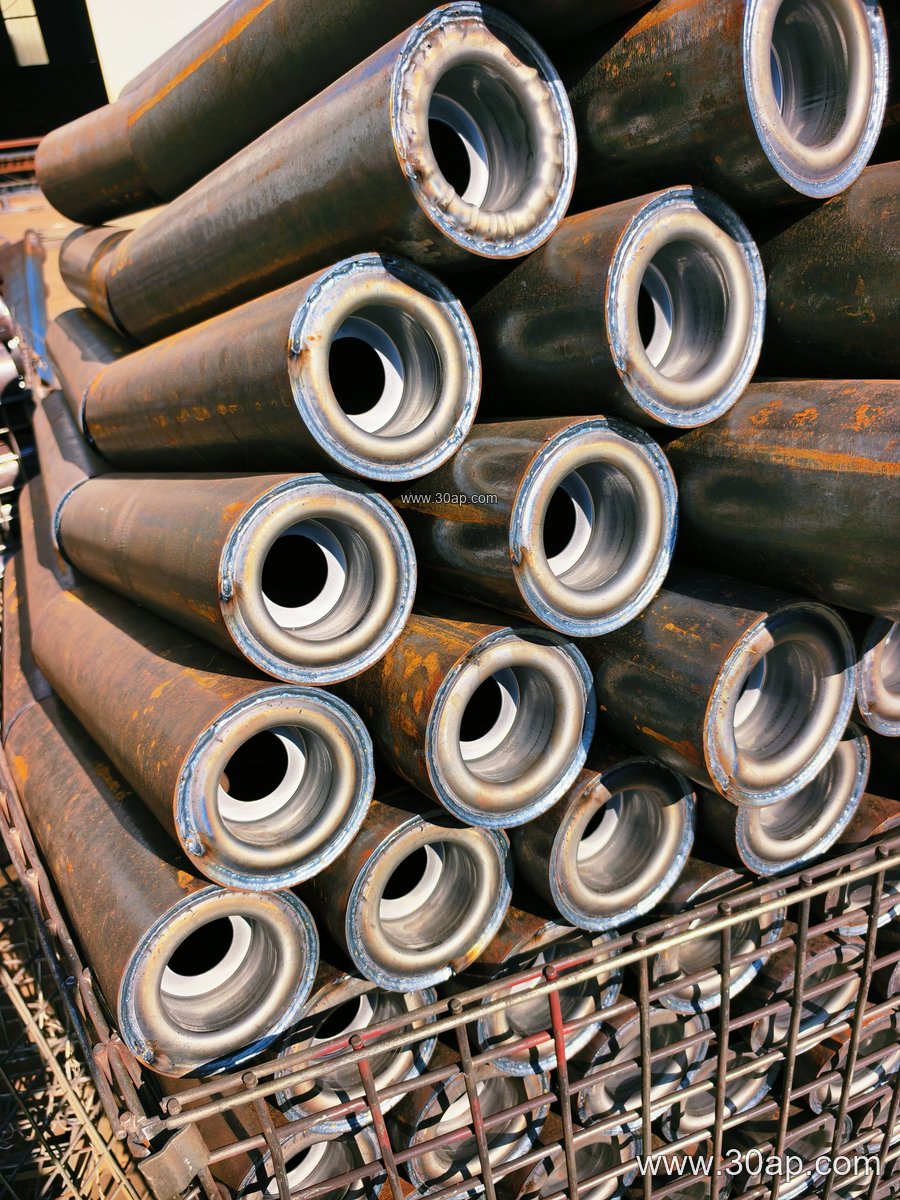
The body is usually a steel tube with machined bearing seats at each end. Common roll diameters include Ø63, Ø76, Ø89, Ø102, Ø108, Ø127, Ø133, Ø159, and larger sizes up to Ø219 where belt loads are heavy. The shell may stay plain steel, or carry a nylon, ceramic, or rubber ring surface when grip, wear resistance, or belt protection matters. Bearings such as 6204, 6205, 6305, 6306, 6308, or 6310 are typical, and the right bearing depends on load and speed rather than on roll diameter alone. Sealing is the detail that decides service life in dusty duty: a labyrinth or multi-stage seal keeps fines out of the bearing cavity.
Where Guide Rollers Fit
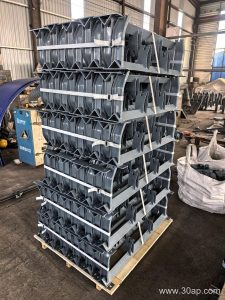
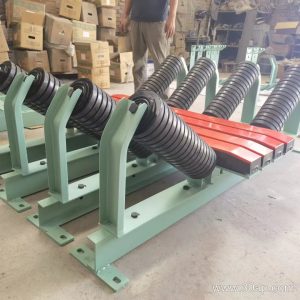
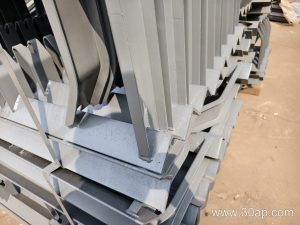
Tracking rollers are most useful just after the loading point, before a transfer, and on long runs where alignment drifts. In a coal mining conveyor or a power plant coal handling system, they are often paired with a self-aligning idler roller set so the belt is corrected gradually rather than forced. In a limestone mine or aggregate conveyor line, they sit close to the skirted conveyor belt edges to hold the belt away from the chute. A guide roller may also be used vertically on the return strand to limit side movement. The related conveyor bracket and frame must be square to the belt centerline, because a good roller on a twisted frame still cannot correct tracking.
Guide Roller and Self-Aligning Idler Roller Compared
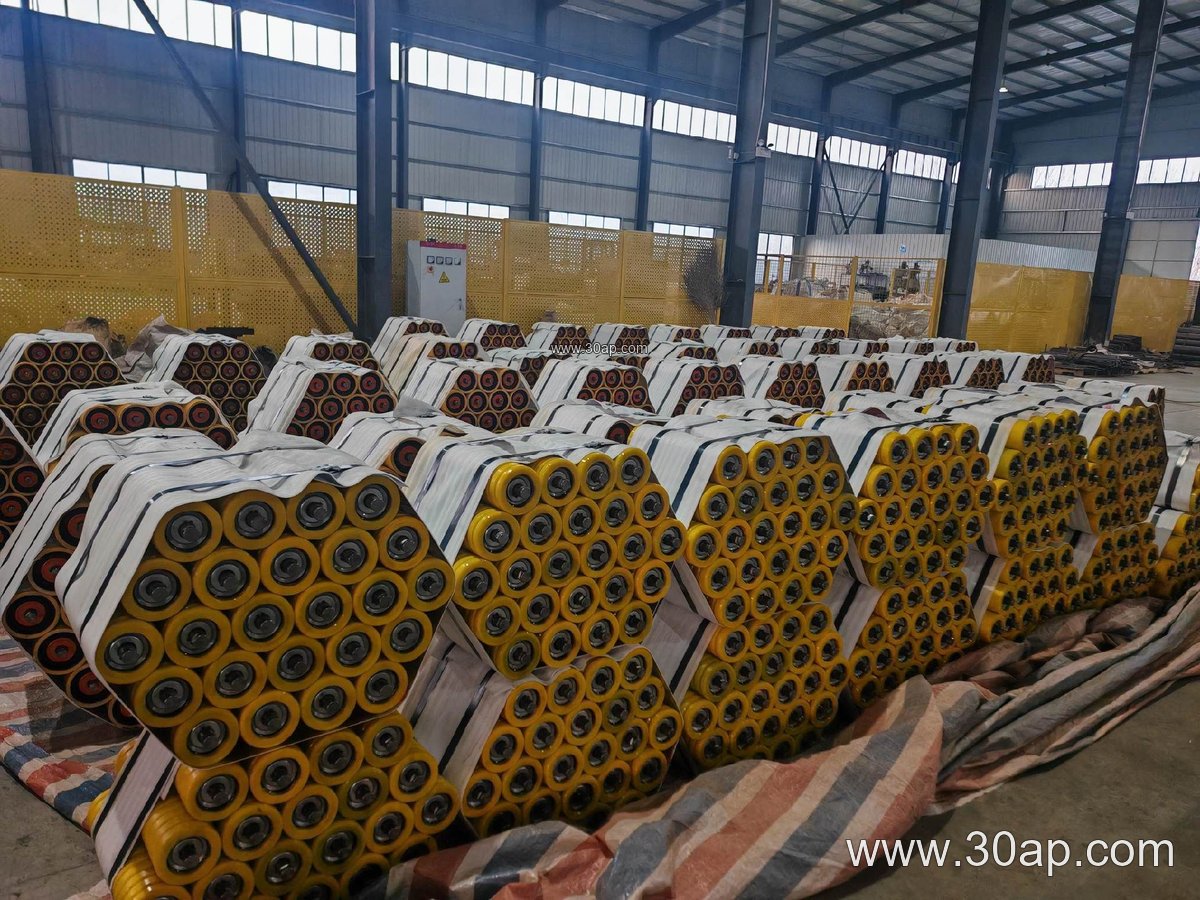
A self-aligning idler roller is a complete tracking assembly, often with two or three rolls and a pivoting frame, while a guide roller is usually a single compact roll or a small bracket-mounted unit. The self-aligning type does more work on wide belts and heavy loads; the guide roller is simpler, cheaper to replace, and suited to fine correction. Neither replaces a conveyor pulley at the head or tail. On a steel cord conveyor belt with high tension, tracking hardware should be specified together with the pulley alignment, not added afterwards.
Common Sizes and Matching to Belt Width
Roll length follows belt width, trough angle, and roller arrangement. The table below gives usual reference values for three-roll troughing sets; side rolls and center rolls can differ, and these are examples rather than fixed pairings.
| Belt width | Typical roll length (three-roll set) | Common roll diameter range |
|---|---|---|
| B500 | about 200 mm | Ø63 to Ø89 |
| B650 | about 250 mm | Ø76 to Ø108 |
| B800 | about 315 mm | Ø89 to Ø133 |
| B1000 | about 380 mm | Ø102 to Ø159 |
| B1200 | about 465 mm | Ø108 to Ø159 |
| B1400 | about 530 mm | Ø127 to Ø178 |
| B1600 | about 600 mm | Ø133 to Ø194 |
| B1800 | about 670 mm | Ø159 to Ø219 |
| B2000 | about 750 mm | Ø159 to Ø219 |
Trough angles of 20, 30, 35, and 45 degrees change the roll geometry, so a guide roller ordered for one trough angle should not be assumed to fit another. Forward lean of about 1.5 to 2 degrees is used on some tracking rolls to encourage self-correction.
Buying Notes
- Confirm belt width, trough angle, and mounting bracket dimensions before ordering.
- State the duty: abrasive ore, wet coal, hot clinker, or food-grade material each call for a different shell and seal.
- Ask for the bearing designation and seal type, not just the roll diameter.
- Check that the roller can be lubricated or is sealed for life, whichever suits your maintenance plan.
- Keep spare guide rollers on site; a seized unit can cut a conveyor belt within hours.
For heavy-duty mining conveyor belt duty or a long overland run, match guide rollers with quality idler rollers, a well-aligned conveyor pulley, and a rigid conveyor bracket. Buyers comparing EP conveyor belt or steel cord conveyor belt specifications should treat tracking hardware as part of the same package, since belt tension and roller alignment interact. In a sand and gravel plant, a crusher conveyor belt often needs more frequent tracking checks than a smooth finished-product line.