What the ST1250 Conveyor Belt Is
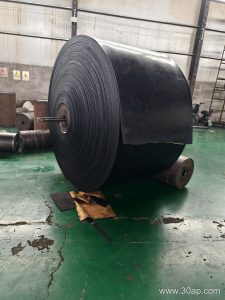
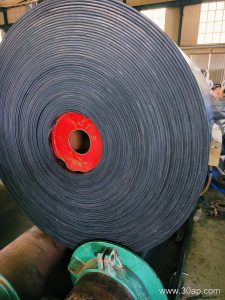
The ST1250 Conveyor Belt is a steel cord conveyor belt with a nominal tensile strength of 1250 N/mm. It belongs to the Steel Cord Conveyor Belt family, where the load-bearing skeleton is a layer of high-carbon steel cords embedded in rubber rather than woven fabric plies. In heavy-duty mining conveyor systems, the ST1250 grade sits in the middle of the common strength range, above ST1000 and below ST1600, making it a practical choice for long overland lines and high-capacity trunk conveyors in mines, coal preparation plants, cement works, power stations, and large quarry or aggregate operations.
Because the cords run longitudinally and carry the tension, an ST1250 belt can span long centre distances with fewer transfer points than a fabric belt of comparable rating. That is the main reason engineers specify a High Strength Conveyor Belt of this class for main haulage rather than for short feeders.
Construction and Typical Build
The belt is built around a single plane of steel cords, usually brass-plated for adhesion, sandwiched between top and bottom cover rubber. A typical ST1250 construction includes:
- Steel cord layer as the tensile member, with cord pitch and diameter set by the manufacturer’s design for the 1250 N/mm rating.
- Core rubber that bonds cords and covers into one body and protects the cords from moisture and impact.
- Top and bottom covers in grades selected for the duty: abrasion resistant, heat resistant, flame retardant, oil resistant, or anti-static.
- Optional transverse reinforcement in some designs to improve rip and impact resistance.
Cover thickness is not fixed by the strength class. Common combinations for heavy-duty service are 6+2 mm, 8+3 mm, and thicker impact covers on transfer and loading sections. Buyers should treat these as reference values and confirm the final build with the supplier against the actual duty.
Where It Fits in a Conveyor
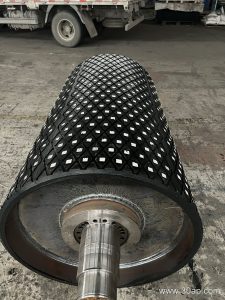
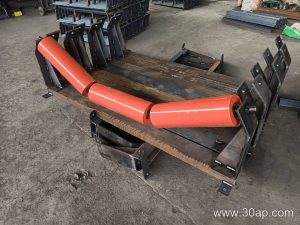
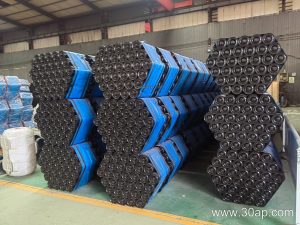
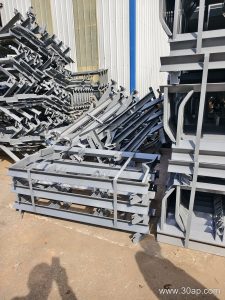
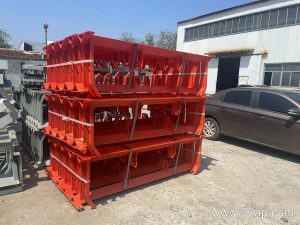
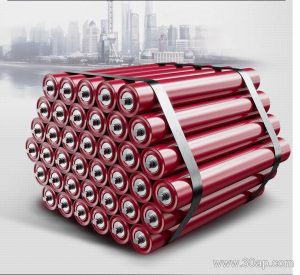
An ST1250 belt is normally used on the main haulage conveyor, not on every branch of the plant. It works with the rest of the machine: a drive pulley transmits power, a tail pulley returns the belt, bend pulleys route it around curves, and idler roller sets support the carrying and return strands. Conveyor brackets hold the idlers and pulleys in alignment, and the take-up system maintains tension as the belt stretches.
Typical duties include:
- Run-of-mine and crushed ore transport in metal mining and Iron Ore Conveyor Belt lines.
- Coal haulage in power plants and coal preparation circuits, often with a flame retardant cover.
- Limestone, clinker, and cement raw material handling in cement plants.
- Long overland and port loading conveyors where low stretch and high tension capacity matter.
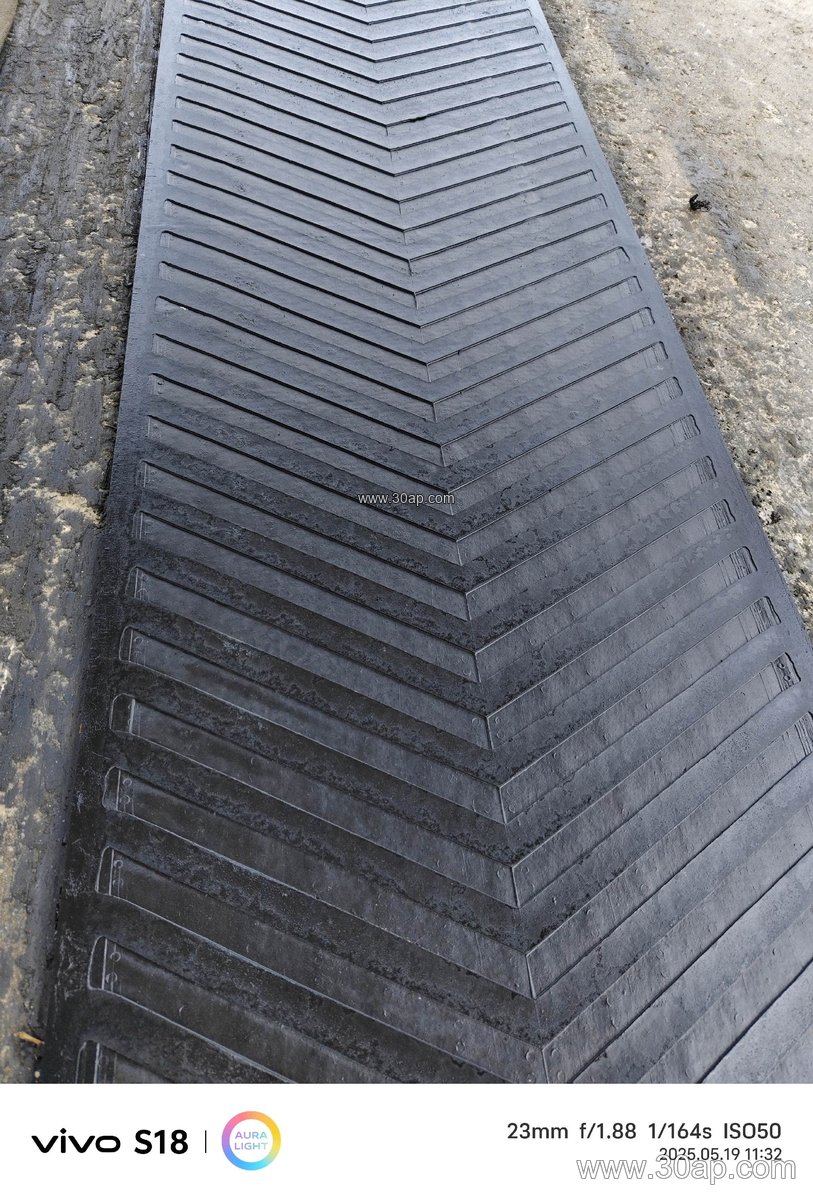
For steep inclines, a chevron or corrugated sidewall design may be compared with the flat ST1250 belt, but those are separate product types and are not substitutes for the steel cord belt on a long horizontal haul.
Reference Dimensions and Related Grades
The table below gives indicative data only. Actual cord construction, cover grade, and belt mass vary by manufacturer and by the specified duty.
| Item | Typical Reference | Notes |
|---|---|---|
| Strength grade | ST1250 (1250 N/mm) | Related grades: ST1000, ST1600, ST2000 |
| Belt width | B800, B1000, B1200, B1400, B1600, B1800, B2000 | Selected from capacity and lump size, not from strength alone |
| Cover thickness | 6+2 mm, 8+3 mm | Heavier top cover for impact and abrasion points |
| Cover grades | Abrasion resistant, flame retardant, heat resistant, oil resistant, anti-static | Grade follows the material and environment |
| Joint type | Vulcanised stepped splice | Joint efficiency depends on splice quality and cord layout |
Width and pulley diameter are matched by conveyor design, not by a fixed rule. A wider ST1250 belt does not automatically require one specific pulley size, and shaft diameter must come from the pulley manufacturer’s calculation.
Selection and Maintenance Points for Buyers
Start with the duty: material, lump size, tonnage per hour, incline, ambient temperature, and whether the belt must be flame retardant or anti-static for underground coal mining service. Then confirm the tension calculation and safety factor with the conveyor designer. The ST1250 rating should be chosen with margin for starting torque, take-up travel, and any future capacity increase.
Specify cover grade carefully. An abrasion resistant cover suits sharp rock and sinter, a heat resistant cover suits clinker and cement, and a flame retardant cover is normal for coal handling. A Fire Resistant Conveyor Belt grade is often requested where fire risk is a concern.
On site, keep the belt tracking straight, maintain idler rotation, and check the splice regularly. A misaligned belt rubs the conveyor bracket and pulley edges and shortens cover life. Store spare belt in a dry, shaded place, and avoid tight bends that can damage the cords.
Quick Buying Checklist
- Confirm the required strength class and safety factor.
- State belt width, cover thickness, and cover grade.
- Describe the material and operating environment.
- Agree on the splice method and who performs it.
- Ask for the manufacturer’s belt data sheet for the exact build.
Used within its design envelope, an ST1250 steel cord belt gives long service on demanding haulage routes, provided the covers, splice, and conveyor components are matched to the same duty.