What a 630mm Drive Pulley Does
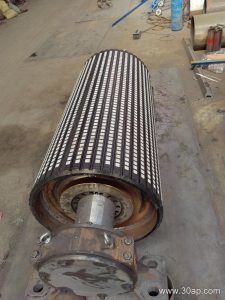
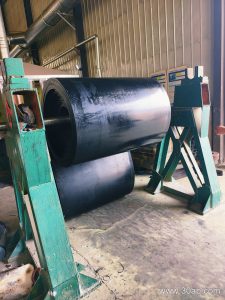
A 630mm drive pulley is the powered roller that transmits torque to the conveyor belt at the head of a conveyor. With a nominal diameter of Ø630, it is a mid-to-large size drum often chosen for aggregate, cement, and coal handling lines where belt tensions are moderate to high. Unlike a tail pulley, which mainly redirects the belt at the return end, the drive pulley must grip the belt firmly enough to move the entire load without slipping. That is why surface treatment, shaft size, and bearing selection matter as much as the diameter itself.
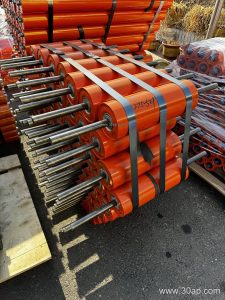
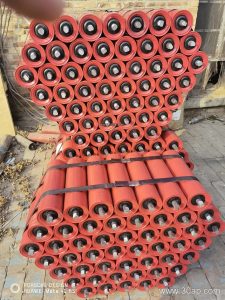
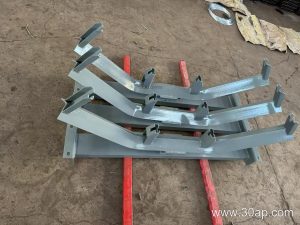
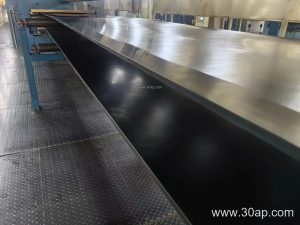
In a typical arrangement, the 630mm drive pulley works together with a conveyor belt, idler roller sets, and conveyor brackets that hold the assembly in place. The pulley is usually mounted at the discharge point, so it also acts as the head pulley in many layouts.
Construction and Surface Options
The drum body is commonly fabricated from steel plate or seamless tube, with end discs welded to the shell and hubs keyed to the shaft. For a Ø630 drive pulley, the shaft diameter is determined by torque and load calculations rather than belt width alone; common shaft sizes in this class range from Ø100 to Ø160, but the final value must come from the conveyor design. Bearings are typically spherical roller type, housed in pillow blocks or flanged bearing housings.
Surface lagging is a key decision. Plain steel is used in some light-duty or special applications, but most drive pulleys are covered with rubber lagging to increase friction. Available forms include:
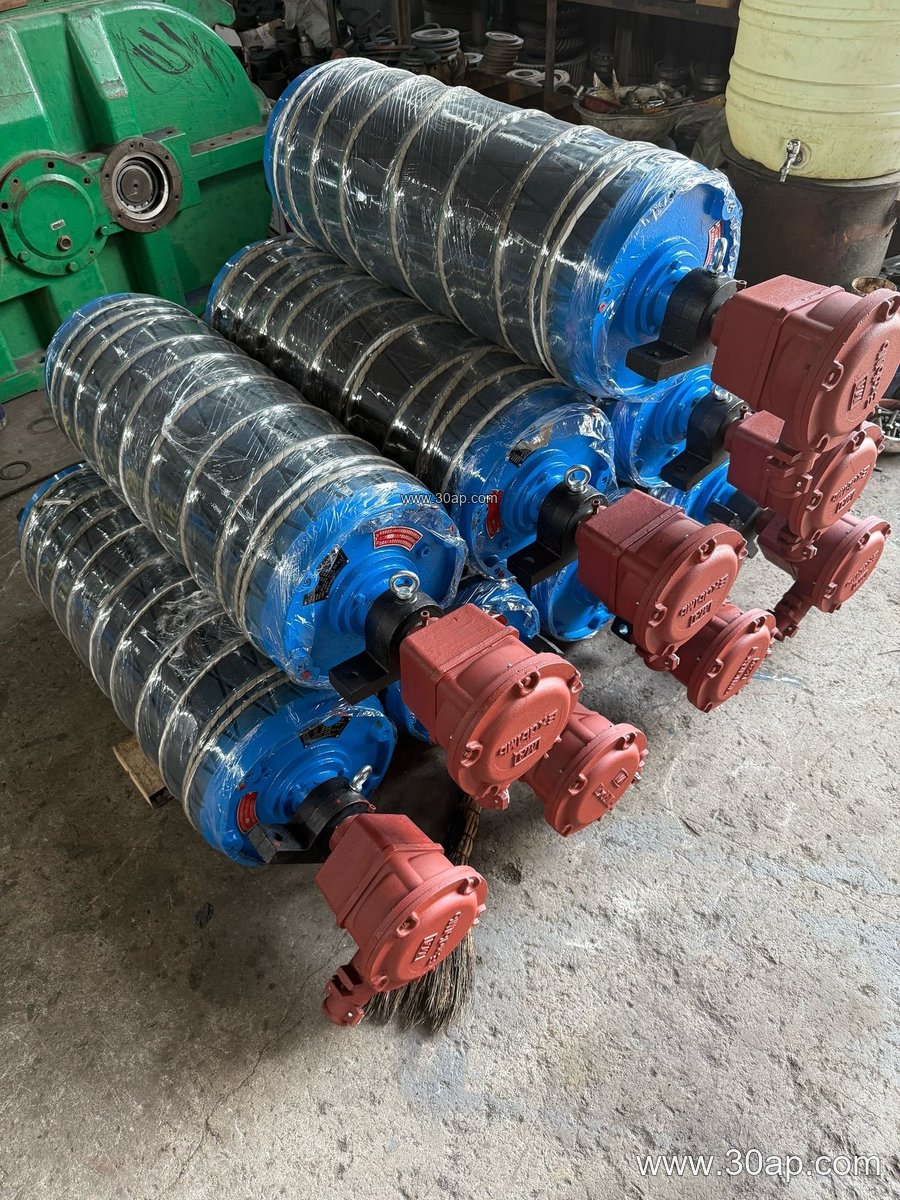
- Plain rubber lagging (平面胶) in thicknesses of 8, 10, 12, 15, or 20 mm
- Diamond pattern lagging (菱形包胶) for improved grip and water drainage
- Herringbone lagging (人字形包胶) for reversible belts
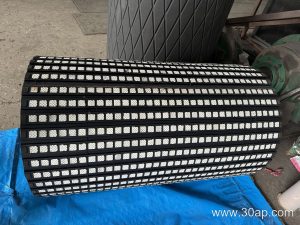
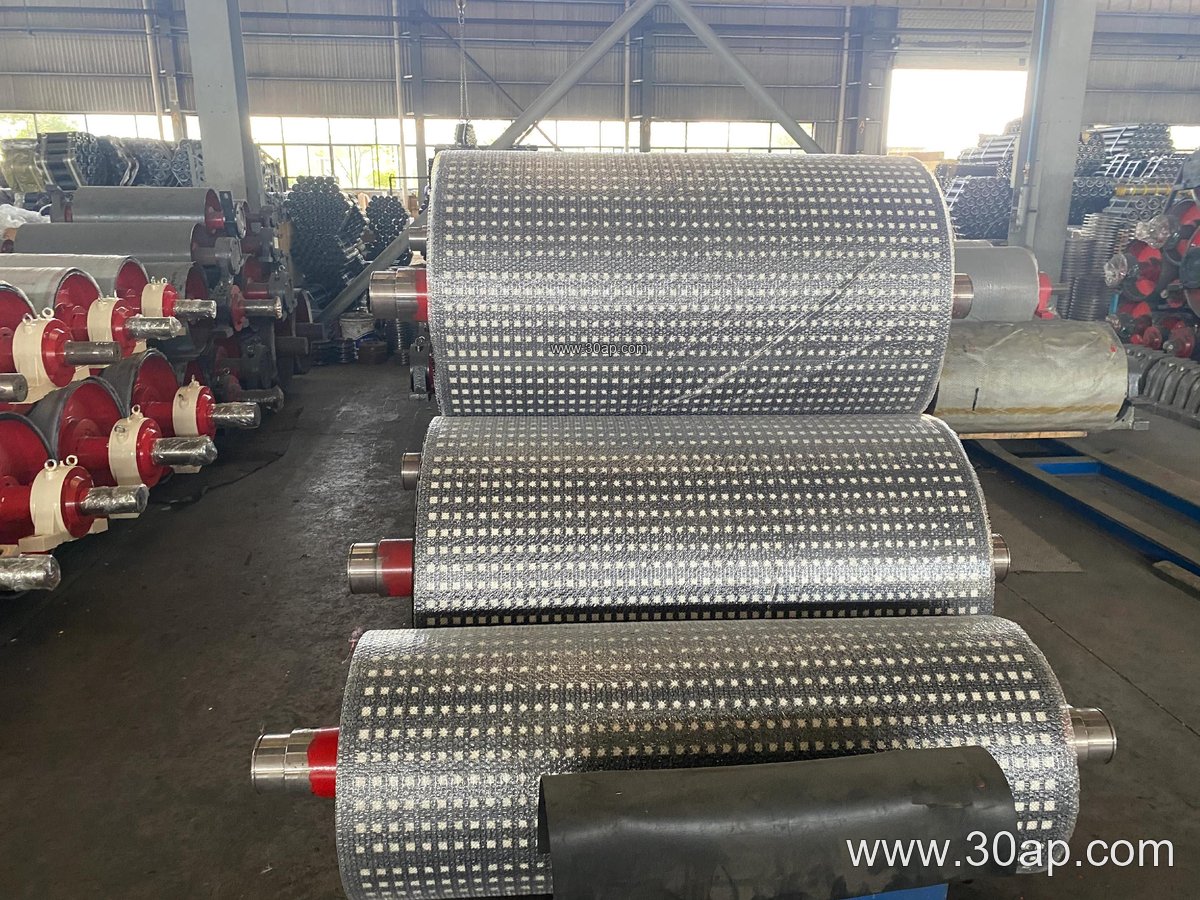
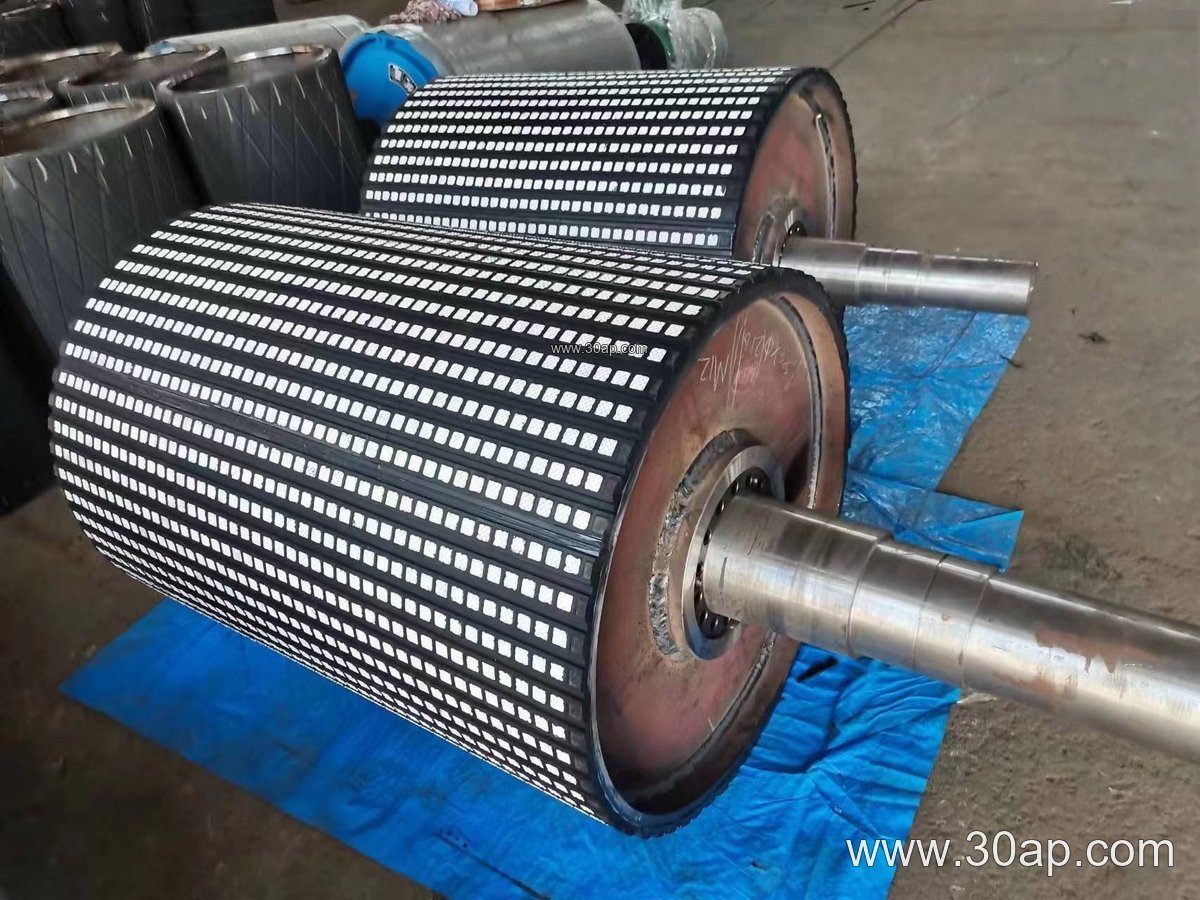
- Ceramic lagging for high-abrasion conditions
Cold-bonded and hot-vulcanized rubber are both common application methods. The choice depends on the duty and the workshop’s capabilities.
Where It Fits in the Plant
You will see a 630mm drive pulley in several bulk material circuits. In a quarry or aggregate line, it may drive a primary field conveyor or a screen feed belt. In a cement plant, it can appear on clinker or raw meal conveyors. In a coal washing plant or power station coal yard, flame retardant and anti-static properties of the belt are often required, and the drive pulley must be matched accordingly. A 630mm drive pulley is also found in iron ore and copper ore handling, where abrasion resistant conveyor belts and heavy-duty idler rollers are standard.
The pulley is not interchangeable with a bend pulley or a take-up pulley. A bend pulley only changes belt direction with little wrap angle, while a take-up pulley maintains tension. Using a drive pulley in those positions would not provide the required traction.
Matching Belt Width and Pulley Dimensions
Belt width and pulley diameter are related but not fixed pairs. A 630mm drive pulley can be supplied with a face width to suit different belt sizes. The table below shows typical combinations for reference only; actual dimensions are set by the conveyor designer.
| Belt Width (B) | Typical Pulley Face Width | Common Diameter Match |
|---|---|---|
| B650 | ≈750 mm | Ø500 – Ø630 |
| B800 | ≈950 mm | Ø500 – Ø630 |
| B1000 | ≈1150 mm | Ø630 – Ø800 |
| B1200 | ≈1400 mm | Ø630 – Ø1000 |
| B1400 | ≈1600 mm | Ø800 – Ø1000 |
Note that the same belt width may work with more than one pulley diameter. The 630mm size is often a compromise between sufficient wrap angle and available space.
Buyer Checklist
Before ordering a 630mm drive pulley, gather the following information:
- Belt width and type (for example, EP conveyor belt, steel cord conveyor belt, or flame retardant conveyor belt)
- Required shaft diameter and bearing size from the conveyor design
- Lagging type and thickness, plus whether the pulley is for a single or reversible belt
- Mounting position: head drive, intermediate drive, or dual drive
- Environmental conditions such as dust, moisture, or temperature
Also confirm the interface with the conveyor bracket and the alignment with the idler roller trough. A well-matched drive pulley reduces belt wear and extends the life of the whole conveyor.
For related conveyor components, visit conveyor pulley, Rubber Conveyor Belt, and idler roller.