What a Waterproof Idler Is
A waterproof idler is a conveyor idler roller built with sealed bearings and a protected shell so that water, slurry, and washdown spray do not reach the bearing cavity. On a standard idler, moisture enters through the gap between the shaft and the end cap, washes out grease, and starts corrosion on the raceway. A waterproof idler closes that path with lip seals, labyrinth covers, or a combination of both, and it usually adds a corrosion-resistant coating or a stainless shaft option.
The roller itself still does the same job as any idler roller: it supports the conveyor belt and keeps it tracking along the carrying and return runs. The difference is the sealing package, which decides how long the roller lasts in a wet environment.
How the Sealing Is Built
Most waterproof designs use a multi-stage seal. A typical arrangement includes an outer labyrinth ring that throws water outward, an inner lip seal that wipes the shaft, and a bearing cap with a greased cavity in between. Some versions add a nylon or rubber end cover to shield the seal from direct spray.
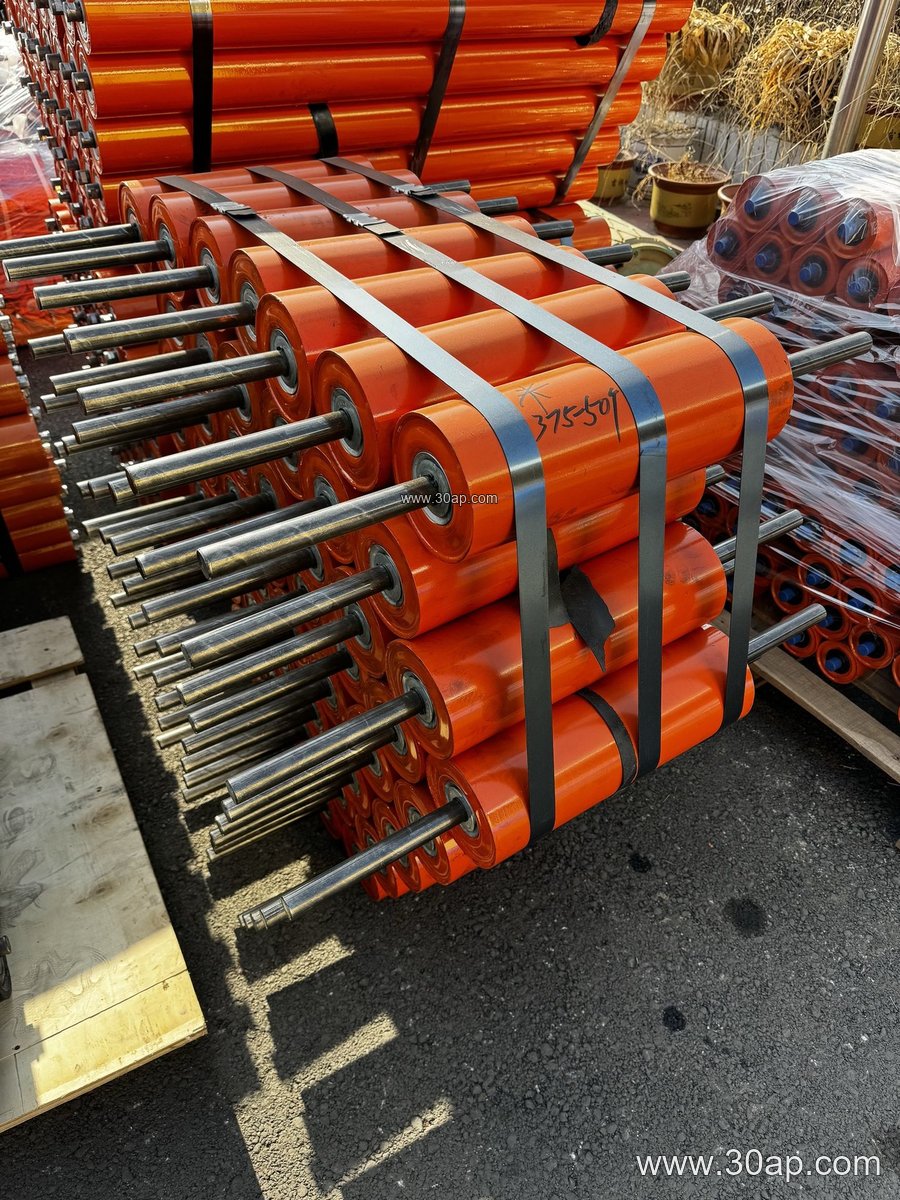
- Seal type: labyrinth, lip seal, or combined multi-stage
- Bearing protection: sealed-for-life or regreaseable through the shaft
- Shell: painted steel, hot-dip galvanized, or rubber-covered
- Shaft: carbon steel with plating, or stainless steel in aggressive service
- End cap: pressed steel with a gasket, or a molded polymer cap
Bearing sizes follow the roller diameter and load rather than the belt width alone. Common bearings include 6204, 6205, 6305, 6306, 6308, and 6310. A larger roller does not automatically mean a larger bearing, and a given roller diameter can be supplied with more than one bearing option.
Where It Fits on the Conveyor
Waterproof idlers appear wherever the belt stays damp or gets sprayed. In a sand and gravel washing line, the return run after the wash screen is a typical location. In a coal preparation plant, dewatering screens and slurry transfer conveyors expose rollers to constant moisture. Concrete batching plants and tunnel muck conveyors also run wet for much of the shift. Ports handling damp bulk cargo and fertilizer plants with corrosive dust are two more places where the sealed version earns its cost.
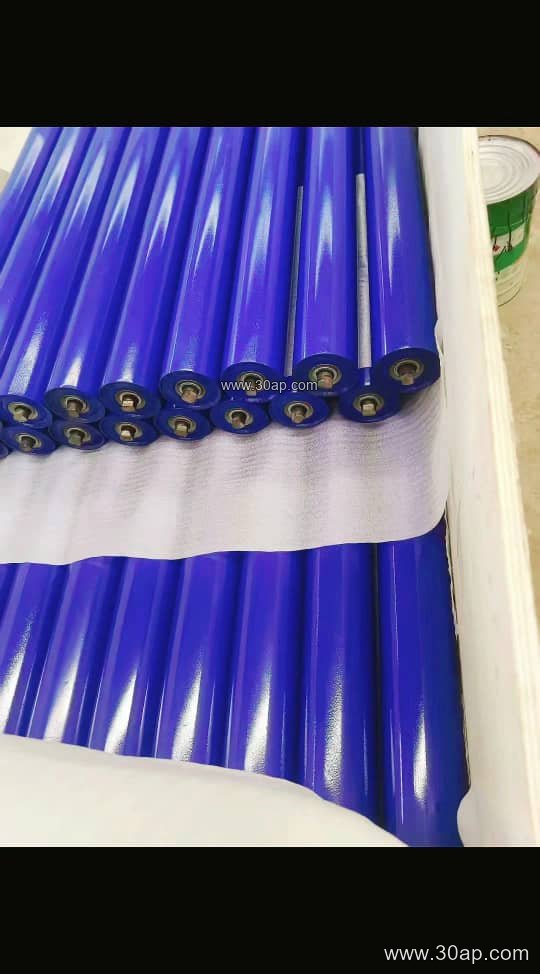
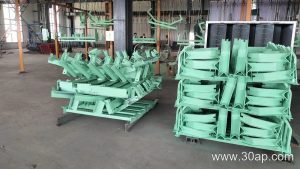
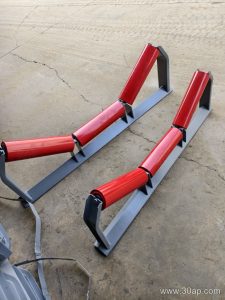
The idler still has to match its position. Carrying idlers are usually three-roll troughing sets at 20, 30, 35, or 45 degrees, while return idlers are flat or V-shaped. A waterproof return idler is often the first to fail in a wet line, because water pools on the return strand and drips directly onto the roller face.
Common Dimensions and Configurations
The table below gives typical reference values. Actual roll length depends on belt width, trough angle, and the idler set form, so the figures are examples rather than fixed pairings.
| Parameter | Common Reference Values |
|---|---|
| Roller diameter | Ø63, Ø76, Ø89, Ø102, Ø108, Ø127, Ø133, Ø159, Ø178, Ø194, Ø219 mm |
| Belt width | B400, B500, B650, B800, B1000, B1200, B1400, B1600, B1800, B2000 mm |
| Trough angle | 20°, 30°, 35°, 45° |
| Idler set | single roll, two-roll, three-roll troughing |
| Roll surface | steel tube, nylon, ceramic, rubber ring |
| Typical roll length (three-roll) | B500 about 200 mm, B650 about 250 mm, B800 about 315 mm, B1000 about 380 mm, B1200 about 465 mm, B1400 about 530 mm |
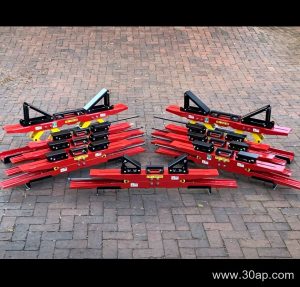
Waterproof construction is available across the common frame types, including troughing, transition, impact, and self-aligning designs. For a wet transfer point, a rubber-ring impact idler with the same sealing package protects both the belt and the bearing.
What to Check Before Ordering
First, confirm the water exposure. Light spray from a washdown hose and continuous immersion are different duties, and the seal specification should reflect which one applies. Second, check the belt width and the existing bracket spacing, because a waterproof idler must fit the same frame as the roller it replaces. Third, match the shell material to the water chemistry; acidic or saline water calls for a different coating than neutral process water.
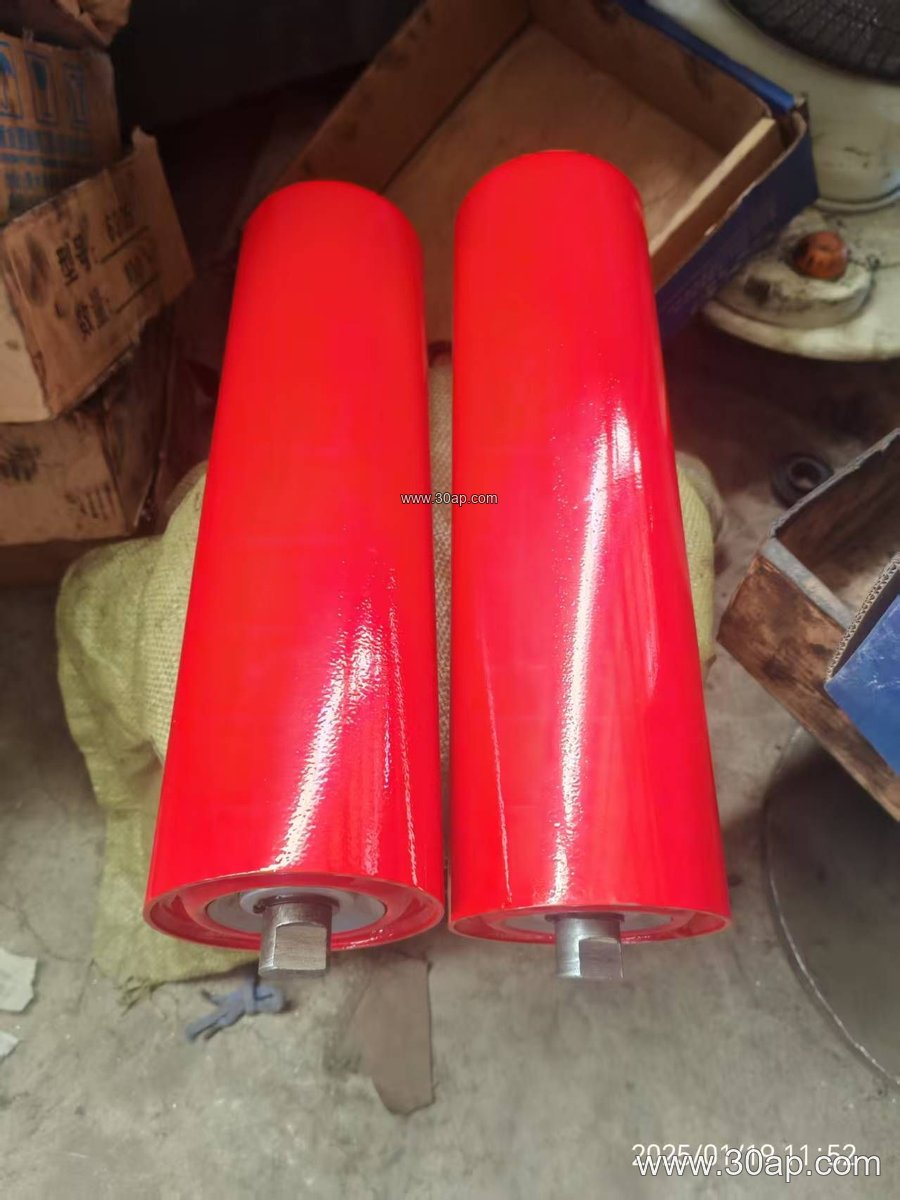
Buyers should also ask how the bearing is lubricated and whether the seal can be inspected or replaced. A sealed-for-life unit needs no maintenance but must be replaced as a whole, while a regreaseable design requires access to the shaft end. On a long overland conveyor carrying wet conveyor belt loads, the maintenance plan often decides which option is practical.
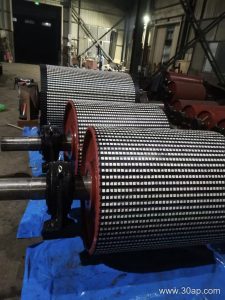
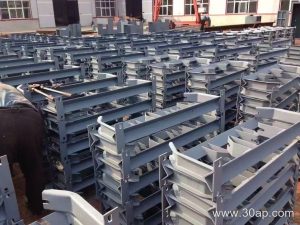
Finally, consider the whole wet section rather than one roller. A sealed idler on a standard conveyor bracket will still corrode if the frame drains poorly, and water sitting in the bracket pockets shortens roller life regardless of seal quality. Pairing waterproof idlers with a conveyor pulley that has properly sealed bearings gives the wet run a consistent level of protection from head to tail.
For abrasive wet duties such as a quarry wash plant feeding a crusher, the belt itself may also need an abrasion resistant cover, and the idler selection should be made together with the belt rather than afterward. The goal is a wet conveyor section where the roller, the belt, and the frame all tolerate the same conditions.