What a Belt Conveyor Bracket Does on the Line
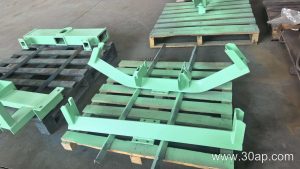
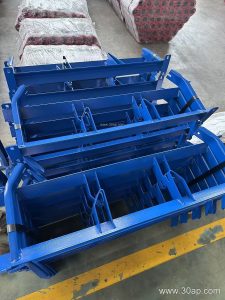
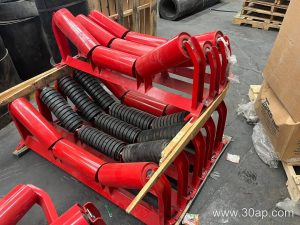
A belt conveyor bracket is the steel support that holds idler rollers in the correct position under or over the conveyor belt. It ties the roller frame to the conveyor stringer and sets the trough angle, roller spacing and alignment that keep material centered on the belt. In a quarry, a cement plant or a power plant coal yard, the bracket is the quiet component that decides whether the belt tracks straight or wanders. Get the bracket right and the conveyor belt runs with less edge wear; get it wrong and idlers loosen, frames twist and spillage follows.
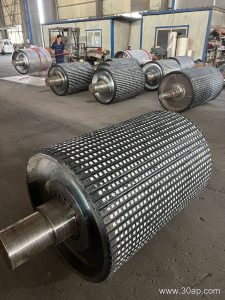
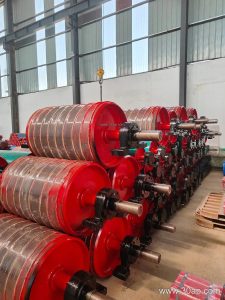
Because bracket geometry drives belt support, this part is closely linked to the idler roller and to the conveyor pulley at each end of the run. None of them works alone.
How the Bracket Is Built
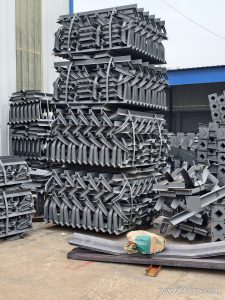
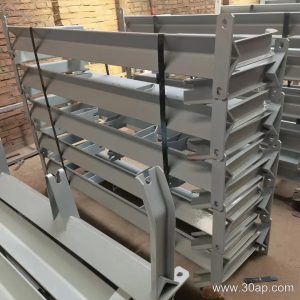
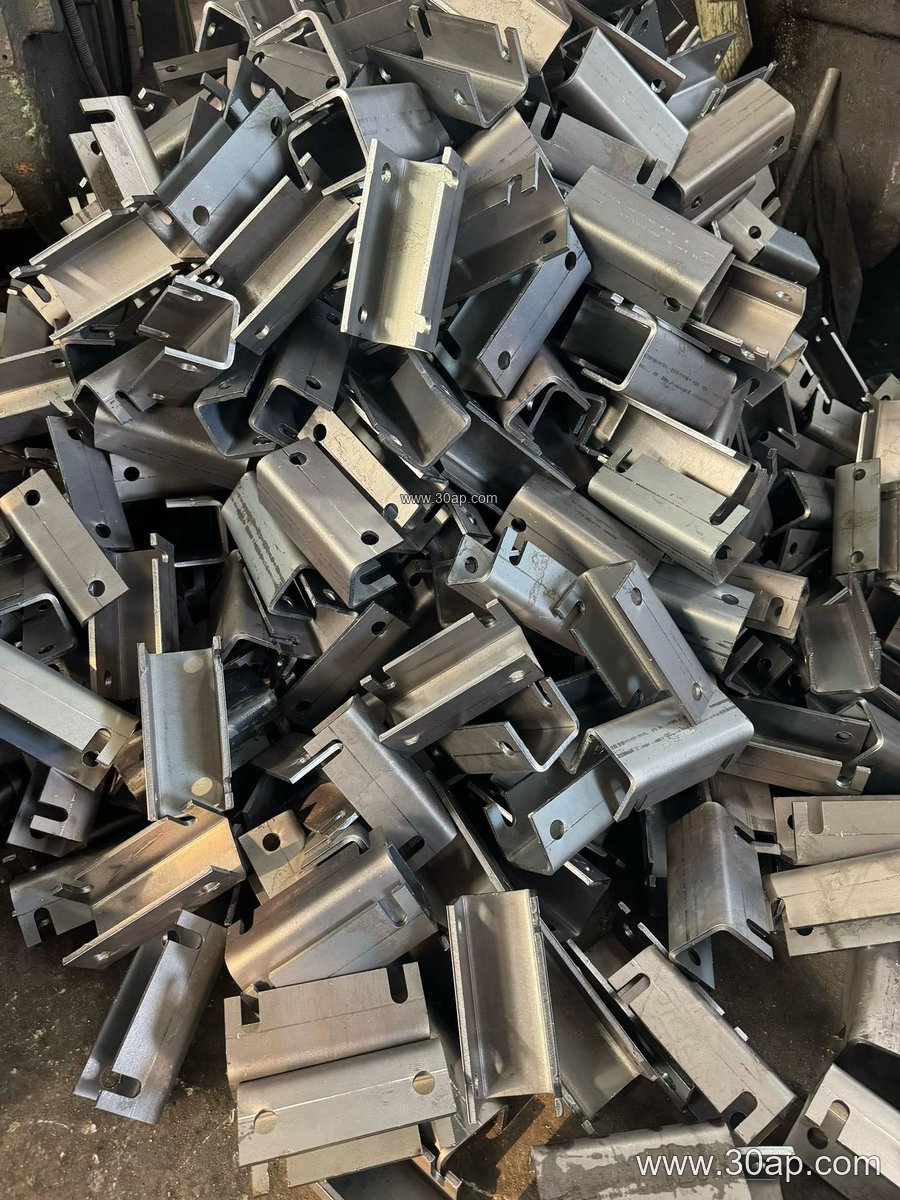
Most brackets are fabricated from angle steel, channel steel or folded steel plate, then welded and drilled to match the mounting hole spacing of the roller frame. A typical assembly has a cross beam, two or more roller cradles, and feet or hanger plates that bolt to the stringer. Surfaces are usually painted or galvanized, and in coal mining or underground work, the steel may be specified with a flame retardant finish to match a flame retardant conveyor belt installation.
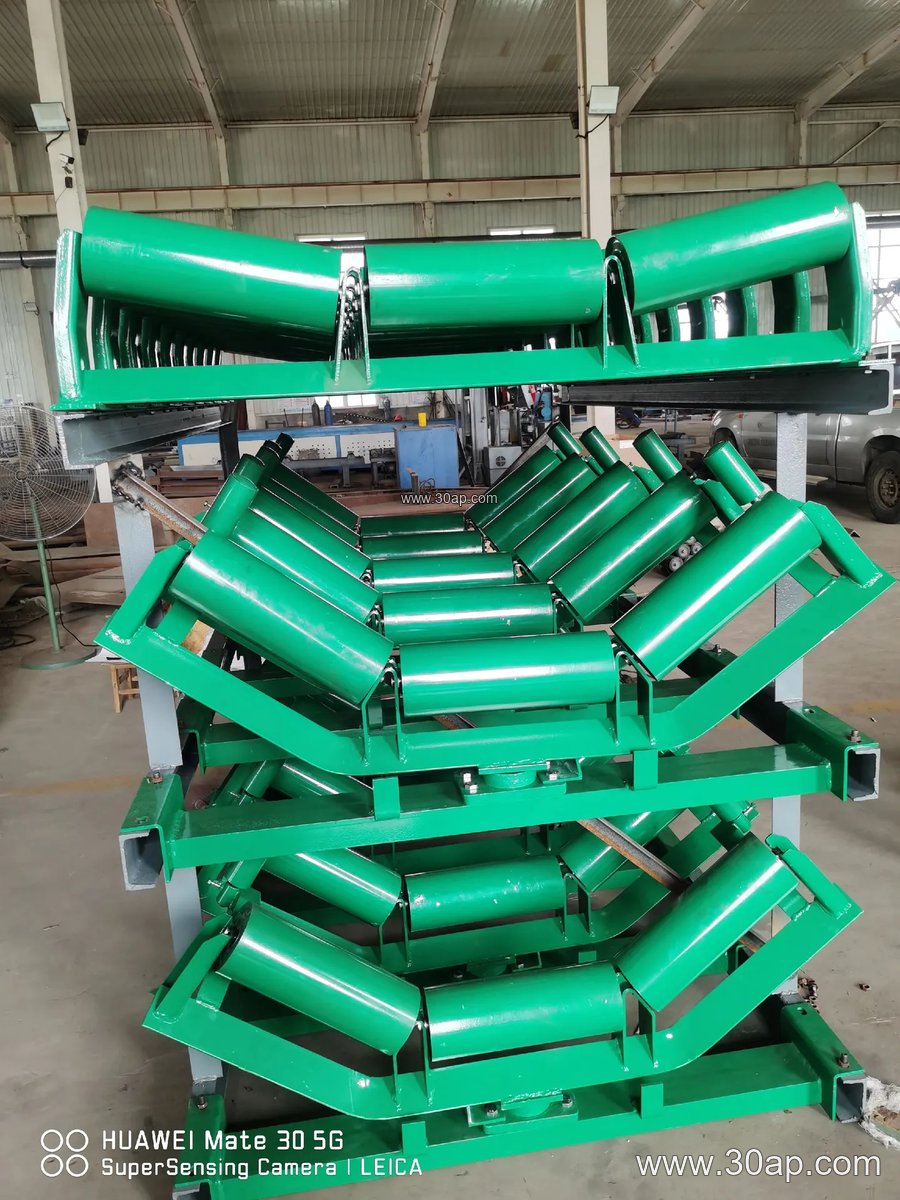
Key dimensions vary with belt width and trough angle. Hole spacing and cross beam length are determined by design, not by a single fixed number, so buyers should always confirm the mounting pattern against the existing frame drawing.
Common Bracket Types
Bracket type follows the job the roller set has to do along the conveyor:
- Trough bracket (carrying side): sets the 20, 30, 35 or 45 degree trough that shapes the belt into a channel.
- Transition bracket: placed near the tail or head to ease the belt from flat to troughed.
- Return bracket and V-return bracket: support the empty belt on the lower strand.
- Impact bracket: reinforced frame under the loading point to absorb material drop.
- Self-aligning bracket: pivots to correct belt drift.
- Forward-leaning bracket: rollers set at about 1.5 to 2 degrees to help centering.
- Hanging and adjustable brackets: used where the frame must be leveled or the trough angle changed on site.
Matching Belt Width, Trough Angle and Roller Diameter
Brackets are usually ordered by belt width, trough angle and roller diameter together. The table below shows typical reference combinations; they are examples, not fixed rules, and one belt width can accept several trough angles and roller sizes.
| Belt Width | Typical Trough Angle | Common Roller Diameter | Typical Use |
|---|---|---|---|
| B500 | 20-30 degrees | Ø89 | Small aggregate or sand lines |
| B650 | 30 degrees | Ø89-Ø108 | Crushing and screening plants |
| B800 | 30-35 degrees | Ø108 | General bulk material duty |
| B1000 | 35 degrees | Ø108-Ø133 | Cement plant and power plant coal |
| B1200 | 35-45 degrees | Ø133 | Iron ore and heavy mining service |
| B1400 | 35-45 degrees | Ø133-Ø159 | High capacity main lines |
| B1600 | 35-45 degrees | Ø159 | Port and ship loading conveyors |
| B1800 | 35-45 degrees | Ø159-Ø194 | Large ore and coal handling |
| B2000-B2200 | 35-45 degrees | Ø194 | Extra-wide bulk conveying |
The roller diameter should follow the load and belt speed rather than the belt width alone; a heavy iron ore line on B1200 may use a larger roller than a light sand line of the same width. Where the belt carries hot clinker or sinter, the bracket and roller set are usually paired with a heat resistant conveyor belt and given extra clearance for expansion.
Where These Brackets Are Used
Belt conveyor brackets appear in almost every bulk handling circuit. In a limestone quarry or a crushing and screening plant, trough and impact brackets carry the belt through the loading zone. In a coal washing plant or a power plant coal yard, self-aligning and forward-leaning brackets control drift on long runs. In cement plants, they support clinker and raw meal lines, while in a port or ship loading system, wider brackets hold the heavy belt steady under high capacity. Underground coal mining conveyors also rely on sturdy hanging brackets where floor space is limited.
Buyer Checklist
- Confirm belt width, trough angle and roller diameter before ordering, for example B800, 35 degrees, Ø108.
- Check the mounting hole pattern and cross beam length against the existing stringer drawing.
- Decide between fixed and adjustable brackets; adjustable types allow trough angle changes and leveling on site.
- Specify material thickness and finish for the environment, such as galvanized frames in wet washing plants.
- Match bracket strength to the duty class of the belt, especially where a steel cord conveyor belt carries high tension loads.
- Keep spare brackets for impact zones, since these take the most abuse.
Treat all figures above as reference data. Final bracket dimensions, plate thickness and hole spacing are confirmed by the conveyor design, not by belt width alone.