Understanding the Assembled Pulley
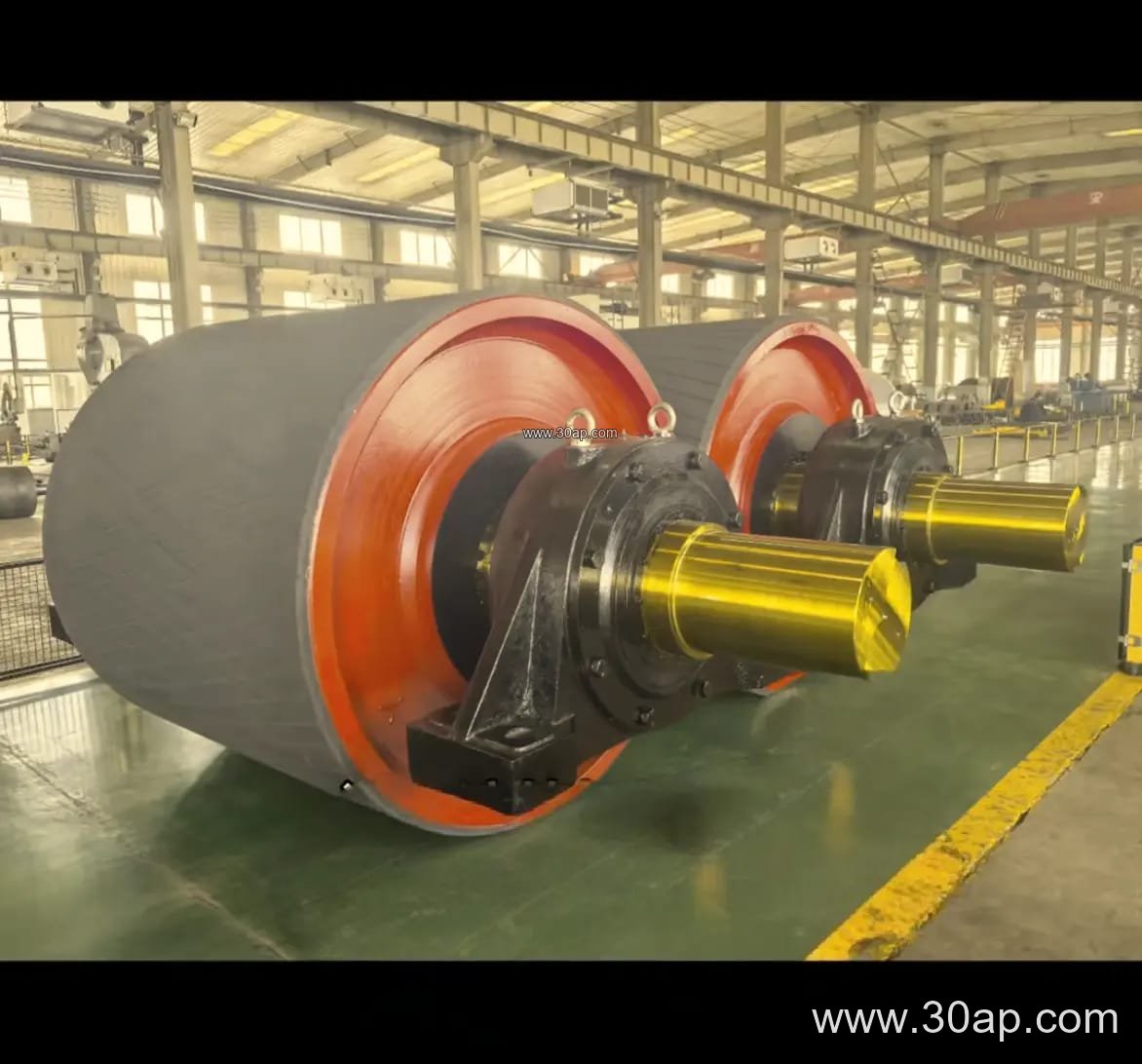
An assembled pulley is a complete, ready-to-mount conveyor pulley that arrives with the shell, shaft, bearings, and locking elements already put together. Unlike a bare drum that requires separate sourcing of hubs and bearing housings, this unit simplifies installation and reduces downtime. In a limestone quarry or a cement plant, where conveyor availability directly affects output, choosing a pre-assembled pulley can shorten maintenance windows and ensure proper alignment from the start.
The term “assembled pulley” is often used interchangeably with “conveyor pulley assembly” or “pre-assembled drum pulley.” It is not a drive pulley, tail pulley, or bend pulley by definition—those are functional positions. An assembled pulley can serve in any of those roles, but the keyword here refers to the product’s delivery state: fully built and ready to install.
Construction and Key Components
A typical assembled pulley includes a cylindrical shell, a through-shaft or stub shafts, bearing housings, and a locking assembly such as a keyless bushing or taper lock. The shell may be plain steel or covered with rubber, ceramic, or other lagging to improve grip or protect the belt. Common surface forms include smooth, diamond grooved, herringbone, and ceramic lagging, with lagging thicknesses often in the range of 8 mm to 20 mm depending on the application.
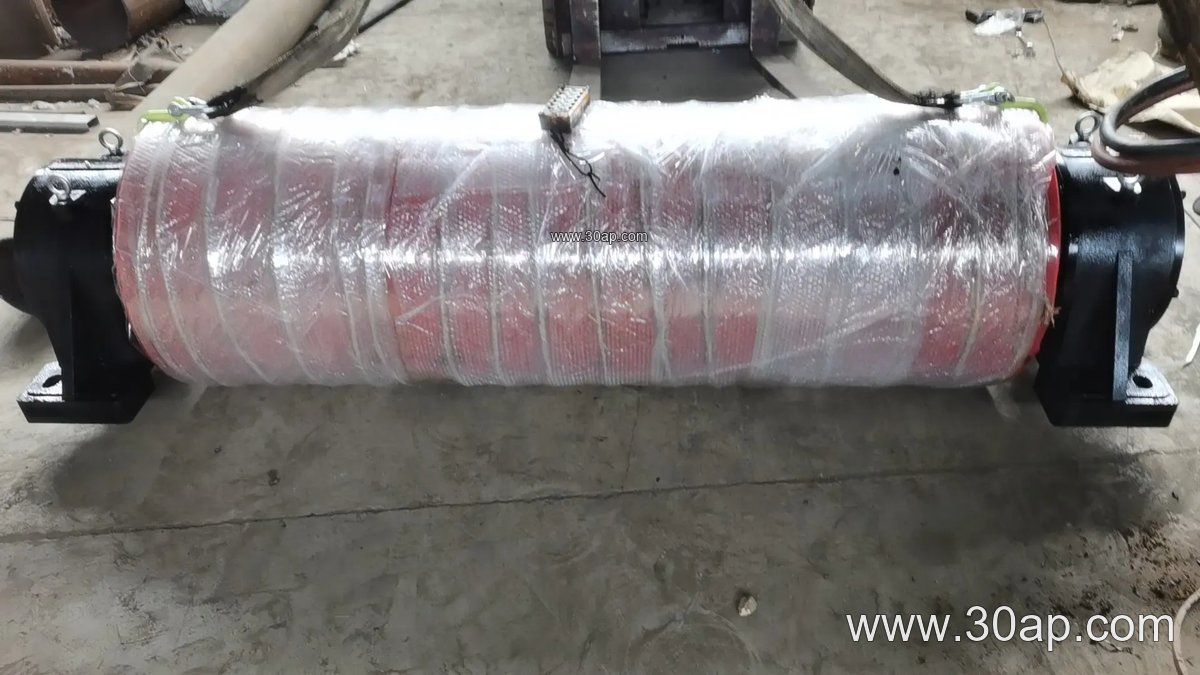
Bearing selection is critical. In dusty environments like a coal mining conveyor system, sealed bearings with effective labyrinth seals help prevent contamination. The shaft diameter is determined by torque and load requirements, not by belt width alone. Typical shaft diameters might range from Ø50 to Ø200, but these are design-specific and should be confirmed with the manufacturer.
Where Assembled Pulleys Are Used
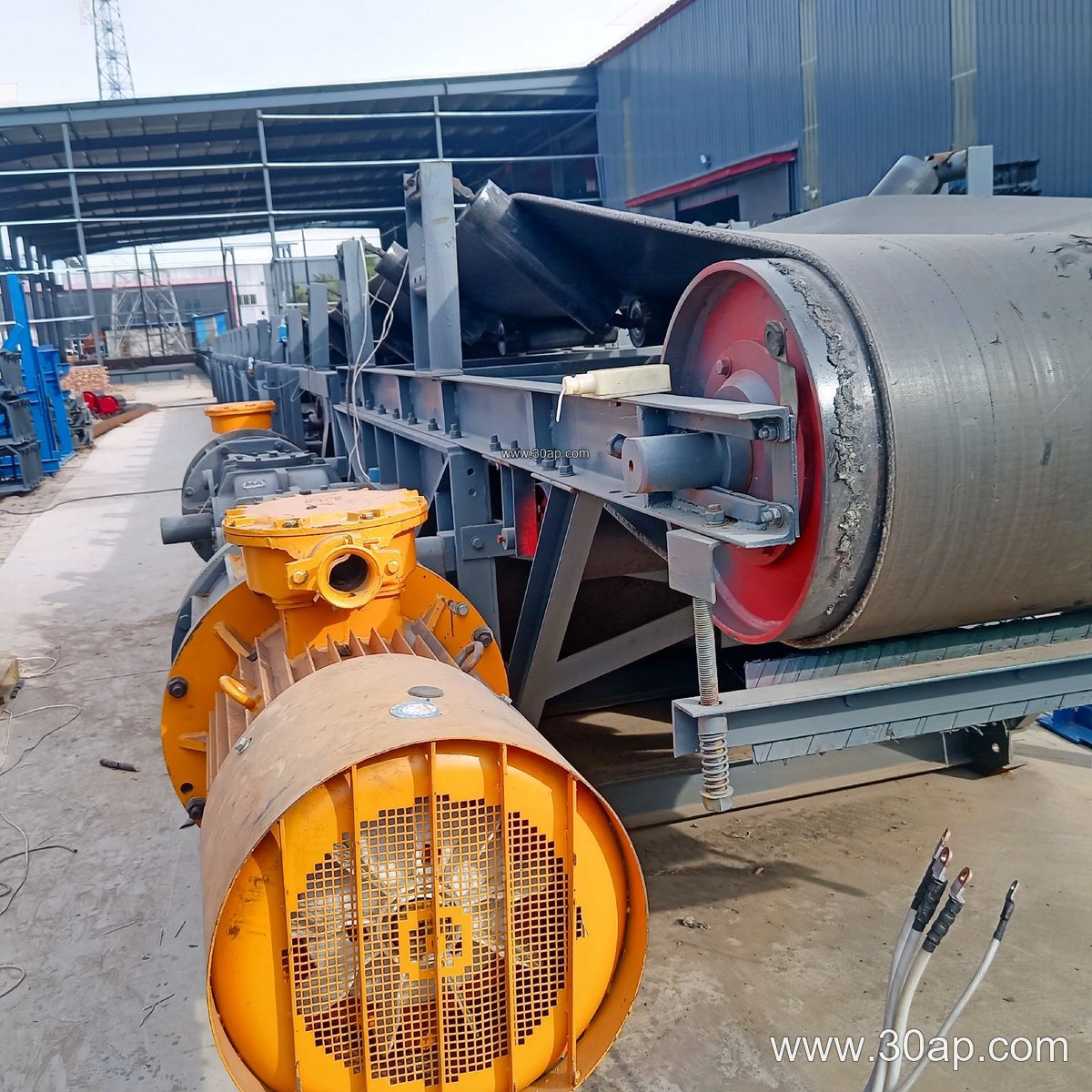
These pulleys are found in bulk material handling across many industries. In a sand and gravel plant, they guide and support the conveyor belt on the return side or at the head end. In a power plant coal yard, they help maintain belt tension and direction. The pre-assembled nature is especially valuable in underground mining or tunnel boring, where on-site assembly space is limited and every hour of downtime is costly.
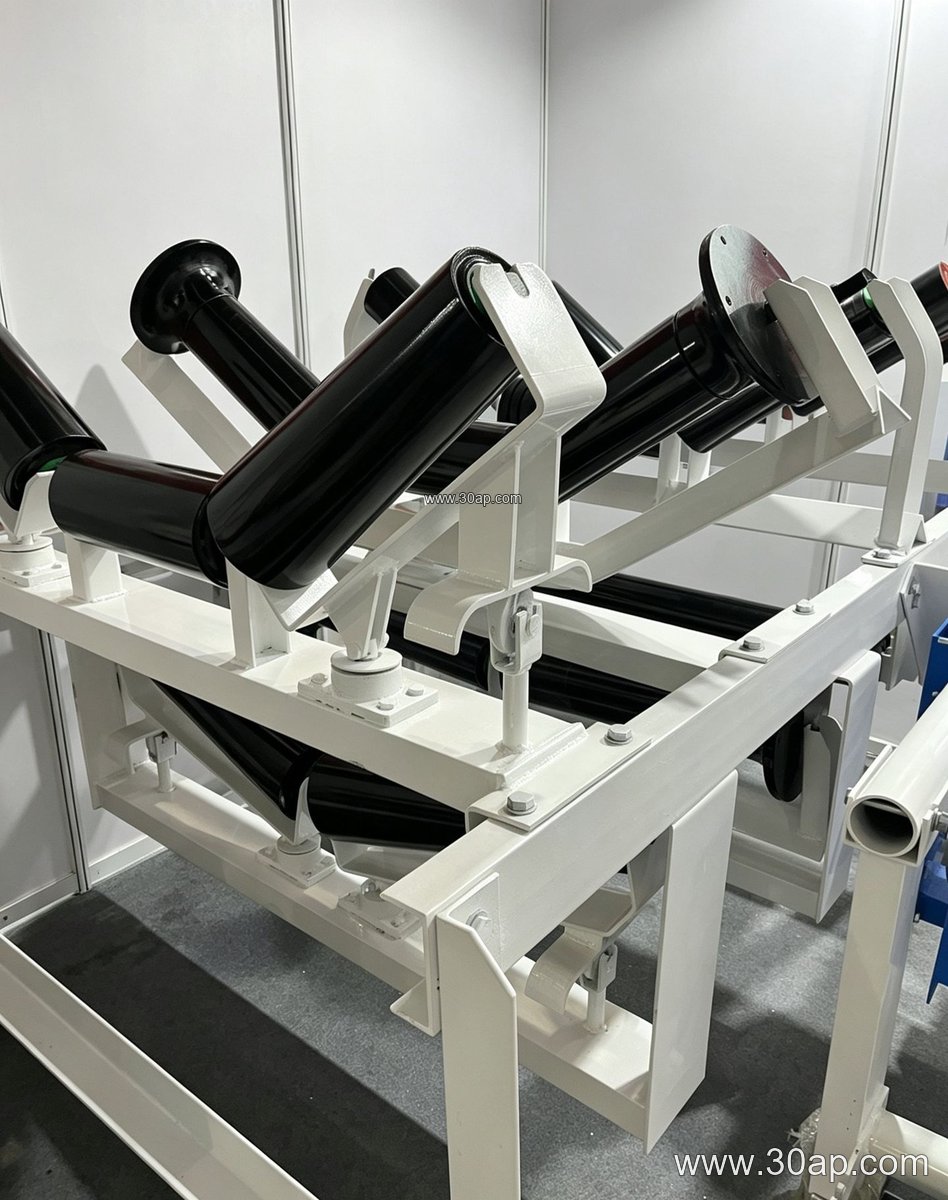
They work alongside conveyor idlers and brackets to keep the belt tracking correctly. While a drive pulley transmits power and a tail pulley changes belt direction, an assembled pulley can be specified for either position—the difference lies in the design details such as lagging pattern and shaft connection, not in the fact that it is assembled.
Specifications and Selection Guidance
When selecting an assembled pulley, consider belt width, pulley diameter, shaft diameter, lagging type, and bearing arrangement. The table below lists common reference values that are often used in design; actual dimensions should be confirmed for each project.
| Parameter | Common Reference Range |
|---|---|
| Belt width (B) | B400, B500, B650, B800, B1000, B1200, B1400, B1600, B1800, B2000, B2200, B2400 |
| Pulley diameter (Ø) | Ø200, Ø250, Ø315, Ø320, Ø400, Ø500, Ø630, Ø800, Ø1000, Ø1250, Ø1400, Ø1600, Ø1800 |
| Shaft diameter | Ø50, Ø60, Ø70, Ø80, Ø90, Ø100, Ø120, Ø140, Ø160, Ø180, Ø200 (based on torque and load) |
| Lagging thickness | 8 mm, 10 mm, 12 mm, 15 mm, 20 mm |
| Face width (example) | B400 ~ 500 mm; B500 ~ 600 mm; B650 ~ 750 mm; B800 ~ 950 mm; B1000 ~ 1150 mm; B1200 ~ 1400 mm; B1400 ~ 1600 mm; B1600 ~ 1800 mm; B1800 ~ 2000 mm; B2000 ~ 2200 mm |
Note that face width is usually slightly wider than the belt to allow for misalignment. A common combination might be B1200 × Ø1000 or B800 × Ø500, but these are not fixed pairings—many combinations are possible. Always match the pulley to the conveyor’s tension and power requirements.
Buyer Checklist
- Confirm the functional position (head, tail, bend, take-up) and specify accordingly.
- Check lagging material compatibility with the conveyed material—for example, oil-resistant rubber for oily loads, or ceramic lagging for high-traction needs.
- Verify bearing type and sealing to suit the environment (dust, moisture, temperature).
- Ensure the shaft diameter and locking assembly are rated for the actual torque, not just belt width.
- Ask for a dimensional drawing and balance report if high speed is involved.
For industries ranging from steel cord conveyor belt operations to quarry conveyor belt lines, the assembled pulley offers a practical way to reduce installation errors. Pair it with quality conveyor idler roller and conveyor bracket components to build a reliable conveyor system. Whether you are upgrading a cement plant conveyor belt or maintaining a mining conveyor belt network, selecting the right assembled pulley helps keep material flowing smoothly.