What a Bend Pulley Assembly Does on a Conveyor
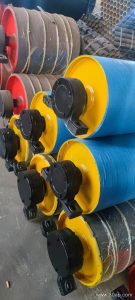
A bend pulley assembly is a redirecting pulley group that changes the path of the conveyor belt without driving it. It is often installed at the tail, tension, or take-up section to guide the belt back into the carrying run, increase wrap angle on the drive pulley, or maintain tension. Unlike a drive pulley, which transmits power, or a tail pulley, which supports the belt at the loading point, the bend pulley assembly works purely as a direction and tension control component. In quarry, cement, and power plant conveyors, this assembly helps keep the belt aligned and the system compact.
Construction and Key Components
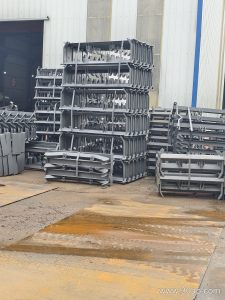
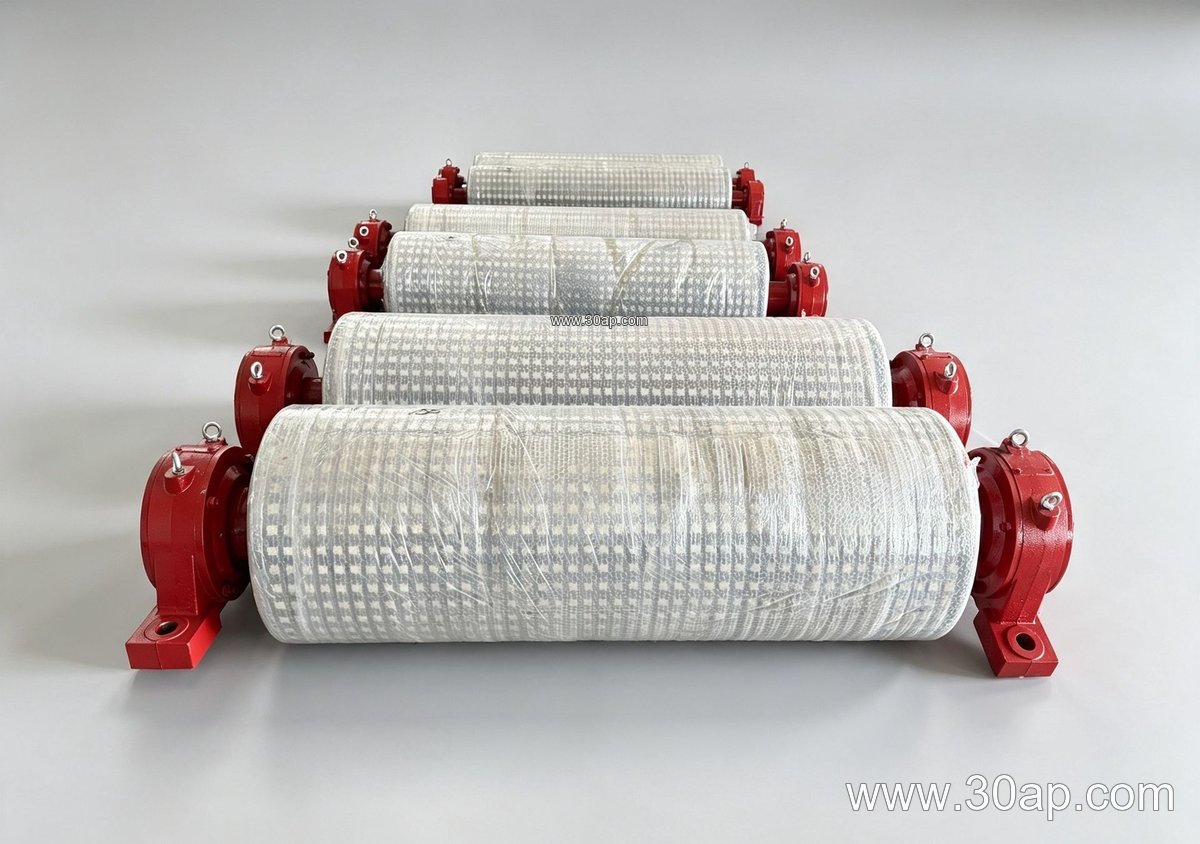
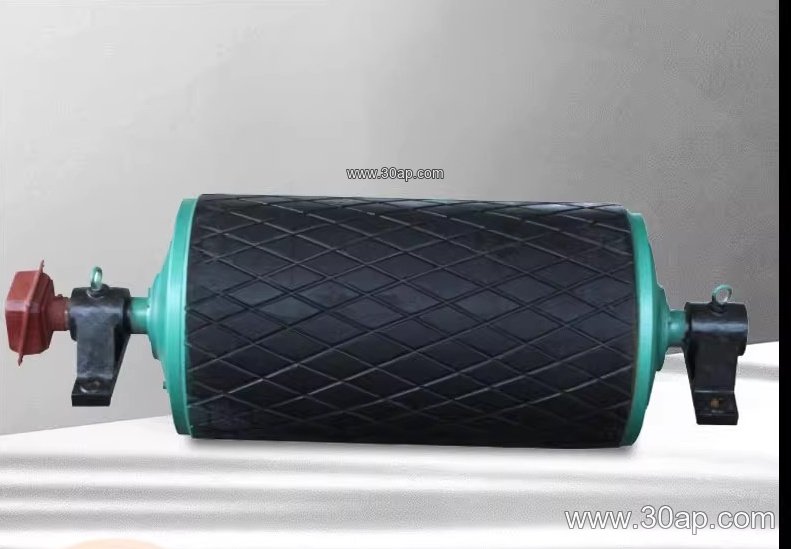
A typical bend pulley assembly includes the pulley shell, shaft, bearings, bearing housings, and a supporting frame or conveyor bracket. The shell may be smooth or lagged with rubber, ceramic, or diamond pattern to improve traction and reduce slip. Common surface options include plain, cold-bonded rubber, hot vulcanized rubber, diamond lagging, and ceramic lagging, with lagging thickness often 8, 10, 12, 15, or 20 mm. The shaft diameter is determined by torque and load, not by belt width alone. Common shaft sizes include Ø50, Ø60, Ø70, Ø80, Ø90, Ø100, Ø120, Ø140, Ø160, Ø180, and Ø200 mm. Bearing selection and housing design must match the radial load from the conveyor belt and the assembly’s mounting position.
Where It Fits in the Conveyor Layout
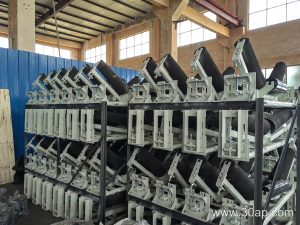
Bend pulley assemblies are used in a variety of bulk handling operations. In a limestone quarry or aggregate line, they help route the belt around structural obstacles and maintain proper tension on the return side. In a coal washing plant or power plant coal yard, they work with idler roller sets and conveyor pulley components to keep the belt stable under variable loads. The assembly is not a substitute for a drive pulley or a tail pulley; each has a distinct role. A bend pulley may be positioned before the drive pulley to increase contact angle, or after the take-up to guide the belt into the return run.
Common Sizes and Configuration Examples
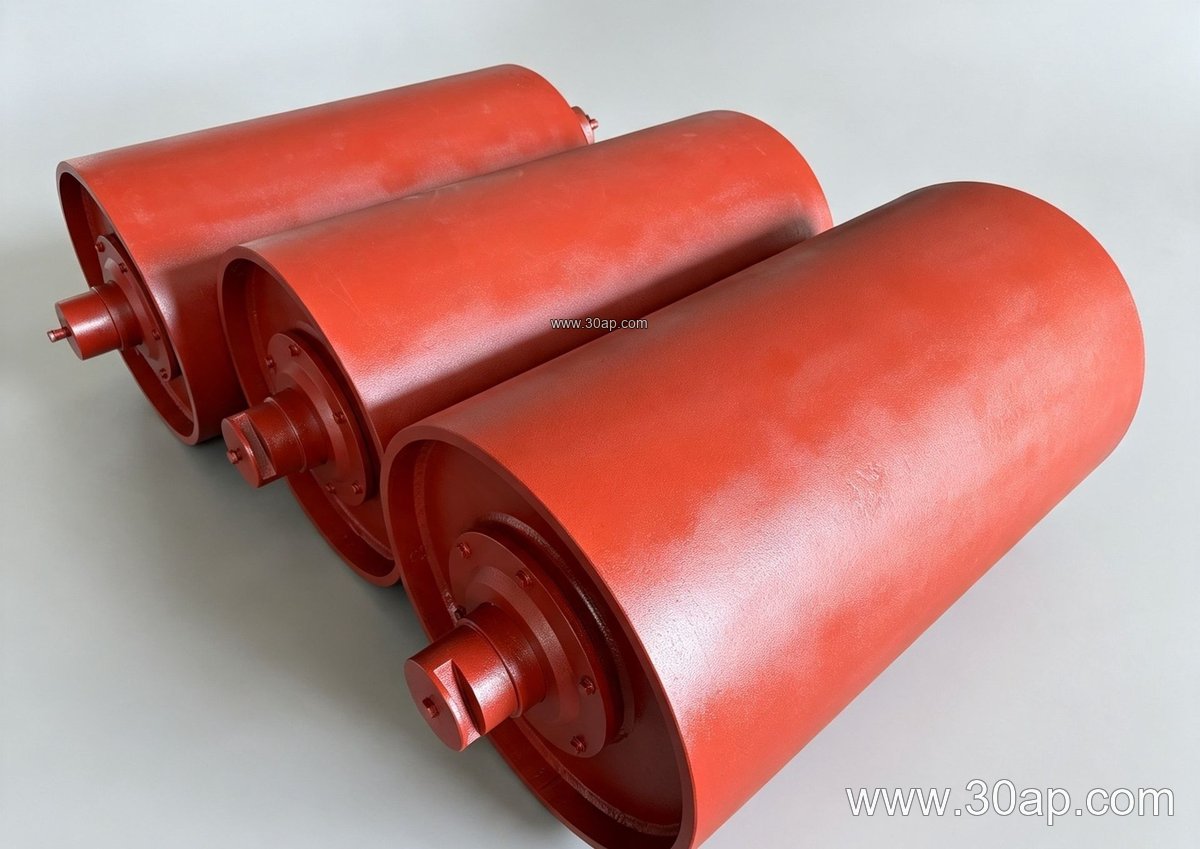
Bend pulley assemblies are sized to match the conveyor belt width and the required wrap angle. The table below shows common reference combinations; actual selection depends on belt tension, speed, and space. The pulley face width is usually wider than the belt, for example B400 belt with about 500 mm face, B800 with about 950 mm, B1200 with about 1400 mm, and B1600 with about 1800 mm. Diameter and shaft size are project-specific.
| Belt Width (B) | Common Pulley Diameter (Ø) | Typical Face Width | Example Shaft Range |
|---|---|---|---|
| B500 | Ø250–Ø400 | ≈600 mm | Ø60–Ø80 |
| B650 | Ø315–Ø500 | ≈750 mm | Ø70–Ø90 |
| B800 | Ø400–Ø630 | ≈950 mm | Ø80–Ø100 |
| B1000 | Ø500–Ø800 | ≈1150 mm | Ø90–Ø120 |
| B1200 | Ø630–Ø1000 | ≈1400 mm | Ø100–Ø140 |
| B1400 | Ø800–Ø1250 | ≈1600 mm | Ø120–Ø160 |
These are reference examples, not fixed rules. A B1200 belt may be paired with Ø800 or Ø1000 depending on tension and space, and shaft diameter must be calculated from load. When selecting a bend pulley assembly, confirm the belt width, belt type, and the required wrap angle with the conveyor designer.
Buyer Checklist for Bend Pulley Assemblies
- Confirm the function: redirect, tension, or increase wrap angle. Do not use a bend pulley where a drive or tail pulley is required.
- Match the pulley face width to the belt width, allowing for belt wander and edge clearance.
- Choose lagging based on environment: plain for clean dry conditions, rubber or ceramic for wet or oily service, and diamond pattern for improved grip.
- Verify shaft diameter from torque and radial load, not from belt width alone.
- Check bearing type, housing, and frame mounting to suit the conveyor bracket and structural interface.
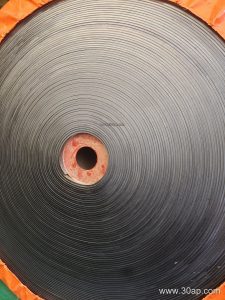
- Consider belt compatibility: a flame retardant conveyor belt in underground coal mining may require specific lagging and material choices for safety.
- Review maintenance access for lubrication and belt tracking adjustment.
Maintenance and Compatibility Notes
Regular inspection of the bend pulley assembly should include checking lagging wear, bearing temperature, and shaft alignment. Misalignment can cause belt edge damage and premature idler roller failure. In dusty or abrasive service, such as a copper ore or iron ore conveyor, lagging wear may accelerate; choose abrasion-resistant rubber or ceramic lagging where appropriate. The assembly should be compatible with the conveyor belt type, whether a multi-ply fabric core, steel cord, or heat resistant belt. For high-temperature service, such as cement clinker or sinter, confirm that the lagging and bearing lubricant can withstand the ambient temperature. Always follow the conveyor designer’s specification for pulley diameter, shaft size, and bearing life.
For more information on conveyor components and belt selection, explore our range of conveyor pulley and conveyor belt solutions.