What a Rubber Disc Return Idler Is
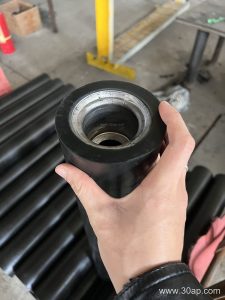
A rubber disc return idler is a return-side roller fitted with a series of rubber discs along its shaft. It supports the empty conveyor belt on the way back and, at the same time, helps shed sticky material that would otherwise build up on the belt surface. In hard-working circuits such as a coal mining conveyor belt line or a quarry aggregate system, this dual role keeps the return strand cleaner and reduces the chance of material carryback reaching the tail pulley.
How the Idler Is Built
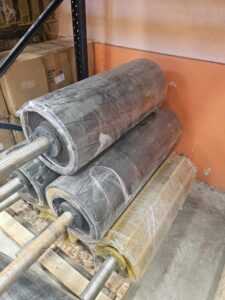
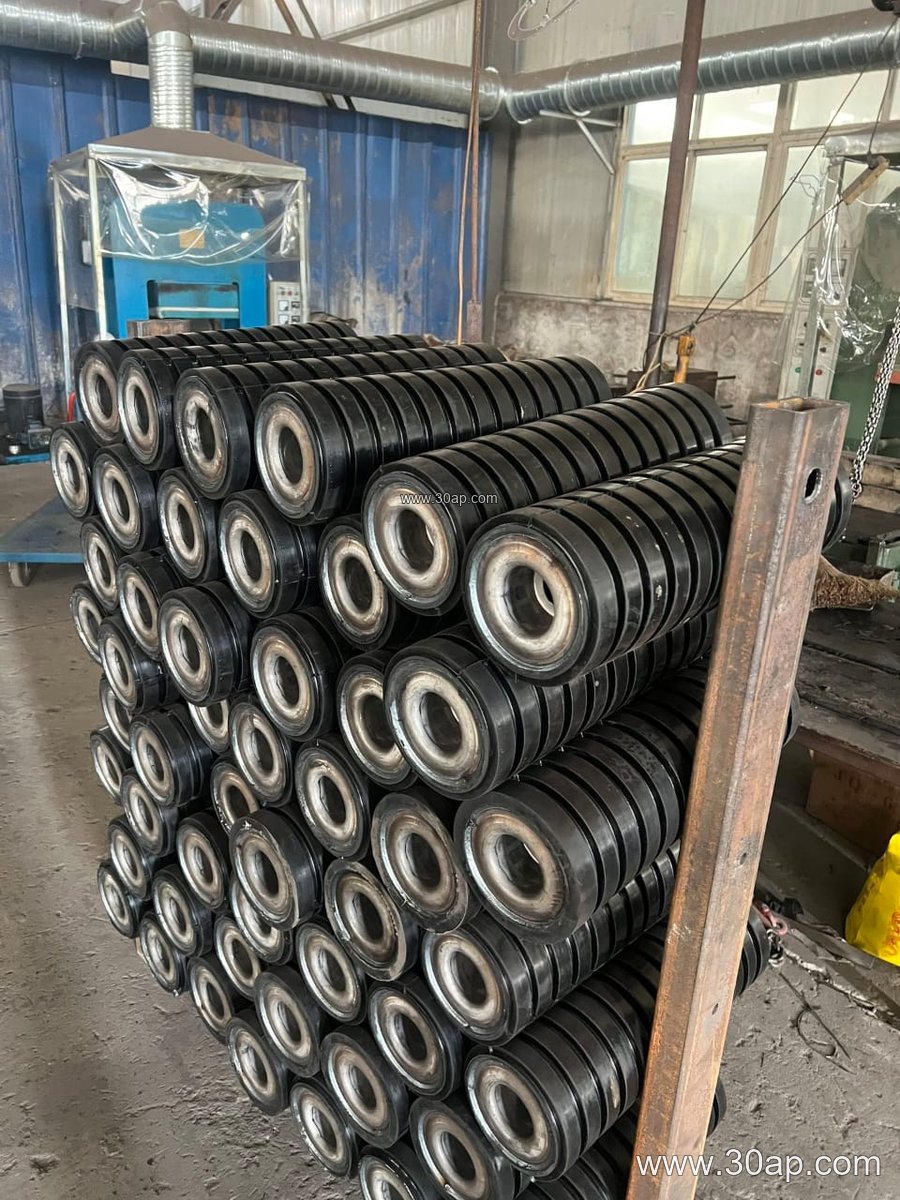
The core is usually a steel tube or a solid shaft, machined to hold a stack of rubber discs. These discs are pressed or vulcanized onto the shaft and spaced so they flex slightly under the belt. Bearings sit in sealed housings at each end, and the whole roller is mounted in conveyor brackets on the return side. The rubber disc surface is the defining feature: it is not a plain steel shell, and it is not a spiral roller either. The flexible discs absorb shock and scrape away fines as the belt passes over them.
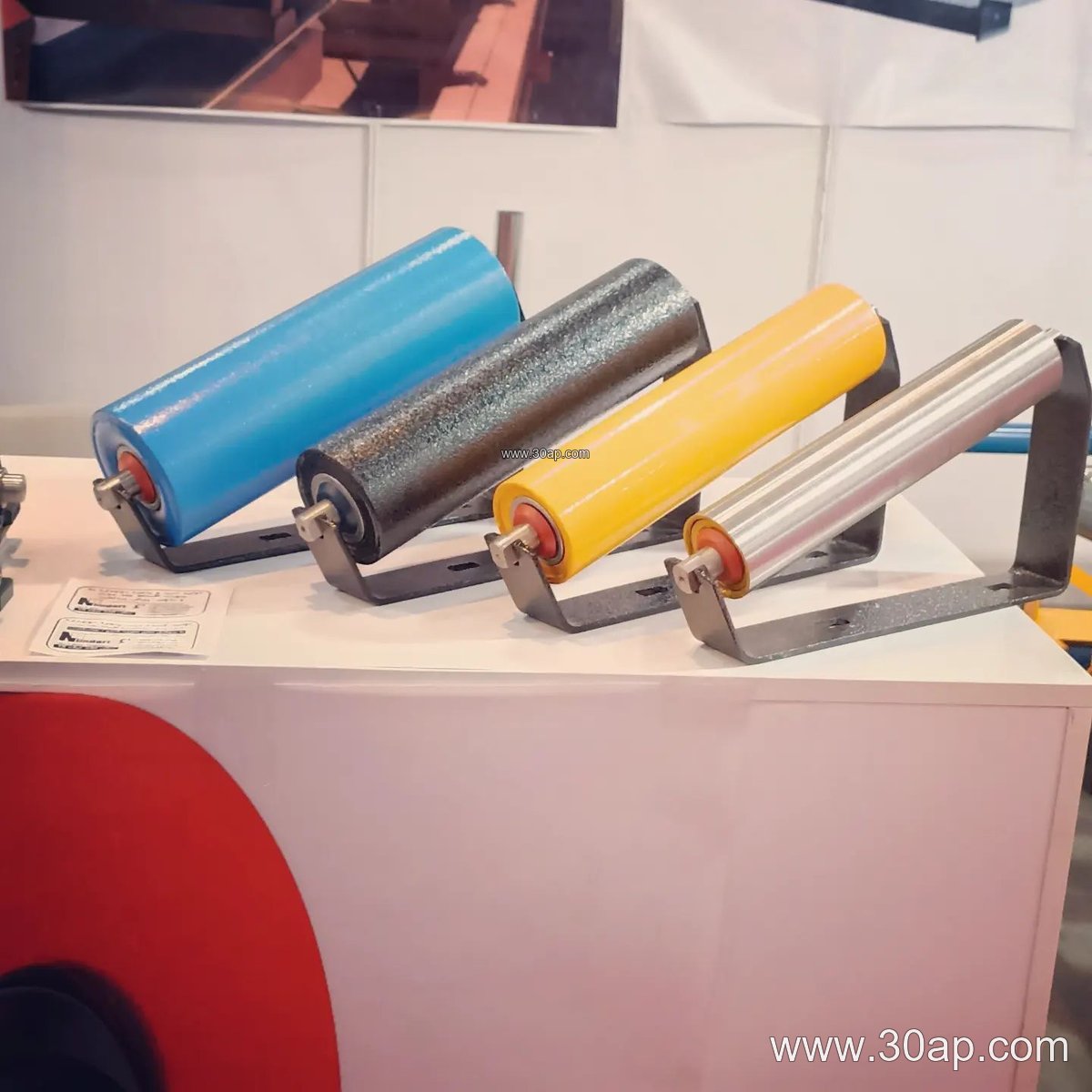
Common bearing sizes for return idlers include 6204, 6205, 6305, 6306, 6308 and 6310, but the bearing is matched to the shaft and load, not to belt width alone. Roller diameter options often range from Ø63 to Ø219 depending on the conveyor design. The disc diameter and spacing are selected to suit the belt and the material being handled.
Where It Fits on the Conveyor
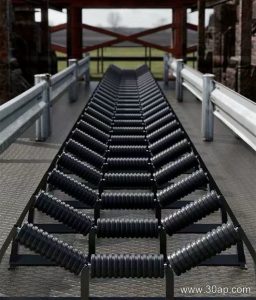
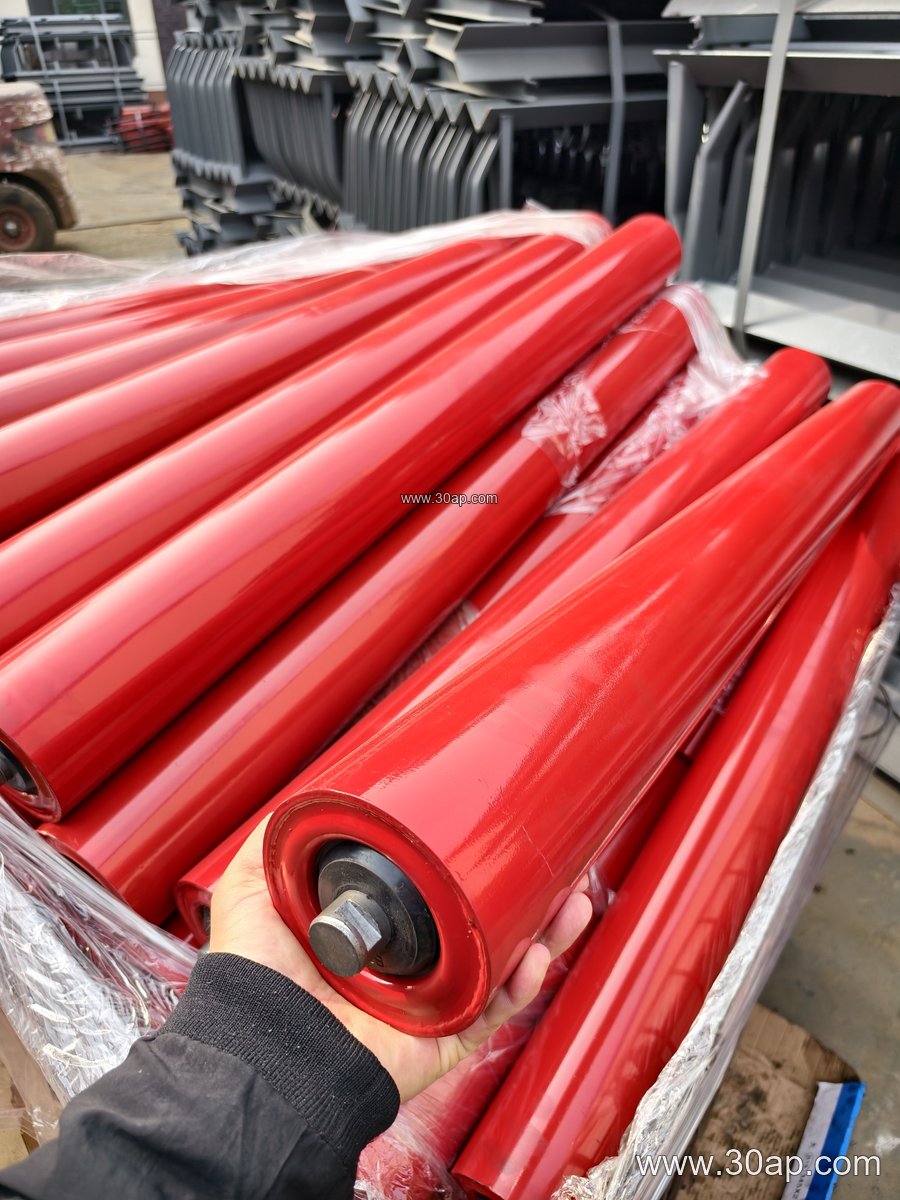
This idler belongs to the return strand, usually replacing a plain flat return roller where carryback is a problem. It is not a substitute for a drive pulley, tail pulley or bend pulley; those are separate components with different duties. It also differs from a V-type return idler, which is mainly used for belt training rather than cleaning. Typical installations include:
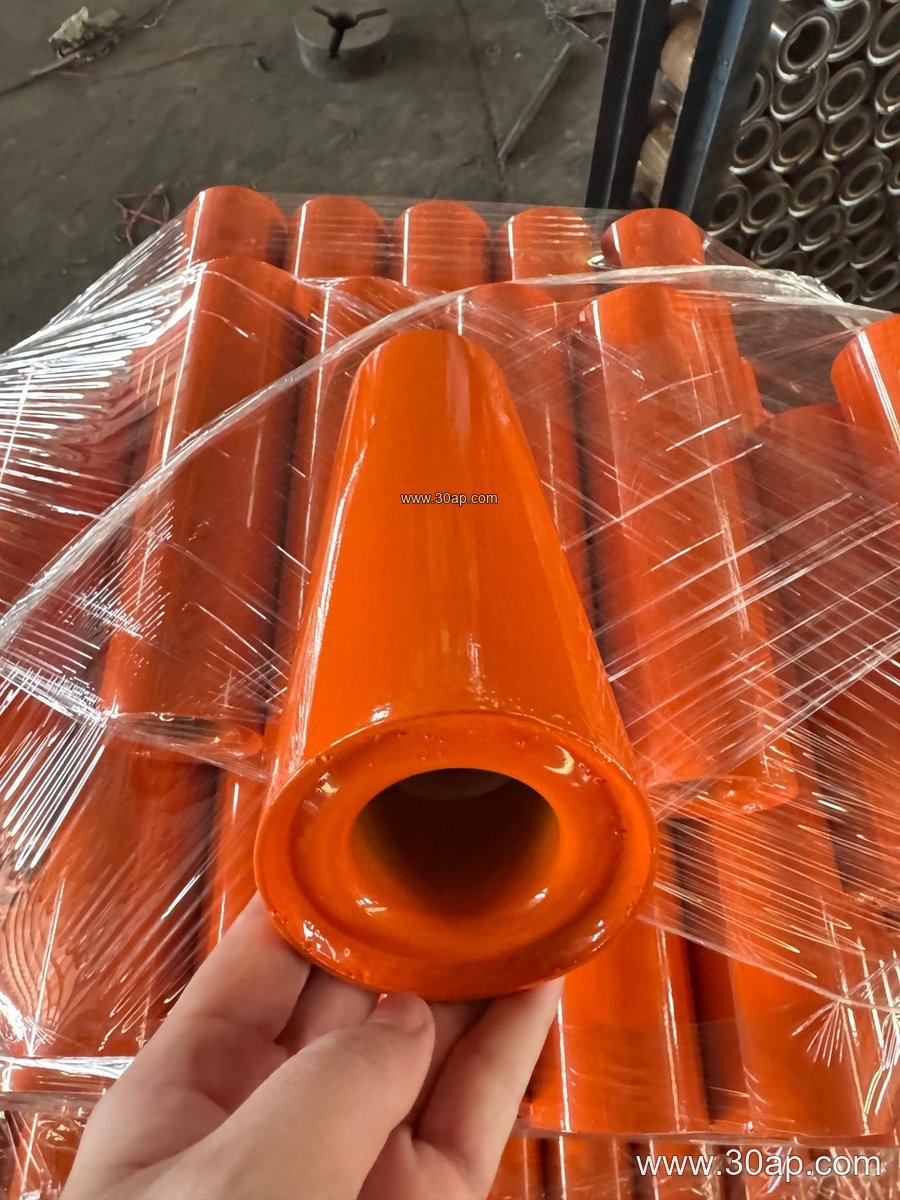
- Coal handling and wash plants, where fine coal and mud cling to the belt
- Cement plants and clinker lines, where dust and fines are persistent
- Power plant coal yards and limestone preparation areas
- Sand and gravel plants, crusher discharge belts and screening circuits
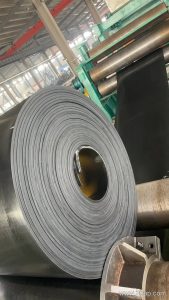
In these settings, a rubber disc return idler works alongside the conveyor belt and other idler rollers to keep the return run stable. On a long overland system using a steel cord conveyor belt, for example, a few disc return idlers at transfer points can reduce the amount of material that drops onto the ground.
Matching the Idler to Belt Width and Roller Diameter
Buyers should look at the belt width, the return idler frame, and the shaft end dimensions together. Belt widths such as B500, B650, B800, B1000, B1200, B1400 and B1600 are common in bulk handling, but the roller length is not fixed by width alone. The return idler length and the bracket spacing must match the conveyor structure. The table below gives reference examples only; final dimensions should be confirmed against the conveyor drawing.
| Reference Belt Width | Typical Return Idler Diameter Range | Common Bearing Options |
|---|---|---|
| B500 | Ø63 to Ø89 | 6204, 6205 |
| B650 | Ø76 to Ø108 | 6205, 6305 |
| B800 | Ø89 to Ø133 | 6305, 6306 |
| B1000 | Ø108 to Ø159 | 6306, 6308 |
| B1200 | Ø127 to Ø178 | 6308, 6310 |
| B1400 | Ø133 to Ø194 | 6308, 6310 |
| B1600 | Ø159 to Ø219 | 6310 |
Do not assume that a given belt width can only use one pulley diameter or one shaft size. The return idler should be chosen from the conveyor’s actual load, speed and space limits.
What a Buyer Should Check
Before ordering, confirm the disc material and hardness, the shaft end type, the bearing seal arrangement, and the mounting bracket dimensions. A rubber disc return idler used in a dusty cement plant may need a different seal than one on a wet sand and gravel line. Also check that the disc spacing suits the belt splice and that the roller turns freely by hand. For abrasive duties, pair the idler with an abrasion resistant conveyor belt to reduce wear on both components.
Finally, keep spare discs and bearings on hand for critical conveyors. A worn or seized return idler can damage the belt edge and increase power draw, so inspection during scheduled shutdowns is worthwhile.