What a Head Pulley Assembly Does
A head pulley assembly is the drive end of a belt conveyor. It combines the pulley shell, shaft, bearings, bearing housings, and locking elements into one unit that transfers torque from the drive to the conveyor belt. Because it sits at the discharge point, it also sets the belt path and supports the highest belt tension in the system. In a quarry, a coal washing plant, or a cement clinker line, this assembly is the component that keeps the belt moving under load.
The same product is also called a head drum assembly or drive pulley assembly. Drive, tail, and bend pulleys are not interchangeable names: the tail pulley returns the belt at the far end, and a bend pulley changes direction without driving. This article covers only the head pulley assembly.
How the Assembly Is Built
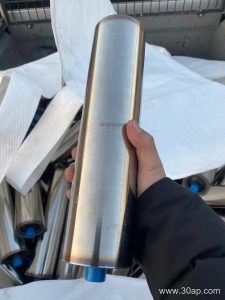
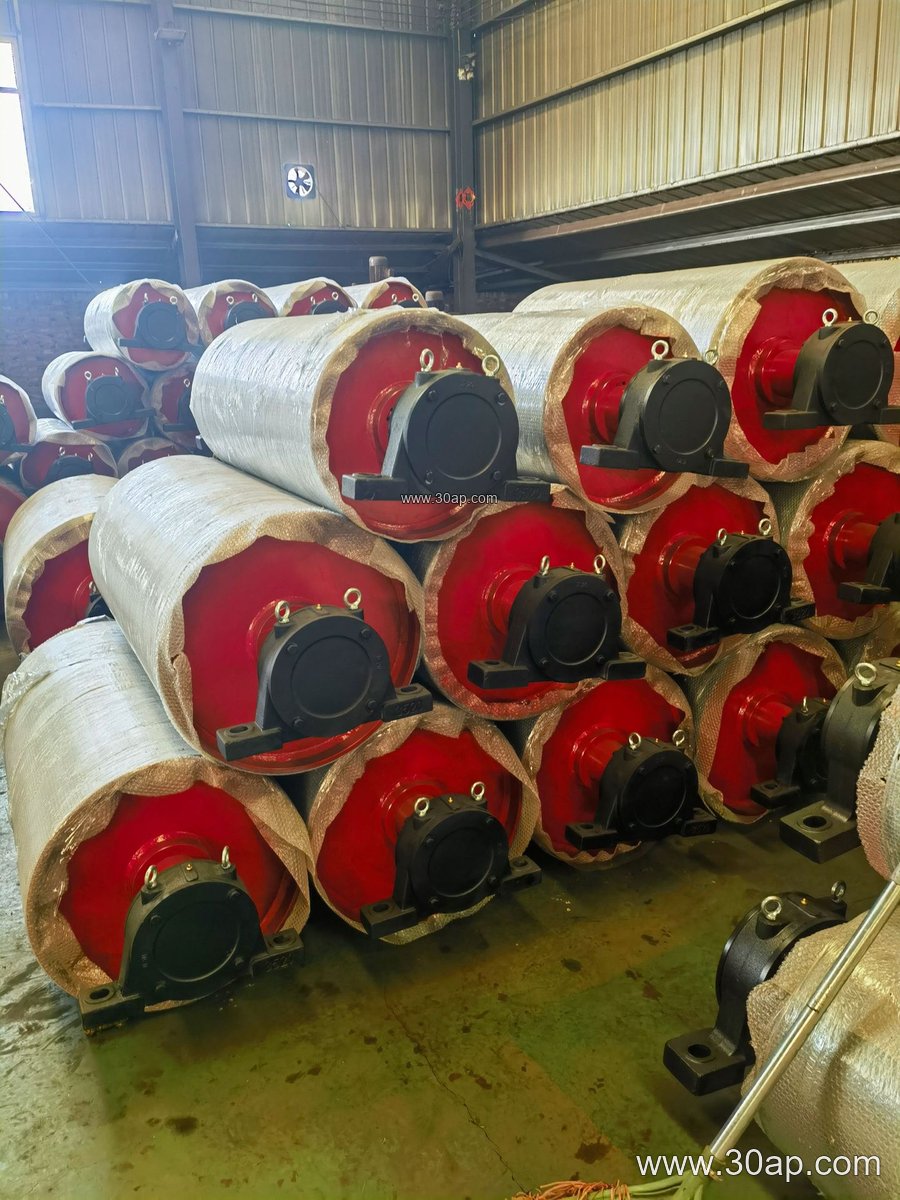
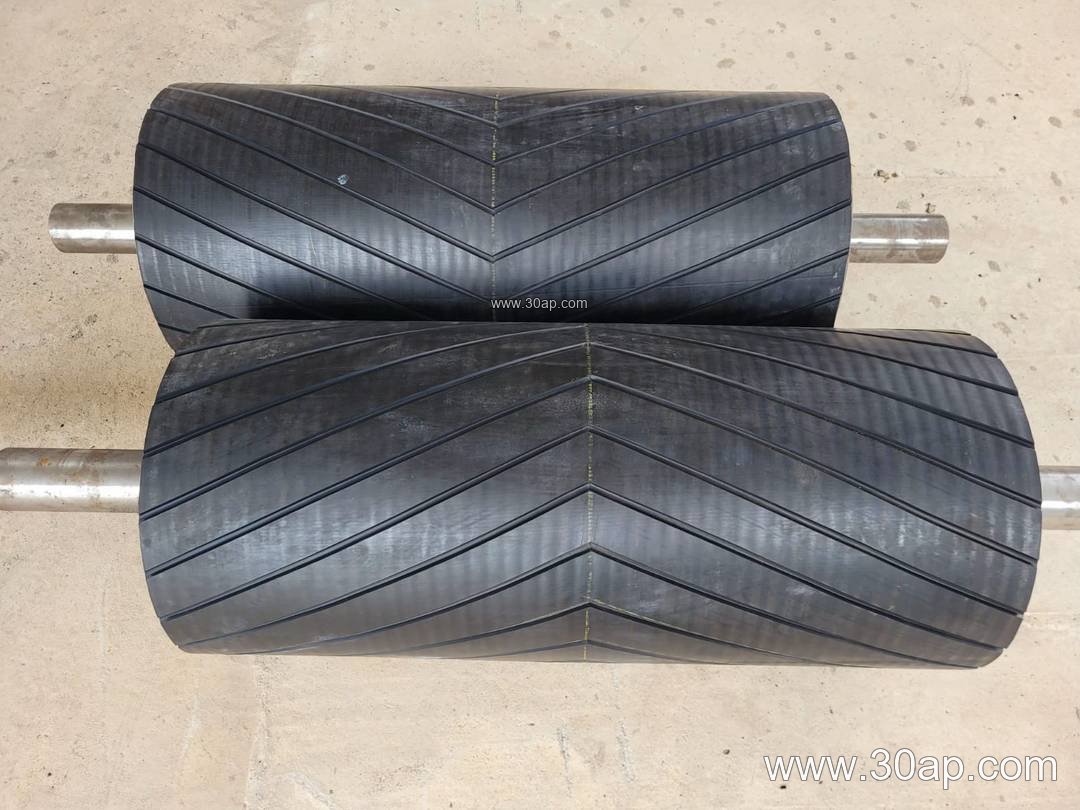
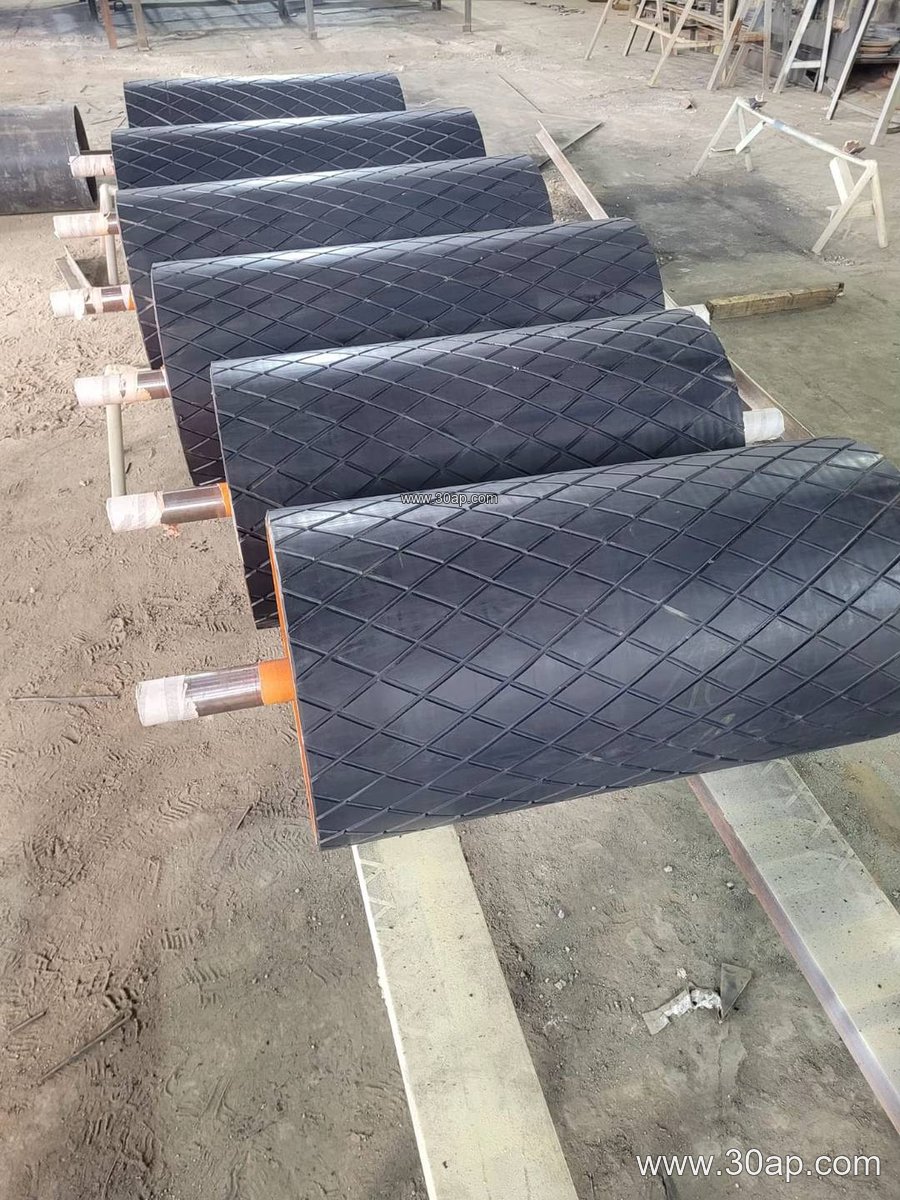
A typical unit includes a welded or rolled steel shell, a through-shaft or stub shaft, spherical roller bearings in cast or fabricated housings, and a lagging surface. The shell is machined for concentricity, and the lagging is applied by hot vulcanizing, cold bonding, or casting. Common surface forms include plain, diamond, herringbone, and ceramic lagging, with lagging thickness often 8, 10, 12, 15, or 20 mm depending on grip and wear requirements.
- Shell and end discs welded and stress-relieved
- Shaft keyed or shrink-fitted to the hub
- Bearing housings bolted to the conveyor bracket or frame
- Lagging selected for grip, abrasion, or material release
Where It Fits in the Plant
In a limestone quarry or aggregate line, the head pulley assembly usually sits above the crusher feed or the transfer chute. In a power plant coal handling system, it drives the belt that feeds the bunker. The assembly must match the conveyor pulley load rating and the belt tension, and it works together with the idler roller set and the conveyor bracket to keep the belt aligned.
Material type matters. A Mining Conveyor Belt carrying sharp rock needs a lagging that resists cutting, while a Heat Resistant Conveyor Belt in a cement plant may require a heat-tolerant surface and bearing clearance. The head pulley does not change the belt specification, but it must be compatible with it.
Common Size References
The table below shows typical reference values, not mandatory combinations. Final dimensions are set by torque, belt tension, and shaft load.
| Belt width | Typical pulley face width | Example diameter |
|---|---|---|
| B400 | about 500 mm | Ø200 to Ø400 |
| B650 | about 750 mm | Ø315 to Ø500 |
| B800 | about 950 mm | Ø400 to Ø630 |
| B1000 | about 1150 mm | Ø500 to Ø800 |
| B1200 | about 1400 mm | Ø630 to Ø1000 |
| B1400 | about 1600 mm | Ø800 to Ø1250 |
| B1600 | about 1800 mm | Ø1000 to Ø1400 |
| B1800 | about 2000 mm | Ø1250 to Ø1600 |
Common shaft diameters include Ø80, Ø100, Ø120, Ø140, Ø160, Ø180, and Ø200. Shaft size follows torque and bearing load, not belt width alone. A B1200 × Ø1000 unit and a B800 × Ø500 unit are both realistic, but so are other pairings.
Buyer Checklist
- Confirm the belt width and the required face width, since the shell is usually wider than the belt.
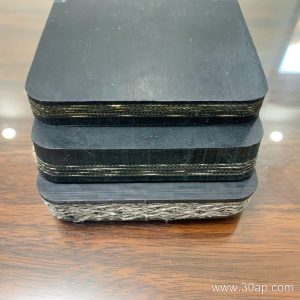
- State the belt type, such as EP Conveyor Belt or Steel Cord Conveyor Belt, because tension and splice type affect shaft load.
- Specify lagging form and thickness for the duty, and whether a plain or ceramic surface is preferred.
- Check bearing type, housing mounting, and alignment with the conveyor bracket.
- Ask for the balancing grade and runout tolerance for high-speed drives.
- Plan lifting points and access for lagging replacement.
Maintenance Notes
Inspect lagging wear at the discharge side, where abrasive material concentrates. Check bearing temperature and grease condition on a regular schedule. Misalignment between the head pulley assembly and the belt path causes edge wear and tracking problems, so verify frame squareness after any rebuild. For a Flame Retardant Conveyor Belt in an underground coal mine, keep the assembly area clear of spilled coal and dust to reduce fire risk.
Choose the assembly by load and duty rather than by a single size, and confirm every interface with the belt, idlers, and frame before ordering.