What an Adjustable Conveyor Bracket Does
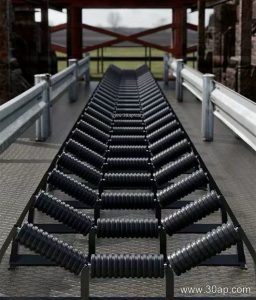
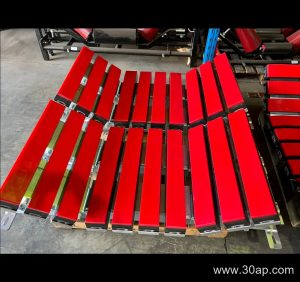
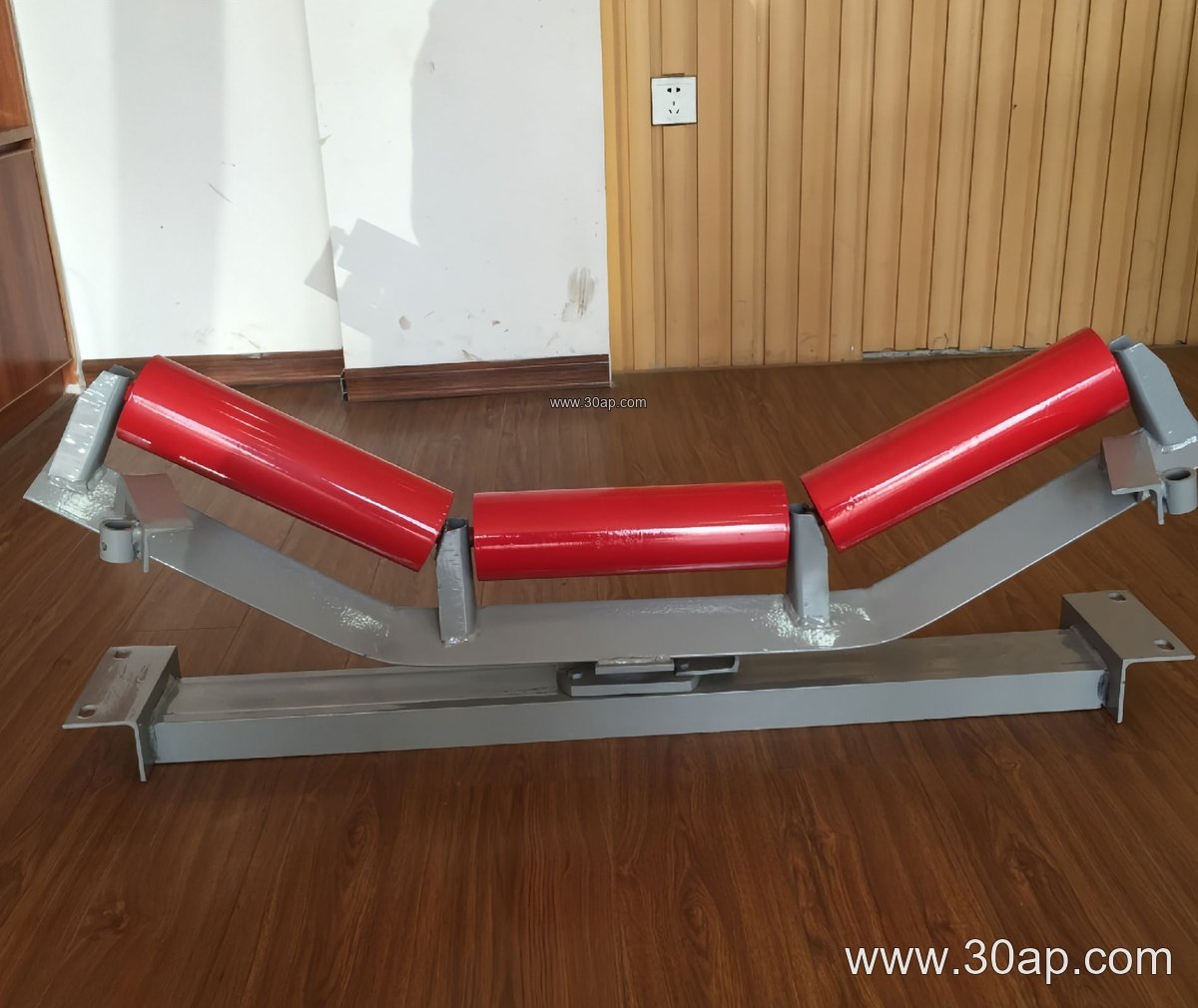
An adjustable conveyor bracket is the support component that holds carrying idlers at a working trough angle while letting maintenance teams change that angle when the material or belt condition calls for it. Instead of welding a fixed frame at one setting, the bracket uses slotted or pivoting mounting points so the same support position can run at 20, 30, 35 or 45 degrees. On a quarry or sand and gravel line, this flexibility matters when a rubber conveyor belt is replaced with a stiffer fabric core type, or when spillage suggests the trough should be opened or closed slightly.
The bracket is not a pulley and should never be confused with one. Drive pulleys, tail pulleys and bend pulleys transmit or redirect belt tension, while the adjustable bracket only positions idlers beneath the carrying run. It works together with the idler roller, the conveyor belt and the surrounding conveyor bracket frame.
Construction and Adjustment Features
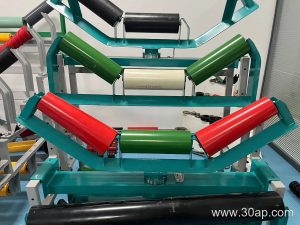
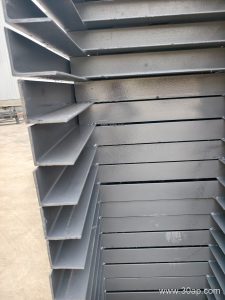
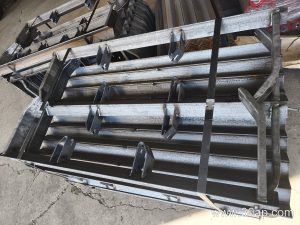
Most units are fabricated from angle steel, channel steel or folded steel plate, with the two side arms connected by a cross beam. The arms carry slots or a set of holes that allow the side idlers to tilt toward the centre roller. A locking bolt or clamp holds the chosen angle after adjustment. Typical build details include:
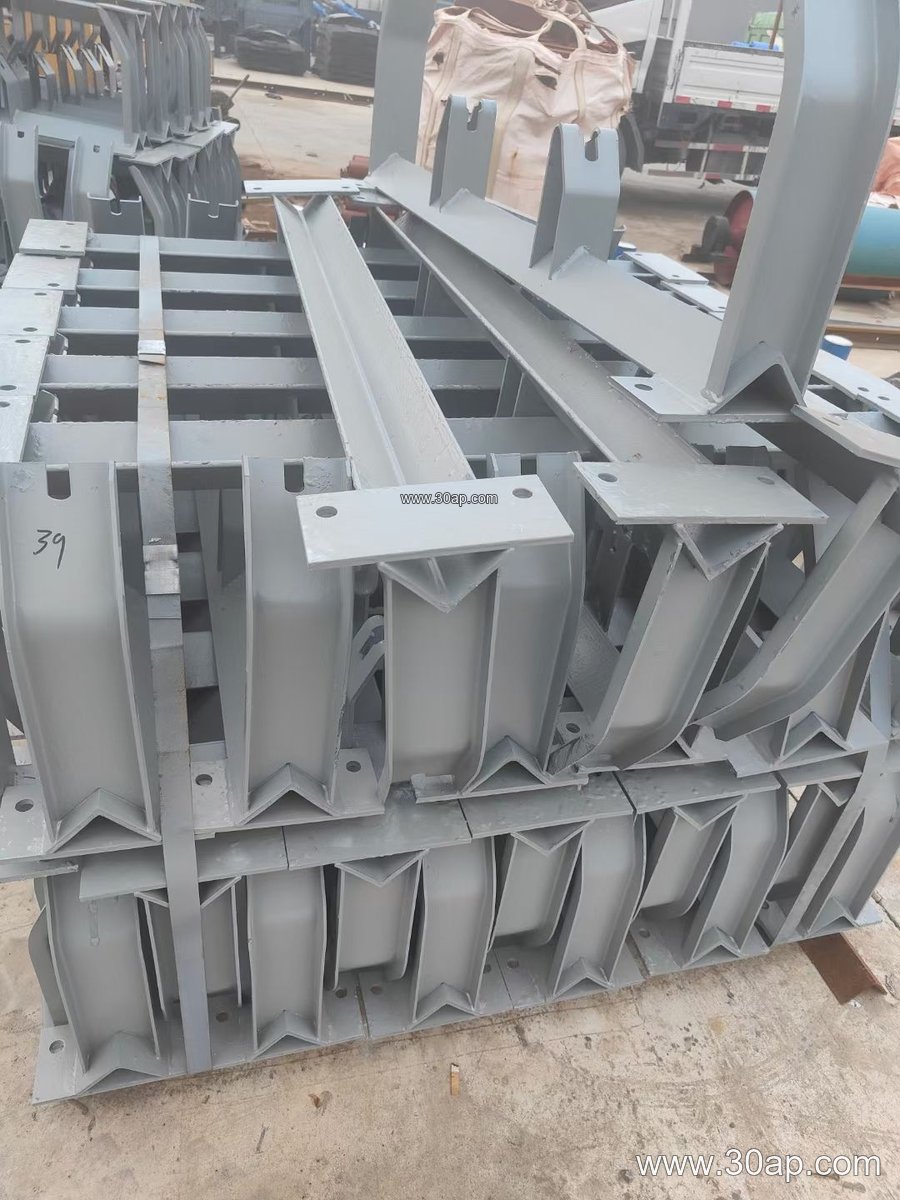
- Slotted side arms for continuous angle setting between common positions
- Reinforced pivot points to resist vibration on loaded strands
- Galvanised or painted finish for dusty, humid or washdown areas
- Mounting hole spacing and beam length sized to the belt width and frame design
Adjustment should be made with the belt stopped and the idlers unloaded. After loosening the locking bolts, both sides are moved equally so the trough stays symmetrical, then the bolts are retightened to the torque given by the bracket supplier.
Where It Fits in a Conveyor Line
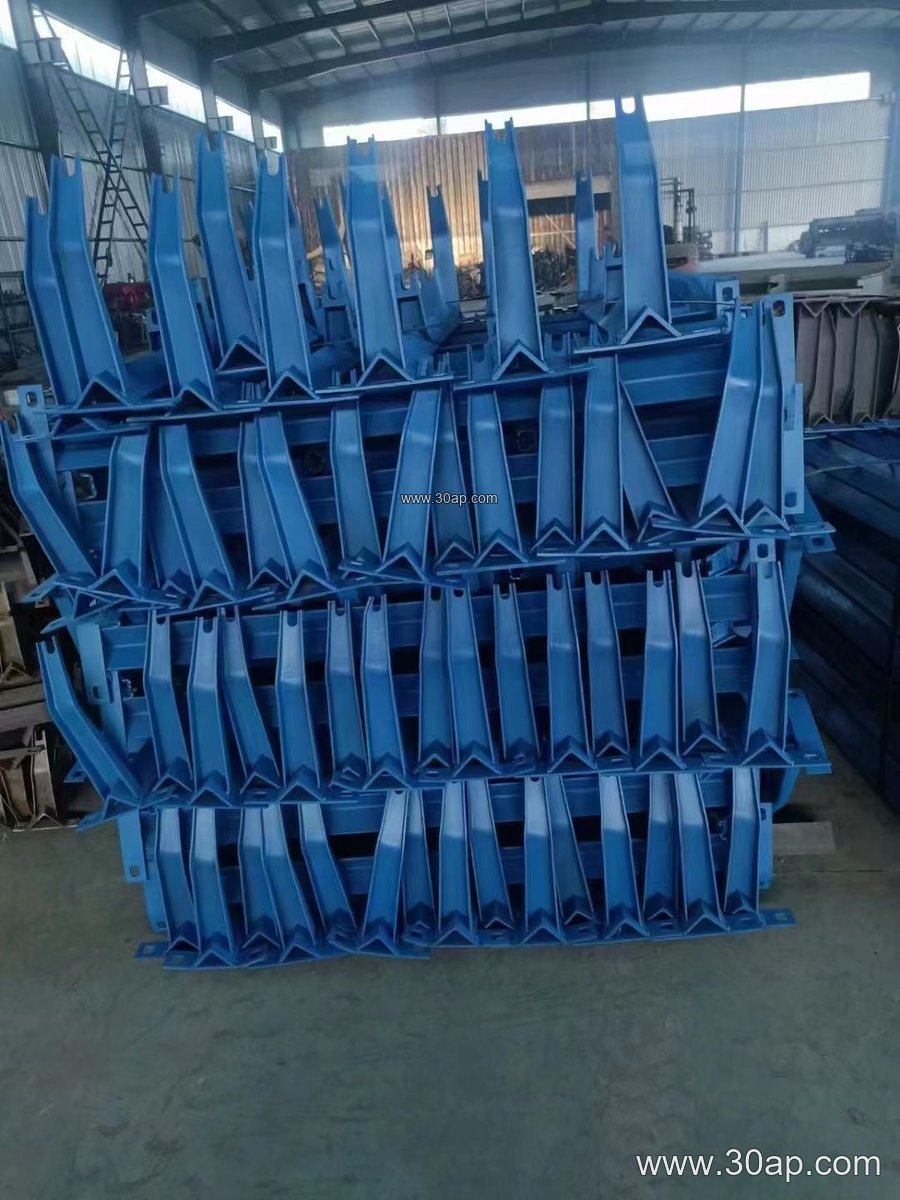
These brackets are common on the carrying side of troughed conveyors in cement plants, power station coal handling, iron ore and copper ore operations, crushing and screening circuits, and fertiliser or grain silo systems. A typical arrangement pairs B800, 35 degree, Ø108 idlers on a medium-duty strand, while a heavier B1200 line may use 45 degree troughing with Ø133 or Ø159 rollers. These are common reference combinations, not fixed rules; the correct match depends on belt width, material lump size, capacity and frame design.
On a coal mining conveyor or underground coal mining conveyor, flame retardant and anti-static belt grades are often specified, and the bracket must suit the same frame geometry. In dusty stone crushing plants, a well-set trough keeps a heavy-duty mining conveyor belt centred and reduces edge wear. The adjustable bracket also pairs naturally with a V-return bracket or plain return bracket on the lower strand, though those are separate support types with their own geometry.
Matching the Bracket to Belt and Idler
Buyers should confirm three things before ordering: the belt width, the intended trough angle range, and the idler diameter. A bracket built for B650, 30 degree, Ø89 service is not the same as one for B1400, 45 degree, Ø159 idlers. The table below shows reference combinations only.
| Belt width | Common trough angle | Typical idler diameter | Typical duty |
|---|---|---|---|
| B500 / B650 | 20 to 30 degrees | Ø89 | Light to medium |
| B800 / B1000 | 30 to 35 degrees | Ø108 / Ø133 | Medium |
| B1200 / B1400 | 35 to 45 degrees | Ø133 / Ø159 | Heavy |
| B1600 to B2200 | 35 to 45 degrees | Ø159 / Ø194 | Extra heavy |
Also check the frame channel size, bolt hole centres, and whether the bracket is for a fixed frame or a retrofittable frame. A supplier should provide a drawing showing the adjustment arc and the locked positions.
Buyer Checklist and Maintenance Notes
Ask for the material thickness, weld quality and surface treatment, since a thin bracket flexes under load and shortens idler life. Confirm that the adjustment range covers the angles you actually need, and that spare locking hardware is available. During service, inspect for loose bolts, deformed slots and corrosion around the pivot, especially in washdown or coastal port environments. Recheck angle settings after the first weeks of operation, because settling can shift the trough and cause belt misalignment.
Used correctly, an adjustable conveyor bracket gives plant teams a practical way to tune trough geometry without cutting and rewelding the frame, keeping the belt, idlers and structure working as one system.