What a Rubber Lagged Pulley Does
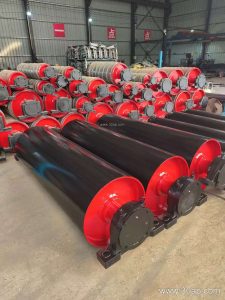
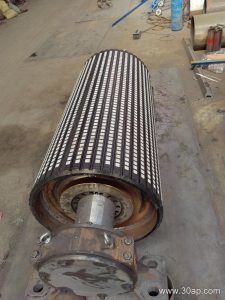
A rubber lagged pulley is a conveyor pulley whose shell is covered with a rubber layer to improve grip between the pulley and the conveyor belt. This covering, often called lagging, raises friction so the drive pulley can transmit torque without excessive belt slip, especially in wet or dusty conditions. The same rubber covering also protects the pulley shell from abrasive wear and can help shed material that would otherwise build up on a bare steel surface. While drive, tail, and bend pulleys serve different roles, the rubber lagged version is most often specified where traction and wear protection matter most.
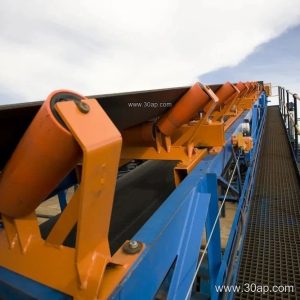
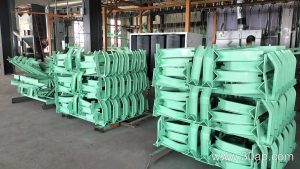
In a typical bulk handling line, the pulley works together with the conveyor belt, idler rollers, and conveyor brackets to keep the system running smoothly. Whether the application is a quarry, a coal preparation plant, or a cement plant, the lagged surface contributes to steadier operation and longer service intervals.
Construction and Surface Options
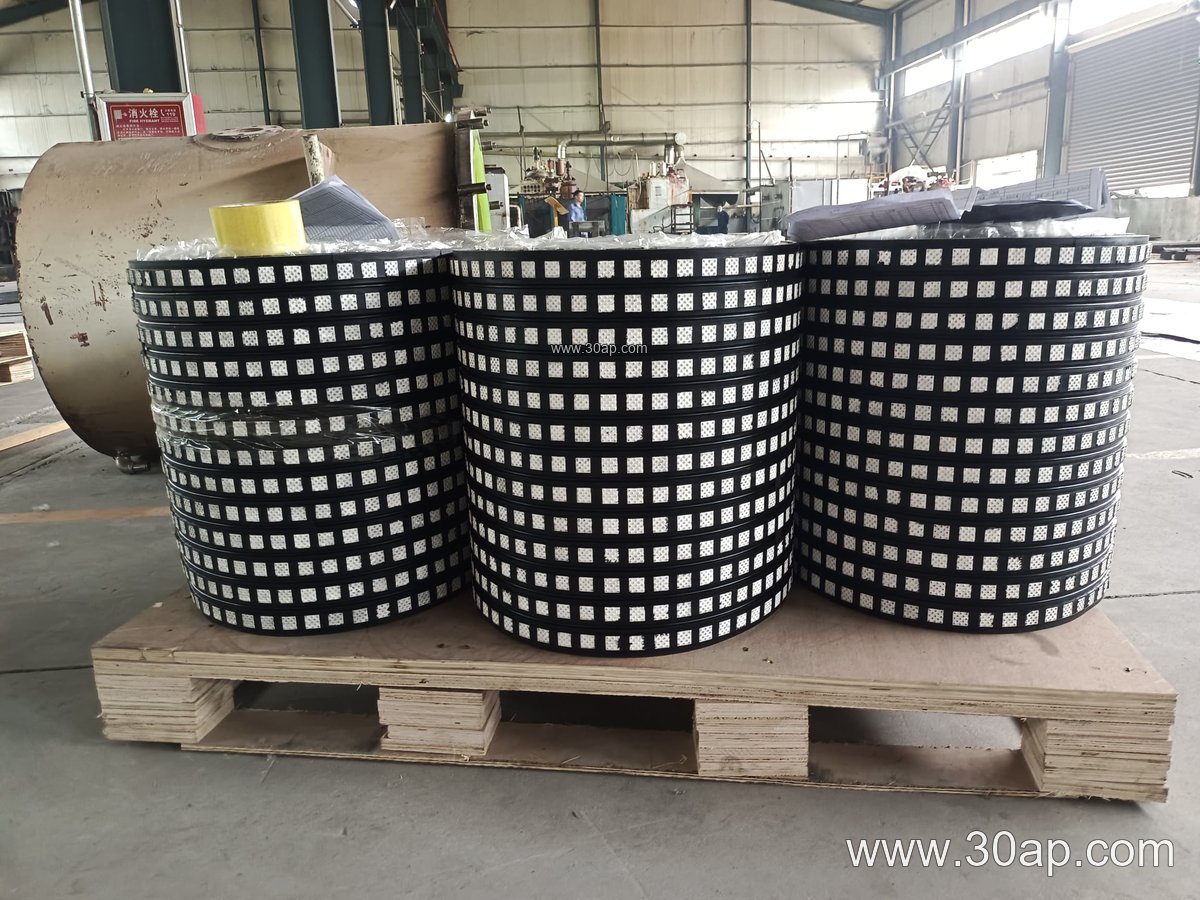
The lagging is usually applied in one of several ways: hot vulcanized rubber, cold bonded rubber, or cast rubber directly on the shell. Hot vulcanized lagging offers a strong bond and is common for heavy-duty drives. Surface patterns include plain, diamond, herringbone, and ceramic embedded forms. Diamond and herringbone profiles help channel water away and improve grip in dirty conditions, while ceramic lagging is chosen for extremely abrasive service.
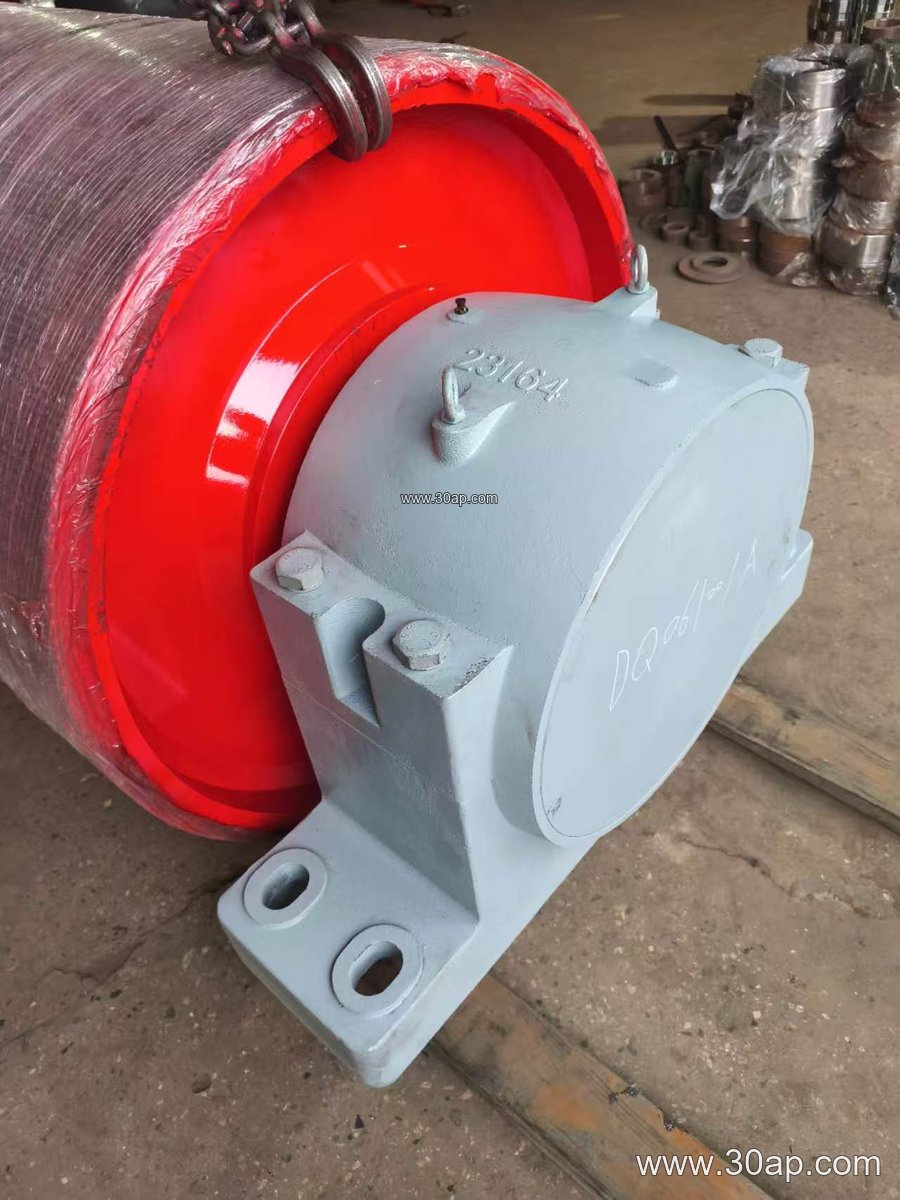
Common lagging thicknesses are 8, 10, 12, 15, and 20 mm, selected according to belt tension, pulley diameter, and the severity of the environment. The pulley shell itself is typically steel, with shaft diameters determined by torque and load rather than by belt width alone. For reference, shaft sizes may range from Ø50 to Ø200 mm in many designs, but each case should be confirmed by the pulley manufacturer.
Where It Fits in the Conveyor
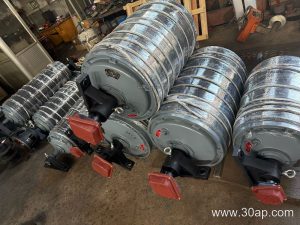
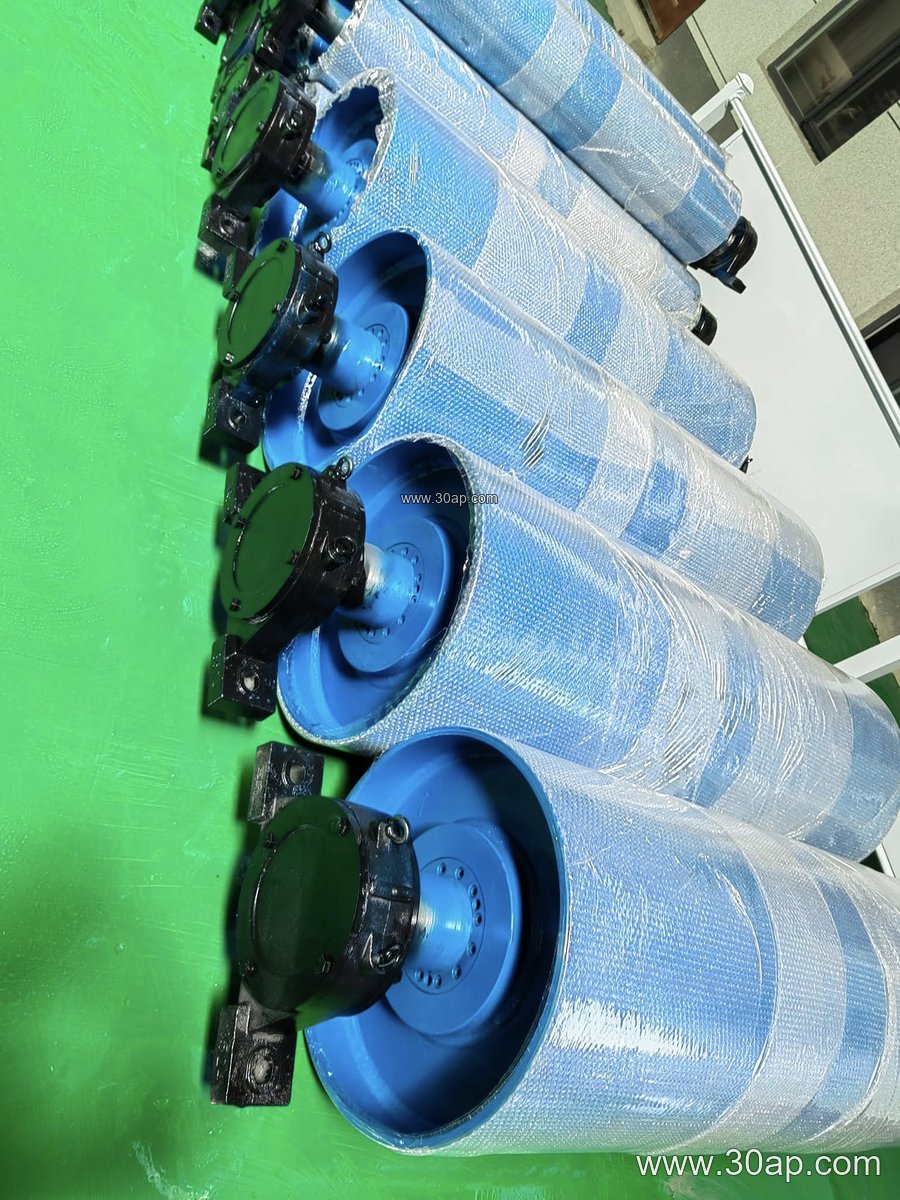
Rubber lagging is frequently used on drive pulleys, head pulleys, and tail pulleys, as well as on tension and snub pulleys where additional grip is beneficial. It is not a substitute for a bend pulley or a wing pulley; those serve different functions. In a typical arrangement, the drive pulley with lagging pulls the belt, the tail pulley redirects it, and bend pulleys guide the return strand. Idler rollers support the belt along the carrying and return runs.
Industries such as mining, coal washing, aggregate production, and power plant coal handling rely on lagged pulleys to maintain traction when belts carry abrasive or moist materials. A rubber lagged pulley is also useful in ship loading and port bulk terminals where dust and humidity are present.
Matching Pulley to Belt and Duty
Selecting a rubber lagged pulley involves more than picking a diameter. The belt width, belt type, and operating tension all influence the pulley face width and shaft size. Pulley face width is usually somewhat larger than the belt width; for example, a B800 belt may use a pulley face around 950 mm, and a B1200 belt may use about 1400 mm. Diameter choices commonly include Ø200, Ø250, Ø315, Ø400, Ø500, Ø630, Ø800, Ø1000, and larger sizes, but no single diameter is mandatory for a given belt width.
The table below gives common reference combinations; actual selection should follow the conveyor design and pulley supplier’s recommendations.
| Belt Width | Typical Pulley Face Width | Common Diameter Range |
|---|---|---|
| B500 | ≈600 mm | Ø200–Ø400 |
| B650 | ≈750 mm | Ø250–Ø500 |
| B800 | ≈950 mm | Ø315–Ø630 |
| B1000 | ≈1150 mm | Ø400–Ø800 |
| B1200 | ≈1400 mm | Ø500–Ø1000 |
| B1400 | ≈1600 mm | Ø630–Ø1250 |
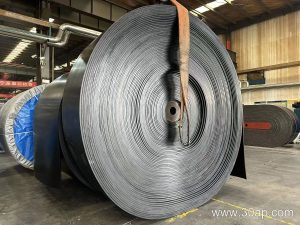
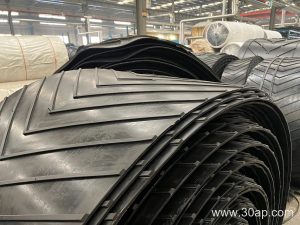
Belt construction also matters. A heavy-duty mining conveyor belt or a steel cord conveyor belt may require a larger pulley diameter to limit bending stress, while a fabric core conveyor belt may work with a smaller pulley. For abrasive duties, an abrasion resistant conveyor belt paired with adequate lagging can extend pulley life. In coal mines, a flame retardant conveyor belt is often used, and the pulley lagging should be compatible with the intended safety requirements.
Buyer Checklist
- Confirm the pulley’s position and duty: drive, tail, tension, or snub.
- Specify belt width and type, such as EP conveyor belt or steel cord conveyor belt.
- Choose lagging thickness and pattern based on grip and wear needs.
- Verify shaft diameter by torque calculation, not by belt width alone.
- Check compatibility with the conveyor belt and the surrounding components, including idler rollers and conveyor brackets.
For more information on related conveyor components, visit our conveyor pulley and conveyor belt pages.