What a Rubber Disc Return Idler Does
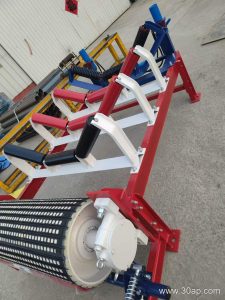
A rubber disc return idler is a return-side roller built with a steel core and a series of rubber discs pressed onto the shaft. It supports the empty carrying run of a conveyor belt and, at the same time, knocks loose material off the belt surface. The flexible rubber rings cushion impact, damp vibration and reduce the build-up of sticky fines that would otherwise cling to a plain steel roller. In plants handling abrasion resistant conveyor belt grades, this self-cleaning action keeps the return strand lighter and the belt tracking steadier.
Because the discs are spaced along the shaft rather than forming one continuous shell, the roller is often called a rubber ring return roller or disc return roller. All three names describe the same component.
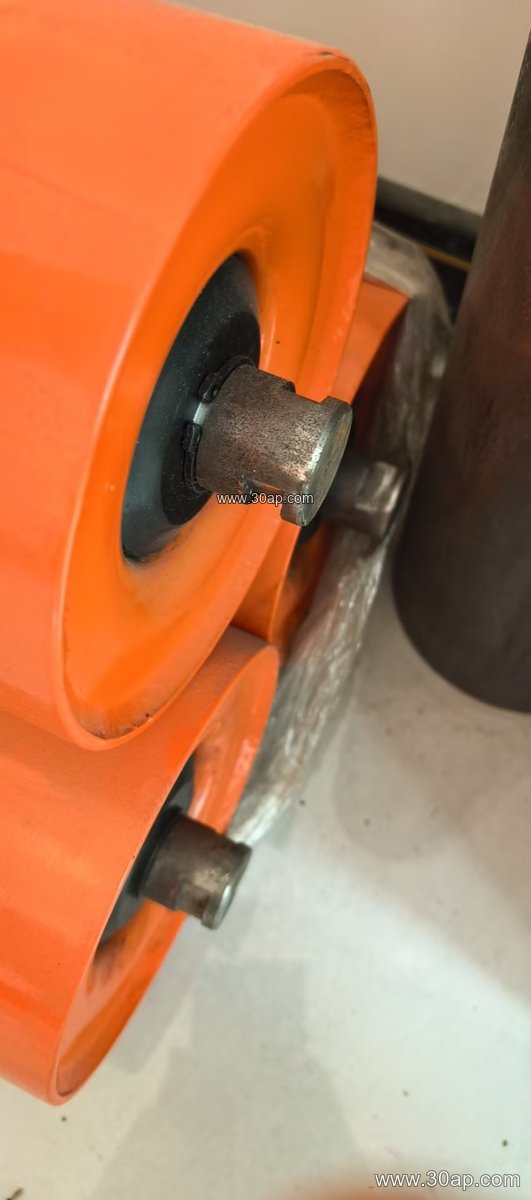
How the Idler Is Built
The body usually starts as a steel tube or a machined shaft, fitted with sealed bearings at each end. Rubber discs, commonly 30 mm to 60 mm thick, are stacked at intervals and clamped between end plates. The number and spacing of the discs affect flexibility and cleaning performance.
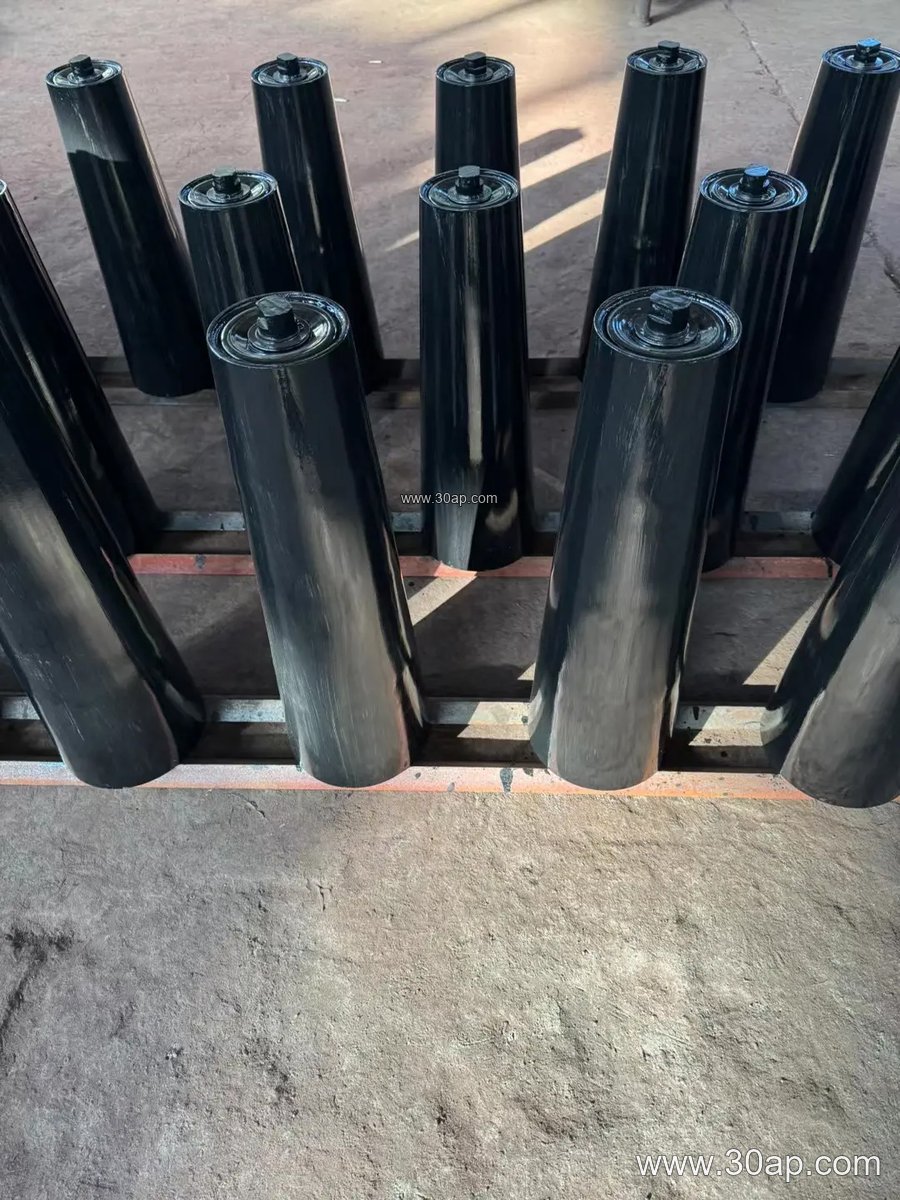
- Bearing housings are normally sealed on both sides to keep out dust and water.
- Common bearing sizes include 6204, 6205, 6305, 6306, 6308 and 6310, selected by load and shaft design rather than by belt width alone.
- Typical roller diameters run from Ø89 to Ø159 mm for return service, with larger sizes used on heavy belts.
- Disc hardness is chosen to suit the material: softer rubber for sticky loads, firmer compounds for sharp aggregate.
The shaft ends fit standard conveyor bracket slots, so the idler can replace a plain flat return roller without frame modification in most cases.
Where It Fits on the Conveyor
The unit sits under the belt on the return run, usually spaced every 2.5 to 3.5 m, closer where material tends to stick. It is not a substitute for a drive pulley, tail pulley or bend pulley; those are different components with different duties. Nor does it replace a troughing idler on the carrying side, although a V-type return roller may be used alongside it where belt training is a concern.
Typical installations include:
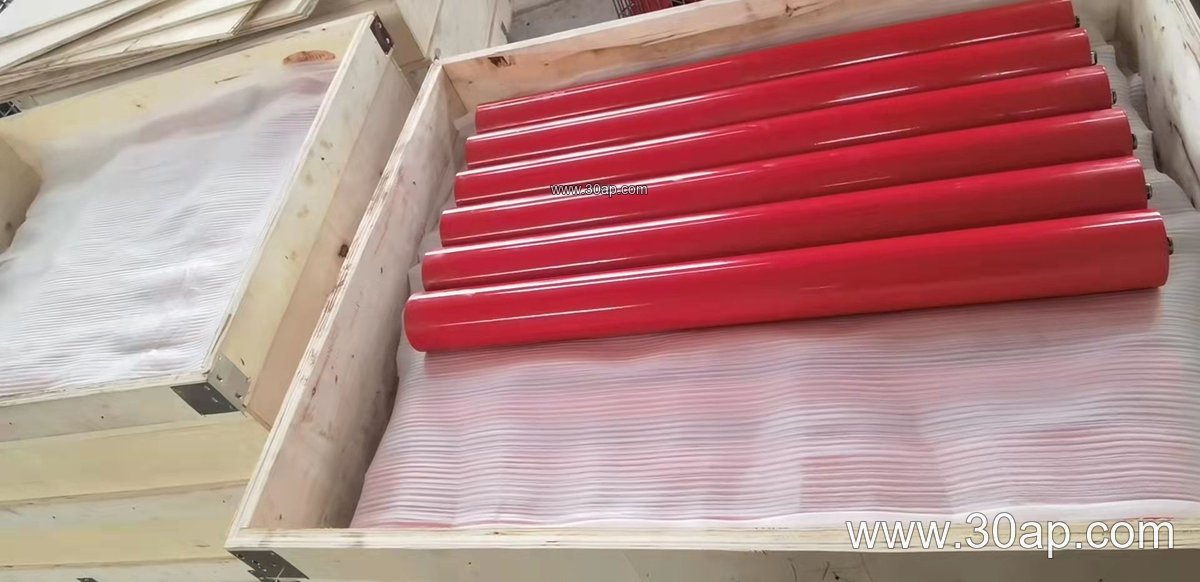
- Coal handling and washing plants, where fine coal and mud cling to the belt
- Cement and lime plants, with dusty, slightly moist feed
- Quarries and aggregate lines feeding crushers and screens
- Power station coal yards and steel plant sinter lines
On a system running a flame retardant conveyor belt underground, the rubber discs should be matched with a fire-resistant compound to keep the whole return run consistent.
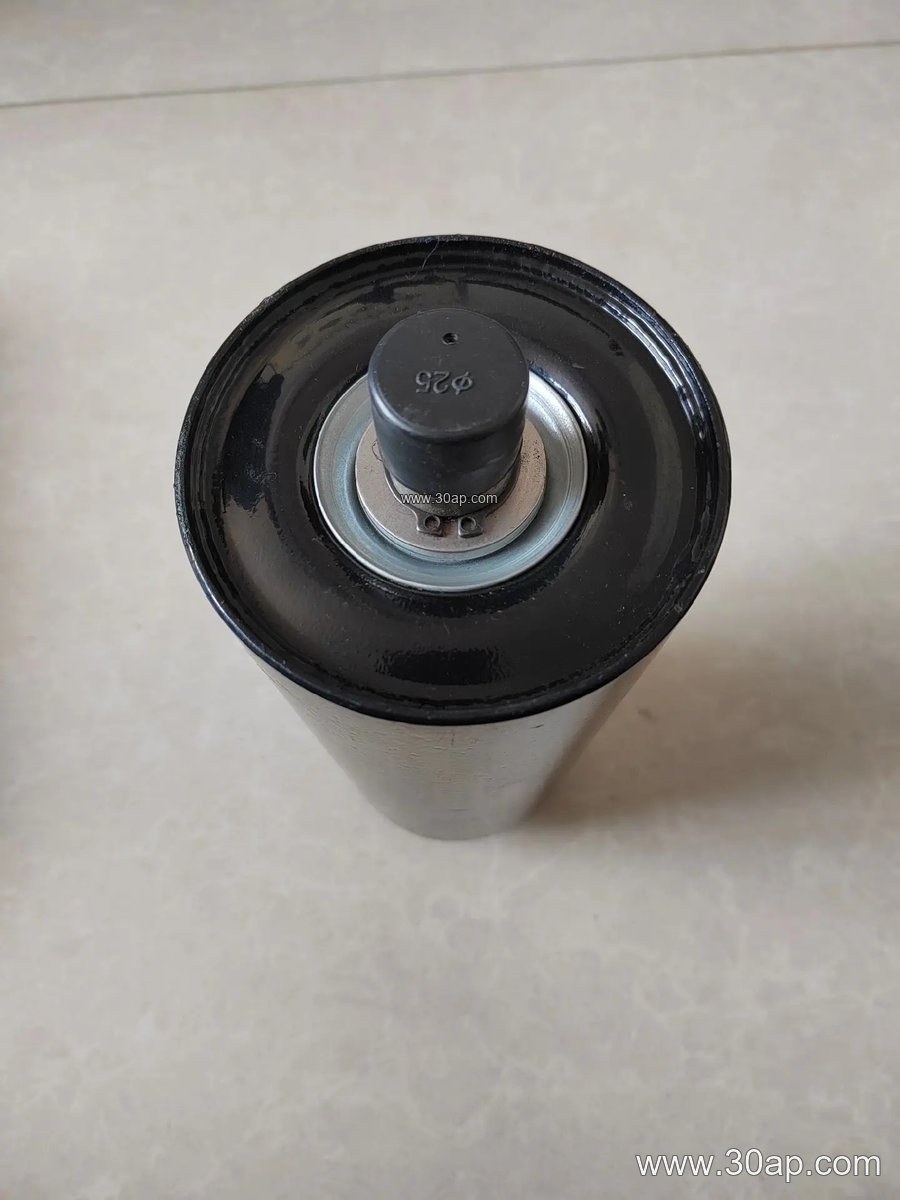
Common Sizes and Reference Data
The table below gives indicative combinations. Actual roller length depends on belt width, trough angle and idler arrangement, so treat these as reference values, not fixed specifications.
| Belt width | Typical roller diameter | Indicative roller length | Bearing options |
|---|---|---|---|
| B500 | Ø89 mm | about 200 mm | 6204 / 6205 |
| B650 | Ø89–Ø108 mm | about 250 mm | 6205 / 6305 |
| B800 | Ø108 mm | about 315 mm | 6305 / 6306 |
| B1000 | Ø108–Ø133 mm | about 380 mm | 6306 / 6308 |
| B1200 | Ø133 mm | about 465 mm | 6308 |
| B1400 | Ø133–Ø159 mm | about 530 mm | 6308 / 6310 |
| B1600 | Ø159 mm | about 600 mm | 6310 |
| B1800 | Ø159–Ø178 mm | about 670 mm | 6310 |
Disc count, disc thickness and rubber grade are usually agreed with the supplier. A roller for a heavy duty conveyor belt handling iron ore will need a tougher disc compound than one serving a light packaging line.
Buyer Checklist
- Confirm shaft diameter and bracket slot size, not just belt width.
- State the material being carried, its moisture and temperature, so the rubber compound can be chosen.
- Check whether the belt is a steel cord conveyor belt or a fabric type, since edge stiffness affects return roller spacing.
- Ask for the disc hardness and the bearing seal class in writing.
- Plan inspection intervals; worn or missing discs reduce cleaning effect and can damage the belt edge.
Replacing a flat return roller with a rubber disc return idler is a small change that often pays back through cleaner return strands, less spillage and quieter operation.