What a Vertical Idler Bracket Does on a Conveyor
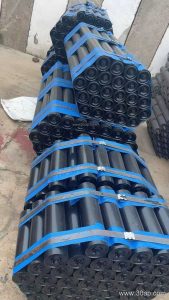
A vertical idler bracket is the upright support element that holds an idler roller in a fixed position relative to the conveyor frame. Instead of mounting every roller on a horizontal crossbeam, the vertical bracket rises from the stringer or base frame and presents the roller at the height and angle the belt profile requires. In practice, this component is often called a vertical idler stand or vertical roller bracket, and the two names describe the same part. It is common on return-side installations, at transition zones, and wherever a compact, elevated roller mounting is preferred over a conventional bracket sitting flat on the frame.
The bracket works together with the conveyor bracket system, the idler roller, and the belt itself. A poorly aligned vertical stand shows up quickly as edge wear, tracking drift, or noise, so the part deserves more attention than its simple appearance suggests.
Construction and Mounting Details
Most vertical idler brackets are fabricated from angle steel, channel steel, or folded steel plate. The upright section carries a slot or a set of holes for the idler shaft, while the foot plate bolts to the conveyor stringer. Adjustable versions use a slotted upright or a pivoting head so the roller height or tilt can be set on site. Fixed versions are drilled to a single position and are chosen when the belt line is already engineered and no field adjustment is expected.
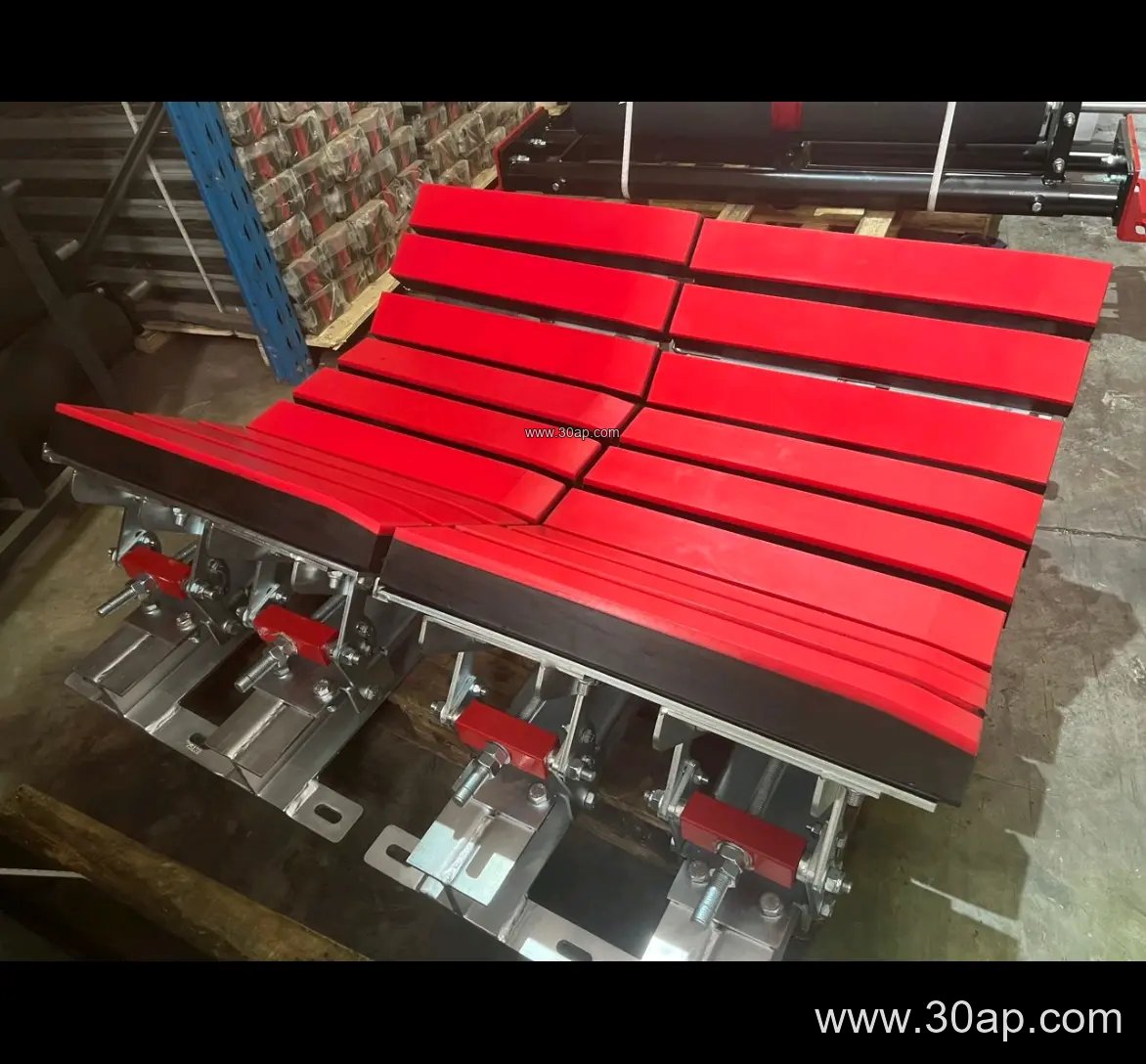
- Upright material: angle steel, channel steel, or folded plate
- Mounting: bolted foot plate or welded base, depending on frame design
- Adjustment: fixed hole pattern or slotted adjustable head
- Finish: painted or galvanized, matched to the site environment
Hole spacing and upright height are not universal. They follow the belt width, the trough angle, and the roller diameter selected for the run, so a bracket drawing should always be read against the actual frame layout.
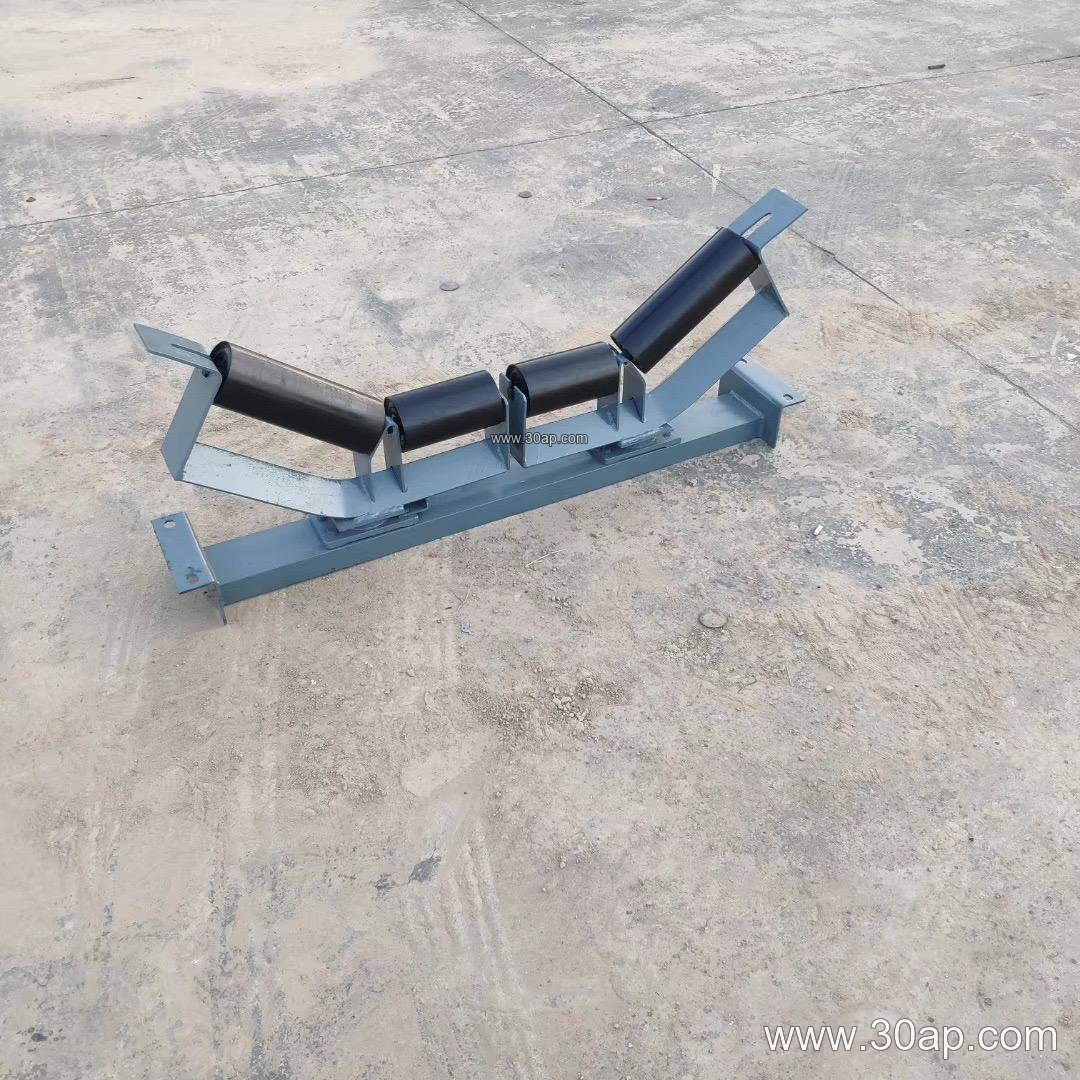
Where Vertical Stands Fit in a Conveyor Line
These brackets appear in bulk handling plants of many kinds. In a limestone quarry or a sand and gravel line, they are often used on the return run to keep the belt clear of build-up on the frame. In a coal washing plant or a power station coal yard, a vertical bracket may support a training roller near a transfer point where the belt needs firm lateral guidance. Cement plants, steel sinter lines, and port shiploading systems use them in similar ways.
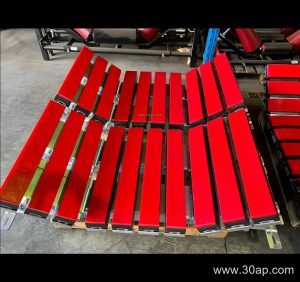
They are not a substitute for other support types. A troughing bracket carries the loaded side of the belt at 20, 30, 35, or 45 degrees; a V-return bracket supports the empty side in a V shape; an impact bracket sits under a loading point with cushion rollers. The vertical stand is chosen when the design calls for an upright, compact mounting rather than these horizontal arrangements.
Matching the Bracket to Belt Width and Roller Size
Belt width and roller diameter are usually selected together with the bracket. Common belt widths include B500, B650, B800, B1000, B1200, B1400, B1600, B1800, B2000, B2200, and roller diameters such as Ø89, Ø108, Ø133, Ø159, and Ø194. These are reference ranges, not fixed pairings; a B800 run may use Ø108 in one plant and Ø133 in another depending on load and speed. The table below shows typical combinations only as an illustration of how the data is organized.
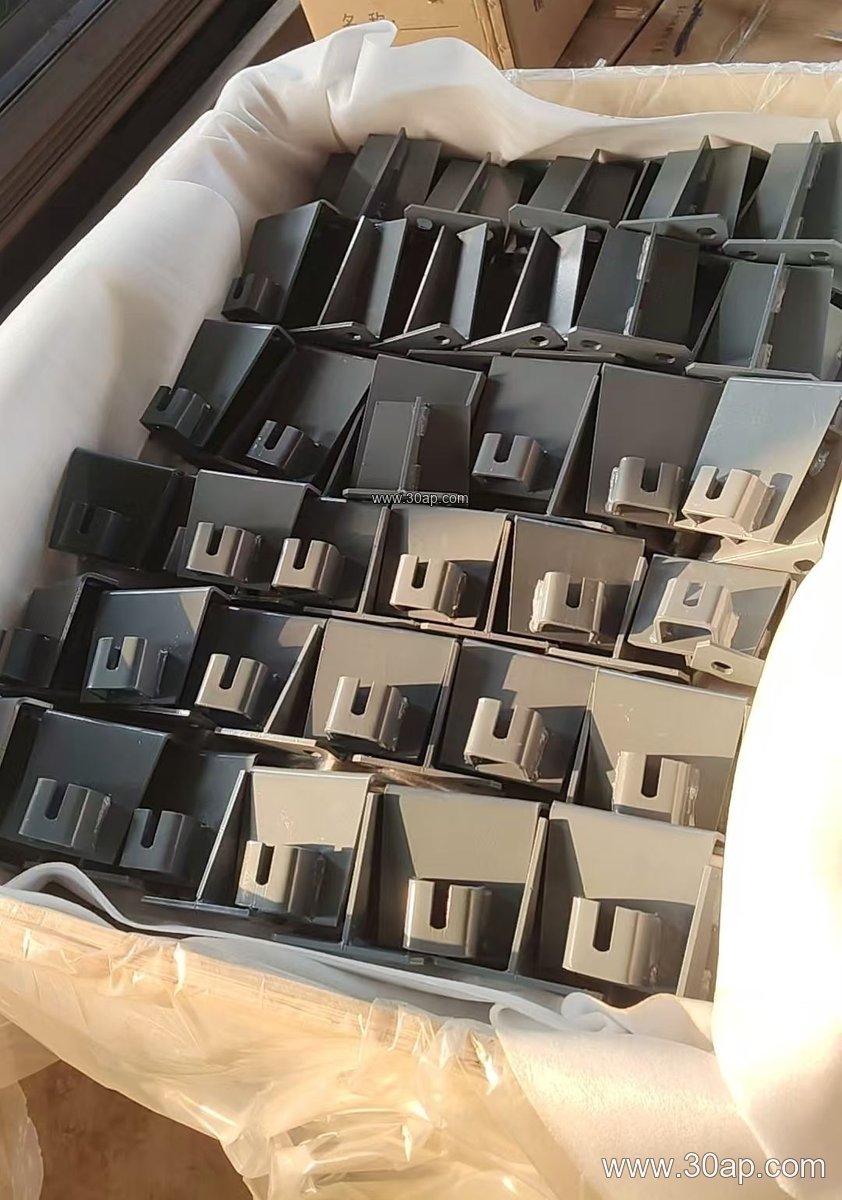
| Belt Width | Typical Trough Angle | Common Roller Diameter | Bracket Note |
|---|---|---|---|
| B500 | 20–30 degrees | Ø89 | Light frame, fixed stand |
| B650 | 30 degrees | Ø89–Ø108 | Fixed or adjustable |
| B800 | 35 degrees | Ø108 | Adjustable head common |
| B1000 | 35 degrees | Ø108–Ø133 | Reinforced foot plate |
| B1200 | 45 degrees | Ø133 | Heavy stringer mounting |
| B1400 | 35–45 degrees | Ø133–Ø159 | Adjustable or fixed |
| B1600 | 35–45 degrees | Ø159 | Heavy-duty fabrication |
| B1800 | 35–45 degrees | Ø159–Ø194 | Custom hole spacing |
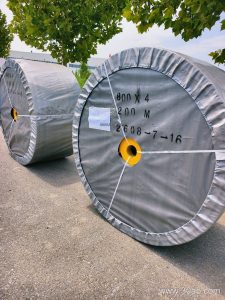
When the conveyor carries a heavy-duty mining conveyor belt or a high abrasion resistant conveyor belt, the bracket should be sized for the added roller load rather than copied from a lighter line. On a long overland run with a steel cord conveyor belt, the return stands are spaced according to sag limits, and the bracket must hold that spacing without flexing.
Buyer Checklist Before Ordering
Confirm the belt width and the frame stringer dimensions first, because the foot plate and hole pattern depend on them. Then confirm the roller diameter and shaft end shape, since the upright slot must accept the shaft without play. State whether the bracket is fixed or adjustable, and if adjustable, which range of trough angles or tilt the site needs. Ask for the material and finish, especially in wet or corrosive plants such as a wash box area or a fertilizer shed.
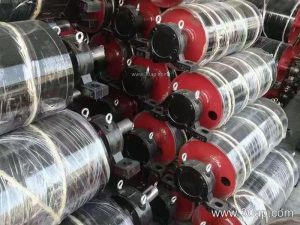
Finally, request a dimensioned drawing rather than a generic photo. The drawing should show upright height, hole spacing, and base length. A bracket that fits one frame rarely fits another without checking. For related support hardware, see our conveyor pulley and idler roller ranges, and match every stand to the belt and roller actually installed.