What a Conveyor Rubber Lagged Pulley Does
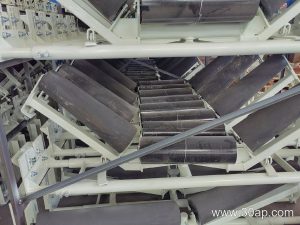
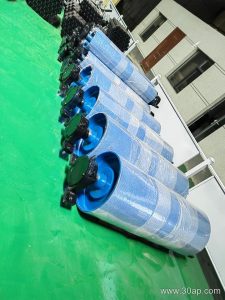
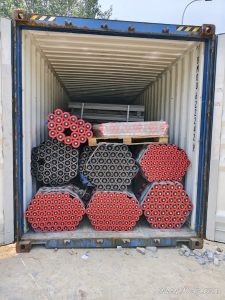
A conveyor rubber lagged pulley is a conveyor pulley whose shell is covered with a rubber layer, usually bonded by hot vulcanization or cold adhesive. The rubber increases friction between the pulley and the belt, protects the shell from wear, and helps shed dust and moisture. In a drive position, this lagging is what lets the pulley transmit torque without belt slip; in a tail or bend position, it mainly reduces wear and keeps the belt tracking more predictably. It works together with the conveyor belt, idler rollers and conveyor brackets to keep a line running smoothly.
The same product is also called a rubber lagged conveyor pulley or a lagged drum pulley. Drive, tail and bend pulleys are different positions with different duties, and they should not be treated as interchangeable.
How the Lagging Is Built
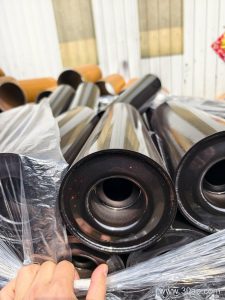
Most lagged pulleys start with a welded steel shell, shaft, hubs and end discs. The rubber is then applied in one of several forms:
- Plain or flat rubber lagging for general grip
- Diamond pattern lagging for water and fine dust shedding
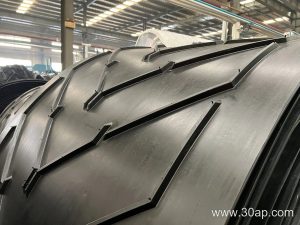
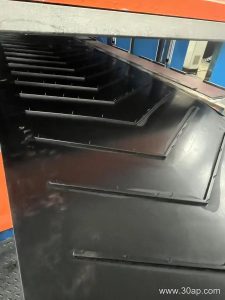
- Herringbone lagging for better traction in one or both directions
- Ceramic lagging for very abrasive, high-torque duty
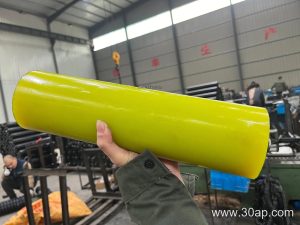
Common lagging thicknesses are 8, 10, 12, 15 and 20 mm, chosen according to torque, belt speed and material conditions. A thicker layer is not automatically better; too soft or too thick a cover can deform and wear faster under heavy load.
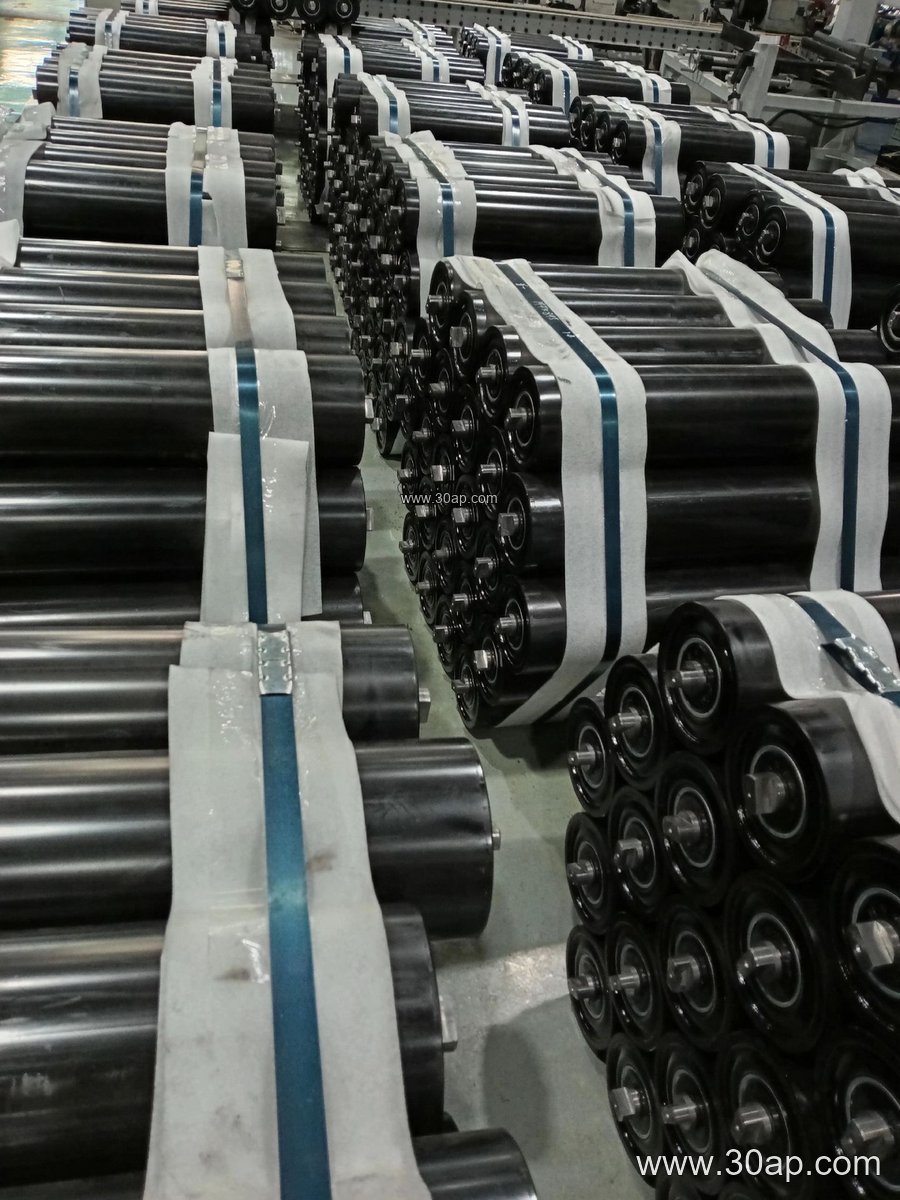
Where It Fits in the Conveyor
This pulley appears in quarries, limestone mines, iron ore and copper ore plants, coal washing plants, cement clinker lines, power plant coal handling, port bulk terminals and crushing and screening circuits. In a drive pulley position, the lagged surface is essential for transferring power from the gearbox to the belt. A tail pulley with lagging mainly helps with belt wrap and wear resistance. A bend or snub pulley may use a thinner cover to guide the belt without adding unnecessary weight.
For heavy-duty mining conveyor belts and abrasive aggregate conveyor belts, the lagging is often specified together with an abrasion resistant conveyor belt so that both friction and wear life are balanced. In coal mining and underground coal mining, flame retardant conveyor belt grades are usually paired with lagging materials that meet the same fire-safety expectations.
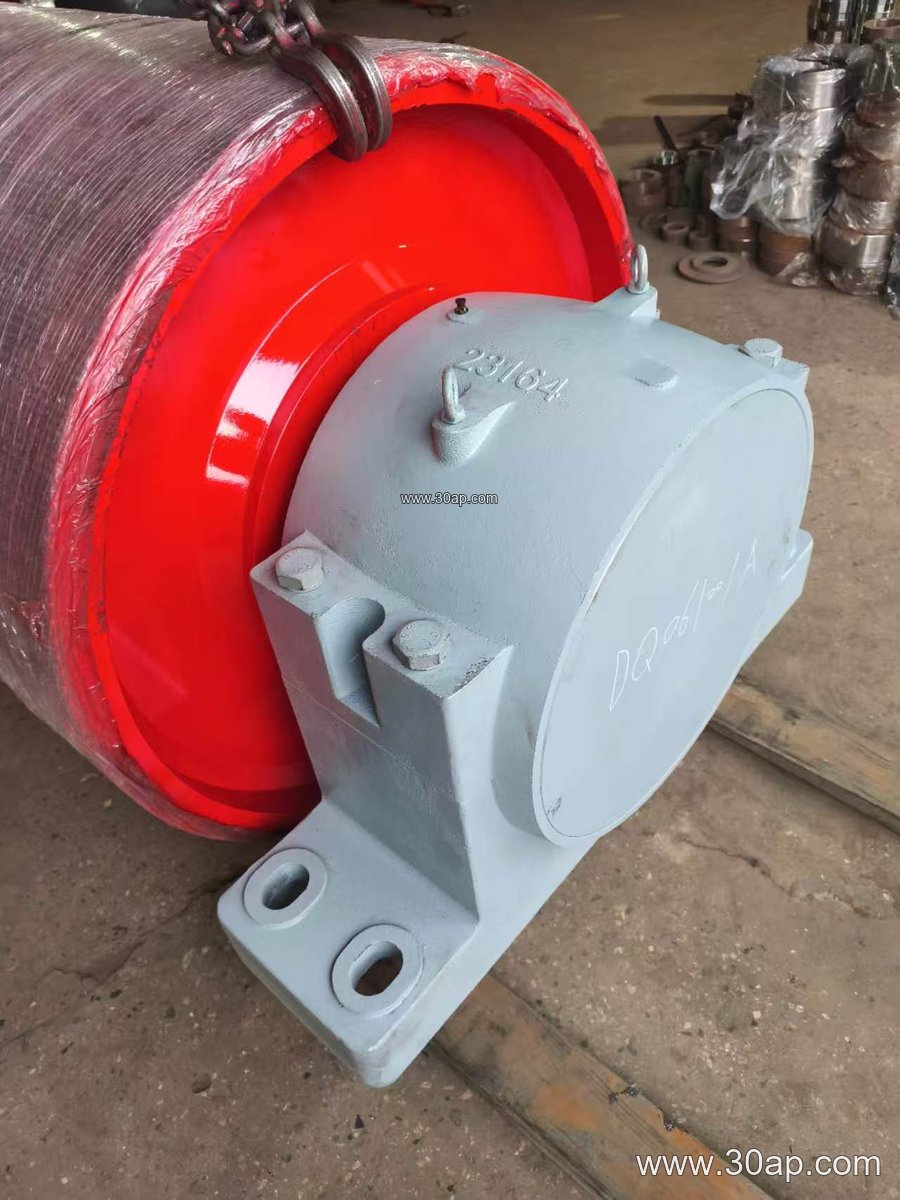
Matching Pulley Dimensions to the Belt
Pulley face width is normally a little wider than the belt. The table below shows common reference combinations; these are examples, not fixed rules, and the final diameter should follow belt tension, wrap angle and shaft load calculations.
| Belt width | Typical pulley face width | Example pulley diameter |
|---|---|---|
| B400 | about 500 mm | Ø200 – Ø315 |
| B500 | about 600 mm | Ø250 – Ø400 |
| B650 | about 750 mm | Ø315 – Ø500 |
| B800 | about 950 mm | Ø400 – Ø630 |
| B1000 | about 1150 mm | Ø500 – Ø800 |
| B1200 | about 1400 mm | Ø630 – Ø1000 |
| B1400 | about 1600 mm | Ø800 – Ø1250 |
| B1600 | about 1800 mm | Ø1000 – Ø1400 |
| B1800 | about 2000 mm | Ø1250 – Ø1600 |
| B2000 | about 2200 mm | Ø1400 – Ø1800 |
Shaft diameter is determined by torque and bearing load, not by belt width alone. Common shaft sizes include Ø50, Ø60, Ø70, Ø80, Ø90, Ø100, Ø120, Ø140, Ø160, Ø180 and Ø200 mm. A B1200 × Ø1000 drive pulley and a B800 × Ø500 tail pulley may both be correct on different conveyors.
What Buyers Should Check
Before ordering, confirm the pulley position (drive, tail, bend, take-up or snub), the belt width, the required face width, the shell diameter, the shaft diameter, the bearing type, the lagging pattern and thickness, and the balancing class. Ask how the lagging is bonded, since hot vulcanized rubber generally gives a stronger bond than cold adhesive. For food or clean-duty lines, check whether a food grade conveyor belt and a suitable lagging compound are needed. For high-temperature positions, verify that the lagging can tolerate the surrounding heat, especially near a heat resistant conveyor belt or a high temperature conveyor belt section.
Also consider the material being carried. Sharp rock and ore favor thicker, harder lagging; wet, fine material favors diamond or grooved patterns; oily or chemical environments may call for oil resistant or chemical resistant belt grades and compatible rubber. Matching the conveyor rubber lagged pulley to the belt, idler roller set and conveyor bracket layout at the design stage avoids premature belt slip and shell wear later.