What a Conveyor Support Bracket Does on the Line
A conveyor support bracket is the steel interface between the conveyor frame and the idler roller that carries the belt. It holds each roller at the correct height, angle and spacing so the conveyor belt runs straight, keeps its trough shape and does not rub against the structure. In a quarry, a coal handling plant or a cement kiln line, these brackets are repeated hundreds of times along the run, and small alignment errors add up quickly into belt tracking problems and premature wear.
The bracket is a simple part, but it is not a generic one. Its hole spacing, crossbeam length and trough angle must match the belt width and the roller diameter chosen for that section of the conveyor. A bracket that fits a B800 frame will not fit a B1200 frame, and a 35 degree trough set is not interchangeable with a 45 degree set.
How the Bracket Is Built
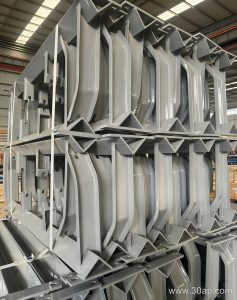
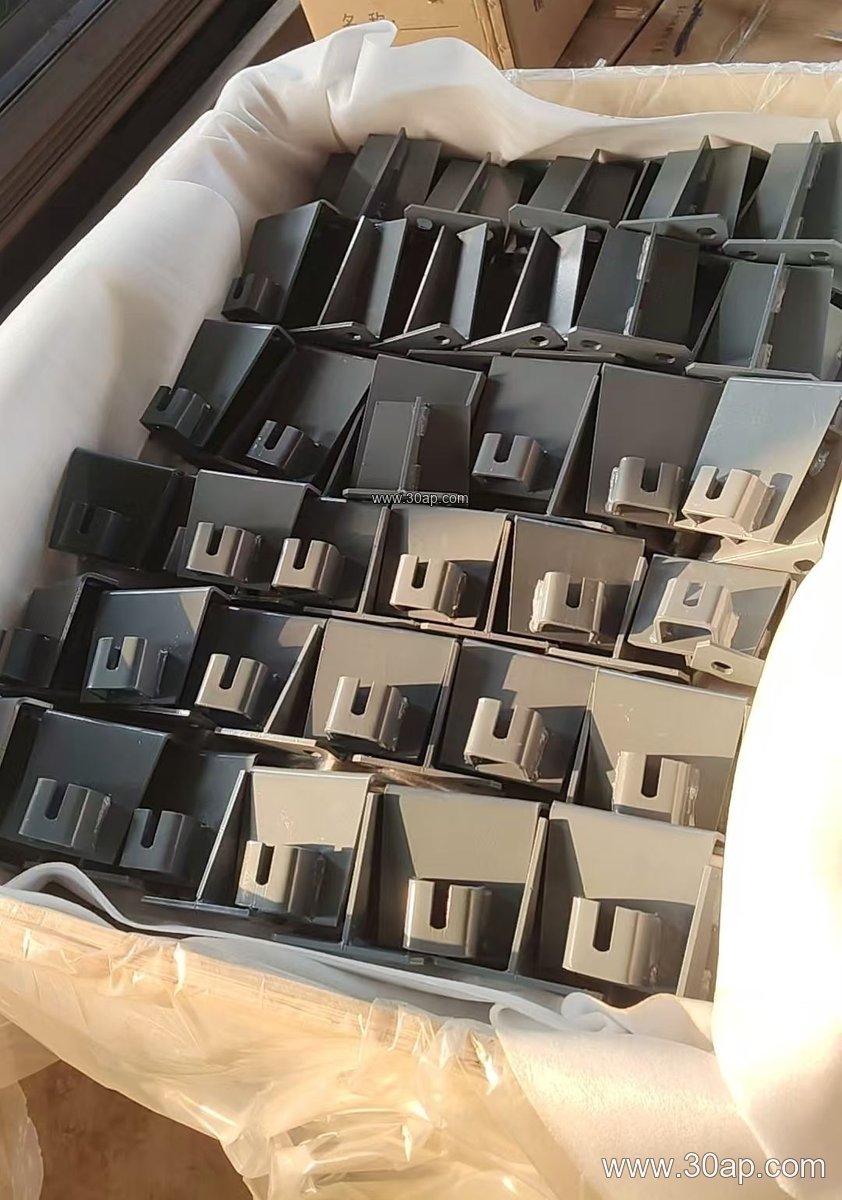
Most brackets are fabricated from angle steel, channel steel or folded steel plate, then drilled or punched for the roller shafts and bolted or welded to the conveyor stringers. Common forms include:
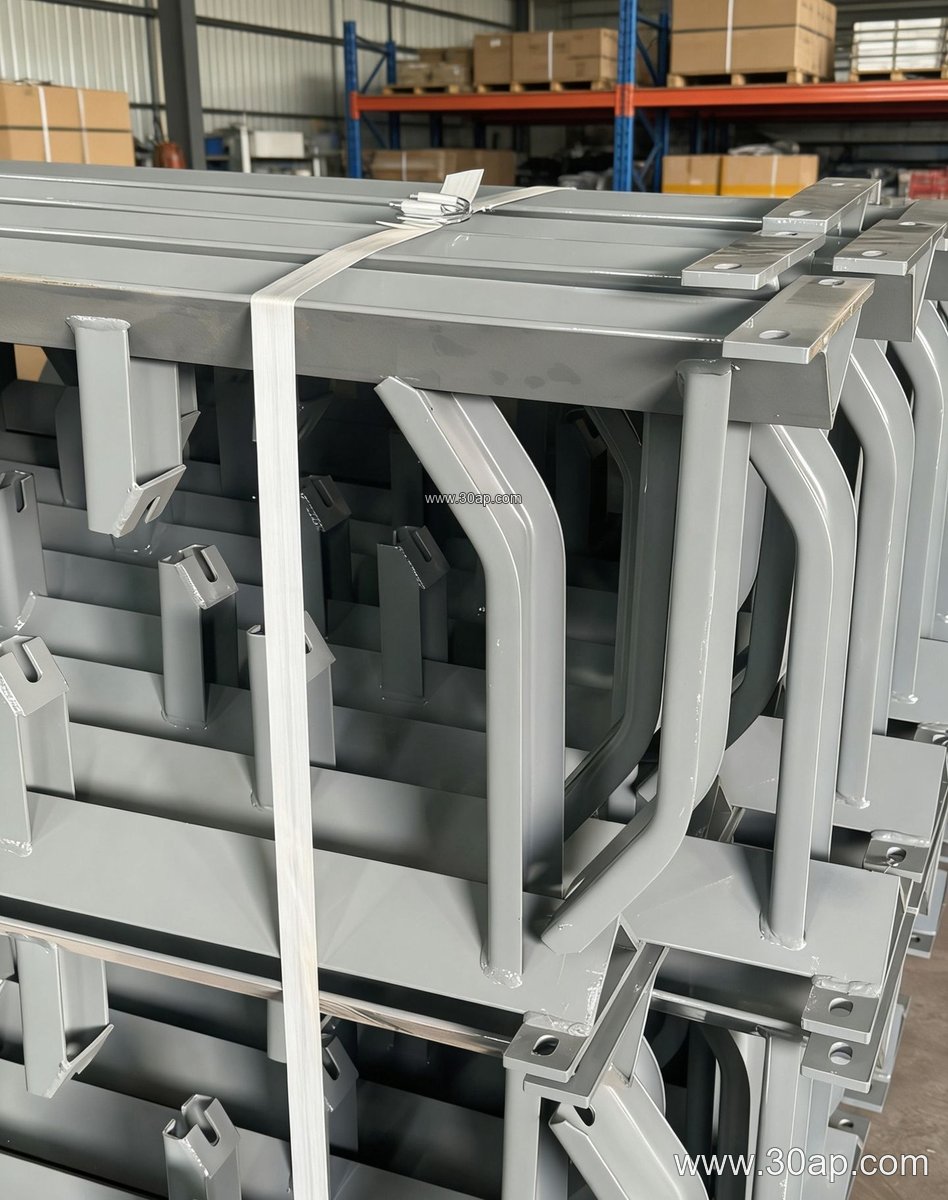
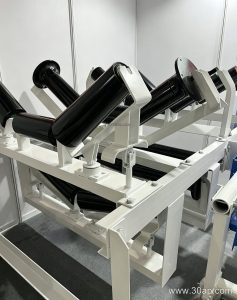
- Troughing brackets for the carrying side, usually built as a three-roller set with fixed or adjustable wings
- Transition brackets placed near the head and tail to ease the belt from flat to troughed
- Return brackets, including flat return and V-return designs, for the empty strand
- Impact brackets under loading points, often paired with impact rollers and rubber cushions
- Self-aligning and forward-tilted brackets that help correct belt drift
- Suspended and adjustable brackets for lines where the trough angle or height must be trimmed on site
Surface finish matters in wet or dusty service. Galvanized or painted brackets resist corrosion better in port terminals and wash plants, while heavy plate brackets are preferred where the conveyor belt is wide and the load is high.
Matching Bracket, Belt Width and Roller Diameter
Buyers usually start from the belt width and work outward. The table below shows typical reference combinations; these are common practice, not fixed rules, and the final design should follow the conveyor drawing.
| Belt width | Typical trough angle | Common roller diameter |
|---|---|---|
| B500 / B650 | 20° or 30° | Ø89 |
| B800 / B1000 | 30° or 35° | Ø108 / Ø133 |
| B1200 / B1400 | 35° or 45° | Ø133 / Ø159 |
| B1600 / B1800 | 35° or 45° | Ø159 / Ø194 |
| B2000 / B2200 | 35° or 45° | Ø194 |
A wider belt does not automatically mean a larger trough angle, and one belt width can work with more than one roller diameter. What matters is that the bracket, roller and belt are selected together. The bracket hole distance and crossbeam length change with belt width and trough angle, so they should be confirmed against the frame drawing rather than assumed.
Where These Brackets Are Used
In a limestone quarry or a sand and gravel line, troughing brackets carry the abrasive stone load, so the rollers and the bracket seats see constant vibration. In a coal preparation plant or a power station coal yard, flame retardant and anti-static belt grades are common, and the brackets must keep the belt centered to avoid edge damage. Cement plants use them on clinker and raw meal lines, while steel plants and sintering plants use them on hot or dusty material where heat resistant belt grades are specified. Whatever the material, the bracket is the part that keeps the idler roller in position so the belt can do its job.
Buyer Checklist Before Ordering
- Confirm belt width, trough angle and roller diameter as a set, not separately
- State whether the bracket is fixed or adjustable, and whether forward tilt is needed
- Check hole spacing and mounting height against the existing frame
- Choose the steel form and finish for the site conditions, such as wet ports or dusty crushing plants
- Order brackets and rollers together so the assembly fits on arrival
For related components, see our rubber conveyor belt range, the idler roller selection and the conveyor pulley options, all of which work with the same bracket families. A well-chosen conveyor support bracket is a small part that protects a much larger investment in the belt and the whole conveyor structure.