What a 1500mm Conveyor Belt Is
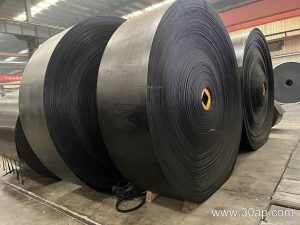
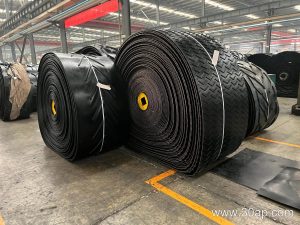
A 1500mm conveyor belt is a wide-format rubber belt with a nominal width of 1500 millimeters, typically used on mainline conveyors where tonnage and lump size are high. In practice, buyers also call it a 1500mm wide conveyor belt, and both names describe the same product. Width is only one dimension; the belt’s construction, cover grade and tensile strength determine what duty it can actually handle.
This width sits near the upper end of common fabric-belt production but well below the widest steel cord designs. That makes it a practical choice for cement plants, power stations, coal preparation facilities, quarries and ore handling circuits that need more capacity than a 1200mm belt can comfortably deliver.
How the Belt Is Built
The carcass is the load-bearing element. For a belt at this width, fabric cores are common, and the two main families are EP conveyor belt with polyester warp and nylon weft, and NN conveyor belt with all-nylon fabric. EP constructions tend to hold length better, while NN grades offer good flexibility and impact tolerance. Where tension is very high or the conveyor is long, a steel cord conveyor belt may be the better structural choice.
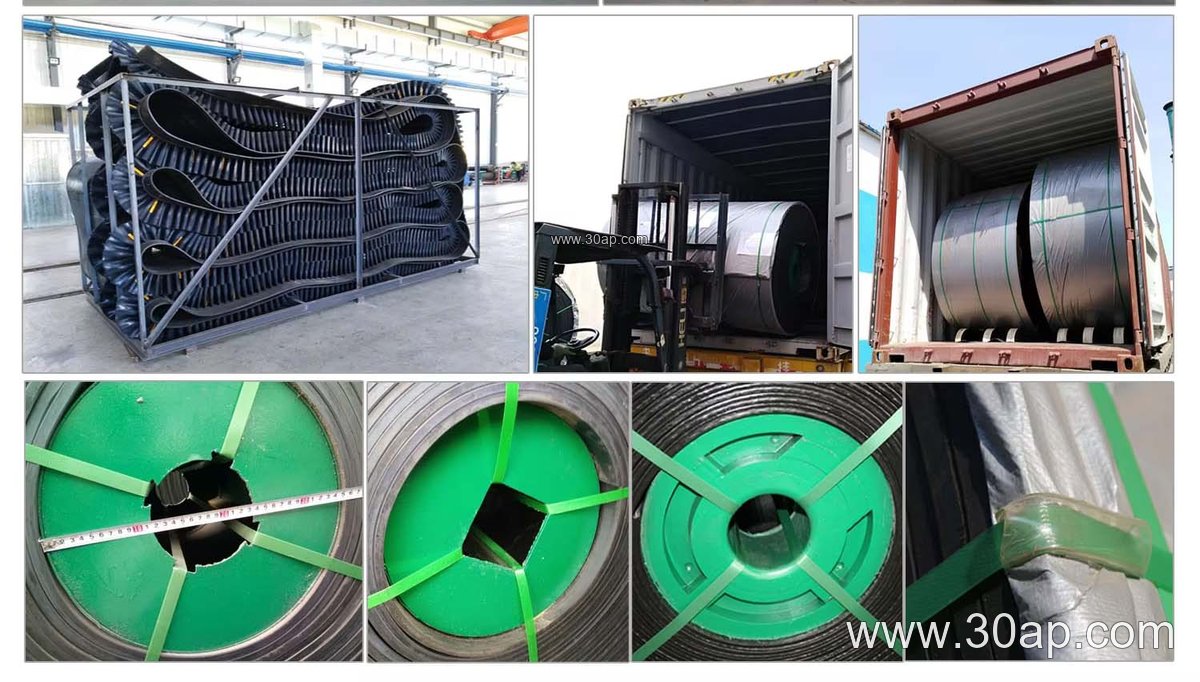
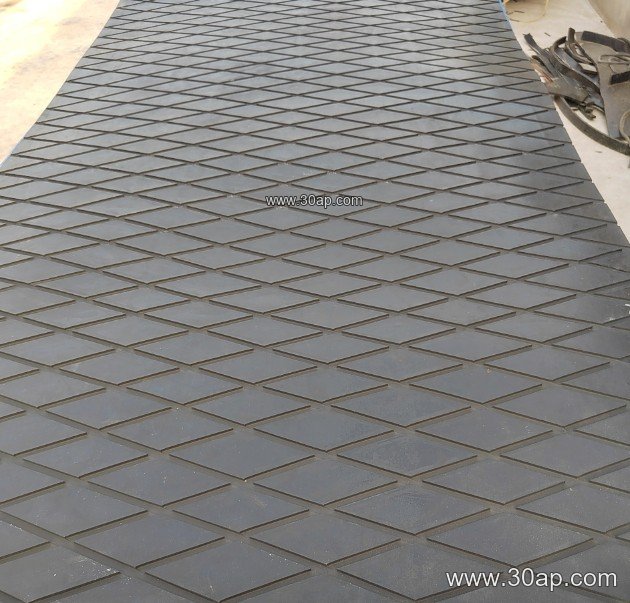
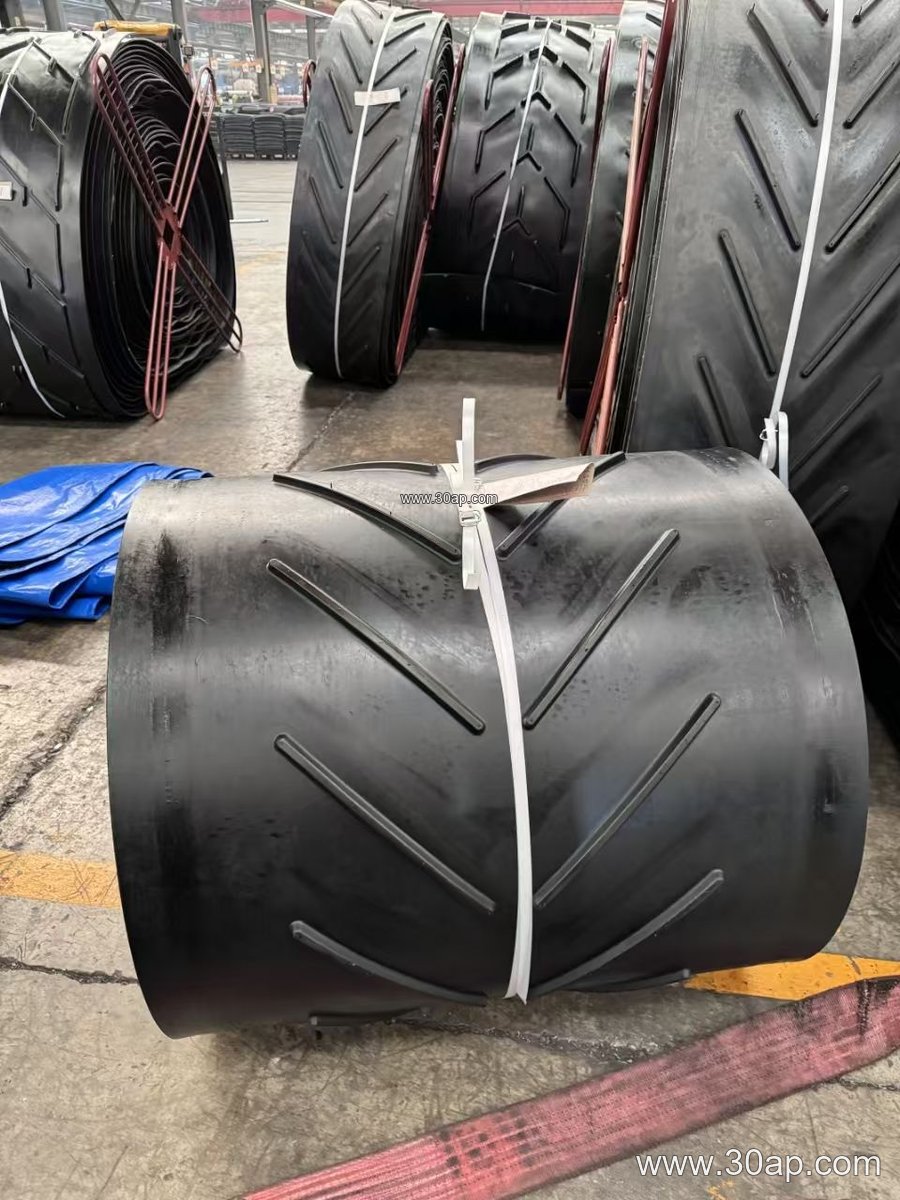
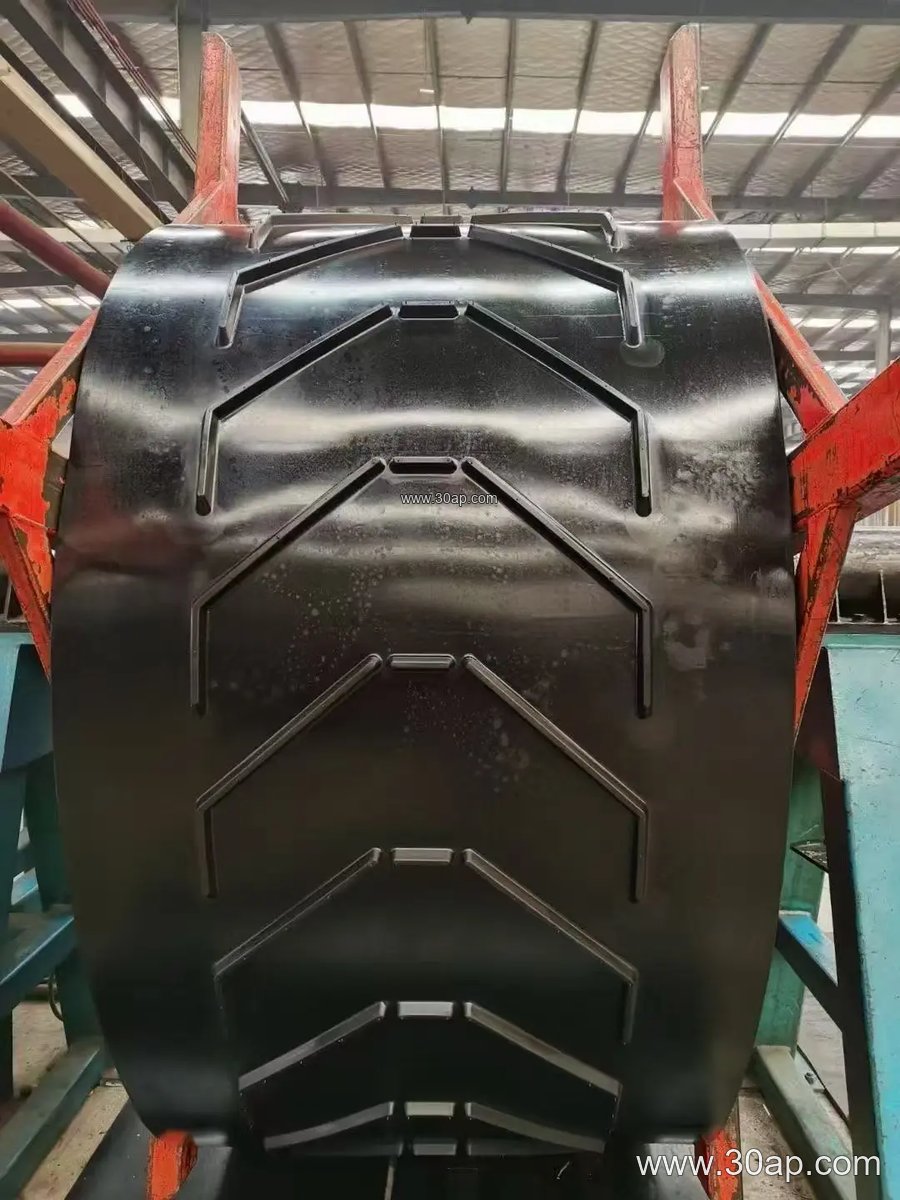
Covers are selected for the environment. A heat resistant conveyor belt suits clinker and sinter, an abrasion resistant conveyor belt handles crushed stone and ore, and a flame retardant conveyor belt is usual in underground coal work. The edge condition also matters: a corrugated sidewall conveyor belt with cleats is sometimes specified when the conveyor has steep sections.
Typical Reference Specifications
The figures below are reference ranges, not fixed combinations. Actual values depend on the manufacturer and on the engineered duty.
- Nominal width: 1500 mm (B1500)
- Common strength grades: EP200, EP315, EP400, EP500, EP630, EP800, EP1000, EP1250
- Carcass plies: usually 3 to 6 layers in fabric constructions
- Cover thickness: 4+2 mm, 5+2 mm, 6+2 mm, 8+3 mm
- Edge types: cut edge or moulded edge, depending on design
Steel cord equivalents are rated differently, for example ST1000, ST1250 or ST1600, with a single cord layer instead of plies.
Where It Fits on the Conveyor
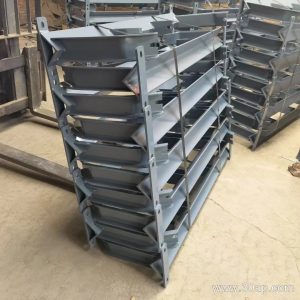
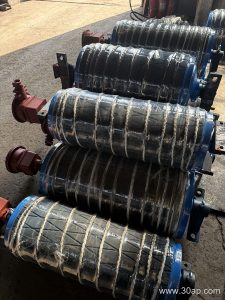
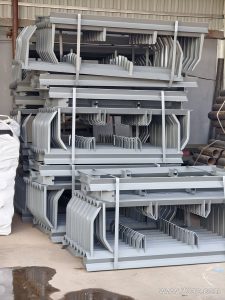
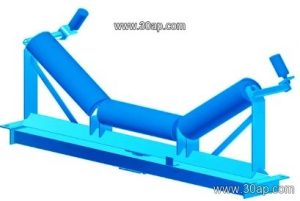
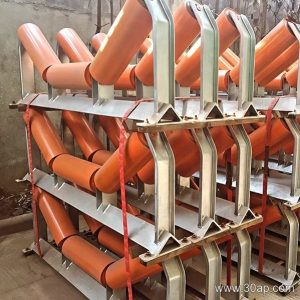
Width alone does not define pulley size or shaft diameter, so the belt must be matched to the whole conveyor. Drive pulleys, tail pulleys and bend pulleys each do a different job and are not interchangeable. The same applies to idler roller types. A wide belt usually benefits from well-aligned troughing idlers and a sturdy conveyor bracket frame, since edge tracking becomes more sensitive as width increases.
Selection Points for Buyers
Capacity and Material
Confirm the required tonnes per hour, lump size, moisture and temperature. A 1500mm belt gives a broad loading platform, but capacity still depends on trough angle and belt speed.
Cover and Carcass Grade
Match the cover to the dominant wear mode, and the carcass to the calculated tension with a sensible safety margin. For mining duties, a mining conveyor belt grade with flame resistance and anti-static properties is often requested.
Splice and Delivery
Decide whether the belt will be spliced on site or supplied as an endless conveyor belt. Long runs and wide belts are easier to handle when splice method, roll weight and lifting points are agreed in advance.
Installation and Maintenance Notes
- Check pulley alignment and idler squareness before tensioning a wide belt.
- Keep edges clean; a 1500mm belt has more edge length exposed to misalignment damage.
- Inspect covers for cuts and impact damage at transfer points.
- Monitor splices, as they are usually the first weak point on a heavily loaded belt.
For a 1500mm conveyor belt, the safe approach is to treat width as a starting point and let the material, tension and environment drive the final specification.