What an Abrasion Resistant Conveyor Belt Is
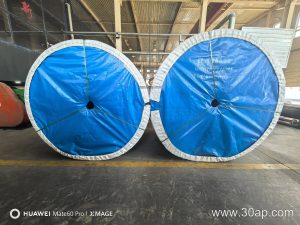
An Abrasion Resistant Conveyor Belt is a heavy-duty rubber belt engineered to withstand the cutting, gouging, and wearing action of sharp, hard, and fast-moving bulk materials. It is the workhorse of industries such as mining, coal preparation, cement, power generation, quarrying, and sand and gravel plants, where ordinary belts would wear out quickly. The product is also known as a wear-resistant conveyor belt or high abrasion resistant conveyor belt, and it typically combines a strong fabric or steel cord carcass with a thick, tough rubber cover.
Construction and Key Components
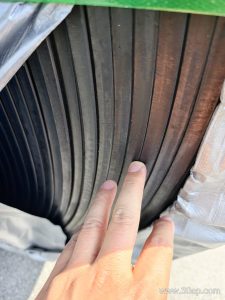
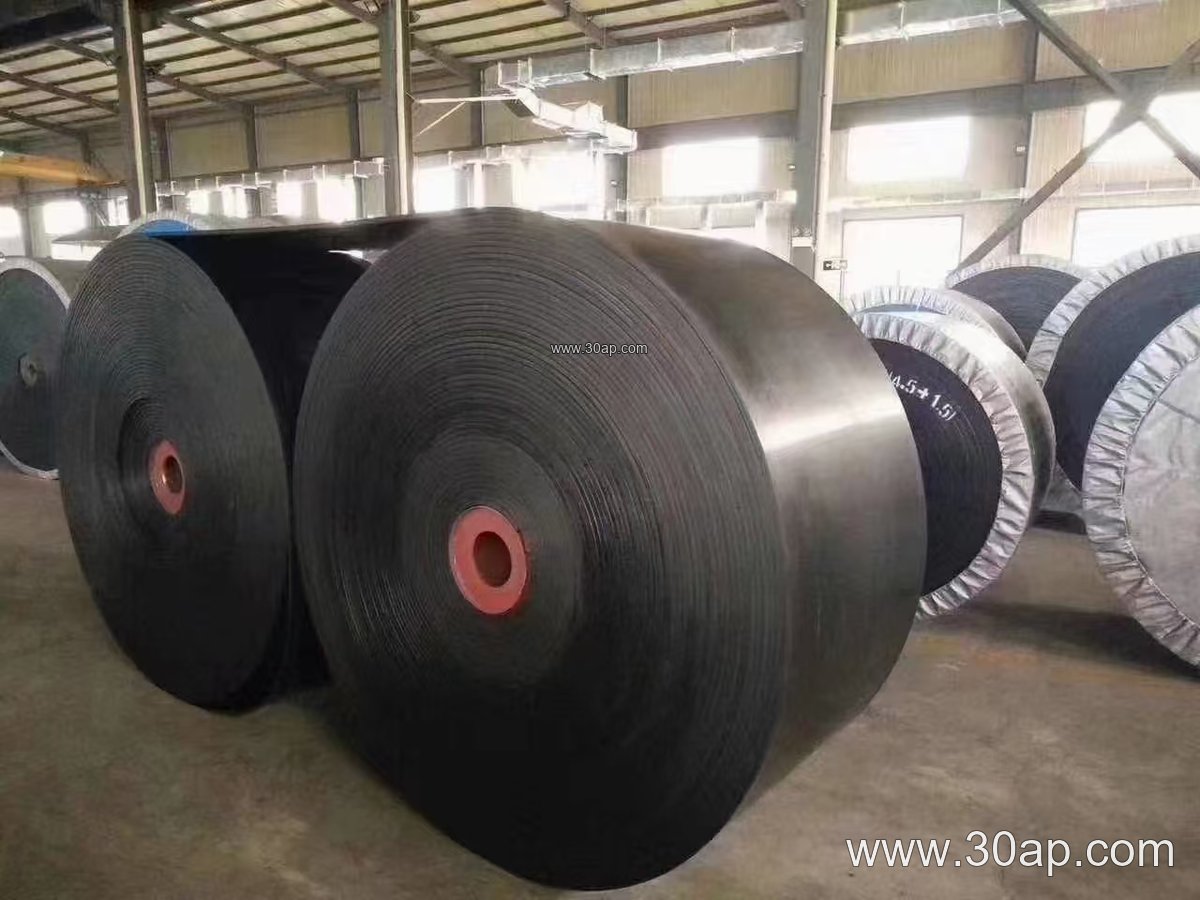
The belt is built in layers. The carcass provides tensile strength and resistance to impact and is usually made of EP (polyester-cotton) fabric, NN (nylon-nylon) fabric, or steel cords. The cover rubber is the part that meets the material, and for abrasion resistance it is formulated with high-quality natural or synthetic rubber, often with a hardness and tear strength selected for the duty. A typical construction includes:
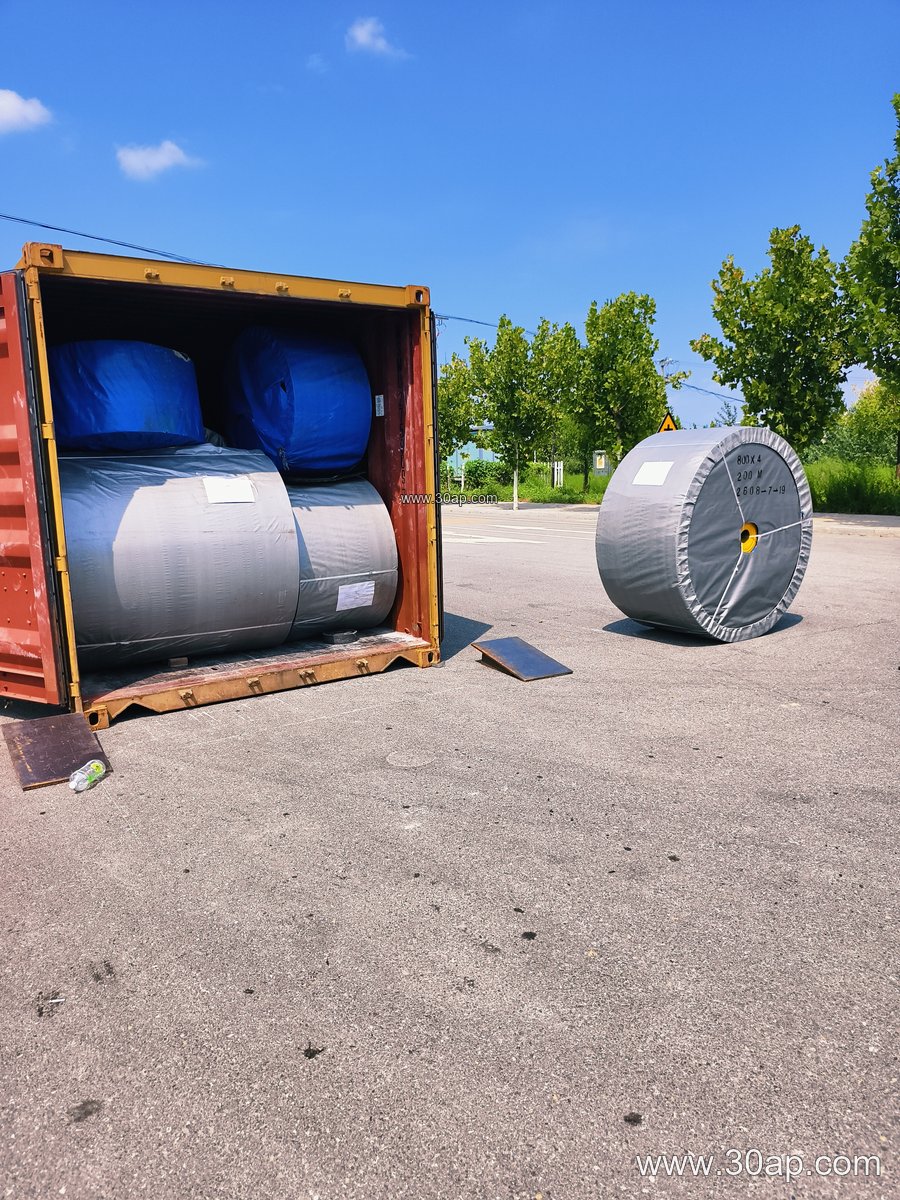
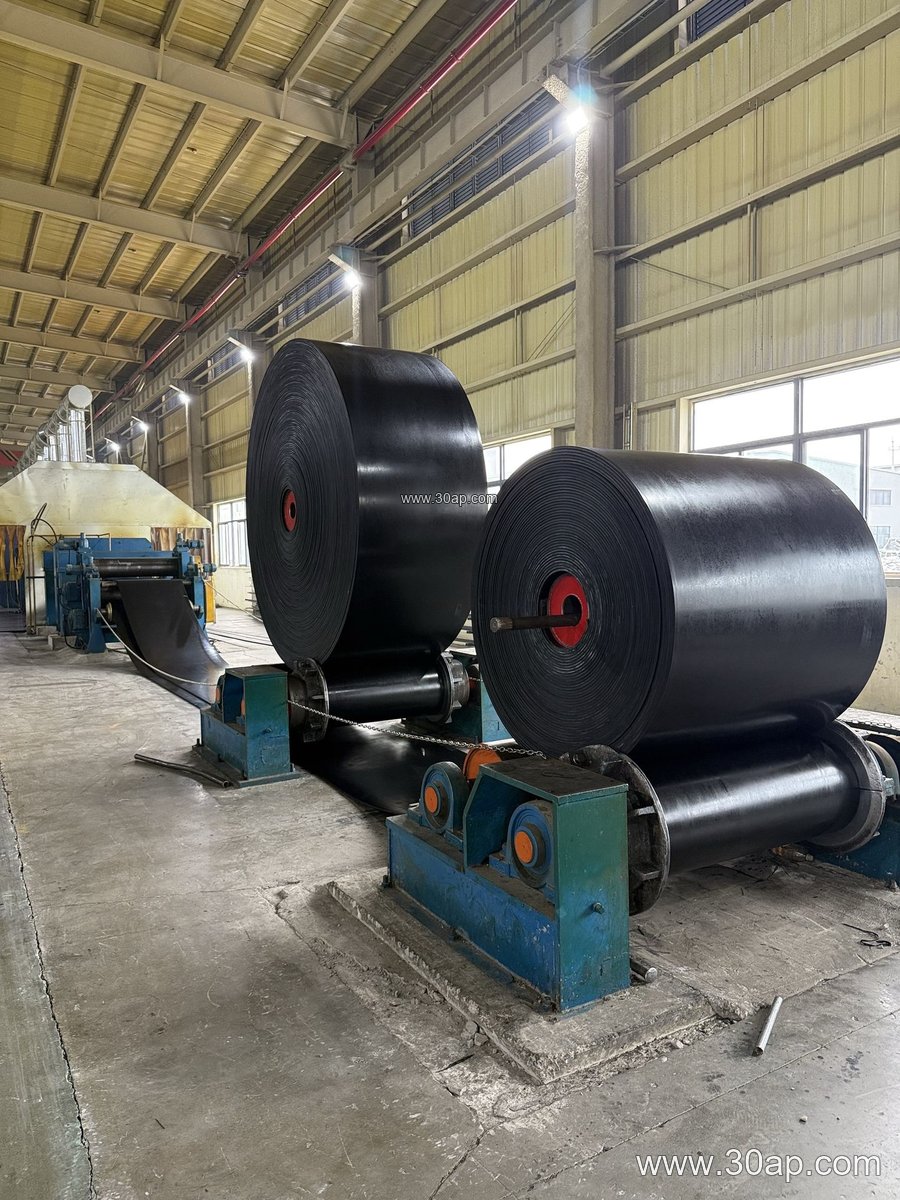
- Top cover: thick abrasion-resistant rubber, commonly 4+2 mm, 5+2 mm, 6+2 mm, or 8+3 mm total thickness depending on the application.
- Carcass: 2 to 6 plies of EP or NN fabric, or a steel cord layer for very high strength and long runs.
- Bottom cover: usually thinner, protecting the pulley side.
Common strength grades for EP belts include EP200, EP400, EP630, EP800, EP1000, and EP1250, while steel cord belts may be specified as ST1000, ST1600, or ST2000. Belt widths are frequently B500, B650, B800, B1000, B1200, B1400, and B1600, with wider options available for large plants. These figures are reference values; actual selection depends on the conveyor design, material size, drop height, and throughput.
Where It Is Used
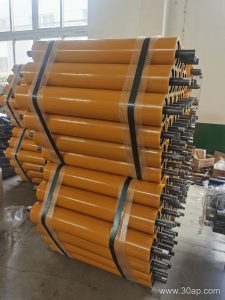
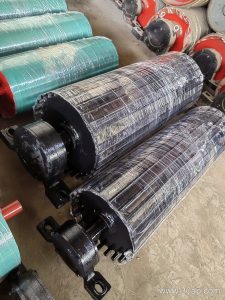
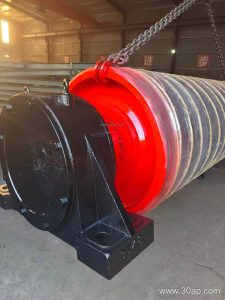
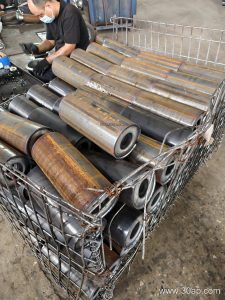
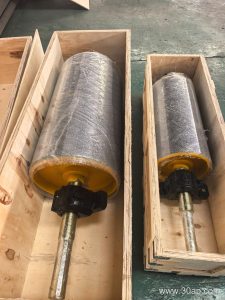
The belt is found wherever abrasive materials are moved in bulk. In a quarry or aggregate plant, it carries crushed stone and sand from a crusher to screens. In a coal mining or underground coal mining operation, a flame retardant and anti-static version is often required, but the abrasion resistance remains important for coal and rock. Cement plants use it for clinker, limestone, and raw meal. Power plants rely on it for coal and ash handling. Iron ore, copper ore, and gold mining operations also use heavy-duty abrasion resistant belts on primary and secondary conveyors. The belt works together with conveyor pulleys, idler rollers, and conveyor brackets, and its wear life directly affects how often these components need attention.
Selection and Specification Notes
Buyers should consider the material being carried, its size and shape, the drop height at transfer points, belt speed, and the environment. Sharp, heavy lumps call for a thicker cover and possibly an impact resistant conveyor belt construction. For coal mines, a flame retardant conveyor belt or fire resistant conveyor belt may be mandatory, and anti-static properties are often specified. In cold climates, a cold resistant conveyor belt may be needed. Where oil or heat is present, an oil resistant or heat resistant conveyor belt is a better choice than a standard abrasion resistant type. The table below gives common reference data; final specifications should be confirmed with the belt manufacturer.
| Parameter | Common reference values |
|---|---|
| Belt type | EP conveyor belt, NN conveyor belt, steel cord conveyor belt, PVG conveyor belt |
| Strength grade | EP200, EP400, EP630, EP800, EP1000, EP1250; ST1000, ST1600, ST2000 |
| Belt width | B500, B650, B800, B1000, B1200, B1400, B1600, B1800 |
| Cover thickness | 3+1.5 mm, 4+2 mm, 5+2 mm, 6+2 mm, 8+3 mm |
| Carcass plies | 2 to 6 plies (fabric), or steel cord |
When specifying, state the material, capacity, belt width, and any special requirements such as flame retardancy or oil resistance. Do not assume that one belt width fits every pulley; the conveyor designer must match belt width to pulley diameter and shaft size according to the actual load and space.
Maintenance and Handling
Proper installation and maintenance extend belt life. Keep the belt centered, maintain correct tension, and check that idler rollers turn freely. Worn or seized rollers can cause rapid cover wear. Inspect conveyor pulleys for material buildup, and ensure that conveyor brackets are secure. Avoid overloading the belt and reduce material drop heights where possible. Store belts in a dry, shaded place and handle them without dragging. For a truly abrasive duty, a high abrasion resistant conveyor belt with a thicker cover may be more economical over time than replacing a standard belt frequently.
For more information on abrasion resistant belts and related components, see our conveyor belt and idler roller sections.