What a Q235 Conveyor Bracket Does on a Belt Conveyor
A Q235 conveyor bracket is the steel support that holds idler rollers in the correct position under or above a conveyor belt. In a quarry, cement plant, or power plant coal yard, the bracket carries the roller load, keeps the belt profile stable, and lets maintenance crews replace a single roller without dismantling the whole frame. Q235 refers to the common carbon structural steel grade used for the angle, channel, and folded plate parts, so the bracket is weldable, easy to drill, and widely available for fabrication.
The same item is often called a Q235 belt conveyor roller bracket or a Q235 idler support bracket. These are accurate equivalent names for the same product family, not different equipment.
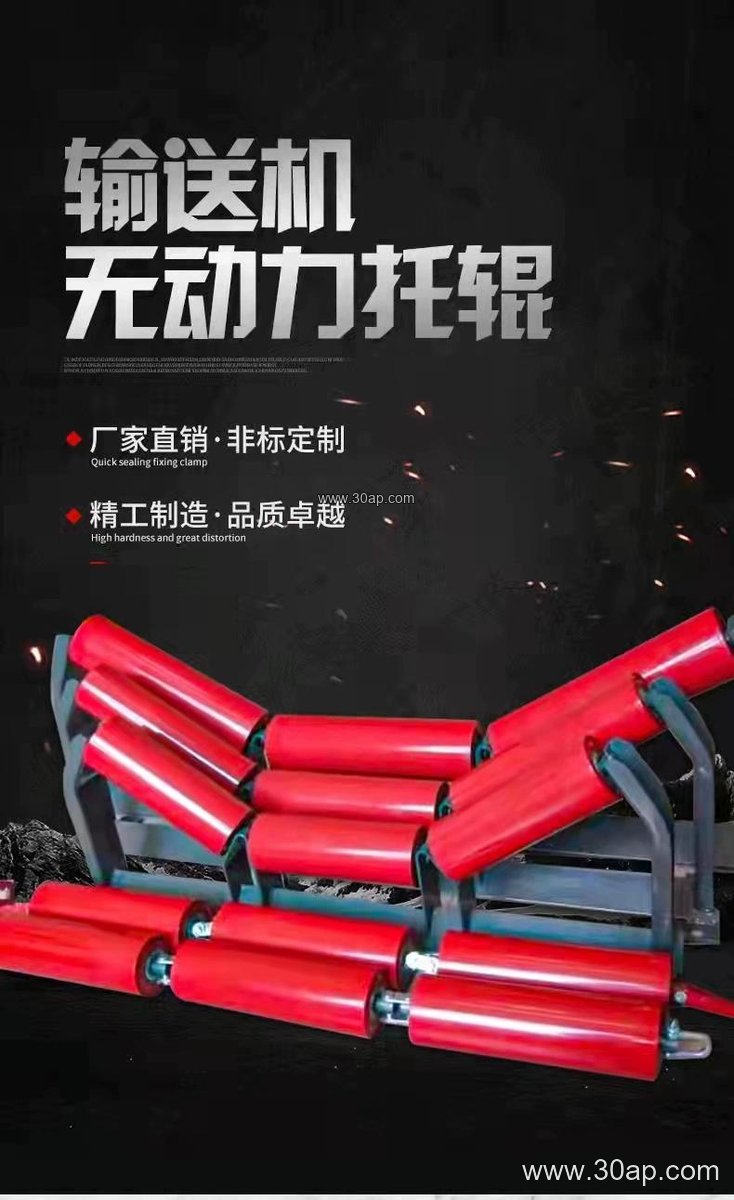
How the Bracket Is Built
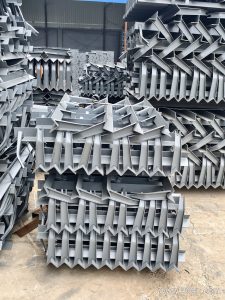
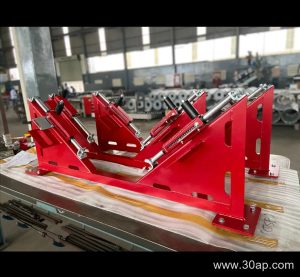
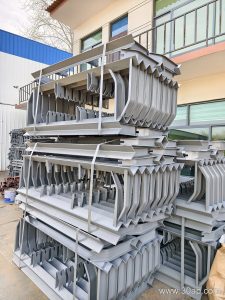
Most units are made from angle steel, channel steel, or folded steel plate. The fabrication steps are straightforward: cutting, drilling the roller slot holes, bending the trough wings, and welding the crossbeam to the end supports. A typical trough bracket has two inclined wings and a center roller seat; a return bracket is flatter and may use a V shape to help the belt track.
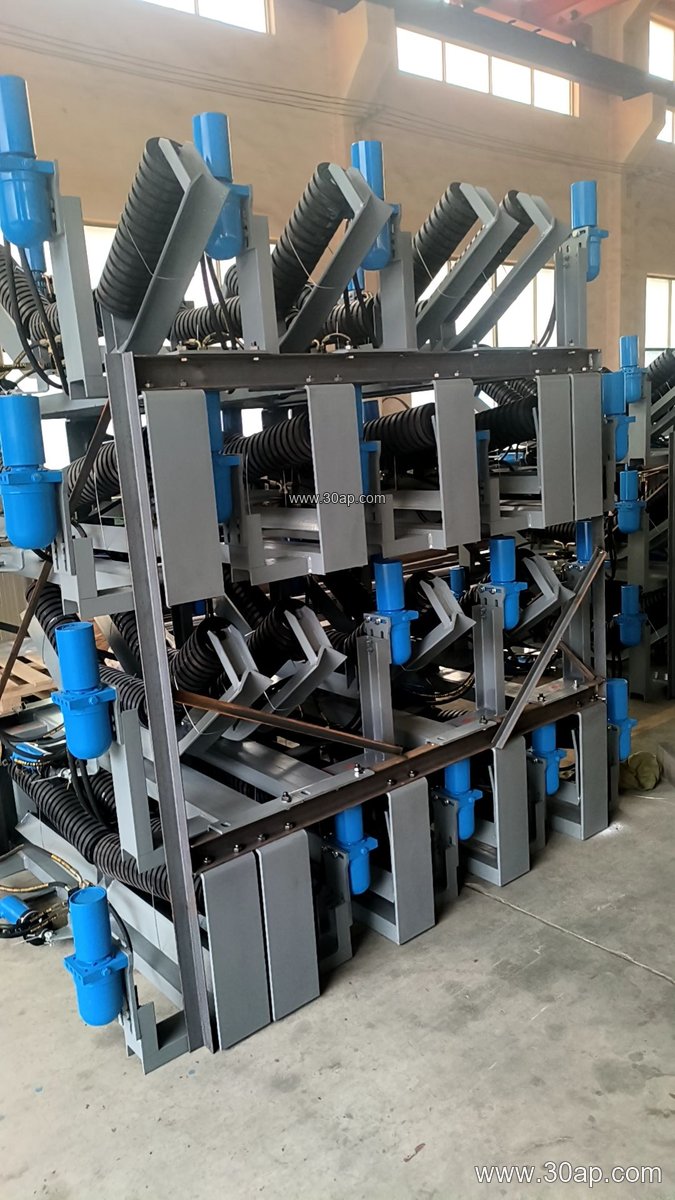
- Material: Q235 carbon steel, usually painted or galvanized after welding
- Common forms: fixed, adjustable, suspended, and self-aligning designs
- Mounting: bolted to the conveyor frame stringers, with slots that allow small position adjustments
Trough Angle and Roller Diameter Choices
Trough angle affects material containment on the carrying side. Common values are 20, 30, 35, and 45 degrees. A 35 degree trough is widely used for bulk material, while a 45 degree arrangement suits higher capacity lines where the belt is flexible enough. Adjustable brackets can move between these angles during commissioning.
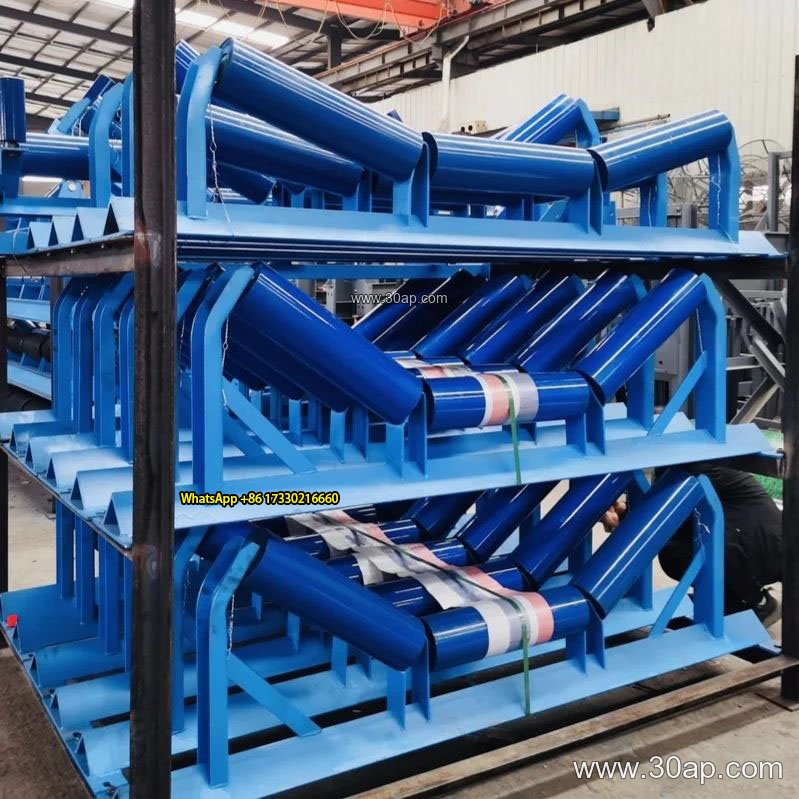
Roller diameter is selected together with belt width and load, not by a single rule. Common roller diameters include Ø89, Ø108, Ø133, Ø159, and Ø194 mm. A B800, 35 degree, Ø108 combination is a typical medium-duty arrangement; a B1200, 45 degree, Ø133 setup is often seen on higher-capacity lines. The installation hole spacing and crossbeam length change with belt width and trough angle, so they should be confirmed from the conveyor drawing rather than assumed.
| Belt width | Typical bracket form | Common trough angle | Common roller diameter |
|---|---|---|---|
| B500 | Trough bracket | 20–35 degrees | Ø89 mm |
| B650 | Trough bracket | 30 degrees | Ø89–Ø108 mm |
| B800 | Trough bracket | 35 degrees | Ø108 mm |
| B1000 | Trough or transition bracket | 35–45 degrees | Ø108–Ø133 mm |
| B1200 | Trough bracket | 45 degrees | Ø133 mm |
| B1400 | Trough bracket | 35–45 degrees | Ø133–Ø159 mm |
| B1600 | Trough bracket | 35–45 degrees | Ø159 mm |
| B1800 | Trough or impact bracket | 35–45 degrees | Ø159–Ø194 mm |
| B2000 | Heavy trough bracket | 35–45 degrees | Ø159–Ø194 mm |
These values are reference examples only. Final selection depends on belt speed, material density, and the conveyor frame design.
Where Q235 Brackets Are Used
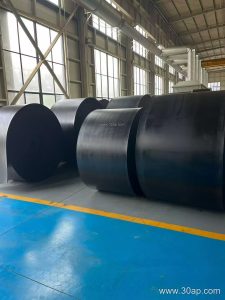
You will find these brackets on almost every fixed belt conveyor. In a limestone quarry or sand and gravel line, trough brackets support the carrying idlers under a rubber conveyor belt moving crushed stone. In a coal handling plant, flame retardant conveyor belt runs over brackets in the transfer tower and along the yard conveyor. In a cement plant, the same support holds rollers under an EP conveyor belt feeding the raw mill. Port ship loaders and steel plant sinter lines also rely on them.
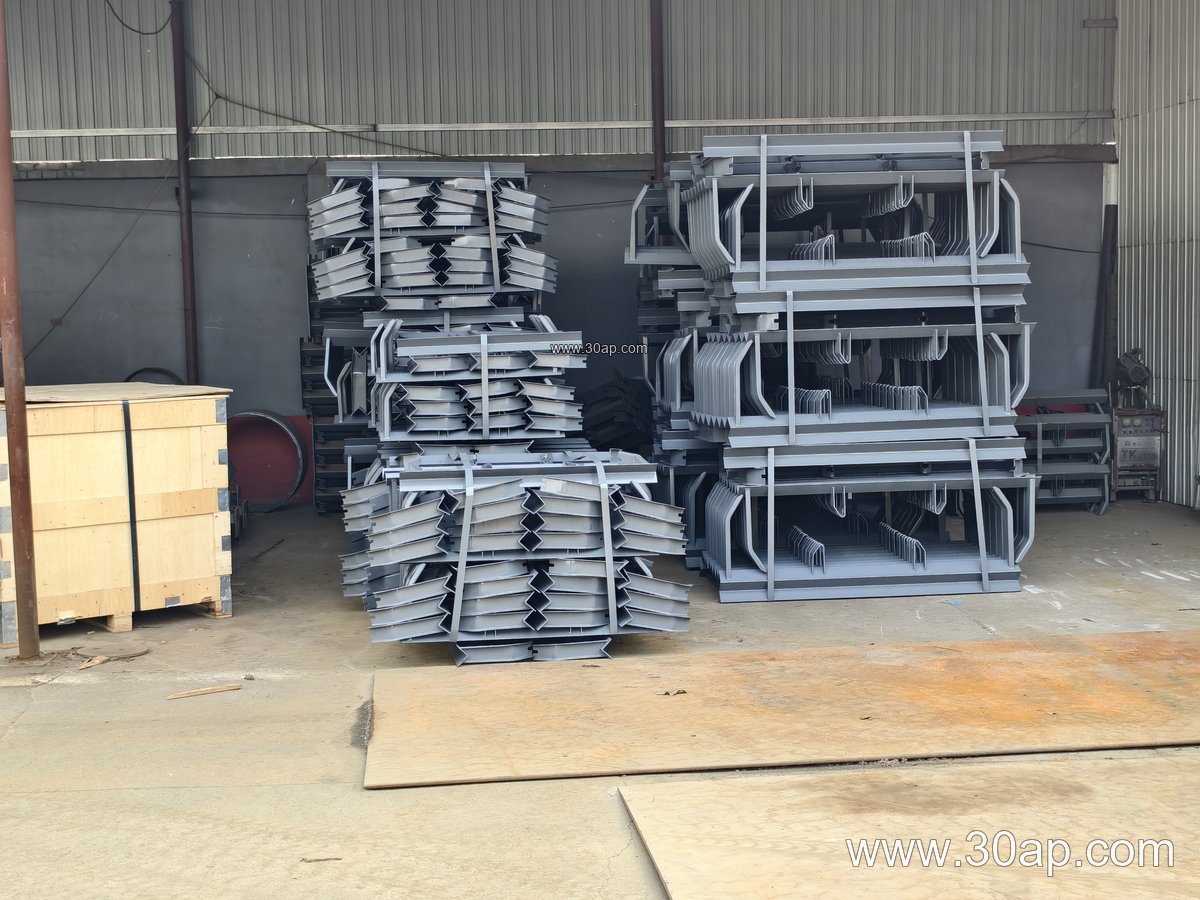
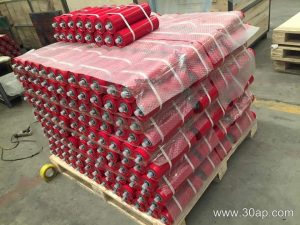
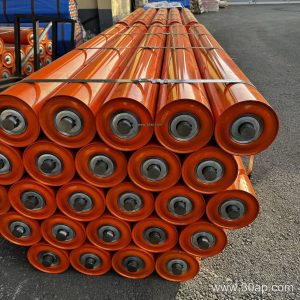
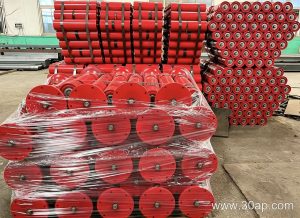
The bracket works together with the idler roller, conveyor pulley, and belt. A well-aligned bracket reduces belt edge wear and roller vibration, while a loose or bent bracket causes tracking problems that are often blamed on the belt itself.
Buyer Checklist
- Confirm belt width, trough angle, and roller diameter from the drawing before ordering.
- Ask for the material grade and surface treatment, and check whether the bracket is fixed or adjustable.
- Verify hole spacing and crossbeam length against the existing frame, since these vary by design.
- For impact zones, specify a buffer or impact bracket rather than a standard trough type.
- Check welding quality and paint coverage, especially for outdoor yard conveyors.
- Order spares for transition and return positions as well as the main carrying run.
When the bracket matches the roller and the belt, a conveyor runs quieter and needs less tracking adjustment. For related components such as conveyor pulley and idler roller, keep the same width and load class in mind so the whole support line stays consistent.