What a Lower Return Idler Does
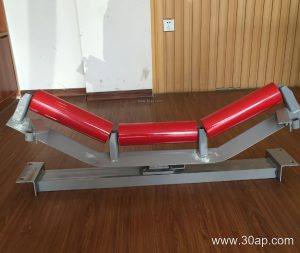
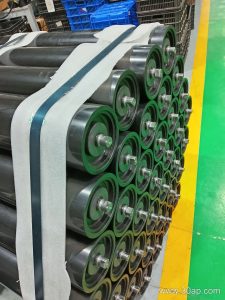
A lower return idler, often called a return roller or flat return idler, is the roller set mounted under the carrying run of a conveyor belt. Its job is simple but constant: support the empty or lightly loaded belt on its way back to the tail end, keep the belt from sagging between frames, and help the belt track in a stable line. In a quarry, a coal preparation plant or a cement plant, the return side is where dust, fines and moisture tend to collect, so this component is usually selected with sealing and wear life in mind rather than appearance.
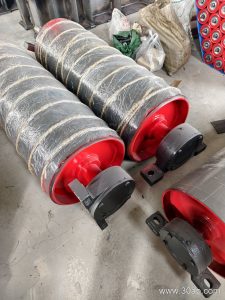
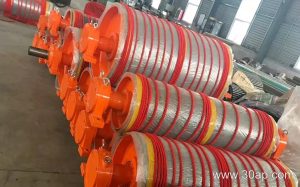
The lower return idler works together with the head and tail pulleys, the conveyor pulley that drives the belt, and the frame brackets. It is not a substitute for a drive pulley, a tail pulley or a bend pulley; those parts transmit power or change belt direction, while the return idler only carries the belt.
How the Roller Is Built
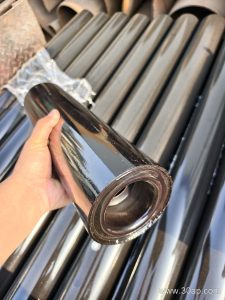
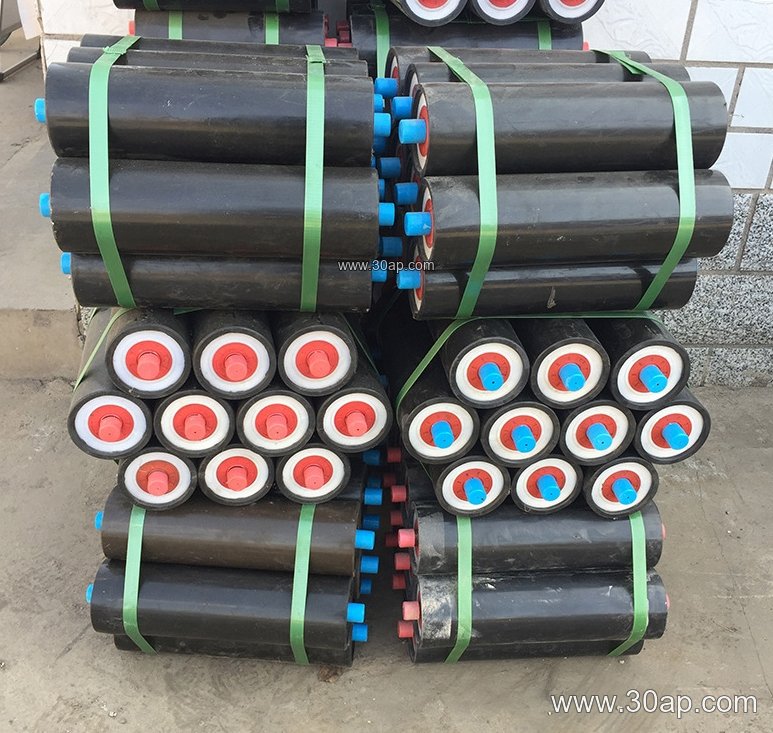
Most return idlers use a steel tube shell fitted with sealed bearings at each end. Common bearing sizes include 6204, 6205, 6305, 6306, 6308 and 6310, matched to the roller diameter and load rather than to belt width alone. The shaft runs through the shell and is held by bearing housings, and the whole assembly is fixed to the conveyor bracket with a simple pin or bolt connection.
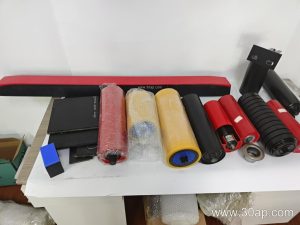
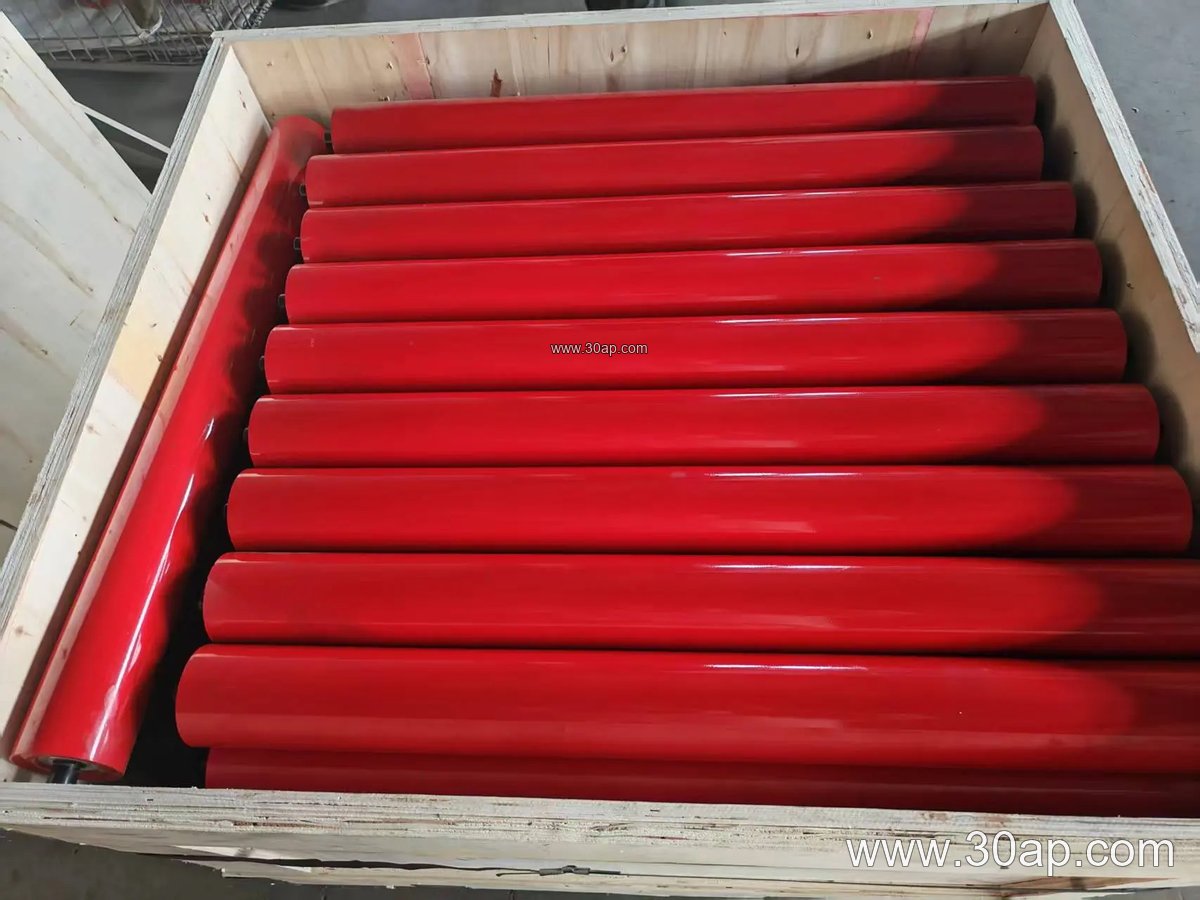
Shell surfaces vary by duty. Plain steel suits general bulk handling; rubber rings help absorb impact and reduce noise where lumps fall near the return path; nylon or ceramic covers are chosen where sticky material builds up. The roller diameter is usually selected from a range such as Ø89, Ø102, Ø108, Ø127, Ø133, Ø159 or Ø178, depending on belt width, belt speed and the load carried.
Common Reference Data
The figures below are typical examples, not fixed combinations. Final dimensions should follow the conveyor design.
- Roller diameter: Ø63 to Ø219, with Ø89 to Ø159 common on medium belts
- Belt width: B400, B500, B650, B800, B1000, B1200, B1400, B1600, B1800, B2000
- Return roll length: roughly one third to one half of belt width, set by frame design
- Bearing: 6204, 6205, 6305, 6306, 6308, 6310
- Mounting: fixed bracket or suspended frame, depending on structure
Where It Fits in a Conveyor Line
On a long overland or plant conveyor, return idlers are spaced at intervals along the return strand, usually farther apart than the carrying idlers because the belt is empty. In a crusher discharge line or a screening plant, closer spacing may be needed where the belt is disturbed or where material spills onto the return side. In a power plant coal handling system, a lower return idler with good sealing is preferred because fine coal dust works into bearings quickly.
On a belt carrying abrasive ore from an iron ore or copper ore operation, the return side may see less wear than the carrying side, but it still needs a straight, true-running roller to avoid edge damage. A pipe conveyor belt or a corrugated sidewall belt has different return requirements, and the idler selection should follow the belt manufacturer’s guidance.
Selection and Maintenance Notes
Buyers should confirm the belt width, the roller diameter, the shaft end type and the bracket spacing before ordering. Do not assume that a given belt width fixes one roller diameter or one shaft size; those values come from the conveyor design. Ask for the shell thickness, bearing type and sealing arrangement, since these decide service life in dusty or wet conditions.
During operation, check for seized rollers, worn shells and material build-up. A return idler that stops turning can wear a flat spot into the belt and damage the splice. Replacing a failed roller early is cheaper than repairing a torn conveyor belt. For conveyors handling hot material, a heat resistant conveyor belt may be paired with heat-tolerant rollers, while flame retardant conveyor belt installations in underground mining conveyors call for careful attention to roller clearance and dust control.
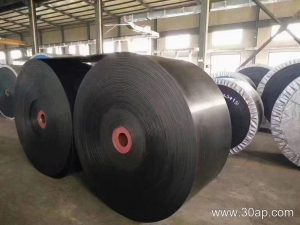
Related belt choices, such as EP conveyor belt, steel cord conveyor belt and abrasion resistant conveyor belt, affect the load and tracking behaviour of the return strand, so the idler and belt should be specified together.