What a Rock Conveyor Belt Is
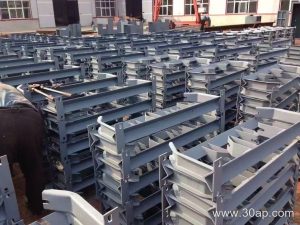
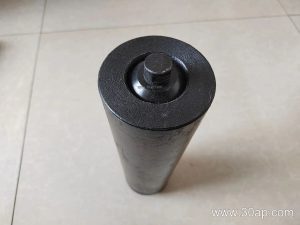
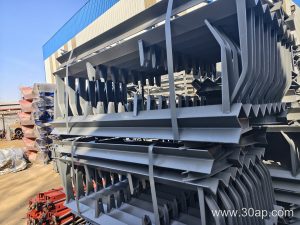
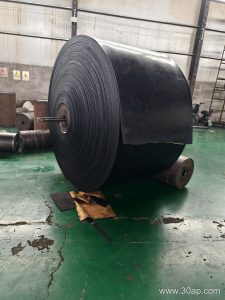
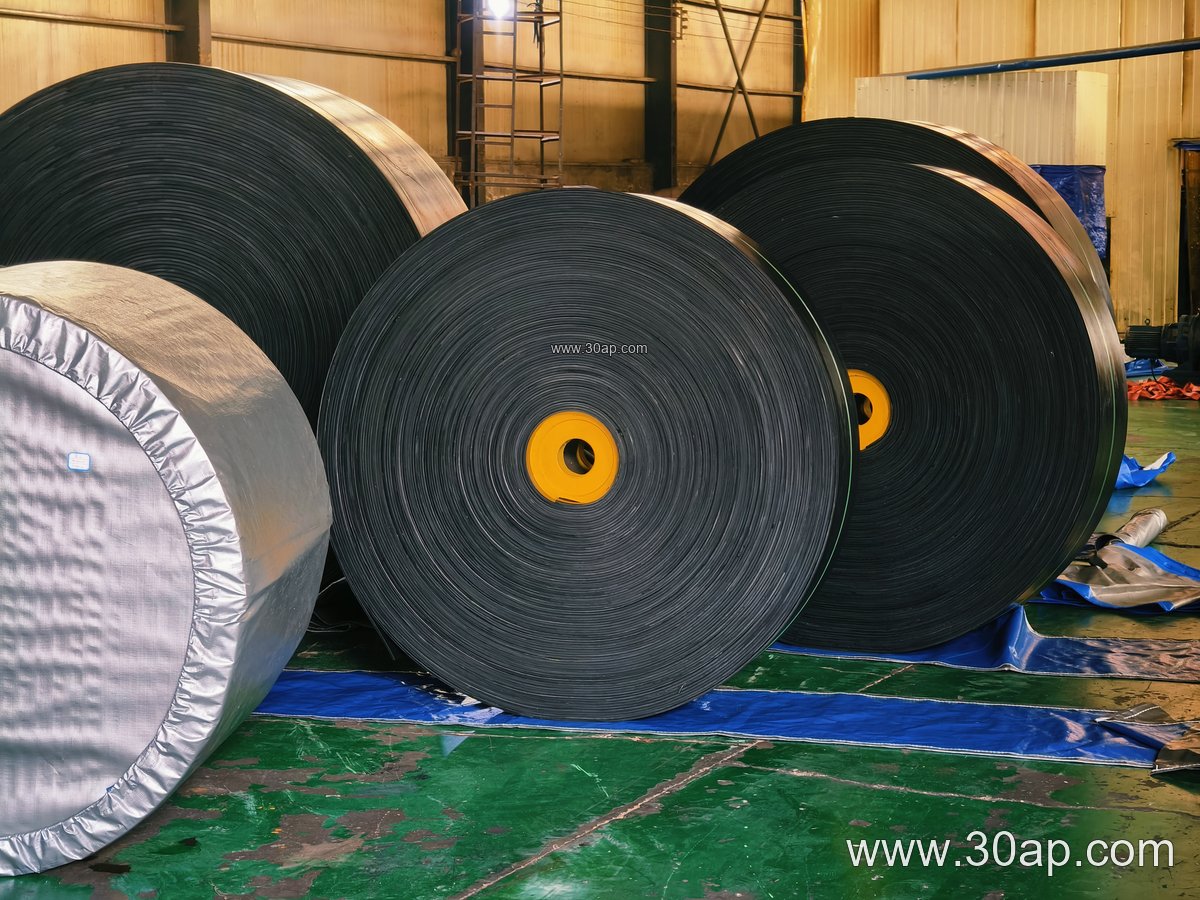
A rock conveyor belt is a heavy-duty rubber belt designed to move crushed stone, ore, gravel, and other abrasive bulk materials. It is the core component of a belt conveyor system, working alongside idler rollers, conveyor pulleys, and conveyor brackets to form a continuous haulage line. In mining, quarrying, cement, and aggregate operations, this belt must withstand sharp edges, heavy loads, and often harsh weather. The term rock conveyor belt is often used interchangeably with mining conveyor belt or quarry conveyor belt, but it always refers to the same product category: a robust belt built for high-impact, high-abrasion service.
Construction and Key Components
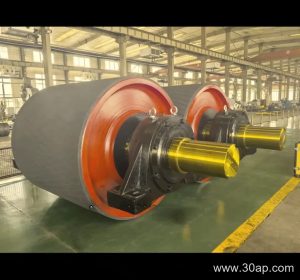
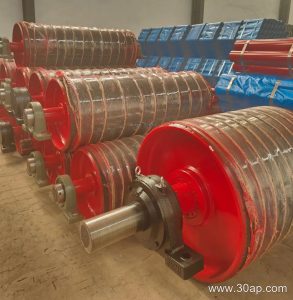
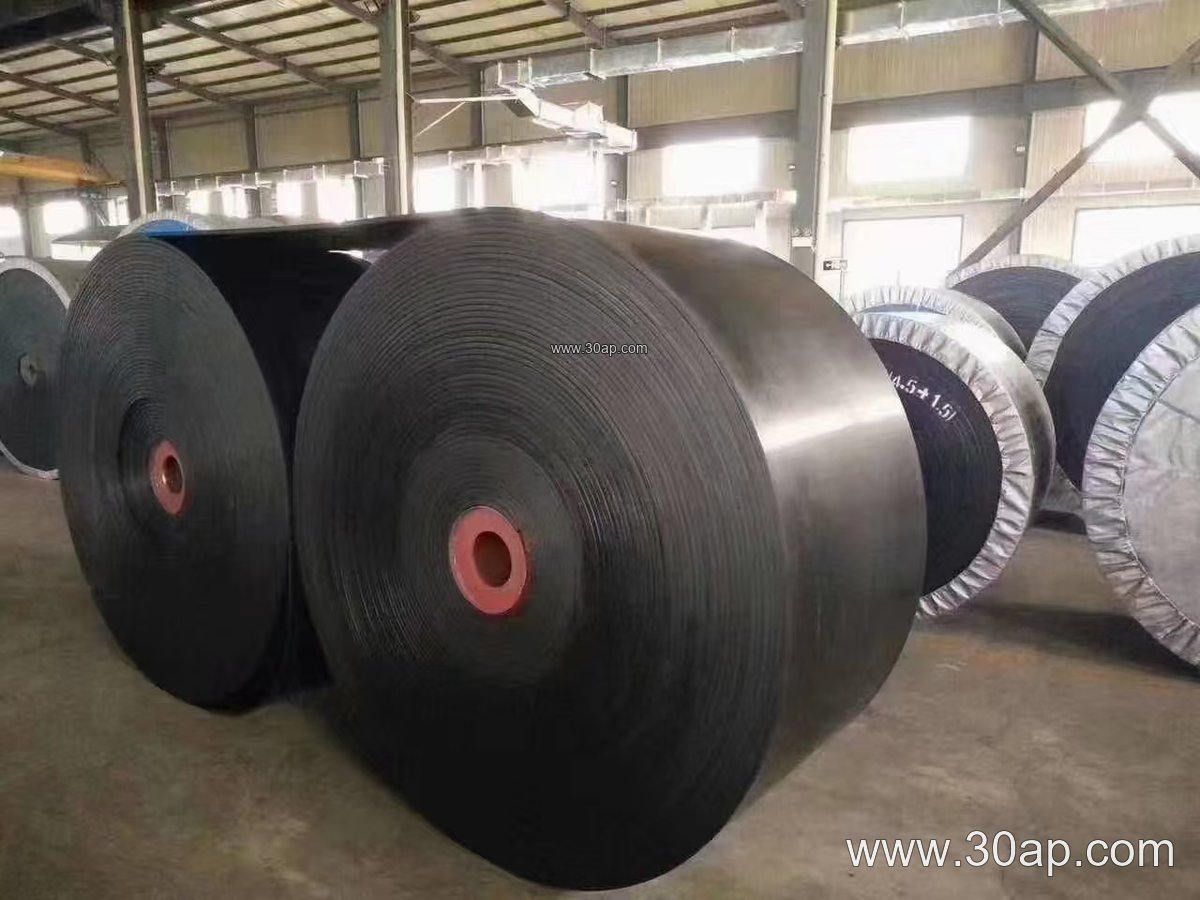
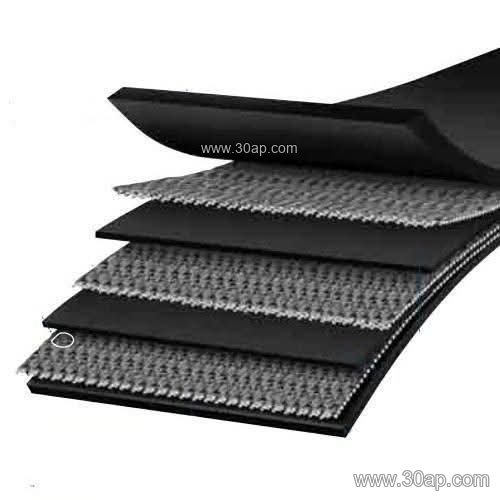
The belt typically consists of a fabric or steel cord carcass covered with rubber layers. The carcass provides tensile strength and resistance to elongation, while the cover rubber protects against cutting, gouging, and wear. Common carcass types include EP (polyester-cotton) and NN (nylon-nylon) fabric, as well as steel cord. For extremely abrasive rock, an abrasion resistant conveyor belt with thicker covers is often chosen. The belt also interacts with conveyor pulleys—drive, tail, and bend pulleys each have distinct roles—and idler rollers that support the belt along its path. Proper alignment of these components extends belt life.
Common Types and Specifications
Rock conveyor belts are available in various constructions to match site conditions. The table below shows typical options; actual values should be confirmed with the manufacturer.
| Feature | Common Options |
|---|---|
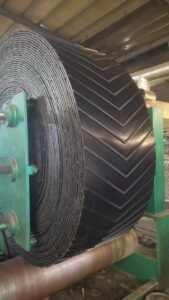
| Belt type | EP conveyor belt, NN conveyor belt, steel cord conveyor belt, chevron conveyor belt, corrugated sidewall conveyor belt |
| Strength series (EP) | EP200, EP315, EP400, EP500, EP630, EP800, EP1000, EP1250 |
| Belt width | B500, B650, B800, B1000, B1200, B1400, B1600, B1800, B2000 |
| Cover thickness (top + bottom) | 3+1.5 mm, 4+2 mm, 5+2 mm, 6+2 mm, 8+3 mm |
| Carcass layers (fabric) | 2 to 6 layers, depending on strength requirement |
For high-impact areas, an impact resistant conveyor belt with extra cushioning may be used. In cold climates, a cold resistant conveyor belt maintains flexibility. Where fire safety is critical, such as in coal mining, a flame retardant conveyor belt or fire resistant conveyor belt is essential. Oil-resistant and heat-resistant grades are also available for specific industries.
Where Rock Conveyor Belts Are Used
These belts are ubiquitous in industries handling hard, abrasive materials. Typical applications include:
- Mines and quarries: transporting run-of-mine ore, blasted rock, and crushed stone. A heavy-duty mining conveyor belt is often required.
- Cement plants: moving limestone, clinker, and additives.
- Power plants: handling coal and bottom ash.
- Sand and gravel operations: feeding crushers and screening plants.
- Ports and ship loading: high-capacity transfer of bulk cargo.
In each case, the belt works with conveyor pulleys and idler rollers to maintain smooth operation. The choice of belt type—such as EP fabric core or steel cord—depends on the required strength, distance, and load.
Buyer’s Checklist for Rock Conveyor Belts
When selecting a rock conveyor belt, consider the following:
- Material characteristics: size, shape, abrasiveness, moisture, and temperature. This determines cover grade and thickness.
- Operating environment: indoor/outdoor, temperature range, fire risk, and chemical exposure.
- Conveyor design: belt width, trough angle, pulley diameters, and transition distance. Ensure the belt fits the existing conveyor pulleys and idler rollers.
- Strength requirement: calculate the maximum tension and select the appropriate EP or steel cord grade. For fabric belts, the number of plies matters.
- Special features: chevron or cleated belts for steep inclines, sidewall belts for space constraints, and pipe conveyor belts for enclosed transport.
Always consult the conveyor designer and belt manufacturer to verify compatibility. A belt that is too stiff for the pulley diameter may cause premature failure, while an underspecified belt may stretch or break.
Maintenance and Longevity
Proper maintenance maximizes belt life. Regularly inspect for wear, cuts, and edge damage. Keep idler rollers turning freely and aligned; seized rollers can cause belt tracking issues and cover wear. Check conveyor pulleys for lagging wear and build-up. Maintain correct belt tension to prevent slippage. For high-abrasion applications, consider using a high abrasion resistant conveyor belt and monitor cover thickness. Store spare belts in a cool, dry place away from sunlight and ozone sources.
By understanding the construction, types, and application requirements, buyers can choose a rock conveyor belt that delivers reliable service in the most demanding environments.