What a Three-Roll Idler Bracket Does
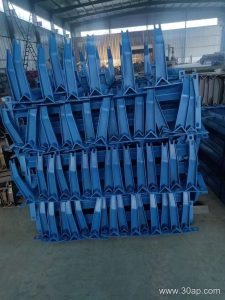
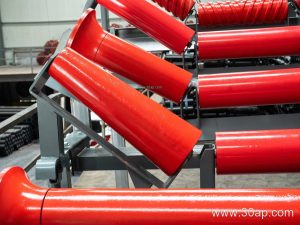
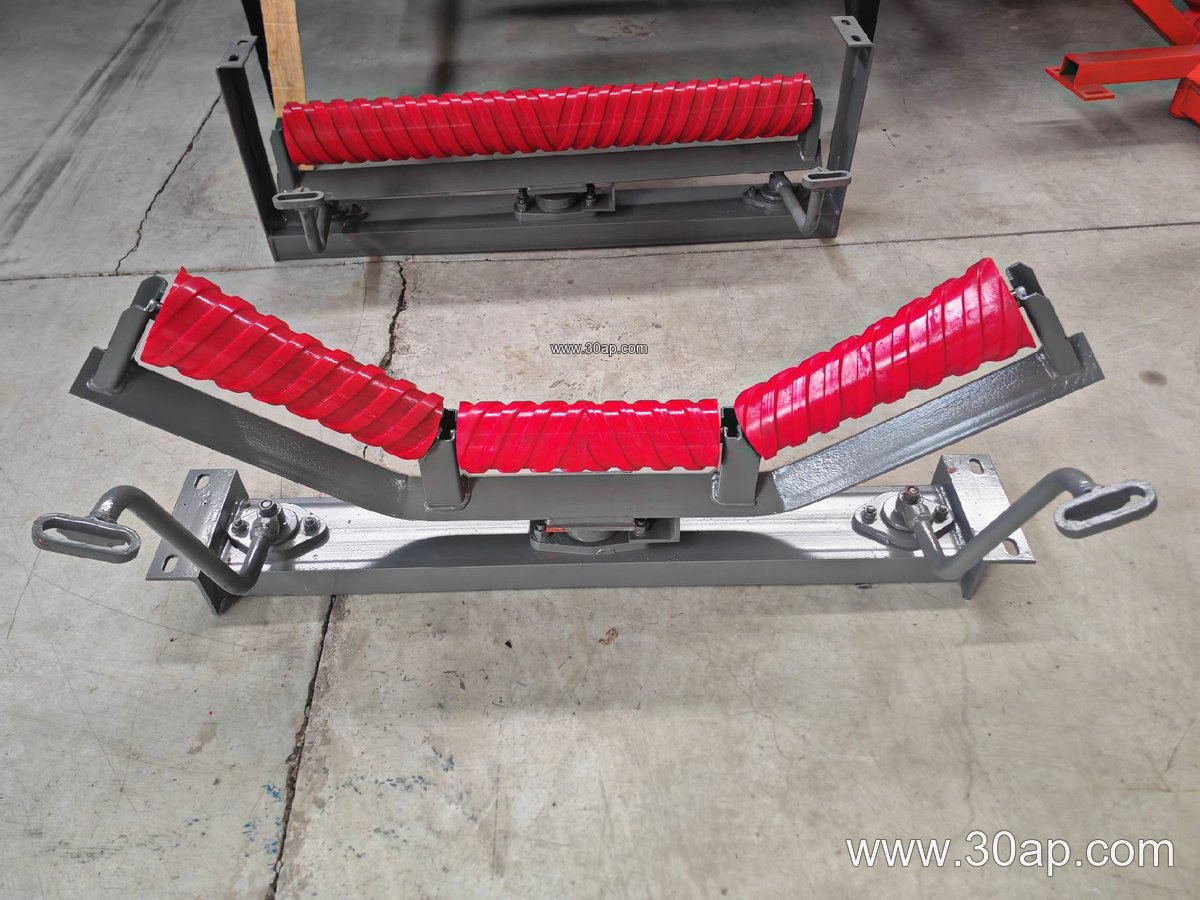
A three-roll idler bracket, also called a three-roll troughing idler bracket, is the steel frame that holds three idler rollers in a trough shape under a conveyor belt. It sets the trough angle, keeps the rollers aligned, and transfers the load of the belt and material into the conveyor structure. In a quarry, cement plant, or coal handling system, this bracket is often the difference between a belt that tracks well and one that spills material along the route.
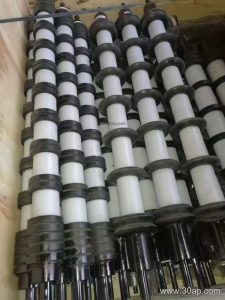
The bracket works with the idler roller set and the conveyor belt to form the carrying side of the conveyor. It is not a pulley or a drive component. Drive pulleys, tail pulleys, and bend pulleys have different jobs and are not interchangeable with this support frame.
How the Bracket Is Built
Most three-roll idler brackets are made from angle steel, channel steel, or folded steel plate. The side arms are angled to create the trough, while the base crossbeam ties the assembly together. Slots or holes in the arms allow the roller shafts to sit at the correct position. The bracket may be fixed or adjustable, and the adjustable version allows the trough angle to be changed within a range.
Common trough angles are 20 degrees, 30 degrees, 35 degrees, and 45 degrees. A fixed bracket is set at one angle during manufacture. An adjustable bracket can move between these angles to suit different material loads and belt widths. Forward tilt of about 1.5 to 2 degrees is sometimes used on the side rollers to help center the belt.
Where It Fits in the Conveyor Line
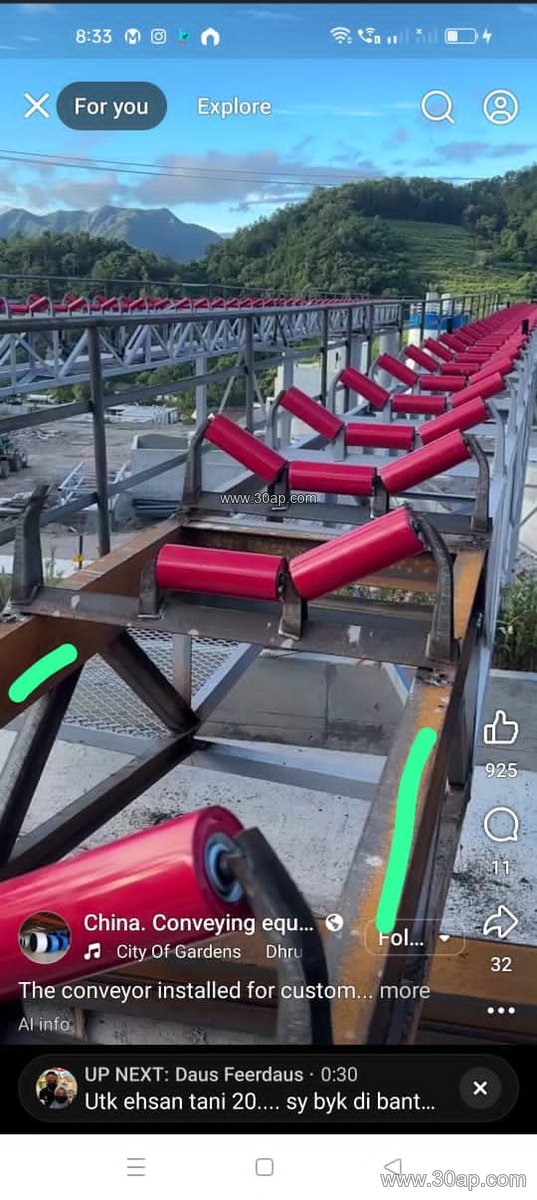
You will find three-roll idler brackets on the carrying side of bulk handling conveyors in a limestone mine, a coal washing plant, a sand and gravel line, or a power plant coal yard. They support the belt between the tail pulley and the head pulley, and they are spaced according to the belt width, material weight, and impact conditions.
The bracket should not be confused with a return bracket or a V-return bracket, which support the empty side of the belt. A buffer idler bracket is another subtype used at loading points to absorb impact. Each has its own place, and the three-roll troughing bracket remains the main carrying support.
Matching Bracket to Belt and Roller
Belt width and roller diameter are usually selected together with the bracket. A B650 belt on a 30-degree bracket may use Ø89 rollers, while a B1200 belt on a 45-degree bracket may use Ø133 rollers. These are examples, not fixed rules. The same belt width can work with different trough angles and roller diameters depending on the load and the conveyor design.
The table below shows typical reference combinations. Installation hole spacing and crossbeam length change with belt width and trough angle, so they are not listed as fixed values.
| Belt Width | Common Trough Angle | Typical Roller Diameter | Bracket Type |
|---|---|---|---|
| B500 | 20–30 degrees | Ø89 | Fixed or adjustable |
| B650 | 30 degrees | Ø89–Ø108 | Fixed or adjustable |
| B800 | 35 degrees | Ø108 | Fixed or adjustable |
| B1000 | 35–45 degrees | Ø108–Ø133 | Fixed or adjustable |
| B1200 | 35–45 degrees | Ø133 | Fixed or adjustable |
| B1400 | 35–45 degrees | Ø133–Ø159 | Fixed or adjustable |
| B1600 | 35–45 degrees | Ø159 | Fixed or adjustable |
| B1800 | 35–45 degrees | Ø159–Ø194 | Fixed or adjustable |
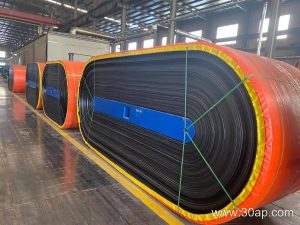
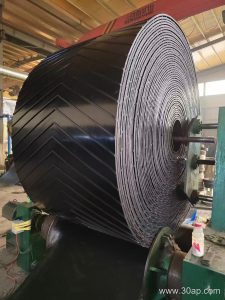
For heavy-duty mining conveyors, the bracket may need thicker steel and a stronger crossbeam. A steel cord belt or a high abrasion resistant conveyor belt can carry more load, and the idler bracket must be rated for that load. In cement plants and aggregate operations, a fabric core belt such as an EP conveyor belt or NN conveyor belt is common, and the bracket is selected to match the belt width and the material weight.
Buyer Checklist
- Confirm the belt width, such as B800, B1000, or B1200, and the required trough angle.
- Check the roller diameter and shaft size that the bracket will accept.
- Decide between fixed and adjustable brackets based on whether the trough angle may need to change.
- Review the steel material and thickness for the load and impact level.
- Ask for the installation hole spacing and crossbeam length, since these follow the belt width and bracket design.
A three-roll idler bracket is a simple part, but it affects belt tracking, spillage, and roller life. Taking time to match it to the conveyor belt and the idler roller set pays off in smoother operation from the tail pulley to the discharge point.