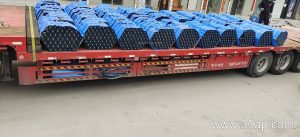
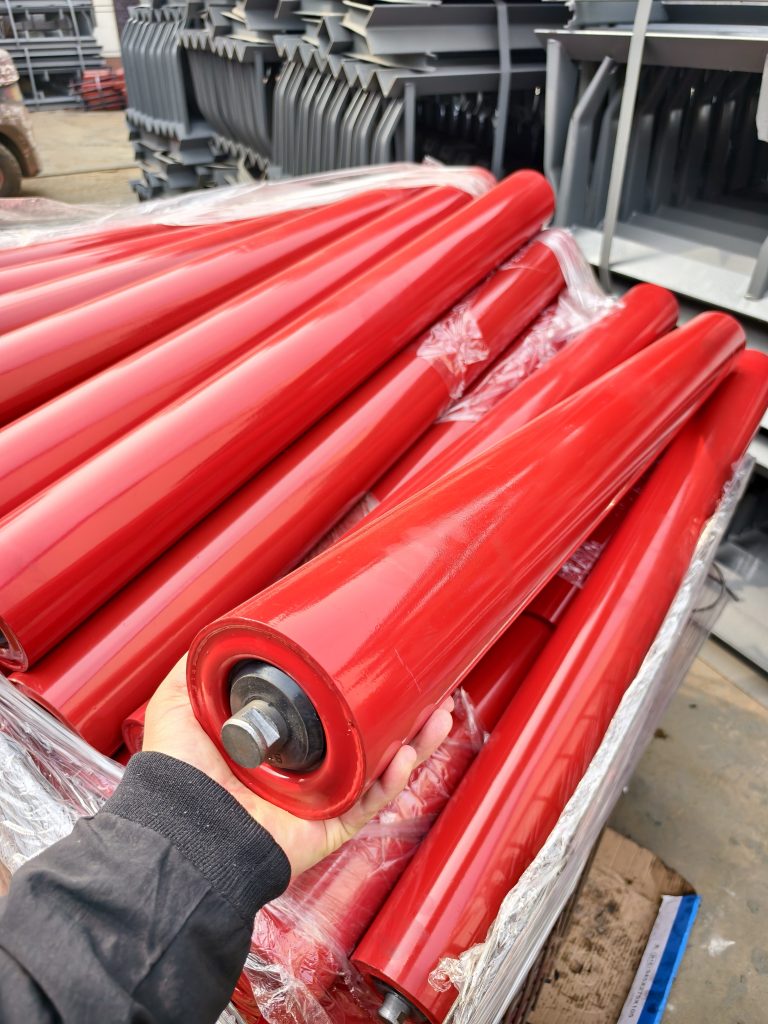
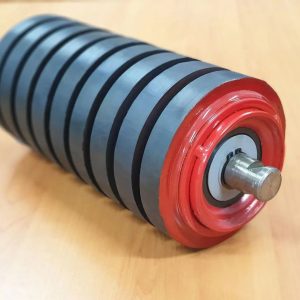
What a Rock Conveyor Belt Has to Handle
A rock conveyor belt is the load-carrying element of a bulk handling line that moves crushed stone, ore, gravel, sand and screened aggregate. Compared with belts used for light packages, a rock conveyor belt meets sharper edges, heavier lumps, higher impact at the loading point and more abrasive dust. The belt body is usually a rubber-covered fabric or steel cord construction, and the cover compound, carcass and edge protection are chosen around the duty rather than around a single nominal size.
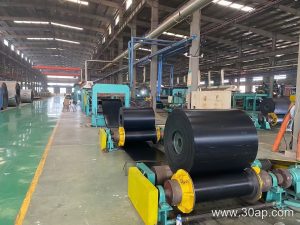
In a quarry, cement plant, coal preparation facility, power plant or sand and gravel yard, the belt works together with idler rollers, conveyor pulleys and a steel conveyor bracket frame. Drive, tail and bend pulleys each do a different job; none of them replaces the belt, and the belt specification should be matched to the whole conveyor layout, not to one component alone.
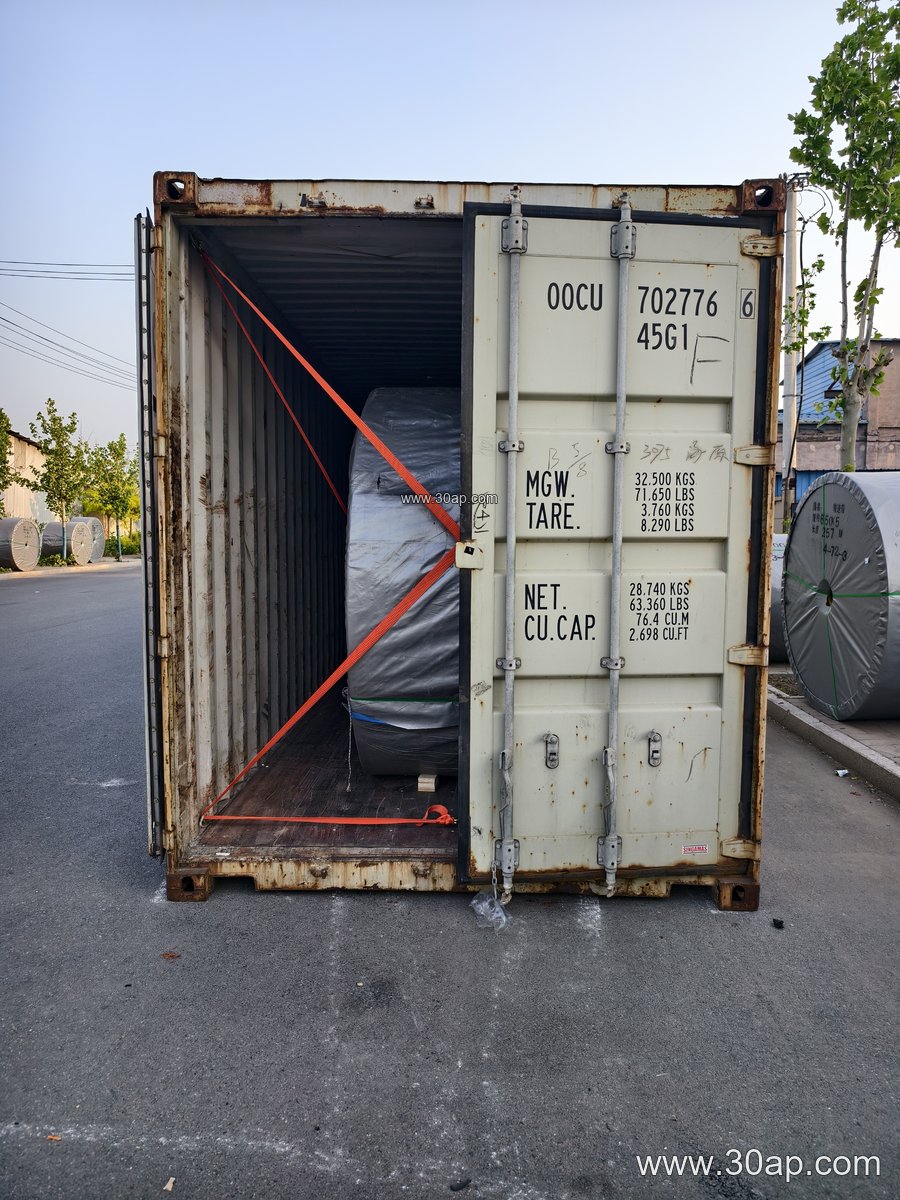
Construction and Common Structures
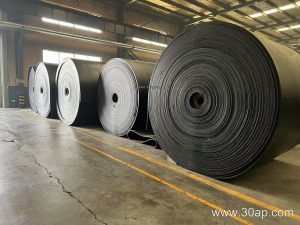
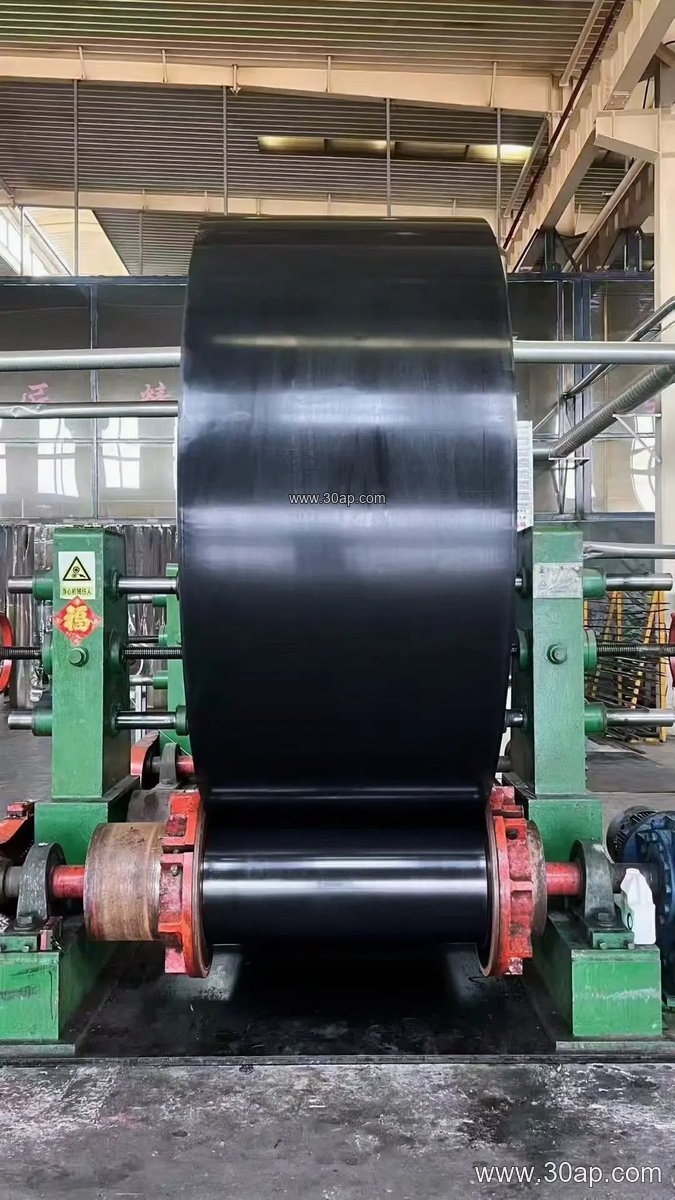
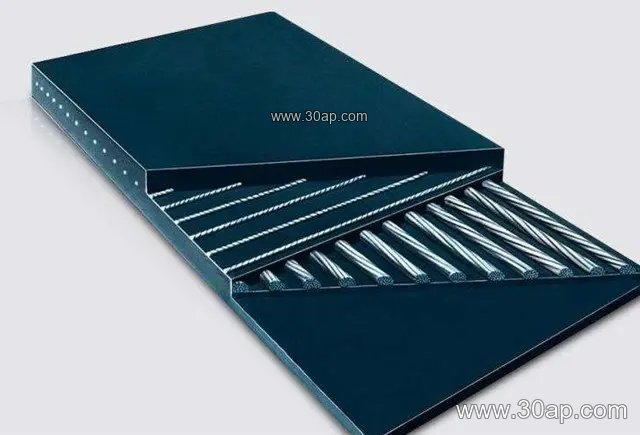
The belt normally consists of a top cover, a carcass and a bottom cover. The carcass provides tensile strength and resistance to elongation, while the covers protect it from abrasion, moisture and temperature. A rubber conveyor belt for rock duty may use an EP (polyester-nylon) carcass, an NN nylon carcass, a multi-ply fabric core, or a steel cord carcass for long, high-tension routes. Heat resistant, oil resistant, flame retardant and anti-static versions are available where the process requires them.
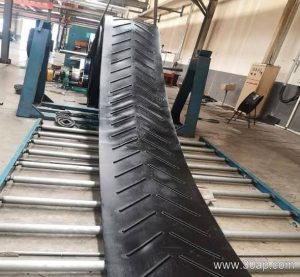
For steep inclines, a chevron conveyor belt or a corrugated sidewall belt with skirts can keep material from sliding back. Enclosed routes may use a pipe conveyor belt where dust control and curve negotiation matter. These are different designs, not interchangeable names for the same belt, and they should be selected for the specific profile of the conveyor.
Typical Sizes and Reference Data
The values below are common reference points only. Actual construction is confirmed by the conveyor design, the material lump size, the loading height and the required safety factor.
| Item | Common reference range |
|---|---|
| Belt width | B500, B650, B800, B1000, B1200, B1400, B1600, B1800, B2000 |
| EP strength grades | EP200, EP315, EP400, EP500, EP630, EP800, EP1000, EP1250, EP1600, EP2000 |
| Cover thickness | 3+1.5 mm, 4+2 mm, 5+2 mm, 6+2 mm, 8+3 mm |
| Fabric plies | Usually 2 to 6 plies, depending on tension |
| Steel cord options | ST1000, ST1250, ST1600 and higher grades by design |
A wide belt is not automatically the right answer, and a given belt width does not dictate one pulley diameter or one shaft size. Those choices come from the conveyor designer’s calculations, including belt tension, pulley face width and bearing load.
Where Rock Belts Are Used
These belts appear across mining and mineral processing: an underground coal mining conveyor, an iron ore or copper ore line, a gold mining operation, a quarry conveyor, a crusher conveyor and an aggregate conveyor. In cement plants they feed raw material and clinker; in power plants they handle coal; in ports they support ship loading. A heavy-duty mining conveyor belt may run continuously for long shifts, so abrasion resistance and splice reliability matter as much as nominal strength.
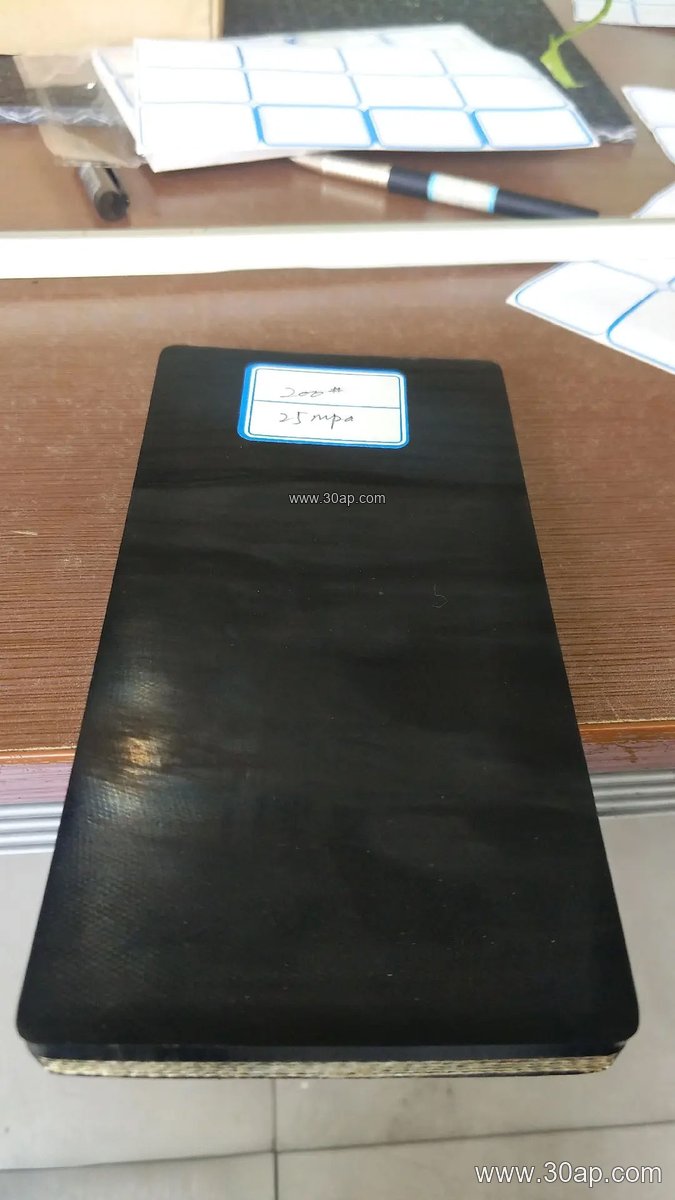
Where the environment is aggressive, a high abrasion resistant conveyor belt or an impact resistant belt at the transfer point can extend service life. Cold resistant, acid resistant and chemical resistant covers are used when the site conditions call for them.
Buyer Checklist
- Confirm the material type, maximum lump size and expected throughput.
- State the conveyor length, incline angle and loading method.
- Match the carcass grade and cover thickness to the duty, not only to price.
- Check pulley diameters, idler roller spacing and bracket condition before fitting a new belt.
- Ask for the splice method and the recommended take-up allowance.
- For underground work, clarify flame retardant and anti-static requirements.
Installation and Care
Correct alignment at the tail pulley and a steady, centered load reduce edge damage. Keep idler rollers turning freely and remove spillage that can wedge under the belt. Inspect covers for cuts and exposed carcass, and check the splice regularly. A rock conveyor belt that is tracked, tensioned and cleaned properly usually gives longer service than one selected on strength alone.
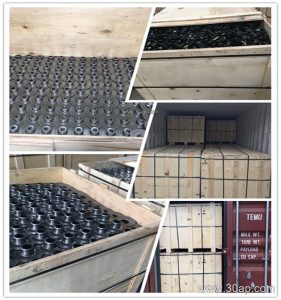
For related components such as the conveyor pulley, idler roller and conveyor bracket, coordinate dimensions with the belt supplier so the whole line works as one system. More belt options are listed at rubber conveyor belt and EP conveyor belt references.