What a Three-Roll Idler Set Does
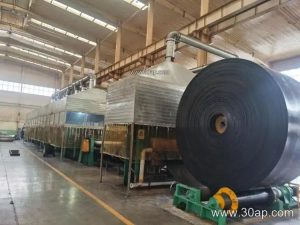
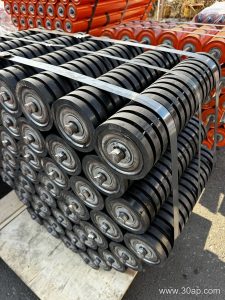
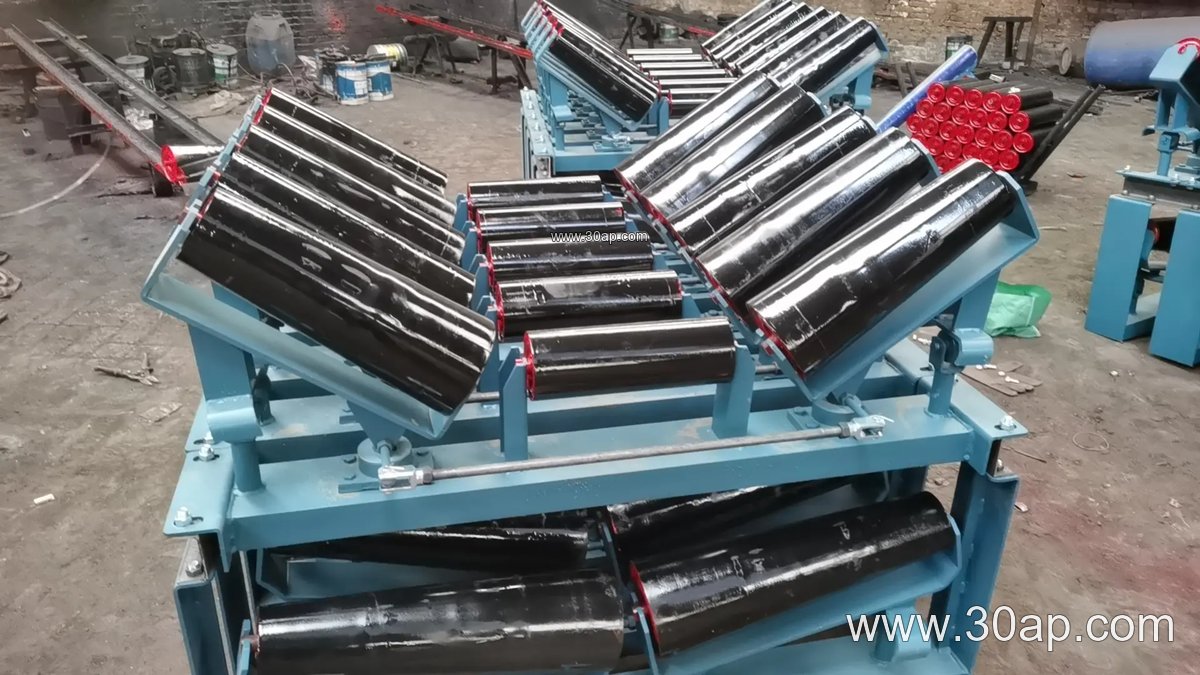
A three-roll idler set is the assembly that supports the conveyor belt on the carrying side of a belt conveyor. It consists of three idler rollers mounted in a frame, typically arranged in a trough shape to cradle the belt and keep bulk material centered. This three-roll troughing idler set is the most common configuration for medium to wide belts, and it directly influences belt tracking, material spillage, and overall conveyor efficiency. In industries such as mining, coal preparation, cement plants, power station coal handling, and aggregate quarries, the three-roll idler set works alongside the conveyor belt to ensure smooth transport of materials like ore, clinker, and crushed stone.
Construction and Key Components
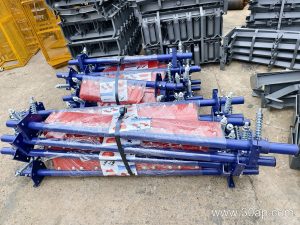
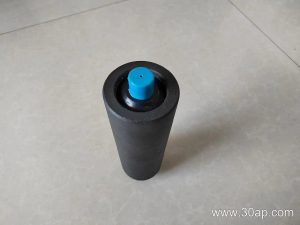
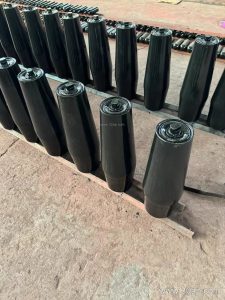
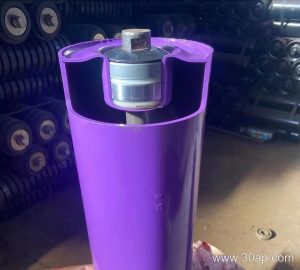
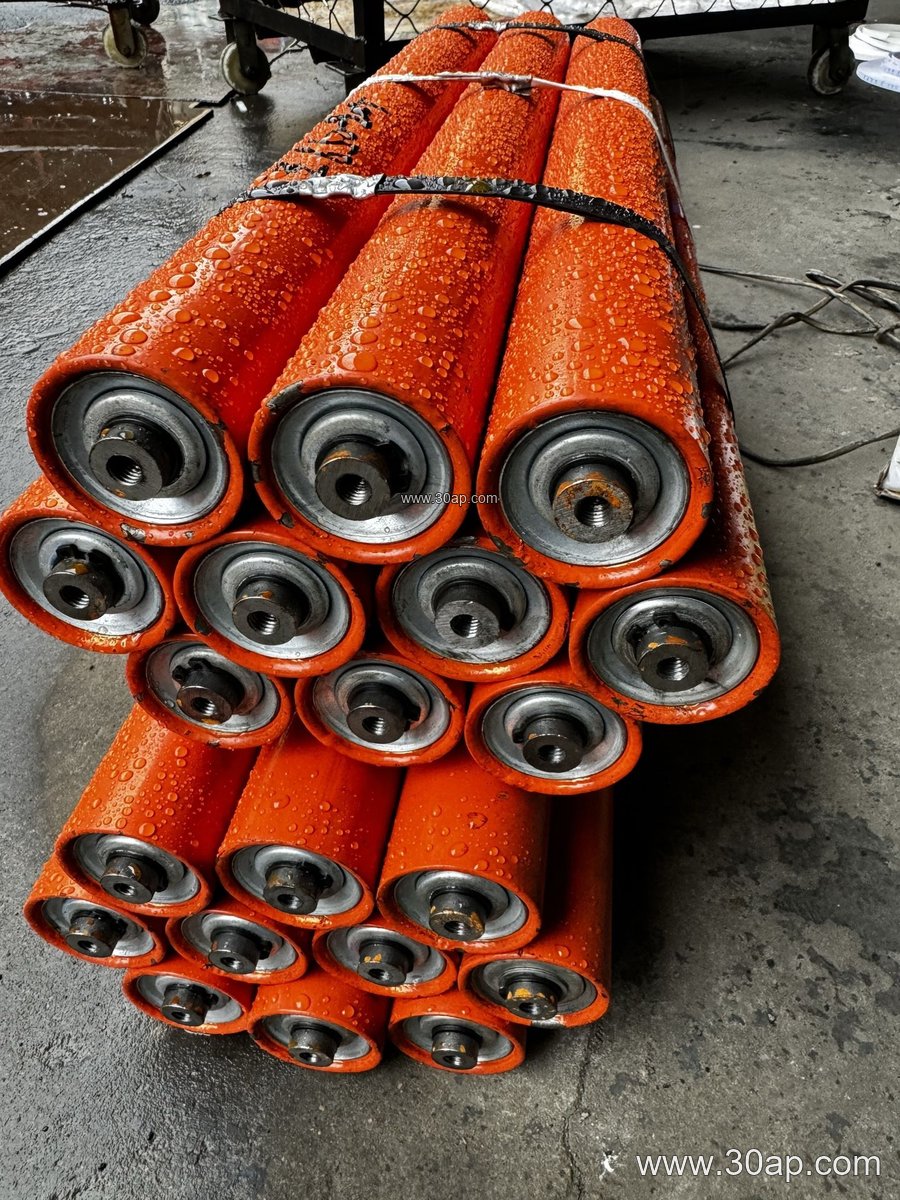
Each three-roll idler set is built around a sturdy frame, often called a conveyor bracket, which holds the three idler rollers at a fixed trough angle. The rollers themselves usually have a steel tube shell, with bearing housings at each end. Common roller diameters include Ø89, Ø108, Ø127, Ø133, and Ø159 mm, and the bearing size is matched to the load and speed—typical bearings are 6204, 6205, 6305, 6306, 6308, and 6310. The roller surface can be plain steel, nylon, or rubber rings for impact absorption. The three-roll configuration typically uses a longer center roller and two shorter side rollers; for example, on a B1000 belt with a 35-degree trough angle, the center roller might be around 380 mm long, while side rollers are shorter. These dimensions are design-specific and should be confirmed with the supplier.
Common Applications and Industries
Three-roll idler sets are widely used in harsh environments where continuous operation is critical. In a coal mining conveyor system, they support the belt through loading zones and along the main haulage path. In a cement plant, they carry clinker and raw meal, often in combination with a heat resistant conveyor belt. Aggregate operations and quarry conveyor lines rely on them for transporting crushed rock and sand. The three-roll design is particularly effective for bulk material conveyor belts because the trough shape prevents material from spilling and helps maintain belt alignment. In power plants, they are part of the coal handling system, often paired with a flame retardant conveyor belt for safety.
Selection and Sizing Guidelines
Choosing the right three-roll idler set involves matching the roller diameter and length to the belt width, trough angle, and load. The table below lists common examples of roller lengths for three-roll troughing sets; note that these are typical references, not fixed rules—side and center rollers can differ, and final dimensions depend on the conveyor design.
| Belt Width | Typical Roller Length (mm) | Common Trough Angle |
|---|---|---|
| B500 | 200 | 20°–35° |
| B650 | 250 | 20°–35° |
| B800 | 315 | 30°–35° |
| B1000 | 380 | 30°–35° |
| B1200 | 465 | 30°–45° |
| B1400 | 530 | 30°–45° |
| B1600 | 600 | 35°–45° |
| B1800 | 670 | 35°–45° |
| B2000 | 750 | 35°–45° |
Roller diameter should be selected based on belt speed and load: higher speeds and heavier loads generally require larger diameters such as Ø127 or Ø159 mm. The trough angle affects material cross-section and belt capacity—20° and 30° are common for light to medium loads, while 35° and 45° provide deeper troughing for higher capacities. The idler set must also be compatible with the conveyor pulley diameter and the belt’s tensile strength, especially when using high strength conveyor belts like EP1000 or ST1600.
Maintenance and Buyer Checklist
Regular inspection of the three-roll idler set helps prevent belt damage and downtime. Check for seized rollers, worn bearings, and frame misalignment. Lubrication schedules depend on the bearing type and operating conditions; sealed-for-life bearings require less frequent attention. When purchasing, confirm the following:
- Belt width and trough angle to match your conveyor design.
- Roller diameter and bearing size suitable for the load and speed.
- Roller surface material: steel for general use, rubber rings for impact zones.
- Frame dimensions and mounting hole spacing to fit existing conveyor bracket positions.
- Compatibility with the conveyor belt type, such as abrasion resistant conveyor belt or oil resistant conveyor belt in special environments.
Always request detailed drawings and material specifications from the manufacturer to ensure the three-roll idler set integrates smoothly with your conveyor system.