What a Belt Conveyor Idler Frame Does
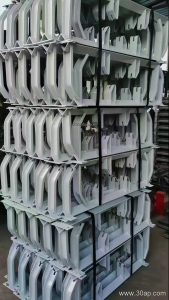
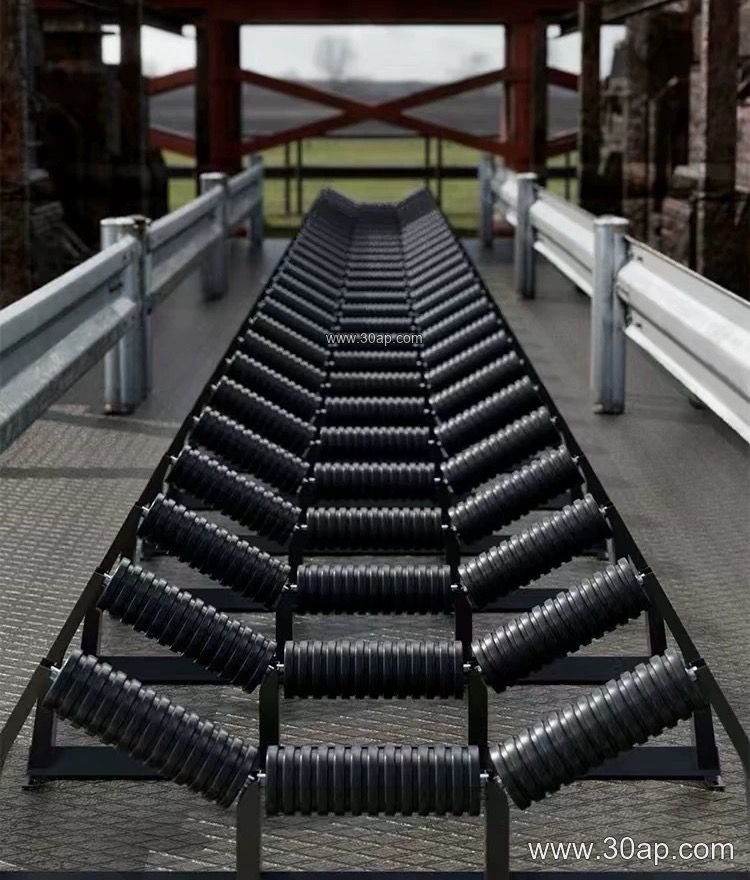
The belt conveyor idler frame is the structural backbone that holds idler rollers in the correct position under and along the conveyor belt. Often called a conveyor idler bracket or conveyor bracket, it is not a rotating part, but the fixed or adjustable support that keeps the belt profile stable from the loading point to the discharge. In a quarry, cement plant, or power plant coal yard, the frame determines the trough shape, the transition from flat to troughed belt, and the return path. Without a properly aligned frame, even a premium Rubber Conveyor Belt will mistrack and wear unevenly.
Construction and Common Types
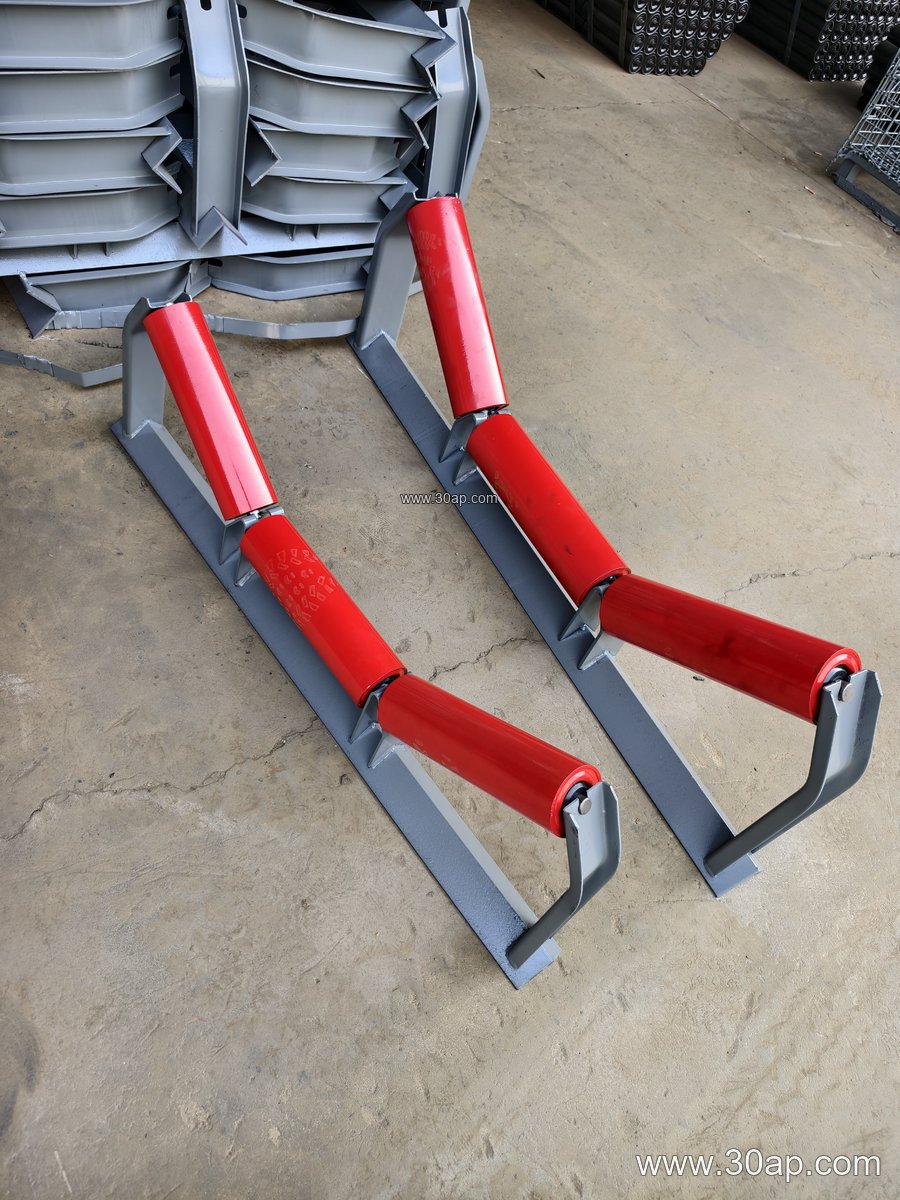
Most frames are fabricated from angle steel, channel steel, or folded steel plate. The material and thickness are chosen to suit the belt width, the load, and the support spacing. The main subtypes include troughing frames, transition frames, return frames, V-return frames, impact frames, self-aligning frames, and suspended or adjustable frames. Each has a distinct role: a transition frame eases the belt from flat to troughed, while an impact frame carries extra support at the loading zone. A self-aligning frame corrects minor belt drift, and an adjustable frame allows the trough angle to be changed on site. These are all belt conveyor idler frames; they are not interchangeable with drive pulleys, tail pulleys, or bend pulleys, which serve different functions in the conveyor drive and tensioning system.
Trough Angle, Belt Width, and Roller Diameter
The trough angle is a key design choice. Common values are 20, 30, 35, and 45 degrees. A 35-degree frame is widely used for general bulk materials, while a 45-degree frame may be selected for higher capacity or to prevent spillage on wider belts. Adjustable frames can be set between these angles. Roller diameter is matched to the belt width and load, with common sizes including Ø89, Ø108, Ø133, Ø159, and Ø194. The table below shows typical combinations, but these are examples, not fixed rules; actual selection depends on the conveyor design.
| Belt Width | Trough Angle | Roller Diameter | Typical Application |
|---|---|---|---|
| B650 | 30° | Ø89 | Light aggregate, sand |
| B800 | 35° | Ø108 | Coal, cement clinker |
| B1000 | 35° | Ø133 | Iron ore, limestone |
| B1200 | 45° | Ø133 | High-capacity coal, quarry rock |
| B1400 | 45° | Ø159 | Heavy-duty mining, port loading |
Mounting hole spacing and crossbeam length vary with belt width and trough angle, so they should be confirmed against the conveyor layout rather than assumed from a single dimension. A wider belt does not automatically dictate one specific roller diameter, and a given belt width can be paired with different trough angles depending on the material and operating conditions.
Where It Fits in the Conveyor System
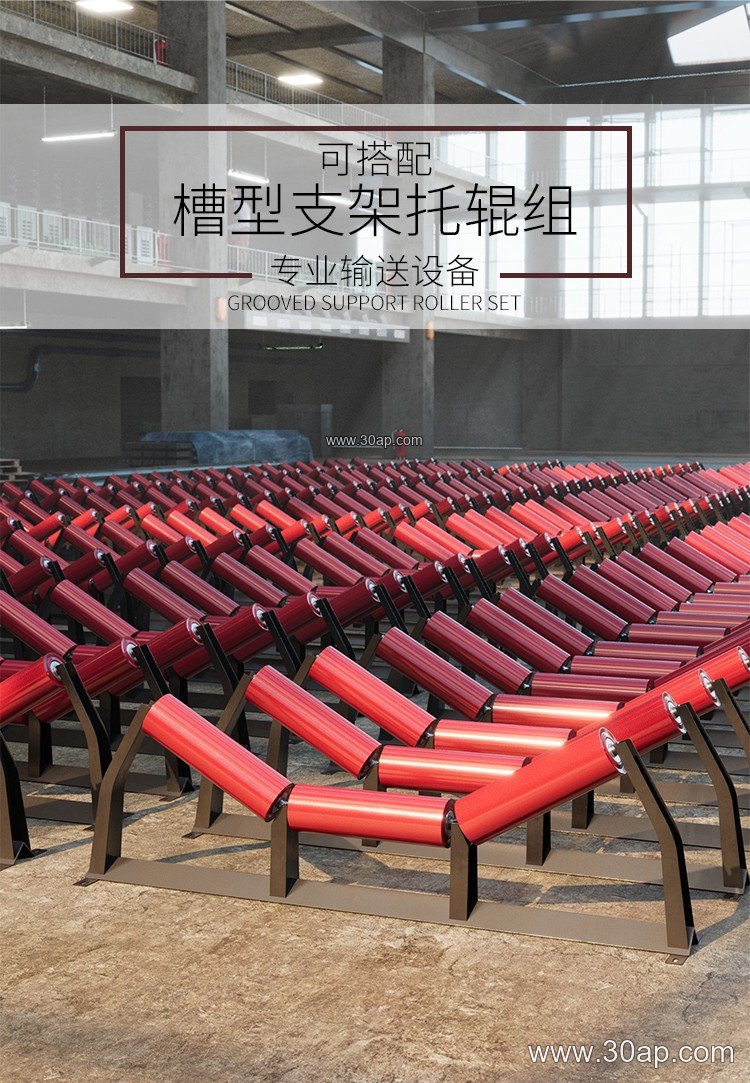
In a stone crushing line, the frames are spaced along the carrying side to support the EP Conveyor Belt and maintain the trough. On the return side, V-return frames or flat return frames support the empty belt. At the head and tail, transition frames gradually change the belt shape before it reaches the conveyor pulley. In underground coal mining, flame-retardant belts such as PVG800S Conveyor Belt are common, and the frames must be robust enough to handle lump coal and occasional impact. In a cement plant, heat-resistant or abrasion-resistant belts may be used, and the idler frames must keep alignment under dusty, high-temperature conditions. The frame also interacts with the belt cleaner and the skirtboard at the transfer point, so correct height and angle matter.
Selection and Maintenance Notes for Buyers
When specifying a belt conveyor idler frame, confirm the belt width, the required trough angle, the roller diameter, and the mounting dimensions. Ask whether the frame is fixed or adjustable, and check the material and finish for the environment—for example, a coal mine may require flame-retardant and anti-static properties in the belt, while a fertilizer plant may need corrosion resistance. The frame itself should be rigid enough to resist vibration and belt pull. During maintenance, inspect for bent crossbeams, loose bolts, and worn idler seats. A misaligned frame can cause the belt to run off-center, damage the edge, and reduce the life of the idler roller. Replacing a frame is straightforward when the mounting pattern matches, but it is not a substitute for correcting the underlying conveyor alignment or loading conditions.
For more information on compatible belts and components, visit en.30ap.com.