What the ST2500 Conveyor Belt Is
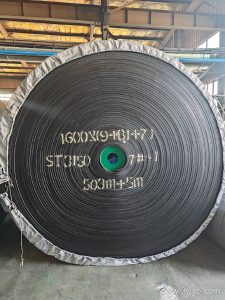
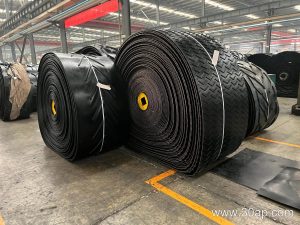
The ST2500 Conveyor Belt is a steel cord conveyor belt with a nominal tensile strength of 2500 N/mm. It belongs to the steel cord family, where high-carbon steel cables run longitudinally through the rubber carcass instead of fabric plies. That construction gives the belt very high longitudinal strength with limited elongation, which suits long centre distances and heavy bulk material flows in mines, cement plants, power stations, ports and large crushing circuits. In the strength series, ST2500 sits between ST2000 and ST3150, so it is often chosen where ST2000 is marginal but the duty does not call for the top of the range.
Construction and Naming
The belt is built around parallel steel cords, usually galvanised to improve adhesion, embedded in a core rubber compound. Top and bottom cover rubber protect the cords from abrasion, impact and moisture. Because the cords carry the tension, the belt typically shows much lower stretch than a fabric core belt, which helps keep take-up travel modest on long conveyors.
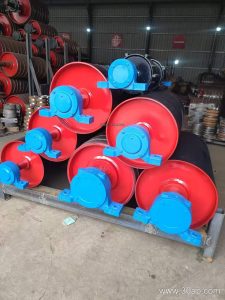
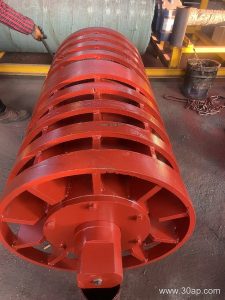
Two naming points are worth clarifying. First, ST2500 is the belt strength grade, not a pulley or idler designation. Second, the pulleys in the conveyor are separate components: the drive pulley transmits torque, the tail pulley returns the belt, and bend pulleys guide it through transitions. They are not interchangeable with each other, and none of them is part of the belt itself. If you are sourcing a complete conveyor, specify the belt grade and the pulley set separately.
Typical Reference Data
The values below are common reference points, not a universal specification. Final figures are set by the belt design and confirmed by the manufacturer.
| Item | Common Reference Range |
|---|---|
| Strength grade | ST2500 (between ST2000 and ST3150) |
| Belt width | B800, B1000, B1200, B1400, B1600, B1800, B2000 |
| Cover thickness | 6+2 mm, 8+3 mm and other designs |
| Cover grades | Abrasion resistant, heat resistant, flame retardant, oil resistant, cold resistant, anti-static |
| Typical industries | Mining, coal, cement, power, quarry, port |
Width and cover thickness should follow the tonnage, lump size and loading conditions of the line. A wider belt is not automatically better; it must match the pulley face, frame and skirt clearance. Belt width alone does not fix shaft diameter or pulley diameter, so those are calculated from the full conveyor design.
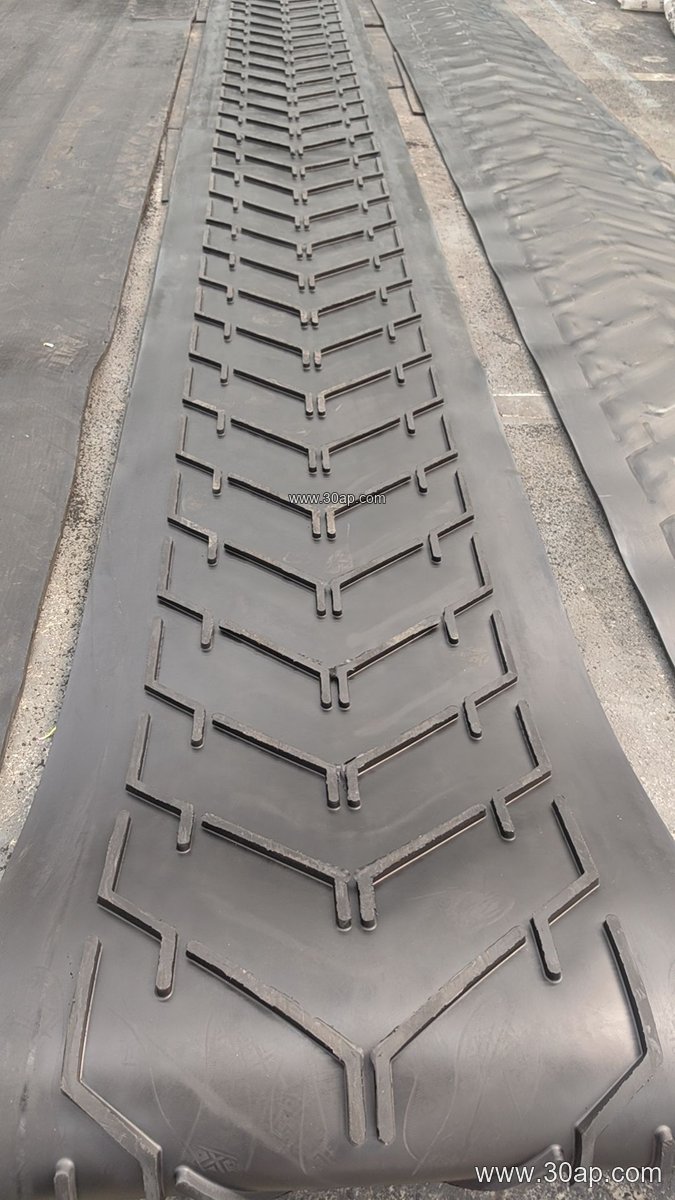
Where It Fits in the Plant
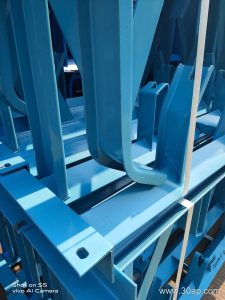
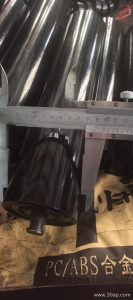
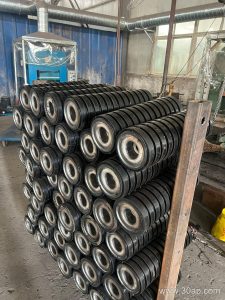
High-strength steel cord belts are common on main haulage lines in Mining Conveyor Belt duty, on long overland runs at cement works, and on coal handling systems feeding power stations. They also appear in quarry and port operations where a single flight must carry a large tonnage over a long distance. In these circuits the belt works together with idler rollers that support the load, conveyor pulleys at the ends and bends, and conveyor brackets that hold the structure together. A well-matched Steel Cord Conveyor Belt reduces the number of transfer points and keeps the material stream continuous.
Selection Points for Buyers
- Confirm the required strength grade against the calculated tension, not against habit. ST2500 is a working grade, not a default.
- State the material: coal, limestone, clinker, ore or aggregate. This drives the choice of abrasion resistant or flame retardant cover.
- Give the belt width and cover thickness together with the conveyor profile, so the manufacturer can check transition and pulley requirements.
- For underground coal work, flame retardant and anti-static properties are usually required; for hot clinker or sinter, a heat resistant cover is needed.
- Ask for the cord pitch and cover compound data if the belt will run on small pulleys, because cord spacing affects flexibility.
Installation and Care
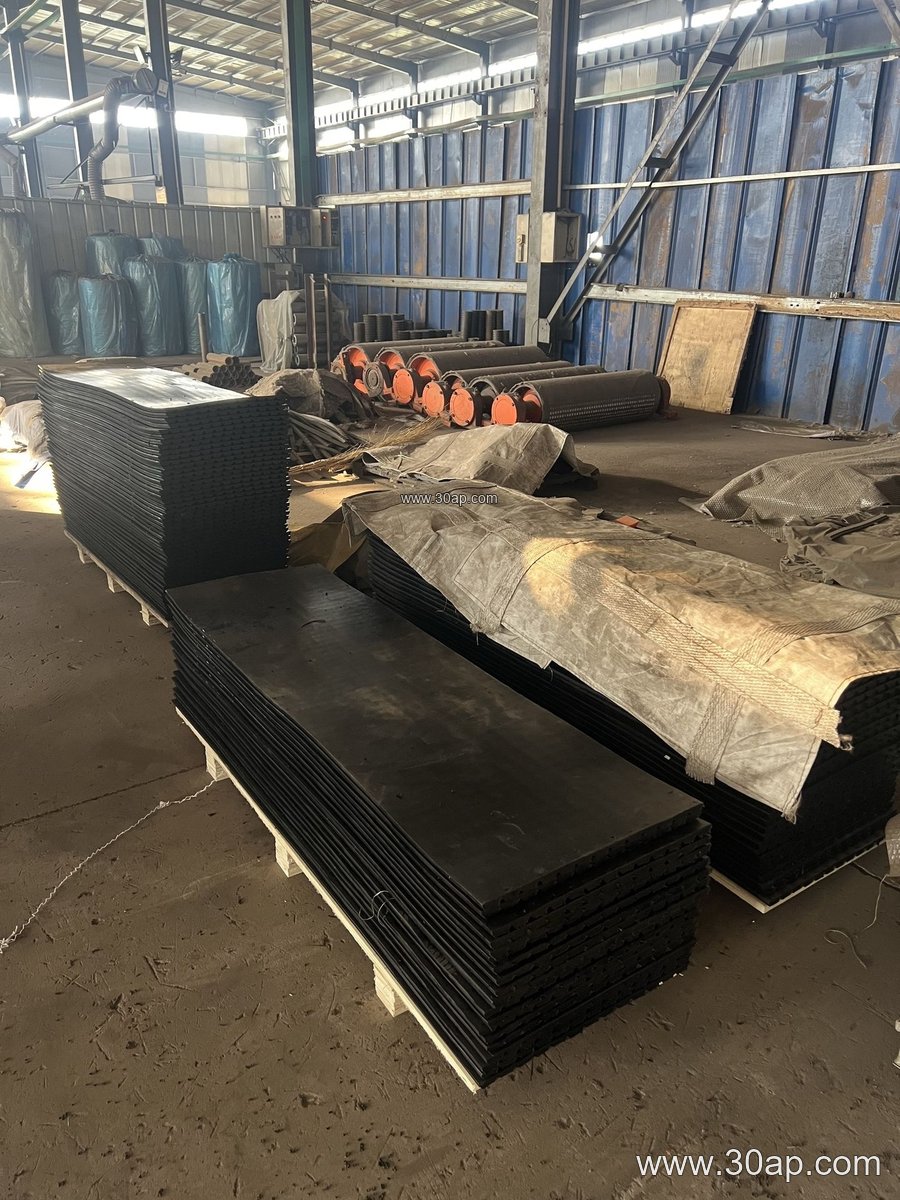
Long steel cord belts need careful splicing, usually vulcanised, and correct alignment during installation. Check idler rollers for seized bearings, keep the drive pulley lagging in good condition, and inspect the belt edges for cord exposure. Store spare belt rolls flat and dry, and avoid sharp bends that can damage the cords. Tension settings should follow the conveyor design rather than being tightened by feel, since over-tensioning shortens splice life.
Where a fabric belt is used on short auxiliary lines, an EP Conveyor Belt may be the simpler choice. For the main high-tonnage run, the ST2500 grade gives the strength reserve that keeps a long conveyor stable. Matching the belt to the pulley set, idler rollers and supporting frame is what makes the whole system reliable.