What a High-Capacity Conveyor Idler Does on a Demanding Line
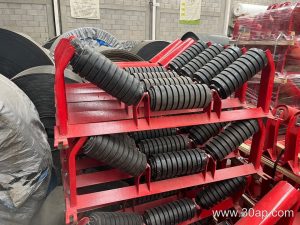
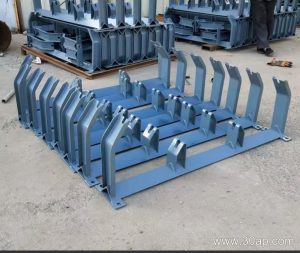
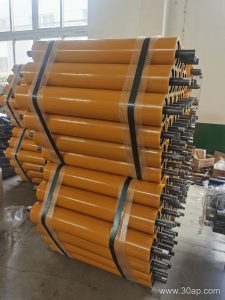
A high-capacity conveyor idler is the rotating support that carries a loaded belt in a quarry, coal preparation plant, iron ore terminal, or power station coal yard. Where a standard idler may be adequate on a short transfer, a high-capacity conveyor idler is built for wide belts, heavy material loads, and long operating hours. It keeps the belt profile stable, limits sag between frames, and protects the belt cover from concentrated wear. In practice, the idler works together with the conveyor belt, the conveyor pulley at the drive and tail, and the conveyor bracket that fixes each station to the stringer.
Construction Details That Separate It from a Light-Duty Roller
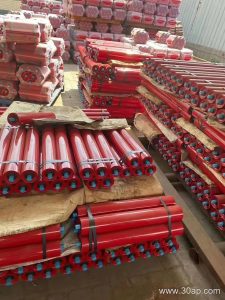
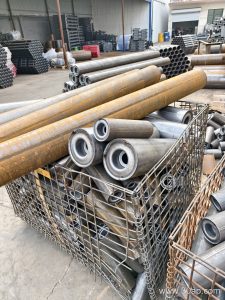
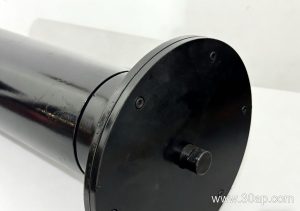
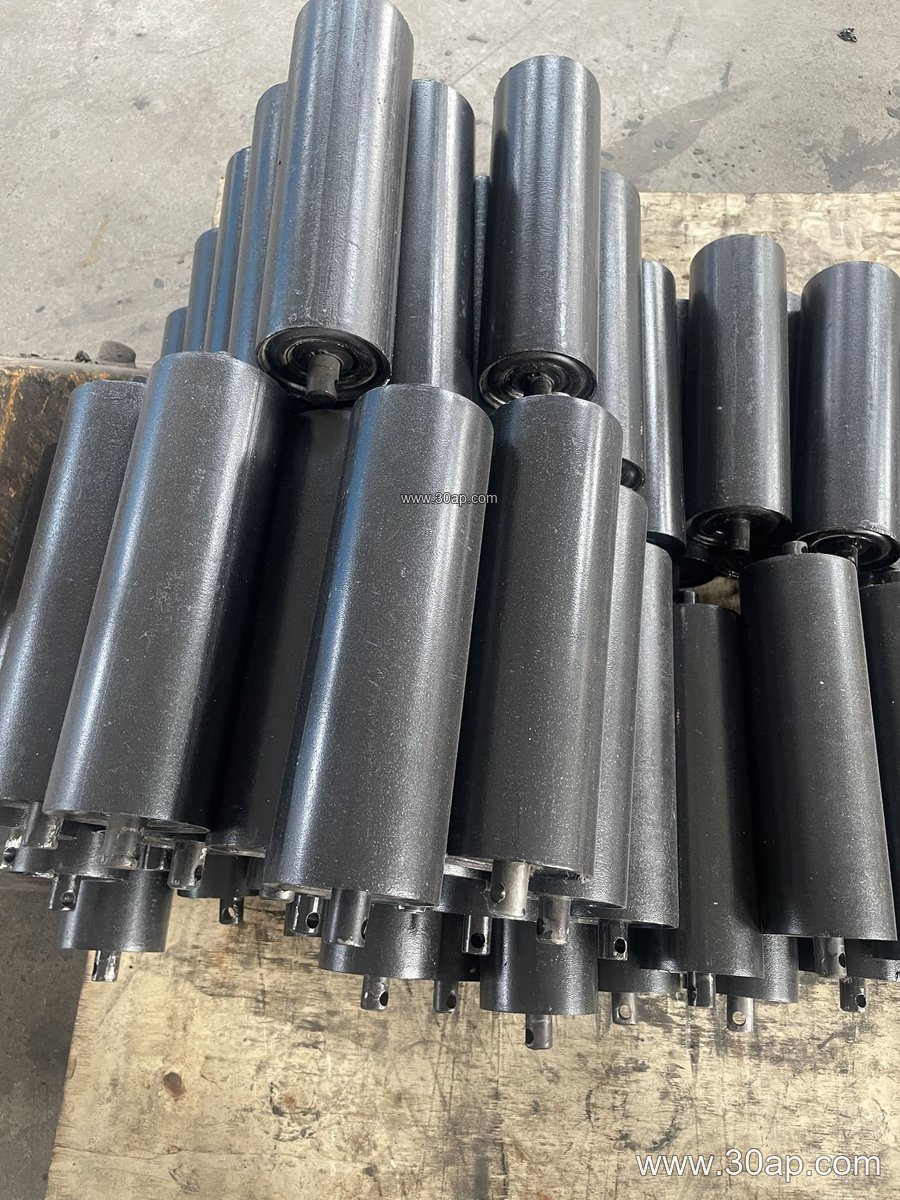
The basic form is familiar: a steel tube shell, a shaft, bearing housings, and a sealing arrangement. On a high-capacity unit, the shell wall is thicker, the shaft is sized to the actual load rather than to a nominal belt width, and the bearing selection is matched to the duty. Common bearing numbers include 6205, 6305, 6306, 6308, and 6310, but no single bearing is tied to one roller diameter. Sealing matters as much as load rating in dusty stone crushing circuits and wet coal handling, because grit entering the bearing is the usual cause of seizure.
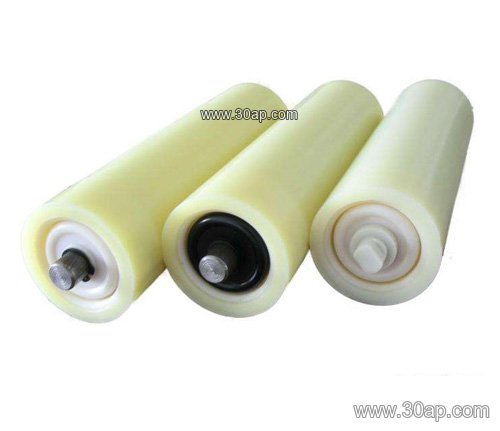
Roller surfaces vary with the job. A plain steel shell suits clean, abrasive-free duty. A rubber ring version absorbs impact at the receiving point below a crusher. Ceramic or nylon covering can help where sticky material builds up on the shell. Each of these is still a high-capacity conveyor idler; the surface is a wear decision, not a different product category.
Common Sizes and Arrangements
Diameter and length are selected from belt width, trough angle, belt speed, and material density. The table below gives typical reference values, not fixed matches. Side rollers and the centre roller in a three-roll set usually differ in length.
| Reference item | Typical range or example | Note |
|---|---|---|
| Roller diameter | Ø89, Ø102, Ø108, Ø127, Ø133, Ø159, Ø178, Ø194, Ø219 | Larger diameters suit higher loads and longer spans |
| Belt width | B650, B800, B1000, B1200, B1400, B1600, B1800, B2000 | Selected by throughput and material size |
| Three-roll trough set, common roller length | B800 about 315 mm; B1000 about 380 mm; B1200 about 465 mm; B1400 about 530 mm; B1600 about 600 mm | Centre and side rollers may differ |
| Trough angle | 20°, 30°, 35°, 45° | Higher angles contain the load on wide belts |
| Bearing reference | 6204, 6205, 6305, 6306, 6308, 6310 | Matched to load and speed by design |
Arrangement also changes along the conveyor. Carrying positions normally use a three-roll trough set. The return side may use a flat roller or a V-return set to help centre the belt. Impact zones call for cushion idlers with rubber rings, while a self-aligning station is added where the belt tends to wander. These are positions within the same idler family, and each is chosen for its location rather than substituted for another.
Where It Fits in the Plant
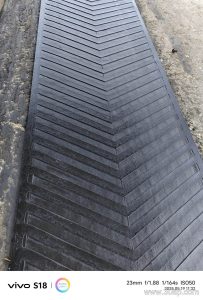
In a limestone quarry or aggregate line, high-capacity idlers support the belt after primary crushing, where lump size is still large and dust is constant. In a coal-fired power plant, the coal yard and transfer houses rely on them to keep long overland conveyors running with minimal downtime. The same components appear in cement plants handling clinker and raw meal, and in port ship-loading systems where a wide belt moves bulk material at high tonnage. The belt itself may be an abrasion resistant conveyor belt, a flame retardant conveyor belt for coal service, or a heat resistant conveyor belt near kiln discharge; the idler specification should follow the belt and the environment.
What a Buyer Should Confirm Before Ordering
- Belt width, trough angle, and the number of rolls per station, so roller lengths are correct.
- Roller diameter and shaft size based on actual load and belt speed, not on belt width alone.
- Bearing and sealing class for dust, water, or washdown conditions.
- Shell surface: plain steel, rubber ring, nylon, or ceramic, according to impact and sticking behaviour.
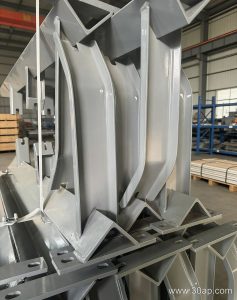
- Frame interface, including the conveyor bracket hole spacing and mounting height.
- Spacing plan along the conveyor, with closer spacing at load points and transitions.
It also helps to confirm how the idler will be inspected and replaced. A high-capacity conveyor idler that is difficult to change can cost more in downtime than in purchase price. Buyers working with an EP conveyor belt or a steel cord conveyor belt should check that the selected roller diameter and bearing arrangement suit the belt tension and speed of that specific installation.