What an Aggregate Conveyor Belt Does
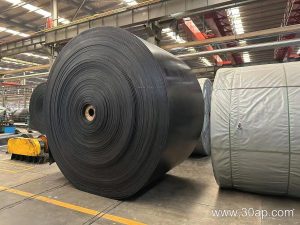
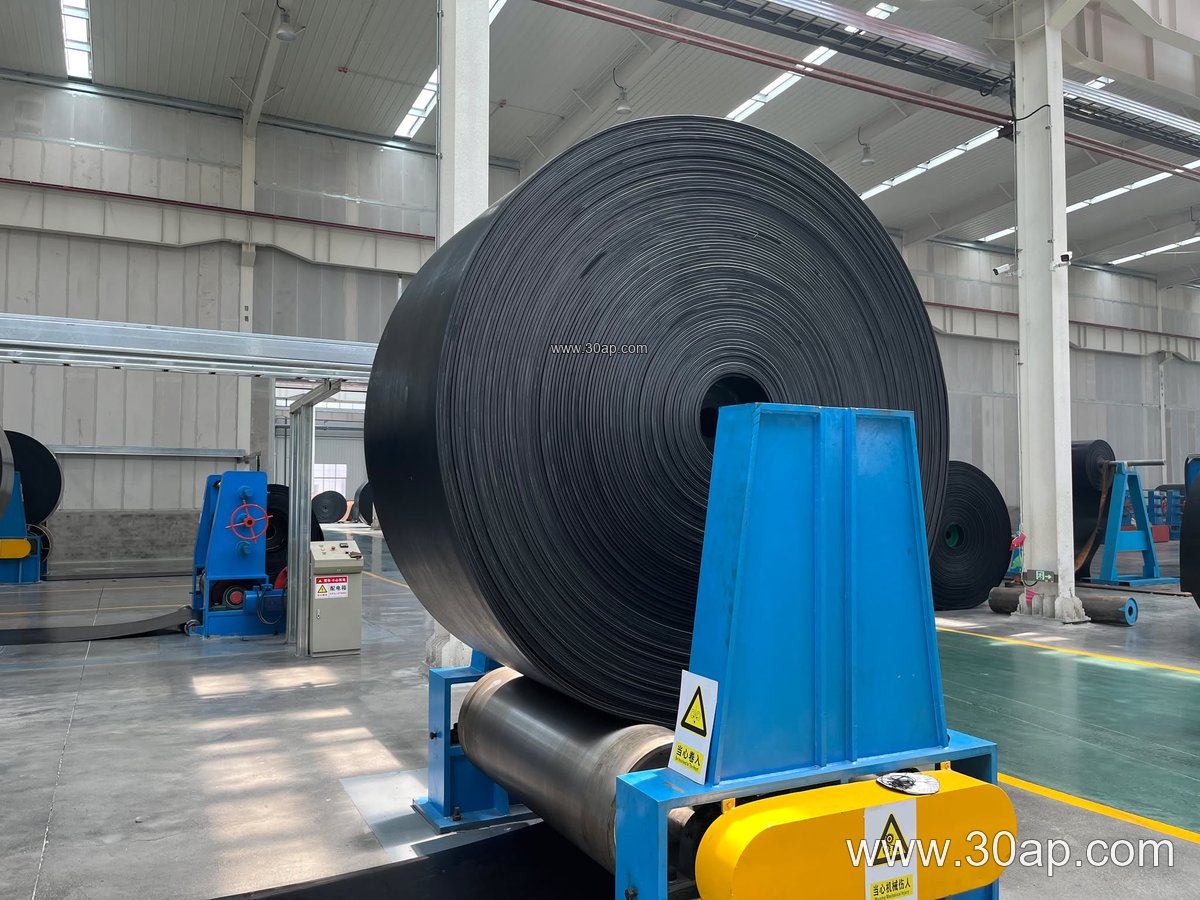
An aggregate conveyor belt is the load-carrying component on a belt conveyor that moves crushed stone, sand, gravel and screened rock between the crusher, screen deck, stockpile and load-out point. It is a heavy-duty bulk material conveyor belt built to survive sharp edges, drop impact and constant abrasion. Because the material is usually dry, angular and variable in lump size, the belt has to combine cut resistance with enough flexibility to trough properly on the carrying idler rollers and track cleanly over the tail and bend pulleys.
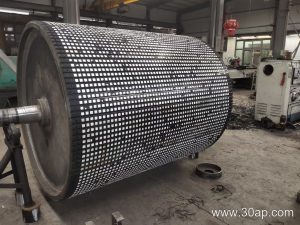
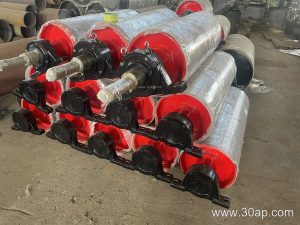
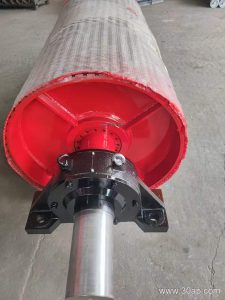
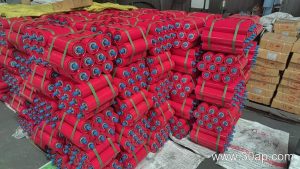
In practice the belt is one part of a system. The conveyor pulley at the drive end supplies traction, the tail pulley returns the belt, and conveyor brackets and frames hold the idler roller sets in alignment. A well-matched belt and structure keep the line running without spillage or tracking problems.
Construction of a Typical Aggregate Belt
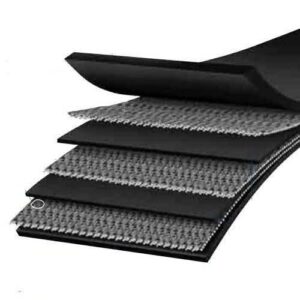
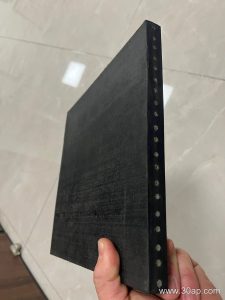
Most belts in this service are fabric-cored, with EP (polyester warp, nylon weft) or NN (nylon/nylon) carcass layers covered by rubber. The carcass carries tension, the top cover absorbs impact and abrasion, and the bottom cover protects the pulley side. A quarry or sand plant often uses an abrasion resistant conveyor belt with a thicker top cover, while a crusher discharge point may call for an impact resistant grade.
Common reference values, confirmed per project rather than fixed rules, are shown below.
| Item | Typical reference range |
|---|---|
| Belt width | B500, B650, B800, B1000, B1200, B1400, B1600, B1800 |
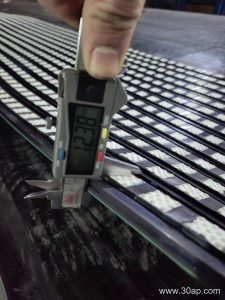
| Carcass type | EP or NN fabric core, 2 to 6 plies; steel cord for long or high-tension runs |
| Strength grade | EP200, EP315, EP400, EP500, EP630, EP800, EP1000 |
| Cover thickness | 3+1.5, 4+2, 5+2, 6+2, 8+3 mm |
| Special grades | Abrasion resistant, heat resistant, oil resistant, flame retardant |
These values are design data; actual cover and ply choice depends on lump size, fall height, throughput and the pulley diameters selected for the drive, tail and bend positions. Belt width and pulley diameter are matched by calculation, not by a single fixed table.
Where It Is Used
Aggregate belts appear across mining, quarrying, cement plants, power plants and construction material yards. A stone crushing line uses them under the primary crusher and between screens; a sand making plant uses them on fine and washed product lines; a port or ship loading terminal uses wide belts for fast stockpile transfer. Similar heavy-duty mining conveyor belt designs serve iron ore, copper ore and coal handling, where flame retardant or anti-static properties may also be required underground.
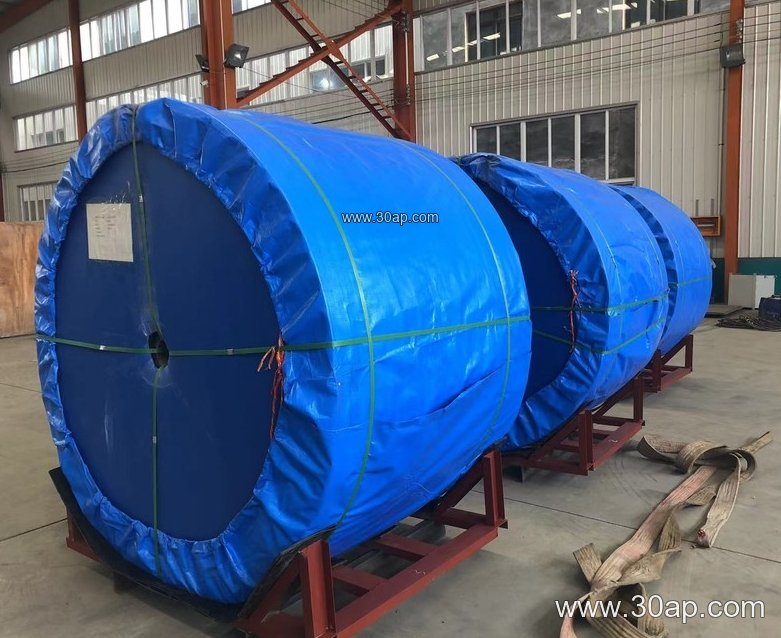
Where the route climbs steeply, a chevron conveyor belt or a corrugated sidewall conveyor belt can be considered instead of a standard smooth belt, because those profiles help hold material on the incline. That is a comparison only: for flat and gently inclined aggregate runs the standard smooth belt remains the normal choice.
Selection Points for Buyers
- Material and lump size: sharp, large rock calls for thicker covers and impact-tolerant carcass; sand and fine gravel may allow a lighter grade.
- Tension and length: long or high-lift conveyors may justify a steel cord conveyor belt or a higher EP grade such as EP1000 or EP1250.
- Environment: dusty, wet or wash-down areas affect cover choice and pulley lagging; cold climates may need a cold resistant grade.
- Safety grades: coal and underground service often require flame retardant and anti-static properties.
- System fit: confirm belt width against trough angle, idler roller spacing and pulley face width before ordering.
Ask for the carcass type, ply count, cover thickness and strength grade in writing, and check that the quoted belt suits the actual drive, tail and bend pulley arrangement on site.
Installation and Maintenance Notes
Correct storage, square cutting and proper splicing matter as much as the belt specification. An endless conveyor belt spliced on site avoids mechanical fasteners that can catch on skirt rubber. Keep idler rollers turning freely, check pulley lagging for wear, and re-tension if the belt slips. Misalignment usually shows first at the tail pulley or at a bend pulley, so inspect tracking after any structure adjustment. Cleaning spillage at transfer points reduces edge damage and extends cover life.
For more conveyor belt specifications, pulley and idler roller options, and related components, visit Aggregate Conveyor Belt or browse the Rubber Conveyor Belt and EP Conveyor Belt ranges, along with conveyor pulley and idler roller information. Final selection should always be confirmed against your conveyor design and operating conditions.