What a Self-Aligning Idler Bracket Does
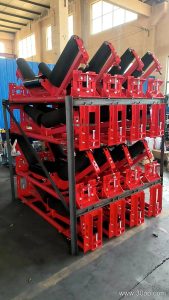
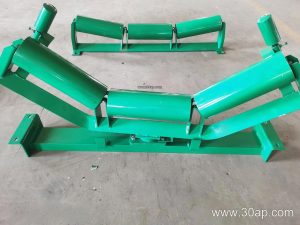
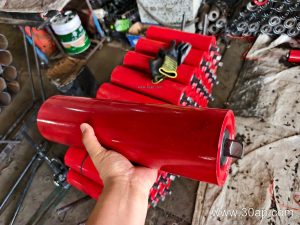
A self-aligning idler bracket is a conveyor component that holds the idler roller at a slight angle so the belt corrects its own path. When a conveyor belt drifts to one side, the bracket pivots or is set with a small lead angle, and the roller steers the belt back toward the center. This bracket is common on the carrying side and is often used together with a training idler set. It is not a drive pulley or a tail pulley; those parts transmit power and change belt direction, while the self-aligning bracket works on belt tracking.
How the Bracket Is Built
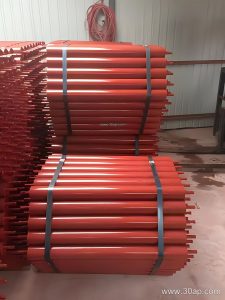
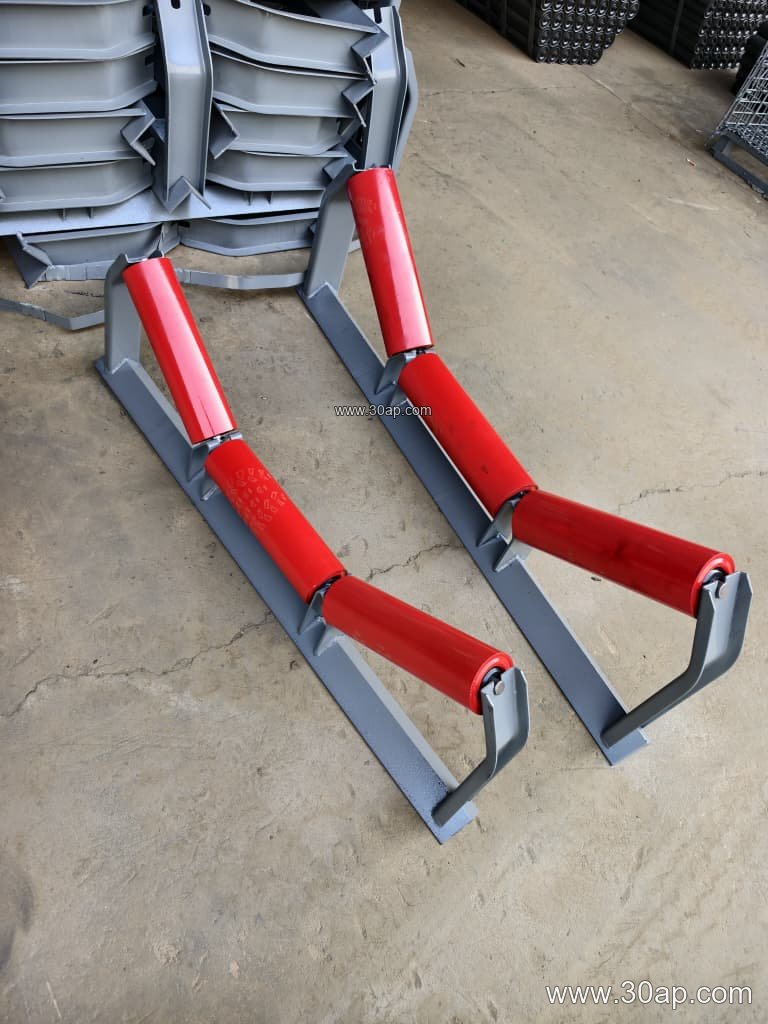
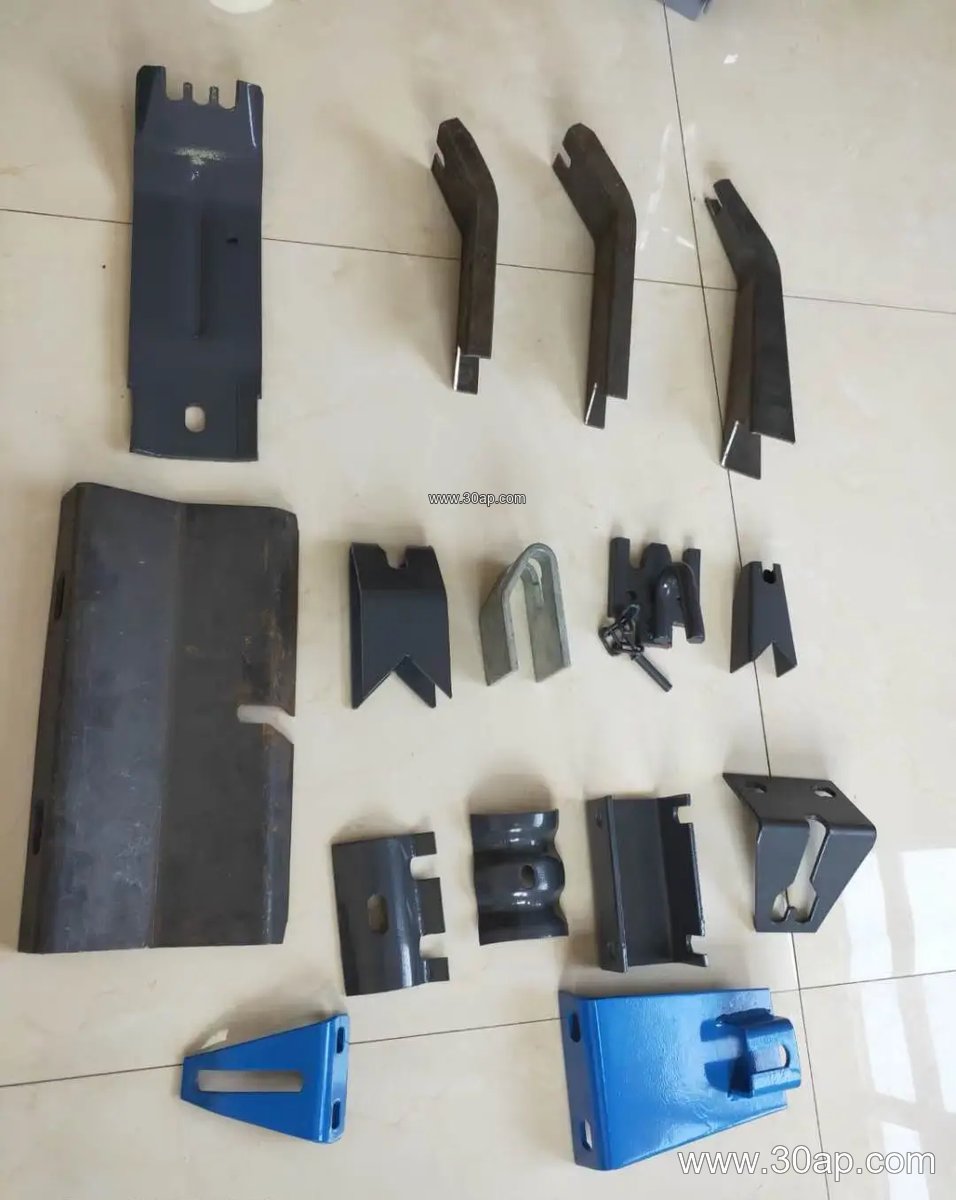
Most self-aligning idler brackets are made from angle steel, channel steel, or folded steel plate. The frame usually has a pivot point, a mounting base, and a roller seat that can be adjusted. Some designs use a vertical pivot shaft and a linkage that lets the bracket swing when the belt touches a guide roller. Others use a fixed bracket with slotted holes so maintenance staff can set a small forward tilt, often around 1.5 to 2 degrees. The bracket must be strong enough to carry the belt load and stiff enough to keep the roller in line.
Where It Fits on the Conveyor
The self-aligning bracket is normally installed on the carrying side, a short distance after the feed point or before a transfer chute. In a quarry or sand and gravel line, it helps keep an aggregate conveyor belt centered after uneven loading. In a coal handling system at a power plant, it can work with a flame retardant conveyor belt to reduce edge wear. The bracket is also used on the return side in some designs, but the return bracket and the self-aligning bracket are not the same part; the return bracket supports the belt on the lower run, while the self-aligning bracket is selected for training.
Common Configurations and Sizes
Bracket dimensions follow belt width, trough angle, and roller diameter. The table below shows typical reference combinations; actual mounting hole spacing and beam length are determined by design.
| Belt Width | Trough Angle | Roller Diameter | Typical Bracket Style |
|---|---|---|---|
| B500 | 20° | Ø89 | Adjustable self-aligning |
| B650 | 30° | Ø89 | Pivot training bracket |
| B800 | 35° | Ø108 | Forward-tilt bracket |
| B1000 | 35° | Ø133 | Self-aligning trough bracket |
| B1200 | 45° | Ø133 | Adjustable training bracket |
| B1400 | 45° | Ø159 | Heavy-duty self-aligning |
| B1600 | 35° | Ø159 | Pivot bracket |
| B1800 | 45° | Ø194 | Heavy-duty training bracket |
| B2000 | 35° | Ø194 | Adjustable bracket |
These values are common references, not fixed rules. A B800 belt may use a 30° or 45° trough angle depending on the material and conveyor design, and the roller diameter is selected from load and speed, not from belt width alone.
Selection and Maintenance Notes
Buyers should confirm the belt width, trough angle, roller diameter, and mounting pattern before ordering. The bracket should match the idler roller end type, and the pivot or slot adjustment should be accessible for service. In a cement plant or steel plant, dust and heat can affect the pivot, so periodic cleaning and checking of the locking bolts is useful. A self-aligning idler bracket works best when the belt is already in reasonable condition; a badly damaged belt or an off-center pulley will not be corrected by the bracket alone. For high-abrasion service, pair the bracket with an abrasion resistant conveyor belt and check the roller seat for wear. In a tunnel or underground mining conveyor, use a flame retardant conveyor belt where required and keep the bracket clear of buildup.
Related Components and Installation Tips
The self-aligning bracket is one part of the belt training system. It should be installed square to the conveyor centerline, with the pivot free to move. The idler roller should rotate freely, and the bracket should not be over-tightened. When the conveyor uses a heavy-duty mining conveyor belt or a steel cord conveyor belt, the bracket frame and roller seat should be sized for the higher tension and load. Always check that the bracket does not interfere with the conveyor pulley, skirt rubber, or chute. A small forward tilt, set by the manufacturer or by the maintenance team, is usually enough to start the belt moving back to center.