What the Ø108 Mining Idler Is
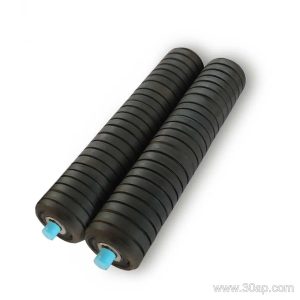
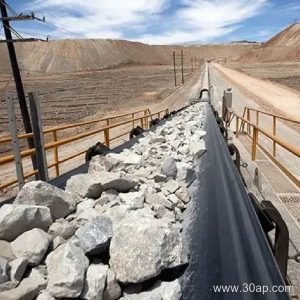
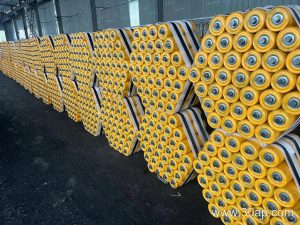
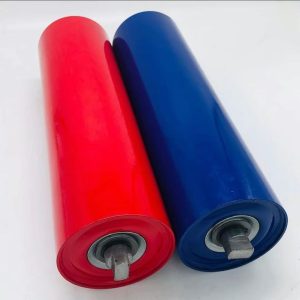
The Ø108 mining idler is a heavy-duty carrying roller with a nominal diameter of 108 mm, built for the punishing conditions of mineral extraction and bulk handling. In a conveyor line, these idlers form the trough that supports the conveyor belt and the material load, reducing friction and keeping the belt tracking smoothly. The 108 mm diameter sits in the mid-to-heavy range, making it a common choice for main haulage conveyors in coal mines, iron ore operations, and large quarry plants where reliability matters more than saving every gram of weight.
Also called a 108 mm belt conveyor idler or Ø108 troughing roller, this component is not a drive pulley, tail pulley, or bend pulley. Those are separate conveyor pulley types with different roles at the head, tail, and curve points of the system. The Ø108 mining idler belongs strictly to the idler family, and its job is continuous load support along the carrying and return sides.
Construction and Key Components
A typical Ø108 mining idler is built around a steel tube shell, often with a wall thickness selected for the belt width and load. Inside, the bearing housing and sealing arrangement determine how long the roller lasts in dust, moisture, and grit. Common bearing sizes for this diameter include 6205, 6305, and 6306, but the exact match depends on shaft design and load rating, not on the diameter alone. Seals may be labyrinth type, felt, or multi-stage lip seals, and the choice affects maintenance intervals in coal dust or abrasive ore environments.
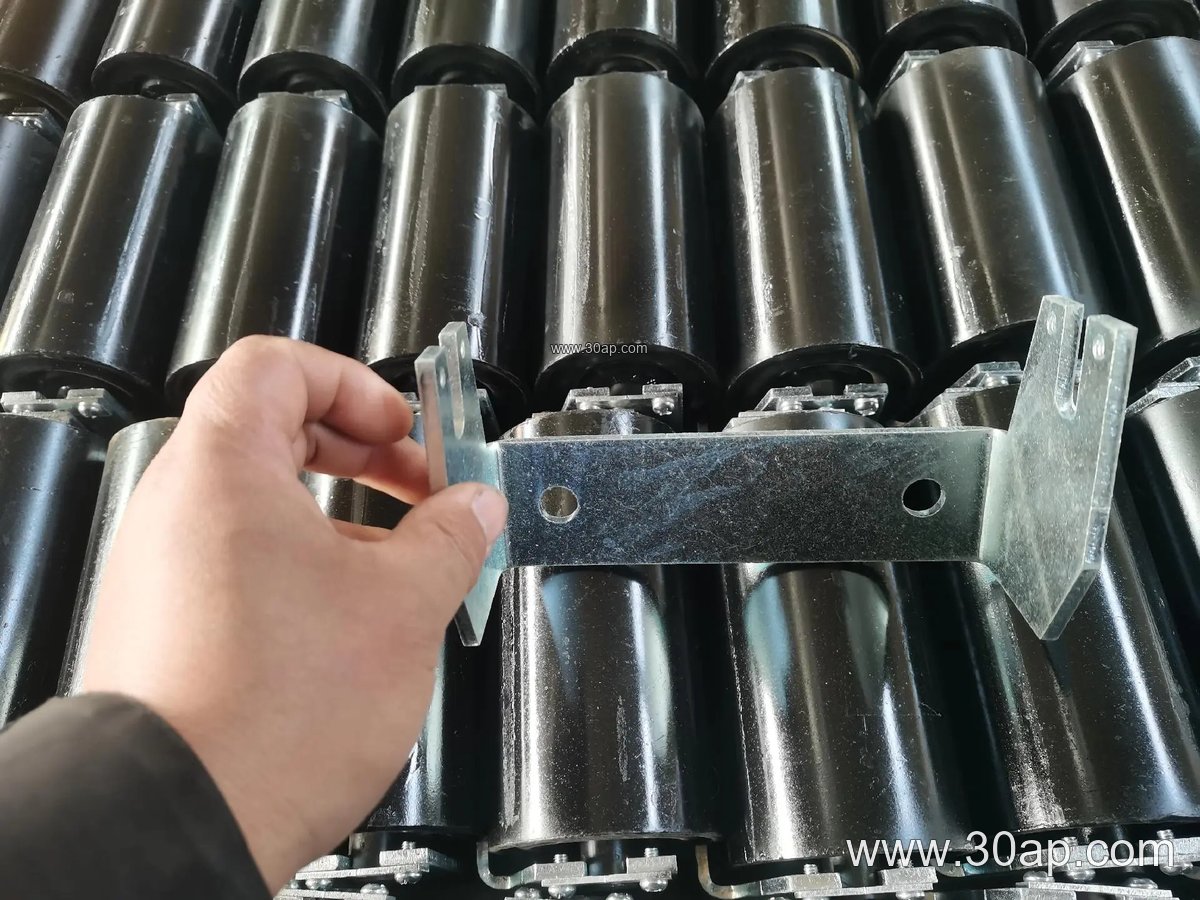
The roller surface can be plain steel, nylon-coated, ceramic-covered, or fitted with rubber rings. Rubber ring impact idlers are often used at transfer points where the belt receives falling rock, while plain steel shells suit standard carrying runs. The shaft ends are usually machined to fit conveyor brackets or frames, and the whole assembly must be balanced to run true at belt speeds typical of mining conveyors.
Where Ø108 Idlers Fit in the Line
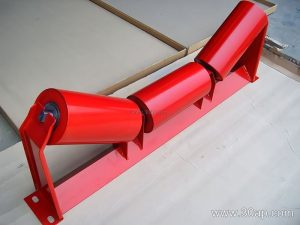
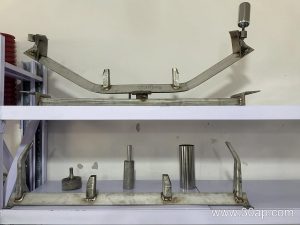
These idlers appear in three-roll troughing sets, two-roll sets, and single-roll arrangements, depending on the belt width and the trough angle. Common trough angles are 20, 30, 35, and 45 degrees; a 35-degree trough is widespread in mining, but the right angle depends on material characteristics and belt stiffness. Transition idlers are used near pulleys to ease the belt from flat to troughed profile, and return idlers support the empty belt on the way back.
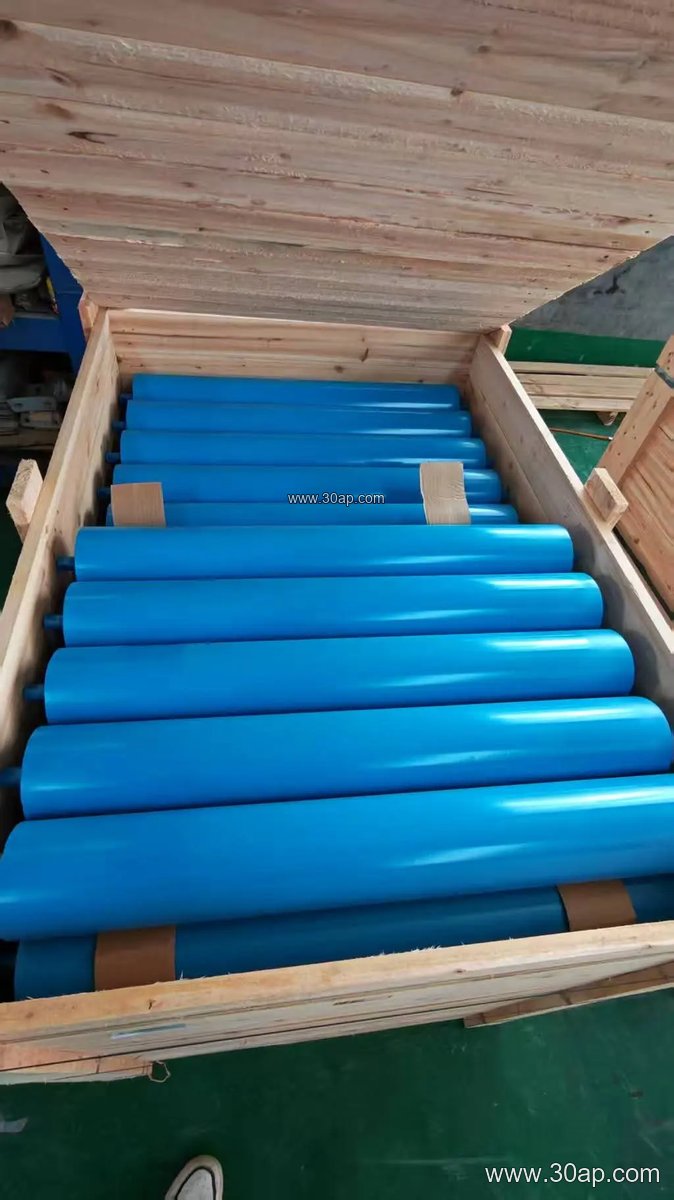
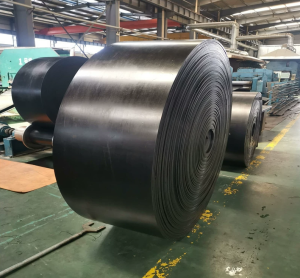
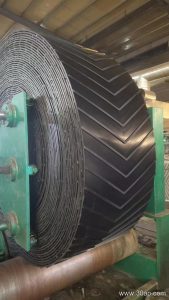
In a coal mine, a Ø108 mining idler may carry a flame retardant conveyor belt or a PVG conveyor belt on the main gate roadway. In an iron ore plant, it might support a steel cord conveyor belt or a heavy-duty EP conveyor belt on a long overland run. Aggregate quarries often pair these rollers with abrasion resistant conveyor belts and chevron conveyor belts on inclines. The idler itself does not change the belt type, but the belt and idler must be matched for load, speed, and environment.
Typical Roller Length Reference by Belt Width
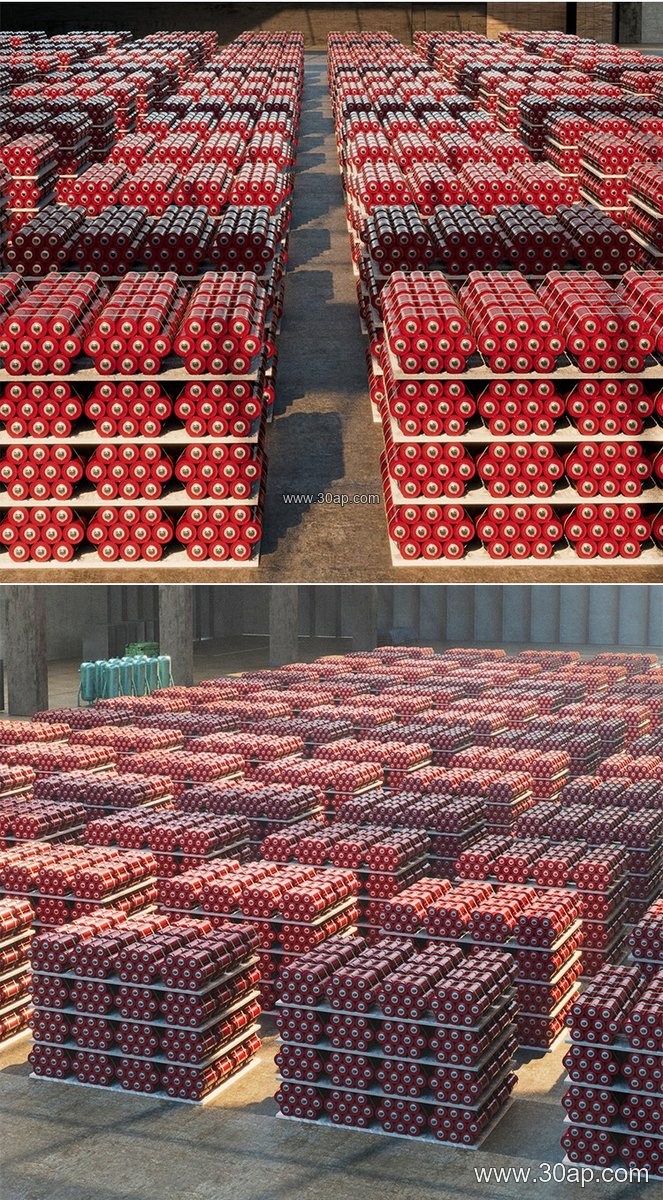
The roller length for a three-roll troughing set varies with belt width and trough angle. The values below are common examples, not fixed rules; side rollers and center rollers can differ, and final dimensions are set by the conveyor design.
- B500: around 200 mm roller length
- B650: around 250 mm
- B800: around 315 mm
- B1000: around 380 mm
- B1200: around 465 mm
- B1400: around 530 mm
- B1600: around 600 mm
- B1800: around 670 mm
- B2000: around 750 mm
For wider belts such as B2200 or B2400, roller lengths increase further and the frame design becomes more robust. A Ø108 idler is not automatically suitable for every belt width; the load per roller and the belt sag between idlers must be checked.
Selection and Maintenance Notes for Buyers
When specifying a Ø108 mining idler, buyers should confirm the belt width, trough angle, roller length, shaft diameter, bearing size, and sealing class. The shaft diameter is not derived from belt width alone; it follows the idler frame and load rating. Ask for the roller’s dynamic load capacity and recommended spacing, especially on long conveyors where belt sag and starting torque matter.
Maintenance is straightforward but important. Seized idlers increase belt friction and can damage the conveyor belt surface. In dusty coal or cement plants, sealed-for-life idlers reduce greasing work, while in high-moisture tunnels or wash-down areas, drainage and seal quality deserve extra attention. Spare rollers should match the original mounting dimensions so that replacement does not require frame modification.
For related conveyor components, matching the idler with the right conveyor belt, idler roller, and conveyor pulley keeps the whole system balanced. A Ø108 mining idler is a focused, reliable part of that system, and choosing it with accurate dimensions and realistic load expectations is the best way to avoid premature failure in the field.