What the Ø108 Mining Idler Is
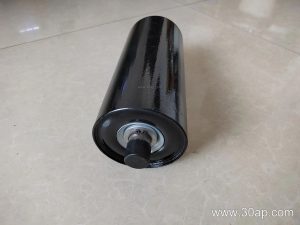
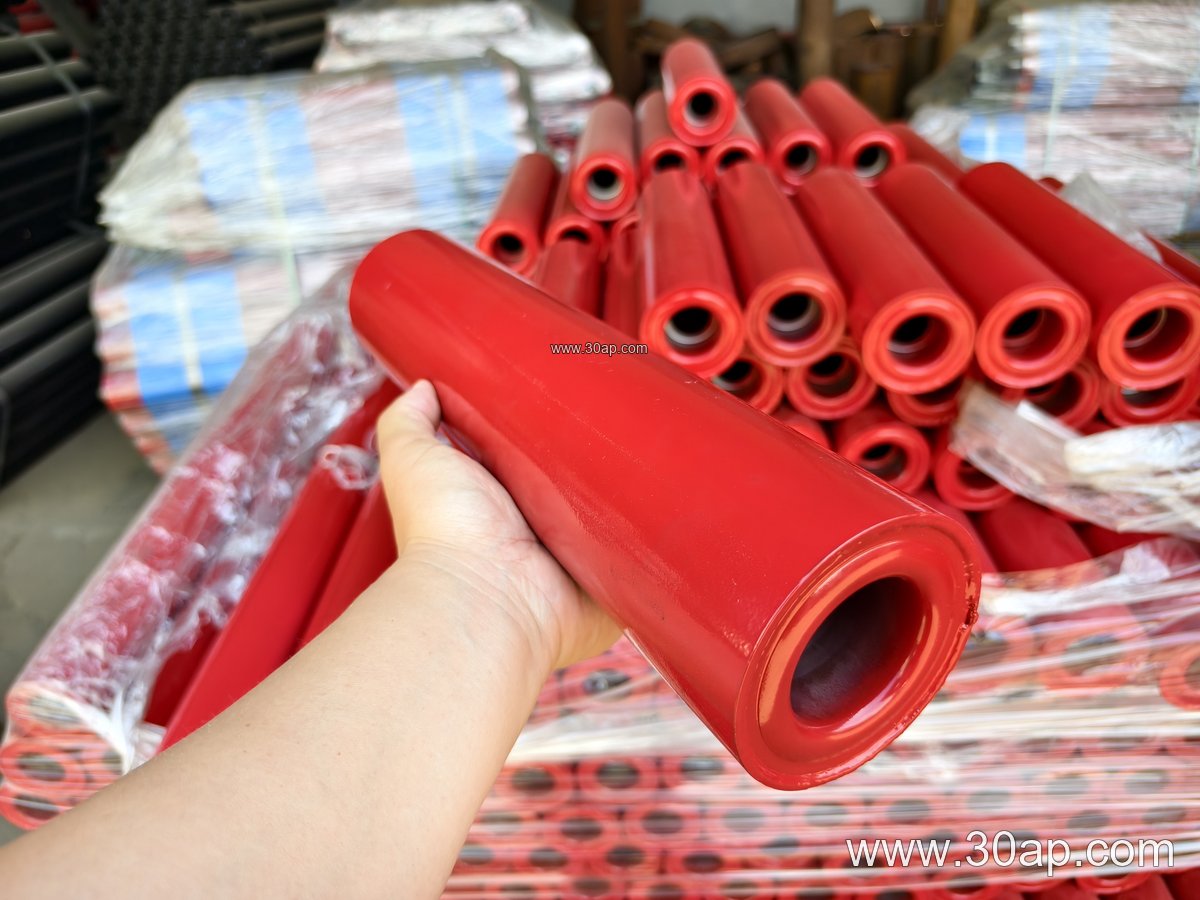
The Ø108 mining idler is a carrying or return roller with a 108 mm shell diameter, built for belt conveyors that move abrasive, heavy, or wet bulk material. In a quarry, a coal preparation plant, or an iron ore transfer line, these rollers support the conveyor belt along its entire run and keep the belt tracking smoothly. The “Ø108” refers to the outer diameter of the roller shell, not the shaft or bearing size. The same product is also called a 108 mm idler roller or a Ø108 conveyor idler, and these names describe one and the same roller.
Because the diameter sits in the middle of the common idler range, this size is often chosen for medium to wide belts where a larger roller reduces rotation speed and improves bearing life. It is not a universal fit; the correct diameter depends on belt width, load, and the conveyor frame design.
How the Roller Is Built
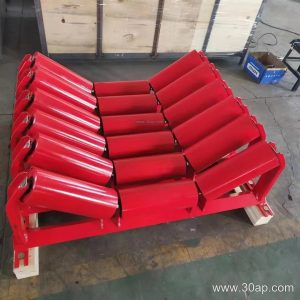
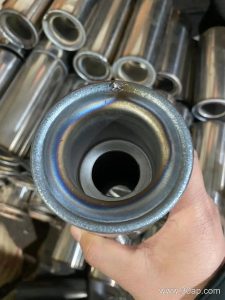
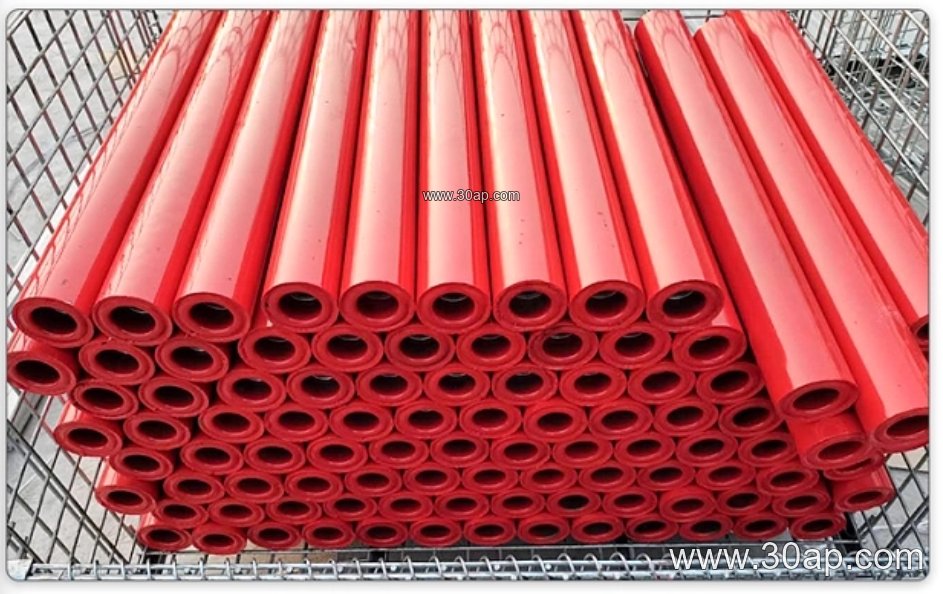
A typical Ø108 idler roller consists of a steel tube shell, pressed end caps, a through shaft, and sealed bearing housings. The shell surface may be plain steel, nylon-coated, ceramic-lined, or fitted with rubber rings for impact absorption. Bearing seats are machined to hold common sizes such as 6205, 6305, 6306, or 6308, and the actual bearing is selected by the manufacturer according to load and speed.
Sealing is what separates a long-life roller from a short-life one. Dust, water, and fine ore particles are the main enemies in mining service, so labyrinth seals and grease retention features matter. On a Mining Conveyor Belt line, a failed seal usually leads to bearing seizure and a seized roller that wears through the belt cover.
Where It Fits on the Conveyor
The Ø108 mining idler can serve in several positions. As a troughing roller in a three-roll set, it forms the trough that holds material on the belt. As a return roller or V-return roller, it supports the empty belt on the way back. In transition zones near the head or tail, smaller or specially arranged rollers help the belt change from flat to troughed without stress.
Common industries include:
- Quarries and aggregate crushing lines handling rock and stone
- Coal washing plants and underground coal mining conveyors
- Iron ore and copper ore transport
- Cement plants and power plant coal handling
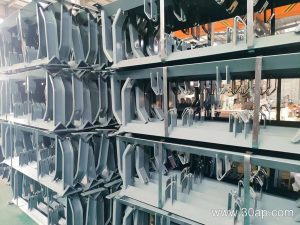
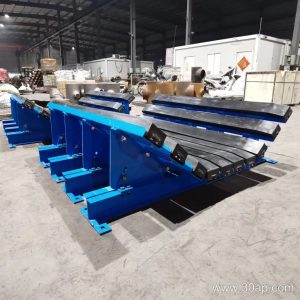
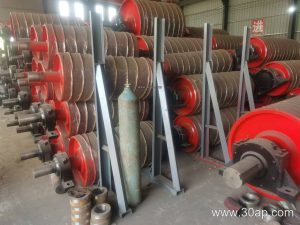
In these settings the roller usually works together with a conveyor pulley at the drive and tail, and with a conveyor bracket that fixes the roller frame to the conveyor structure.
Matching Diameter to Belt Width and Trough Angle
There is no rule that one belt width must use one roller diameter. A Ø108 roller may appear on belts from roughly B800 to B1400, but the final choice is made by the conveyor designer. Trough angle also affects roller length and loading. Common trough angles are 20, 30, 35, and 45 degrees, and a steeper angle increases the side roller load.
The table below gives typical reference values for a three-roll troughing set. These are examples, not fixed supply specifications.
| Belt width | Typical roller length (three-roll set) | Common trough angle |
|---|---|---|
| B800 | about 315 mm | 30–35 degrees |
| B1000 | about 380 mm | 30–35 degrees |
| B1200 | about 465 mm | 35 degrees |
| B1400 | about 530 mm | 35–45 degrees |
Side rollers and center rollers can differ in length, so the figures above should be treated as a starting point for inquiry.
Buyer Checklist
- Confirm the shell diameter is Ø108 and check the shaft and bearing arrangement separately.
- State the belt width, trough angle, and whether the roller is carrying or return duty.
- Describe the material: coal, ore, sand, or cement dust all affect seal choice.
- Ask about shell thickness and surface form, since a worn shell reduces belt support.
- Check that the roller fits the existing bracket and frame spacing before ordering.
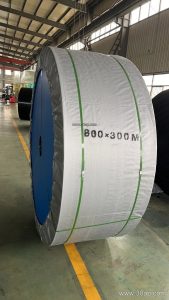
For high-abrasion duties, many buyers pair these rollers with an Abrasion Resistant Conveyor Belt or a heavy-duty fabric core belt, so the belt and roller wear life stay balanced. A well-chosen Ø108 mining idler keeps the belt running straight and reduces downtime in the toughest material handling environments.