What a Carbon Steel Conveyor Bracket Does
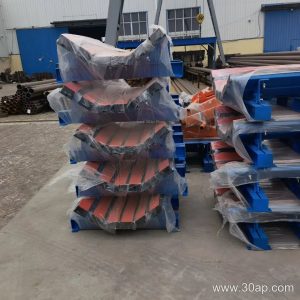
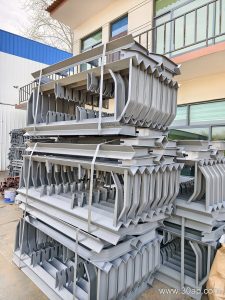
A carbon steel conveyor bracket is the structural interface between the conveyor frame and the idler roller that carries the belt. In a quarry, a cement plant, or a power plant coal yard, these brackets hold the rollers at the correct angle and height so the conveyor belt tracks smoothly under load. The bracket itself is usually fabricated from angle steel, channel steel, or bent steel plate, then drilled or punched to match the idler shaft and the frame cross member.
Because it is made from carbon steel, the bracket offers a good balance of strength and cost. It can be welded, bolted, or clamped into position, and it accepts common surface treatments such as painting or galvanizing when extra corrosion protection is needed. For a mining conveyor belt or an aggregate conveyor belt running in a dusty, abrasive environment, that durability matters.
How the Bracket Is Built
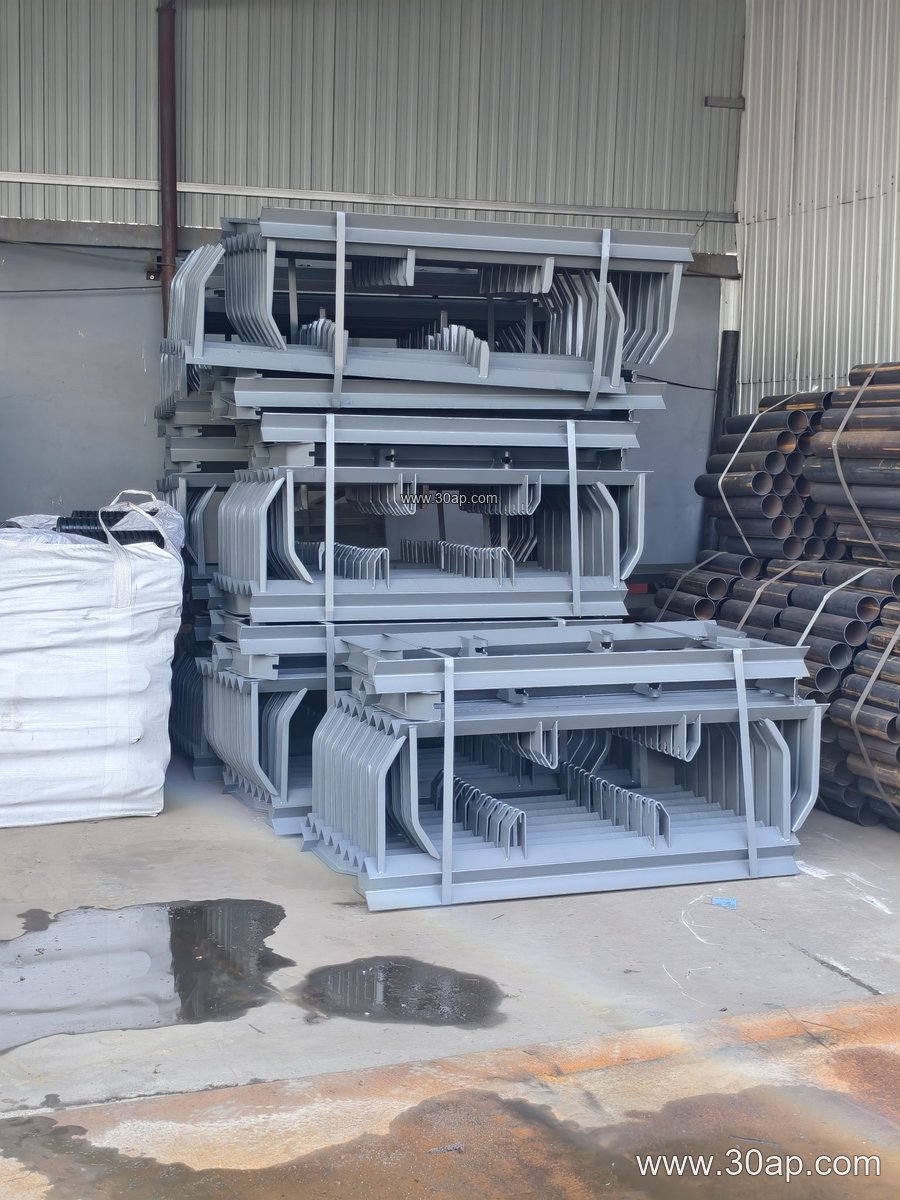
Most carbon steel conveyor brackets are formed from a length of channel or angle, cut to the required cross-member span, and fitted with mounting holes for the idler roller. The hole spacing and the overall beam length change with belt width and trough angle, so a bracket for a B800 system is not the same as one for a B1400 system. The bracket may also include a small pivot or slot arrangement when the design calls for adjustability.
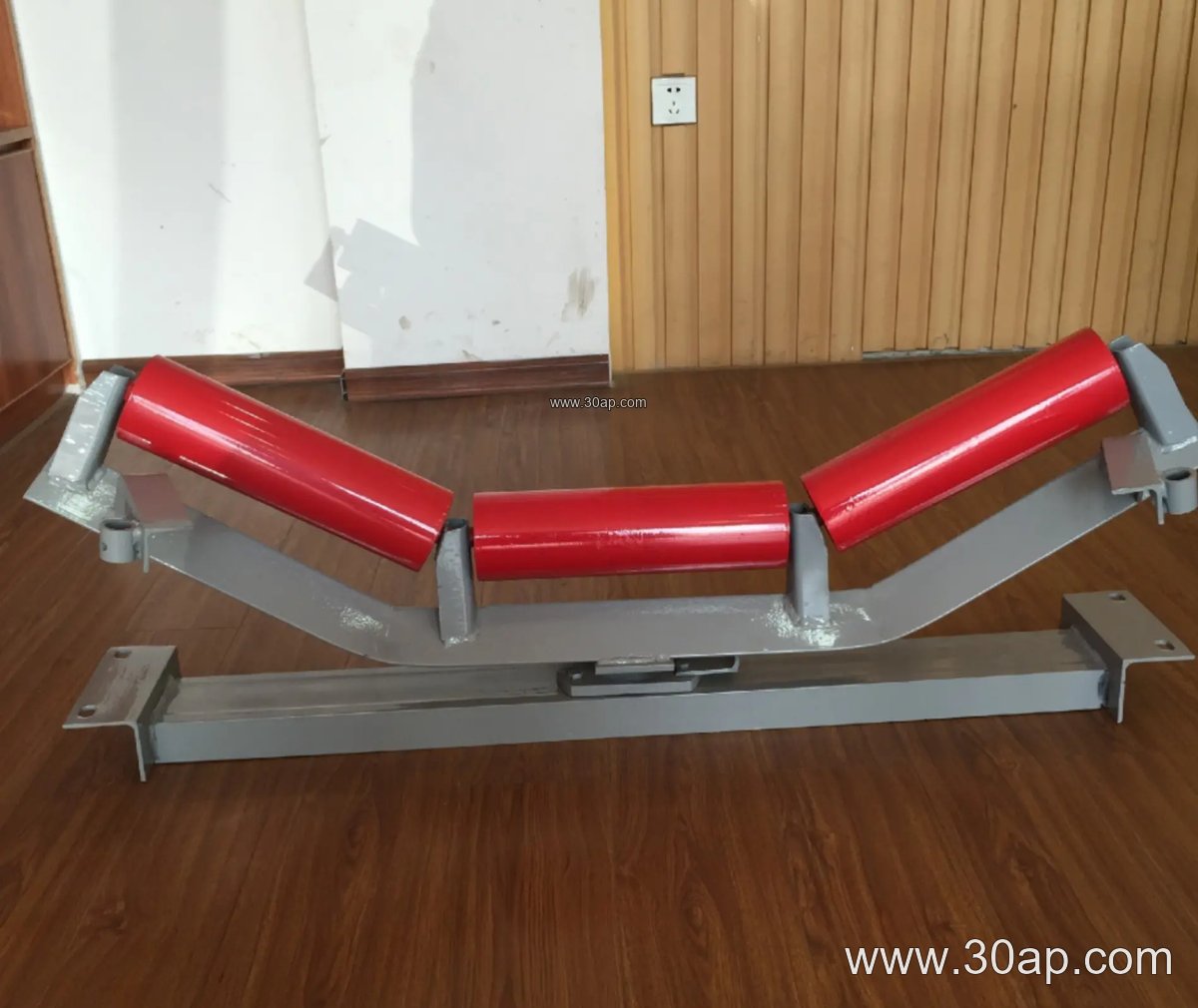
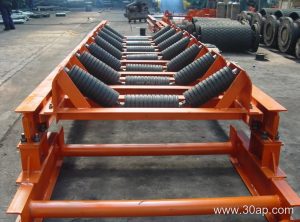
In a typical troughing assembly, the bracket supports three idlers set at a trough angle. Common trough angles include 20, 30, 35, and 45 degrees. The bracket may be fixed at one angle or adjustable across a range, depending on the conveyor design. For comparison, a fixed bracket is simpler and stiffer, while an adjustable bracket lets maintenance staff fine-tune the belt profile after installation.
Typical Sizes and Configurations
The table below shows common reference combinations. These are examples only; actual bracket dimensions, hole spacing, and beam length are determined by the conveyor design and the idler supplier.
| Belt Width (B) | Trough Angle | Idler Diameter | Bracket Type |
|---|---|---|---|
| B500 | 20° | Ø89 | Fixed troughing |
| B650 | 30° | Ø89 | Fixed troughing |
| B800 | 35° | Ø108 | Adjustable troughing |
| B1000 | 35° | Ø108 | Fixed troughing |
| B1200 | 45° | Ø133 | Adjustable troughing |
| B1400 | 45° | Ø159 | Fixed troughing |
| B1600 | 35° | Ø159 | Heavy-duty fixed |
| B1800 | 45° | Ø194 | Heavy-duty fixed |
Brackets are also available for return-side support, such as a V-return bracket or a flat return bracket, and for impact zones where a buffer bracket may be used. These are different bracket subtypes and should not be confused with the troughing bracket described here.
Where It Is Used
Carbon steel conveyor brackets appear wherever a belt conveyor moves bulk material. In a limestone quarry, they support the troughing idlers on the main haulage conveyor. In a coal-fired power plant, they hold the rollers that carry the coal conveyor belt from the stockpile to the boiler bunker. You will also find them in sand and gravel lines, crushing and screening circuits, and cement plant raw-mill feed systems.
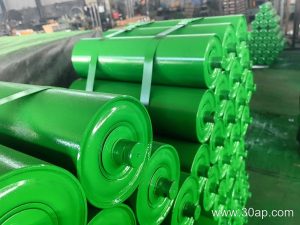
The bracket works together with the idler roller and the conveyor belt. If the bracket is misaligned or worn, the belt may mistrack, the roller may wear unevenly, and spillage can increase. That is why bracket condition is checked during routine conveyor inspections.
What Buyers Should Check
- Belt width and trough angle – confirm the bracket matches the conveyor frame and the required trough profile. A B1000 frame with a 35-degree trough needs a bracket drilled for that geometry.
- Idler diameter and shaft size – the bracket mounting hole must suit the idler shaft. Do not assume a shaft diameter from belt width alone; check the idler data sheet.
- Material and finish – carbon steel is standard, but for wet or corrosive service, ask about galvanizing or a suitable coating.
- Fixed or adjustable – adjustable brackets cost more but allow field correction of the trough angle. Fixed brackets are simpler and often preferred in high-impact positions.
- Compatibility with the belt – a heavy-duty mining conveyor belt or a high-abrasion conveyor belt may need a stiffer bracket and larger idler rollers to handle the load.
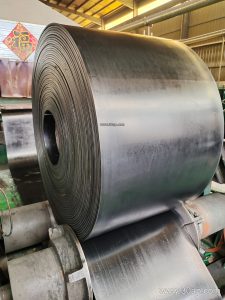
For related conveyor components, you can explore Rubber Conveyor Belt options, EP Conveyor Belt grades, and idler roller designs that work with carbon steel brackets. A well-matched bracket and roller set keeps the belt centered and extends service life in demanding sites such as an iron ore terminal or a coal mining conveyor system.