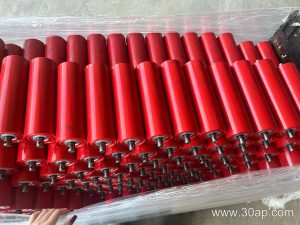
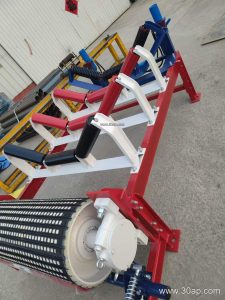
What a Head Pulley Assembly Does
A head pulley assembly is the drive end of a belt conveyor, mounted at the discharge point where the belt turns around and releases its load. In many plants it is simply called the head drum or drive pulley assembly, and it combines the pulley shell, shaft, bearings, bearing housings, lagging and the supporting frame that ties everything to the conveyor structure. Because it transmits the drive torque into the belt, its condition largely decides how smoothly a conveyor starts, runs and discharges.
At a quarry or a sand and aggregate line, the head pulley assembly sits above the crusher feed or the transfer chute, so it works in a dusty, abrasive environment. In a coal mining conveyor or a power plant coal handling system, the same assembly must also cope with fines, moisture and, in some cases, flame retardant belt requirements. The head pulley is not a tail pulley and not a bend pulley; each position carries different loads and different design priorities.
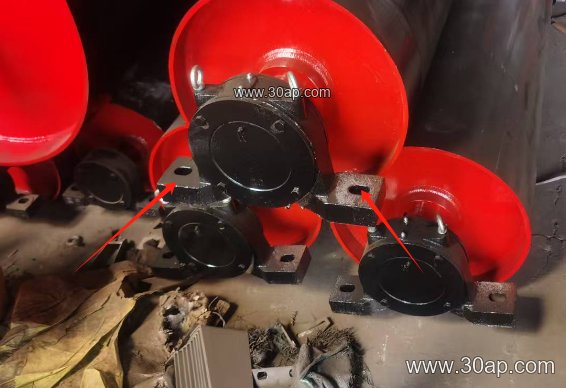
How the Assembly Is Built
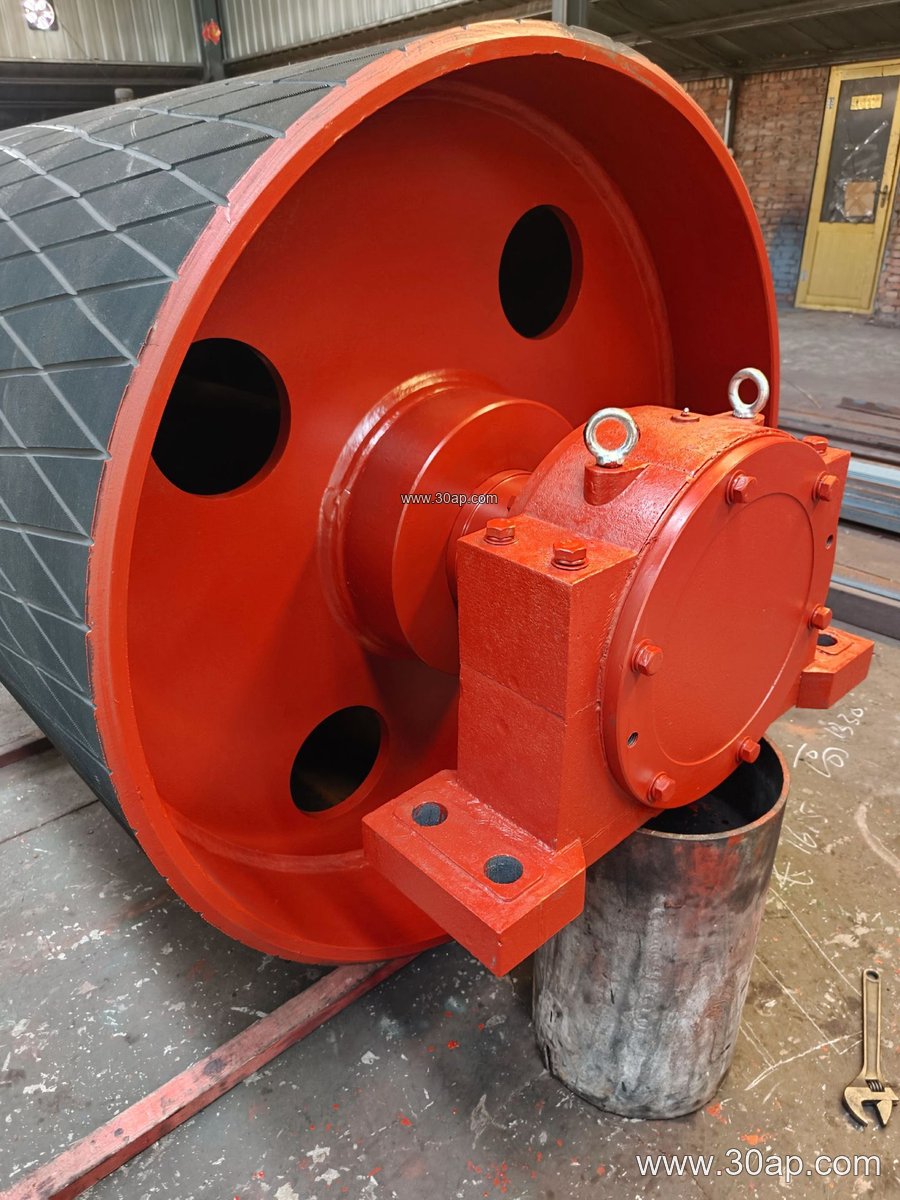
A typical unit includes a cylindrical shell, a through shaft or stub shafts, welded or shrink-fitted end discs, self-aligning roller bearings, sealed housings, and a lagged surface. The frame may be a fabricated steel bracket that bolts to the conveyor stringers — often matched to the same bolt pattern as a conveyor bracket used elsewhere on the line.
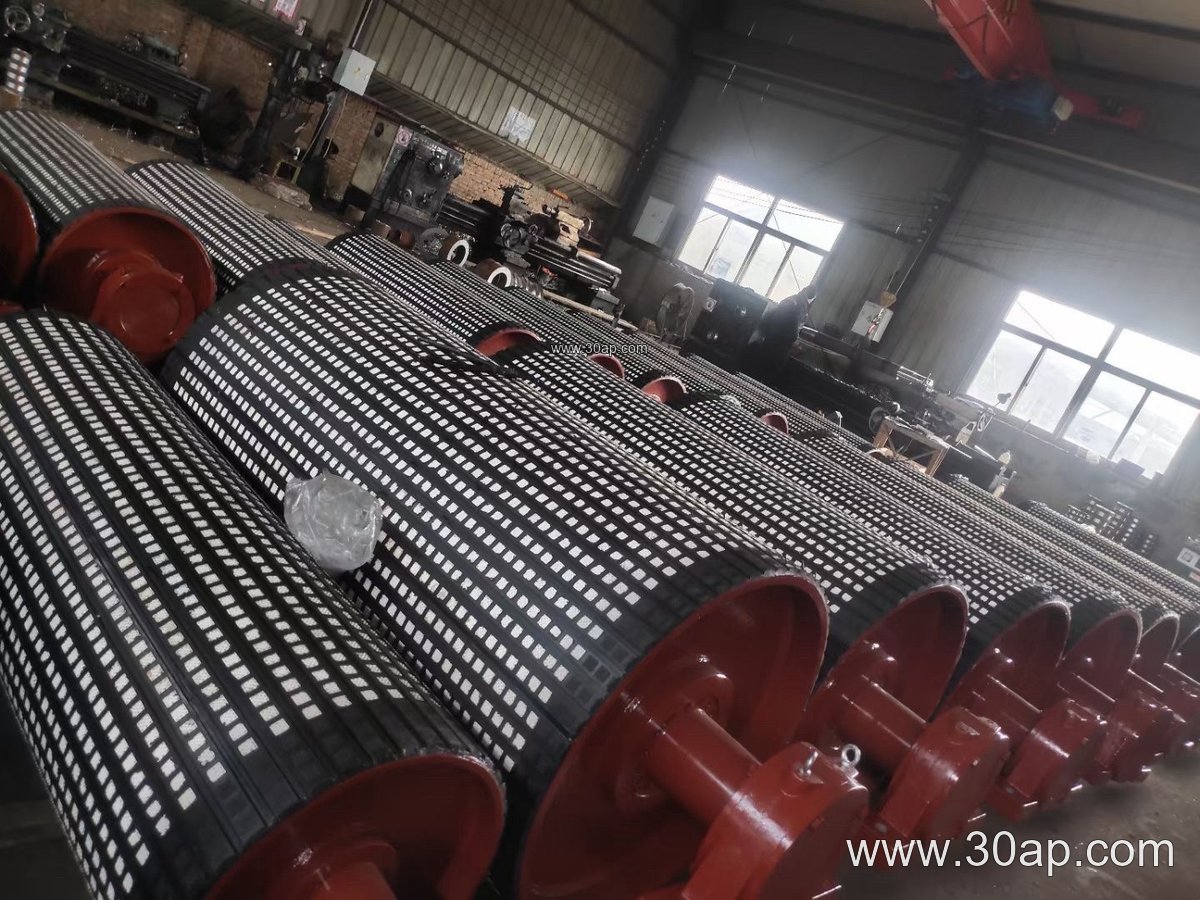
Surface form matters at the drive point. Plain finish is used where grip is not critical. Rubber lagging in 8, 10, 12, 15 or 20 mm thickness improves friction between drum and belt; diamond lagging helps shed water and fines, while ceramic lagging suits high-slip, high-abrasion duty. The assembly works together with the conveyor belt, the idler roller set on the carrying side, and the take-up system that keeps tension stable.
Common Size References
Dimensions are always set by the conveyor design, not by a universal table. The values below are typical reference ranges only.
- Belt widths: B400, B500, B650, B800, B1000, B1200, B1400, B1600, B1800, B2000, B2200 and B2400.
- Pulley diameters: Ø200, Ø250, Ø315, Ø400, Ø500, Ø630, Ø800, Ø1000, Ø1250, Ø1400, Ø1600 and Ø1800.
- Shaft diameters: Ø50, Ø60, Ø70, Ø80, Ø90, Ø100, Ø120, Ø140, Ø160, Ø180 and Ø200, chosen by torque and bearing load.
Shell face width is normally wider than the belt: roughly 500 mm for B400, 750 mm for B650, 950 mm for B800, 1150 mm for B1000, 1400 mm for B1200, 1600 mm for B1400 and 1800 mm for B1600. A B800 × Ø500 or B1200 × Ø1000 combination is common, but one belt width does not lock the pulley to a single diameter. Larger diameters reduce belt bending stress and help with high-tension belts such as an EP conveyor belt or a steel cord conveyor belt.
Where It Fits in the Plant
Head pulley assemblies appear in limestone mines feeding a primary crusher, in cement plant clinker transport, in iron ore and copper ore handling, and in port bulk terminals loading ships. In each case the discharge end is the highest-load point on the conveyor, so bearing selection, lagging wear and frame stiffness deserve attention during specification.
The assembly should be matched to the belt it drives. A heavy-duty mining conveyor belt with high tension needs a robust drum and shaft; a lighter fabric core conveyor belt on a short transfer may be served by a smaller unit. Belt construction such as EP, NN or multi-ply fabric core affects the minimum pulley diameter recommendation from the belt maker, and that guidance should always be followed.
Buyer Checklist
- Confirm belt width, belt type and operating tension before choosing diameter and shaft size.
- State the lagging type and thickness, and whether grooving or ceramic tiles are needed.
- Check bearing type, housing seals and lubrication method for the local dust and moisture level.
- Verify bolt-hole spacing and frame height against the existing conveyor bracket and structure.
- Ask for the balancing grade, runout limits and inspection records for the finished drum.
A well-specified head pulley assembly, paired with properly aligned conveyor pulleys and idlers, reduces belt tracking problems and extends the service life of the whole conveyor line.