What a Comb Return Idler Does
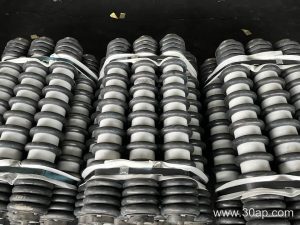
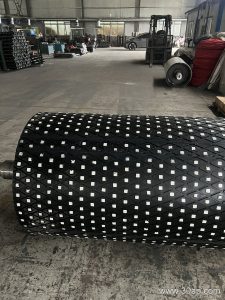
A comb return idler is a return-side roller assembly with a series of rubber or polymer discs spaced along its shaft. It sits under the carrying side of the conveyor belt and supports the belt on its way back to the tail pulley. The spaced discs let fine material pass between them instead of building up on a smooth roller surface. In dusty operations such as a quarry, a limestone mine, or a cement plant, this self-cleaning action helps keep the return run running true. The comb return idler is often called a disc return roller or a rubber disc return idler, and those names refer to the same product.
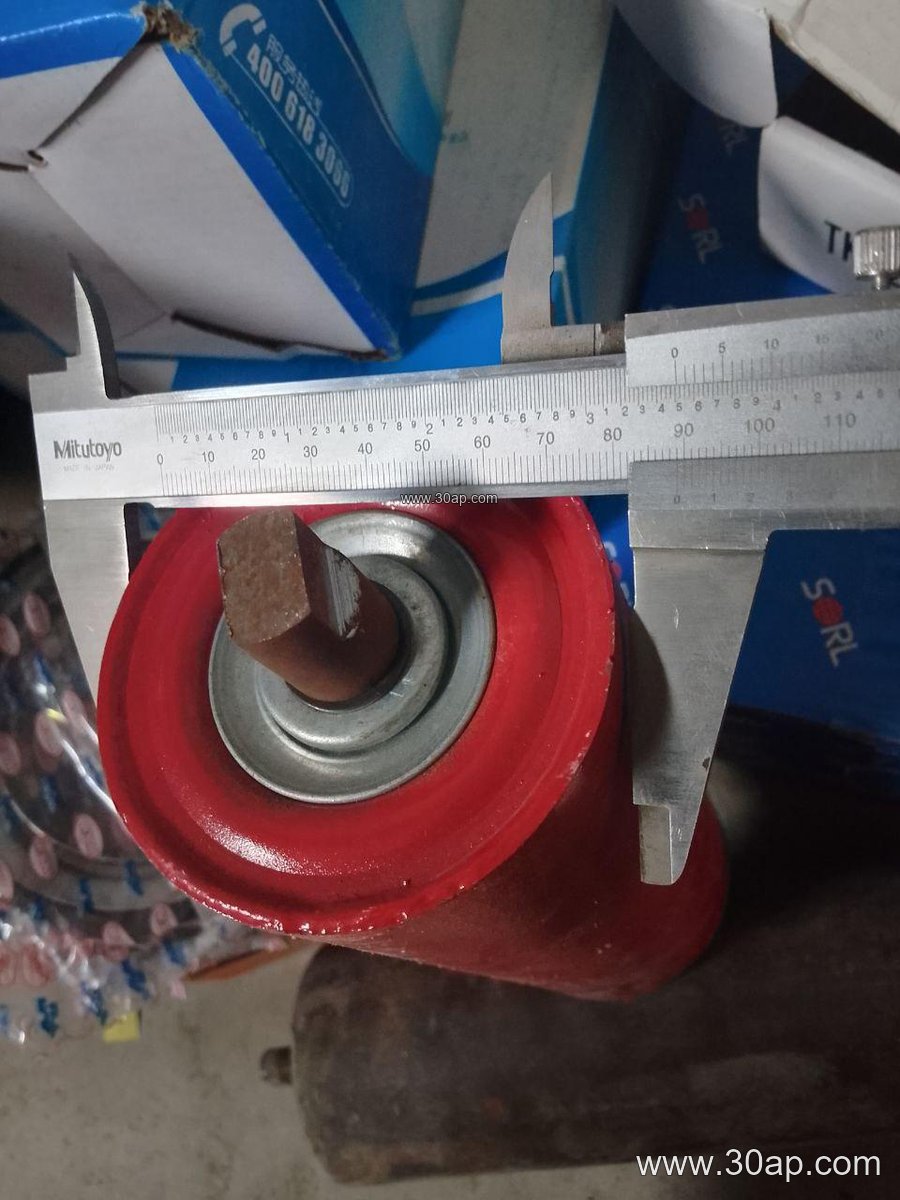
Construction and Key Parts
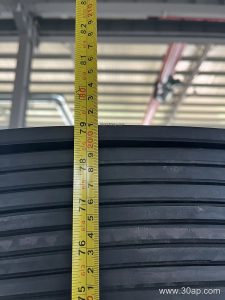
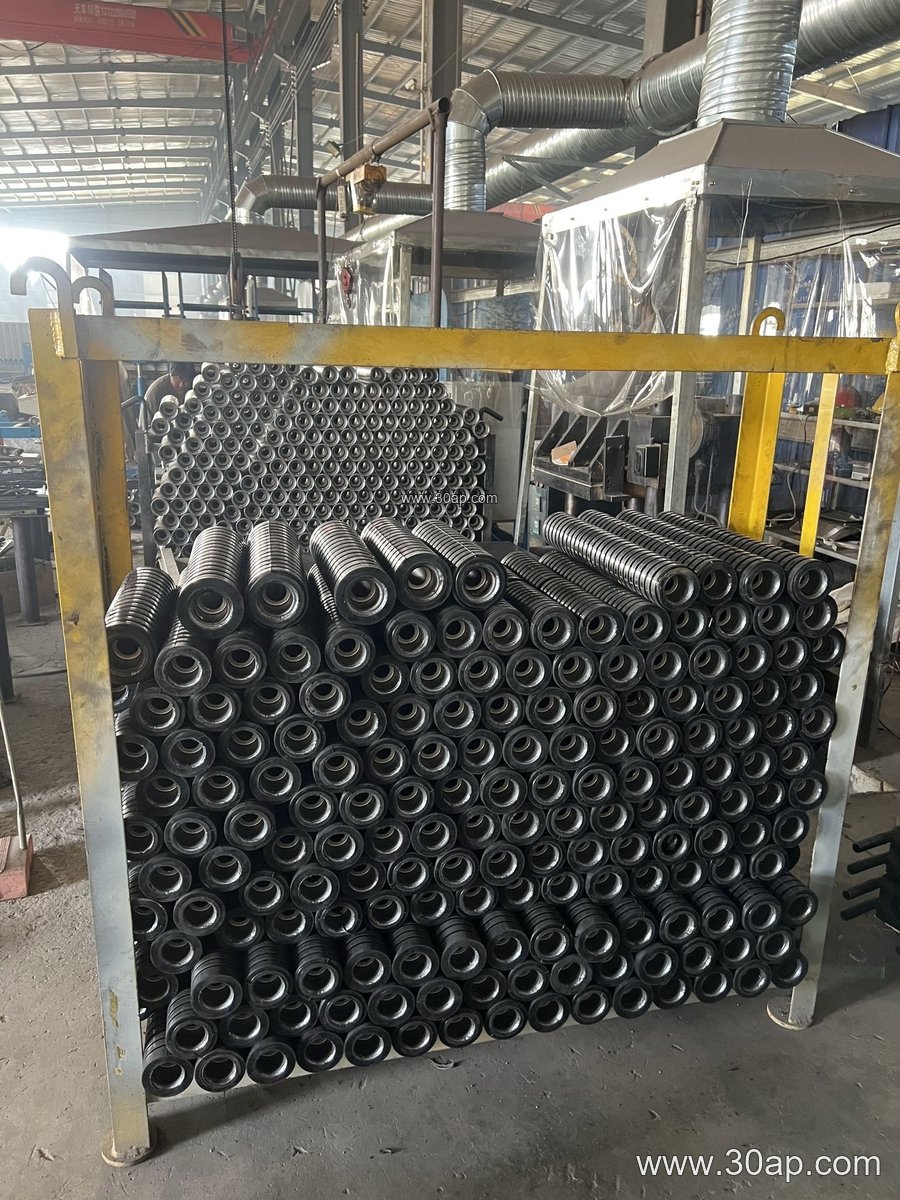
The body is usually a steel tube with a shaft running through it, fitted with sealed bearings at each end. Rubber discs are mounted at intervals along the tube. The disc profile can be flat or slightly crowned, and the spacing is set so that carryback drops away rather than wrapping around the roller. Bearing seats and seals are important because a comb return idler often works in wet or gritty conditions. Common bearing sizes include 6205, 6305, 6306, and 6308, but the bearing is selected by the idler manufacturer for the load and shaft design, not by belt width alone.
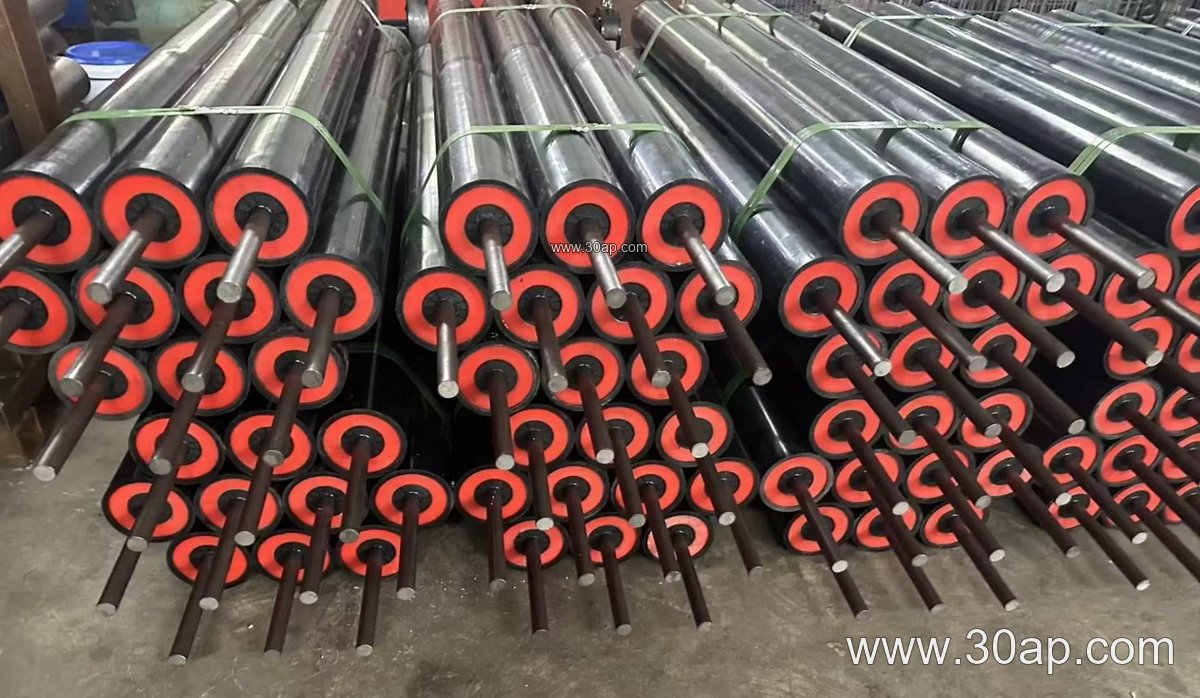
Where It Fits on the Conveyor
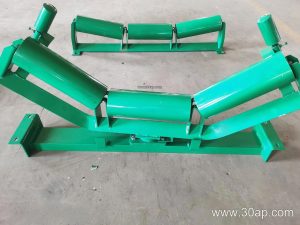
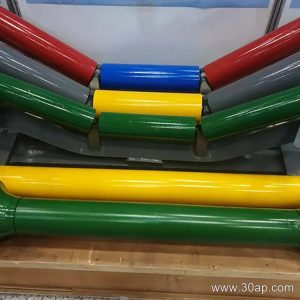
This idler belongs to the return run, so it is not a substitute for a troughing idler, an impact idler, or a self-aligning idler. Those carry the loaded belt or correct tracking. A comb return idler mainly supports the empty belt and helps remove sticky fines. It is used in bulk handling lines for sand and aggregate, in coal preparation plants, in power plant coal handling, and in iron ore or copper ore circuits where the belt carries damp, fine material. A V-return idler may be used where belt training is the main concern, while a comb return idler is chosen for material shedding.
Common Sizes and Configuration
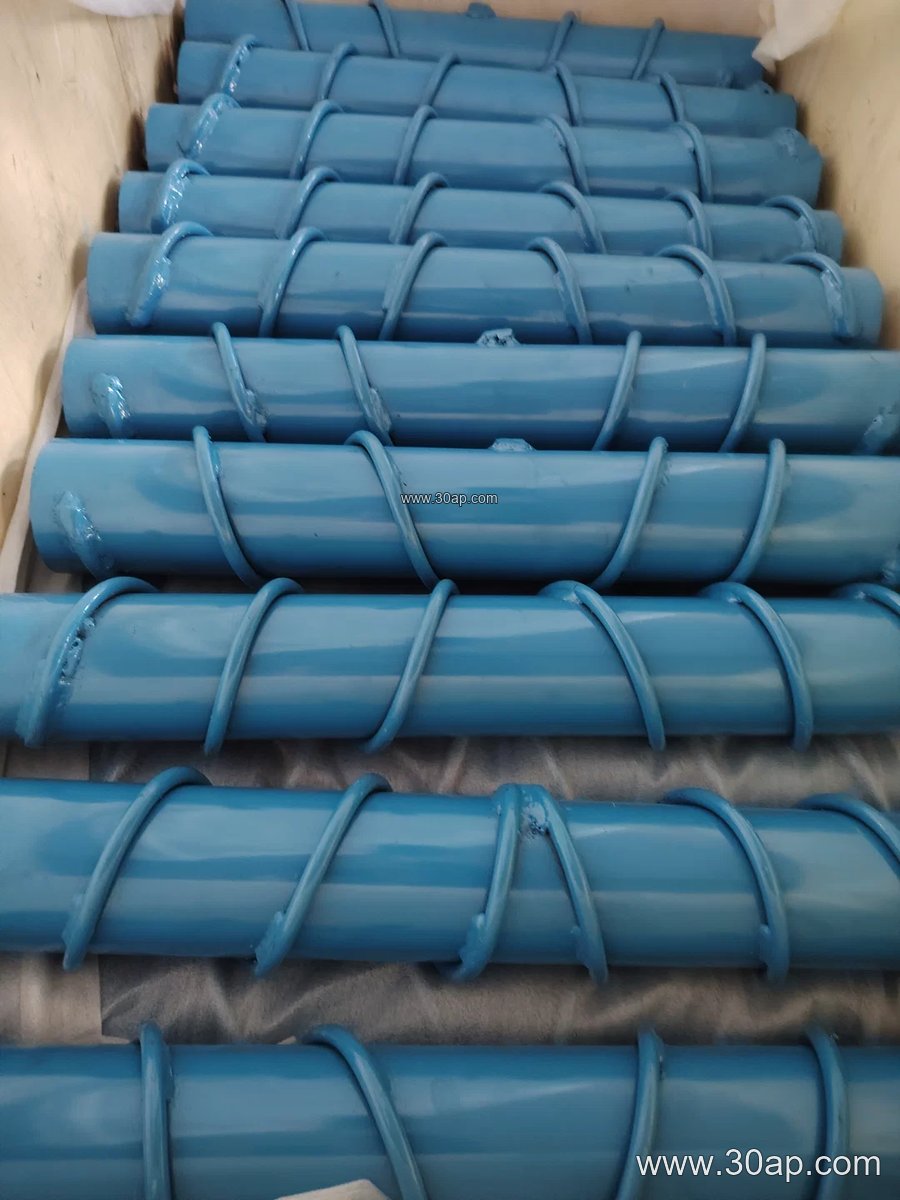
Comb return idlers are made to suit the belt width and the return idler frame. Roller diameter and length are usually stated by the supplier. The table below shows typical reference values; actual selection depends on belt width, load, and frame design.
| Reference Item | Typical Range or Example |
|---|---|
| Roller diameter | Ø89, Ø102, Ø108, Ø127, Ø133, Ø159 mm |
| Belt width | B500, B650, B800, B1000, B1200, B1400, B1600 mm |
| Return roller length | Usually matched to belt width and frame, for example about 600 mm for B650 and about 1150 mm for B1200, to be confirmed by design |
| Disc material | Rubber, wear-resistant rubber compound |
| Bearing size | 6205, 6305, 6306, 6308 (selected by load and shaft) |
| Surface form | Spaced rubber discs on steel tube |
When a conveyor uses a rubber conveyor belt or an EP conveyor belt, the return idler should suit the belt width and the expected carryback. A wider belt such as a 1200mm or 1400mm conveyor belt needs a correspondingly longer return roller, but there is no fixed rule that one belt width matches only one roller diameter.
Selection Notes for Buyers
- Check the return idler frame and bracket dimensions before ordering; the conveyor bracket and frame height affect the roller length and shaft end shape.
- Match the disc spacing to the material. Fine, sticky fines may need closer spacing or a different return roller type.
- Confirm the bearing and seal arrangement for dusty or wet service. A sealed bearing is common, but the exact seal design should be agreed with the supplier.
- Consider the belt speed and load. A heavy-duty mining conveyor belt on a long return run may need a stronger shaft and bearing than a short aggregate line.
- Ask for the shaft diameter and end fitting as part of the idler drawing; do not assume a shaft size from belt width.
Maintenance and Replacement
Inspect the comb return idler for worn discs, loose discs, and seized bearings. A roller that stops turning can wear the belt cover and increase friction. Replace worn discs or the complete roller when the cleaning action is lost. Keep the return run aligned so the belt does not run off the roller edge. In a coal mining conveyor belt system, a flame retardant conveyor belt may be used, but the return idler itself should still be selected for the dust and moisture present. For more conveyor components, see conveyor idler and conveyor pulley information.