What a High Temperature Conveyor Belt Is
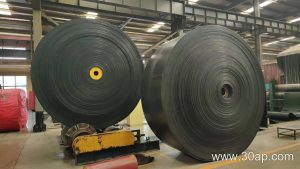
A High Temperature Conveyor Belt is a heavy-duty conveyor belt engineered to carry hot materials such as clinker, sinter, coke, cement, ash, and foundry sand without premature hardening, cracking, or ply separation. In cement plants, power plants, steel mills, and mineral processing lines, this belt is often the critical link between a kiln, cooler, or furnace and the next stage of bulk material handling. While it shares the basic construction of a standard conveyor belt, its rubber compounds and carcass design are selected specifically to resist heat aging and thermal shock.
Construction and Heat-Resistant Features
The belt typically combines a fabric core or steel cord carcass with heat-resistant cover compounds. The carcass provides tensile strength and dimensional stability, while the covers protect against hot lumps, abrasive fines, and occasional sparks. Common constructions include multi-ply EP or NN fabric cores for moderate tension and steel cord cores for long, high-capacity runs. Cover thickness is often increased on the load-carrying side to extend service life under hot, abrasive conditions.
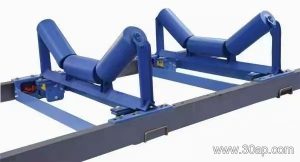
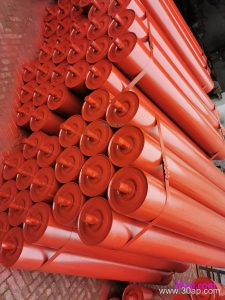
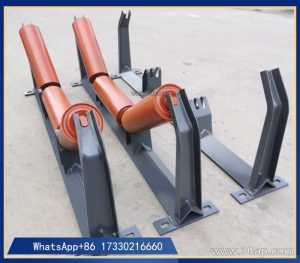
Heat resistance is not a single property. Buyers should consider continuous temperature, peak temperature, lump size, and cooling time between passes. A belt rated for 120°C continuous service may handle short excursions to 150°C, but repeated thermal cycling accelerates cover hardening. In some installations, a heat-resistant belt is combined with idler roller stands designed to reduce heat transfer, and with conveyor pulleys that are sized to handle the belt’s tension and thickness.
Typical Applications Across Industries
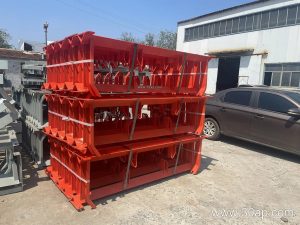
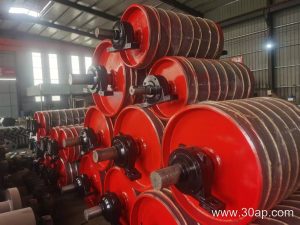
High temperature belts are found in cement plants handling clinker and hot cement, power plants transporting ash and coal, steel plants moving sinter and coke, and foundries carrying sand and castings. They also appear in lime kilns, fertilizer plants, and some mining operations where ore or concentrate arrives hot from drying or roasting. In these environments, the belt works alongside conveyor pulley assemblies, impact idlers at transfer points, and conveyor bracket supports that keep the system aligned and stable.
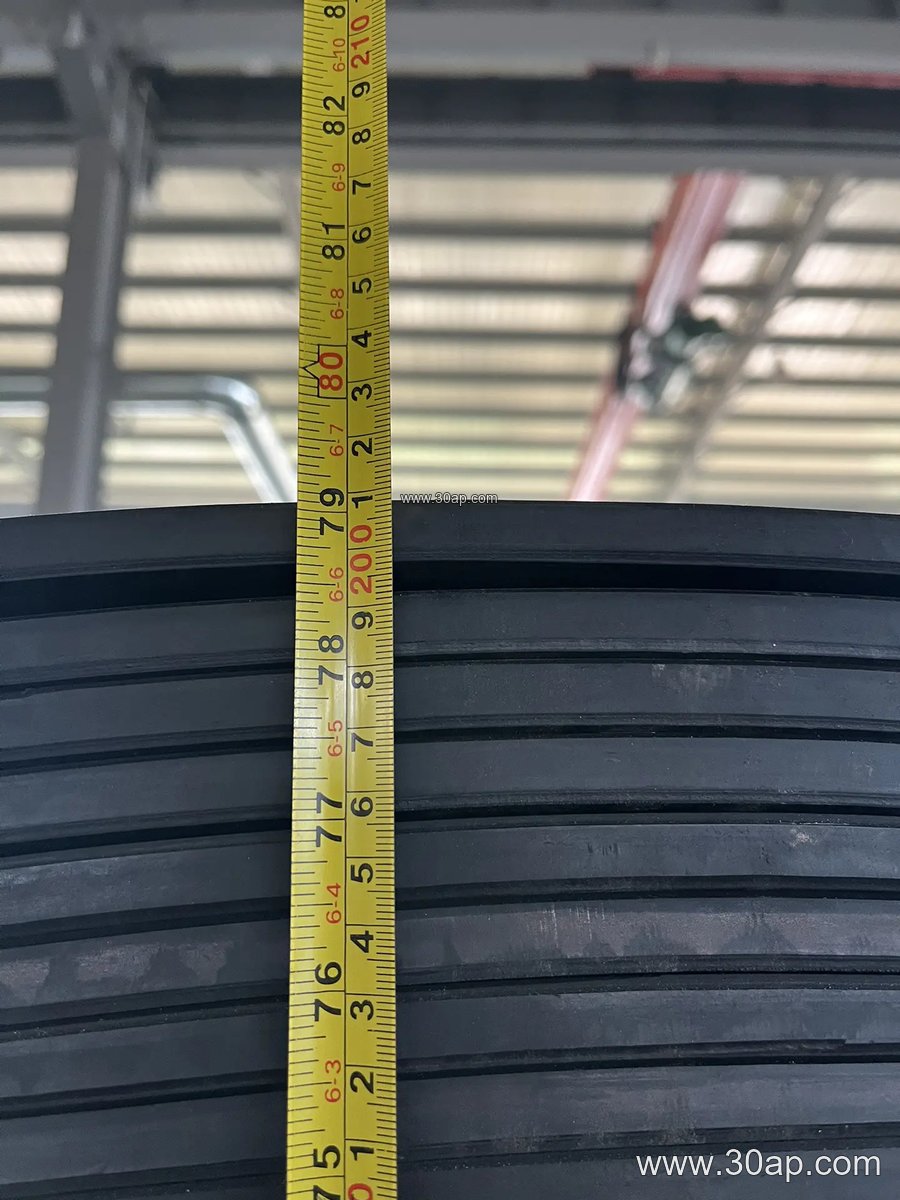
Where the material stream also contains oil, chemicals, or sharp debris, a combined resistance may be needed. For example, an oil resistant conveyor belt may be specified for hot oily parts, while a flame retardant conveyor belt is chosen where fire risk is present. These are separate properties and should not be assumed from heat resistance alone.
Common Specifications and Reference Data
The table below shows typical reference values for heat-resistant belt constructions. Actual supply depends on the application review and manufacturer’s design.
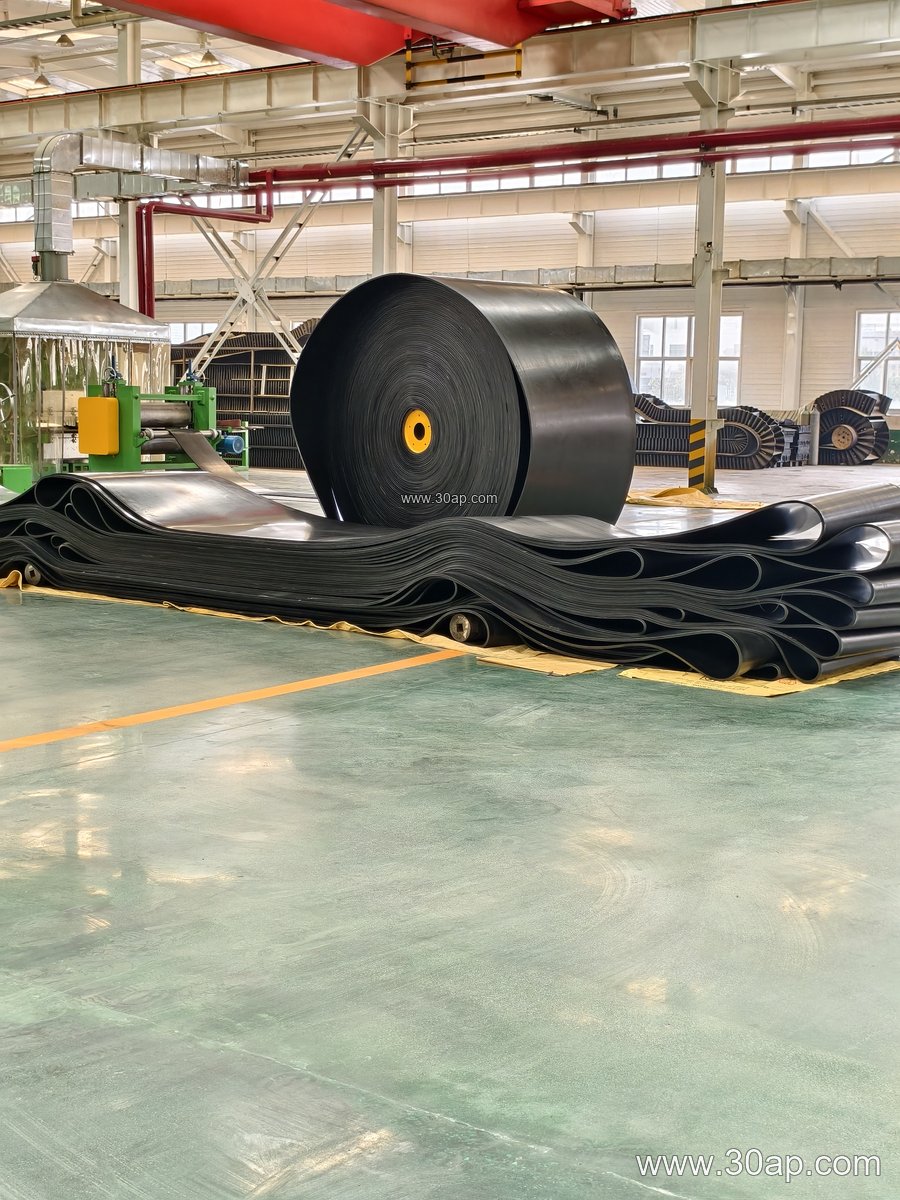
| Property | Common Reference Range |
|---|---|
| Belt width | B500, B650, B800, B1000, B1200, B1400, B1600, B1800, B2000 |
| Fabric core strength grades | EP200, EP315, EP400, EP500, EP630, EP800, EP1000, EP1250, EP1600, EP2000 |
| Cover thickness (top + bottom) | 3+1.5 mm, 4+2 mm, 5+2 mm, 6+2 mm, 8+3 mm |
| Carcass plies | 2 to 6 layers, depending on tension and belt width |
| Continuous temperature range | Typically 100°C to 150°C, with peaks up to 180°C for short periods |
These values are for orientation only. Belt width does not dictate a single pulley diameter, and shaft dimensions must be calculated from the actual conveyor design.
Selection and Maintenance Notes for Buyers
When selecting a high temperature belt, start with the material temperature profile and the heat source. A belt that runs hot continuously needs a different compound than one that sees occasional hot lumps. Consider the belt speed, load shape, and whether the belt will be cleaned or scraped, since mechanical wear adds to thermal stress. For very hot, abrasive duty, a thicker cover may last longer, but it can also reduce flexibility around smaller pulleys.
Maintenance matters as much as the initial grade. Check covers for hardening, cracks, and edge wear. Inspect idler rollers for seized bearings, because a locked roller can generate friction heat and damage the belt. Keep pulleys clean and aligned, and verify that the belt tracking is stable. In dusty plants, regular housekeeping around the conveyor bracket and frame reduces buildup that can trap heat.
For mixed duty, some plants use an abrasion resistant conveyor belt in cooler sections and a heat-resistant grade only near the hot discharge. This approach can lower cost without compromising the critical zone. Whatever the layout, the high temperature conveyor belt should be matched to the real thermal and mechanical load, not just to a nominal temperature number.