What Is an Acid Resistant Conveyor Belt
An acid resistant conveyor belt is a specialized rubber conveyor belt designed to withstand contact with acidic materials and environments. It is commonly used in industries where corrosive substances are present, such as chemical plants, fertilizer production, mining operations, and wastewater treatment. This belt helps protect the conveyor system from premature degradation caused by acid attack.
The acid resistant conveyor belt is often referred to as a chemical resistant conveyor belt, as it also provides protection against various chemicals. However, the primary focus is on resistance to acidic conditions.
Construction and Materials
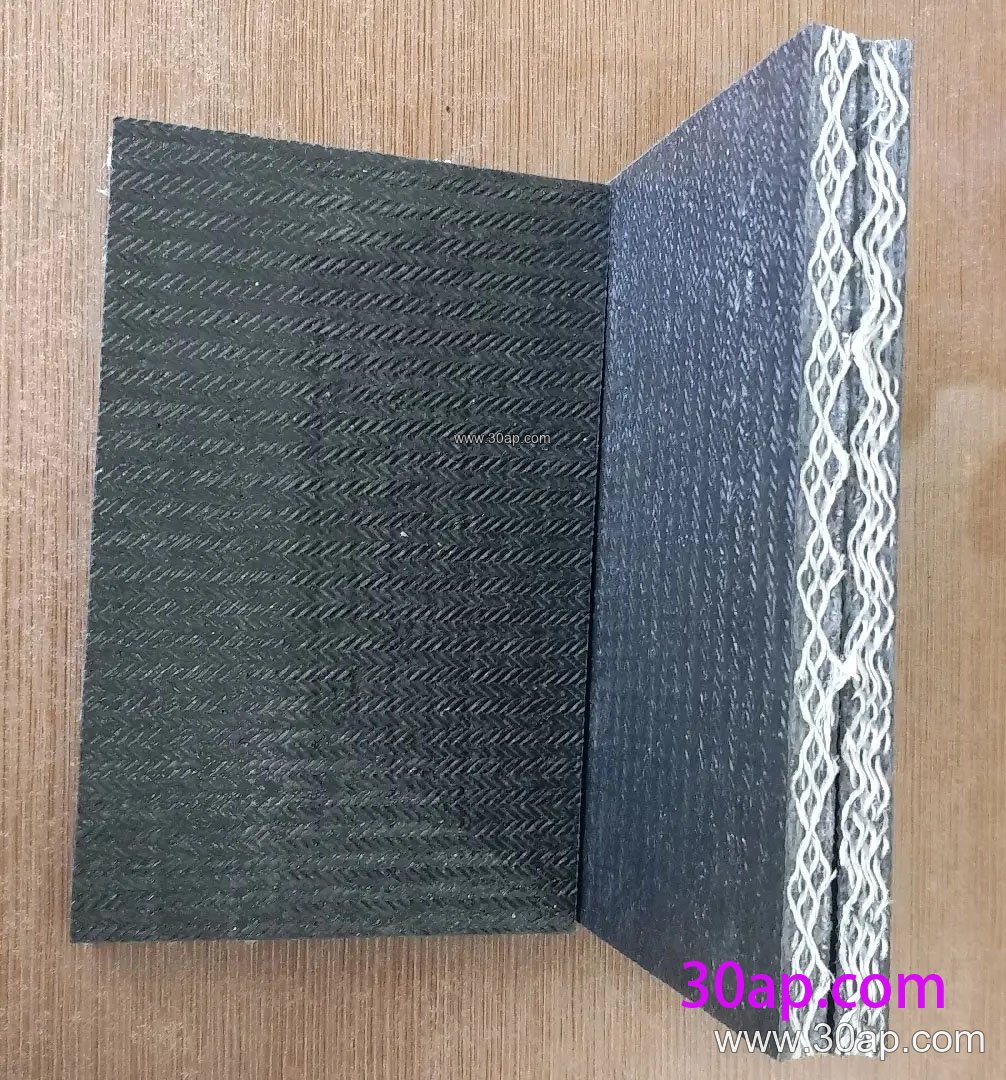
The construction of an acid resistant conveyor belt typically involves a fabric core (such as EP or NN) covered with a specially formulated rubber compound that resists acid penetration. The cover rubber is usually made of EPDM or other acid-resistant polymers, which provide excellent resistance to a wide range of acids. The belt may also include a breaker fabric or reinforced edges for added durability.
Common types include multi-ply fabric core conveyor belts with acid-resistant covers. For example, an EP conveyor belt with acid-resistant properties is often chosen for moderate acid exposure. In more demanding applications, a steel cord conveyor belt with acid-resistant cover may be used for high strength and long-distance conveying.
Key Features and Benefits
- Acid resistance: The cover compound resists swelling, cracking, and deterioration when exposed to acids.
- Durability: The fabric core provides strength and resistance to impact and tearing.
- Versatility: Suitable for both bulk material handling and unit handling in corrosive environments.
- Customization: Available in various widths, strengths, and cover thicknesses to meet specific needs.
Typical Applications
Acid resistant conveyor belts are found in:
- Chemical and fertilizer plants handling acidic raw materials or products.
- Mining operations where acidic ores or slurries are transported.
- Wastewater treatment facilities dealing with acidic sludge.
- Food processing industries where acidic foods (e.g., citrus) are conveyed.
- Ports and terminals handling acidic bulk cargo.
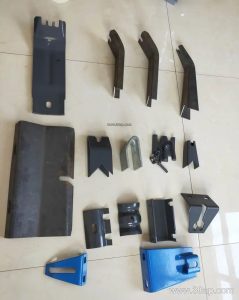
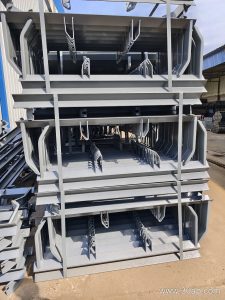
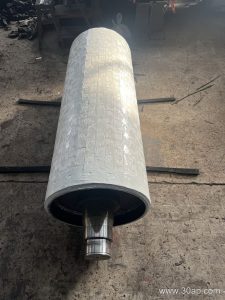
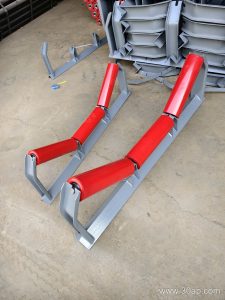
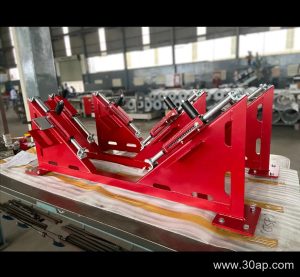
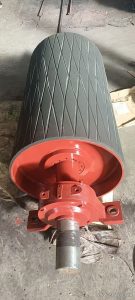
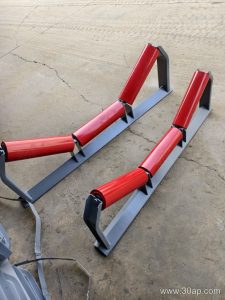
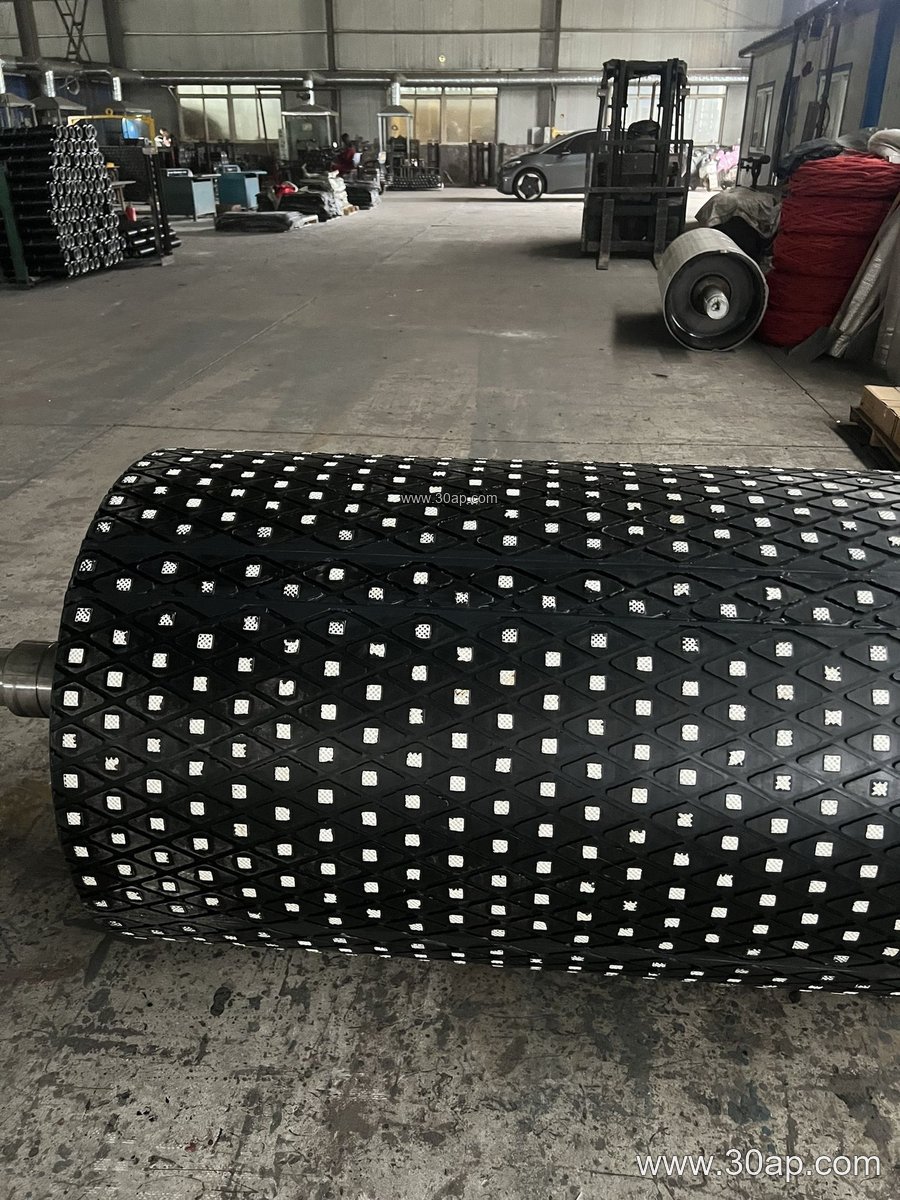
In these settings, the belt works alongside conveyor pulleys, idler rollers, and conveyor brackets to ensure smooth operation. The acid resistance helps extend the service life of the entire conveyor system.
Specifications and Selection Guide
When selecting an acid resistant conveyor belt, consider the following parameters:
| Parameter | Common Options |
|---|---|
| Fabric core type | EP (polyester-nylon), NN (nylon-nylon) |
| Strength (tensile strength) | EP200, EP315, EP400, EP500, EP630, EP800, EP1000, EP1250, EP1600, EP2000 |
| Belt width | B500, B650, B800, B1000, B1200, B1400, B1600, B1800, B2000 |
| Cover thickness (top + bottom) | 3+1.5 mm, 4+2 mm, 5+2 mm, 6+2 mm, 8+3 mm |
| Number of plies | 2 to 6 |
These are typical reference values; actual specifications should be confirmed with the manufacturer based on the specific acid concentration, temperature, and operating conditions.
Installation and Maintenance Tips
Proper installation and maintenance are crucial for maximizing the life of an acid resistant conveyor belt. Ensure that the belt is correctly tensioned and aligned to prevent edge damage. Regularly inspect the belt for signs of acid attack, such as hardening, cracking, or delamination. Clean the belt promptly after spills of acidic materials. Use appropriate conveyor pulleys and idler rollers that are also resistant to corrosion to avoid premature failure.
When replacing a belt, consider upgrading to a higher acid resistance grade if the previous belt showed early signs of degradation. Also, check the compatibility of the belt with the conveyed material and the environment.
Related Equipment and Accessories
To support the acid resistant conveyor belt, it is important to use compatible conveyor components. For instance, corrosion-resistant idler rollers and conveyor pulleys help prevent material buildup and extend the life of the belt. Conveyor brackets should be selected based on the load and environmental conditions. In mining and coal mining applications, flame retardant and anti-static properties may also be required, so a combination of acid resistance with these features can be specified.
For more information on conveyor belts and accessories, visit Rubber Conveyor Belt and EP Conveyor Belt pages. Our range includes Heat Resistant Conveyor Belt and Oil Resistant Conveyor Belt for other specialized needs.