What an Idler Bracket Does on a Conveyor
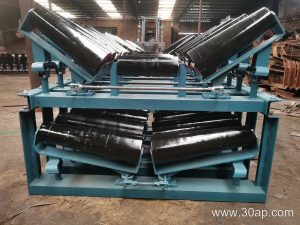
An idler bracket is the structural component that holds conveyor idlers in the correct position along the frame. It sets the trough angle of the carrying side, supports the return run, and keeps the belt tracking steadily under load. In a quarry, a cement plant, or a power plant coal yard, the bracket is the quiet link between the steel structure and the rotating idler roller. Get it right and the belt runs true; get it wrong and you will see edge wear, spillage, and shortened roller life.
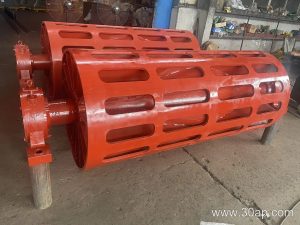
The bracket is often called a conveyor bracket or idler frame, and the name usually points to the same part. It is not a pulley and it is not a roller. A conveyor pulley, whether drive, tail, or bend type, transmits power or changes belt direction, while the idler bracket simply locates and supports idlers along the carry and return strands.
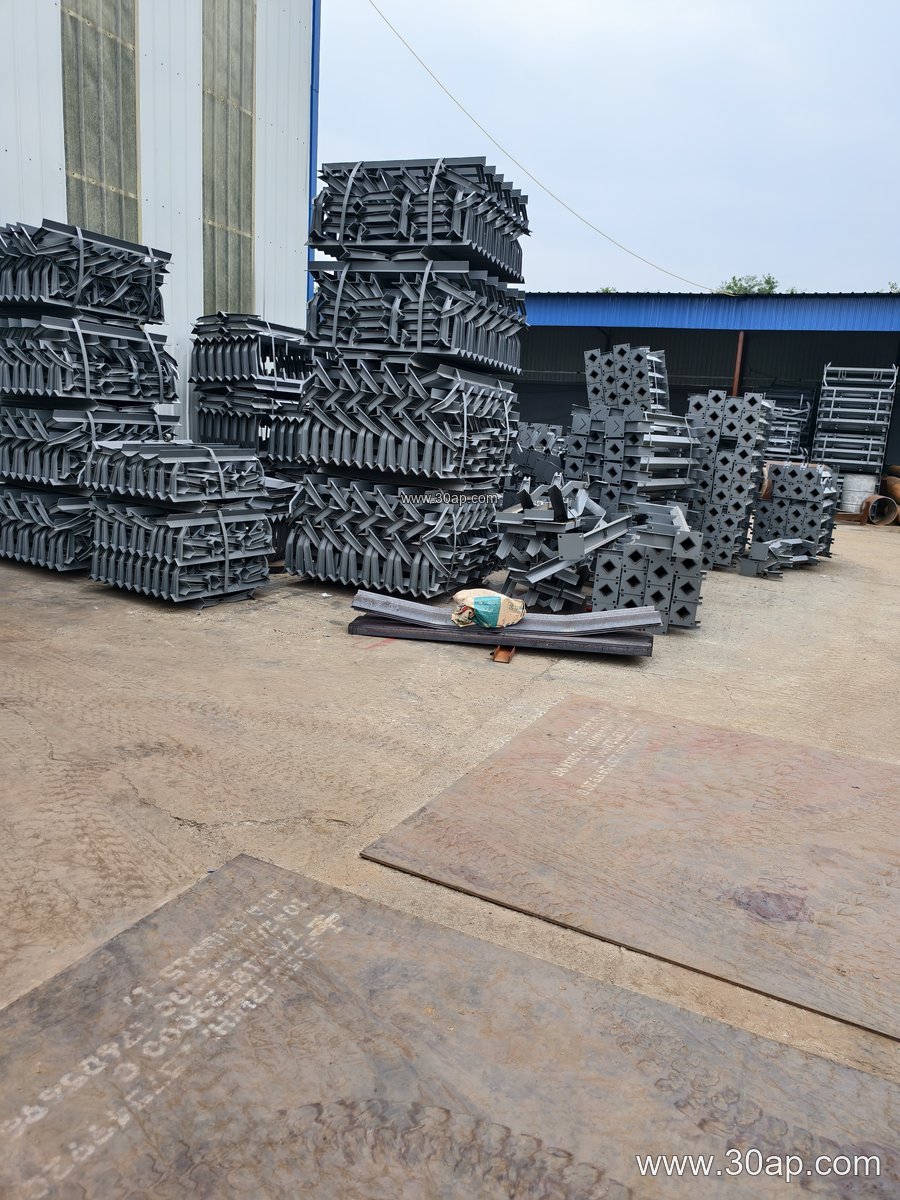
How the Bracket Is Built
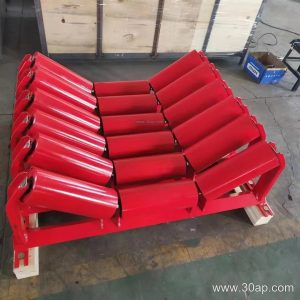
Most brackets are fabricated from angle steel, channel steel, or folded steel plate. The material choice follows the duty: light aggregate lines may use folded plate, while heavy iron ore or underground coal mining conveyors tend to use channel or angle sections with reinforced gussets. Slots and bolt holes are positioned so the idler shaft can be seated and, where needed, adjusted.
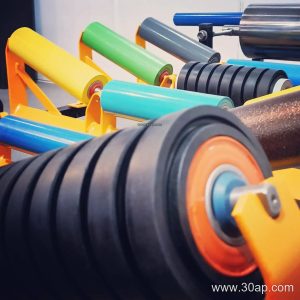
Common forms include trough brackets for the carrying side, transition brackets near pulleys, return brackets and V-return brackets for the lower strand, impact brackets under loading points, and self-aligning or forward-tilted brackets for tracking control. Adjustable brackets let maintenance crews change the trough angle within a range instead of replacing the whole assembly.
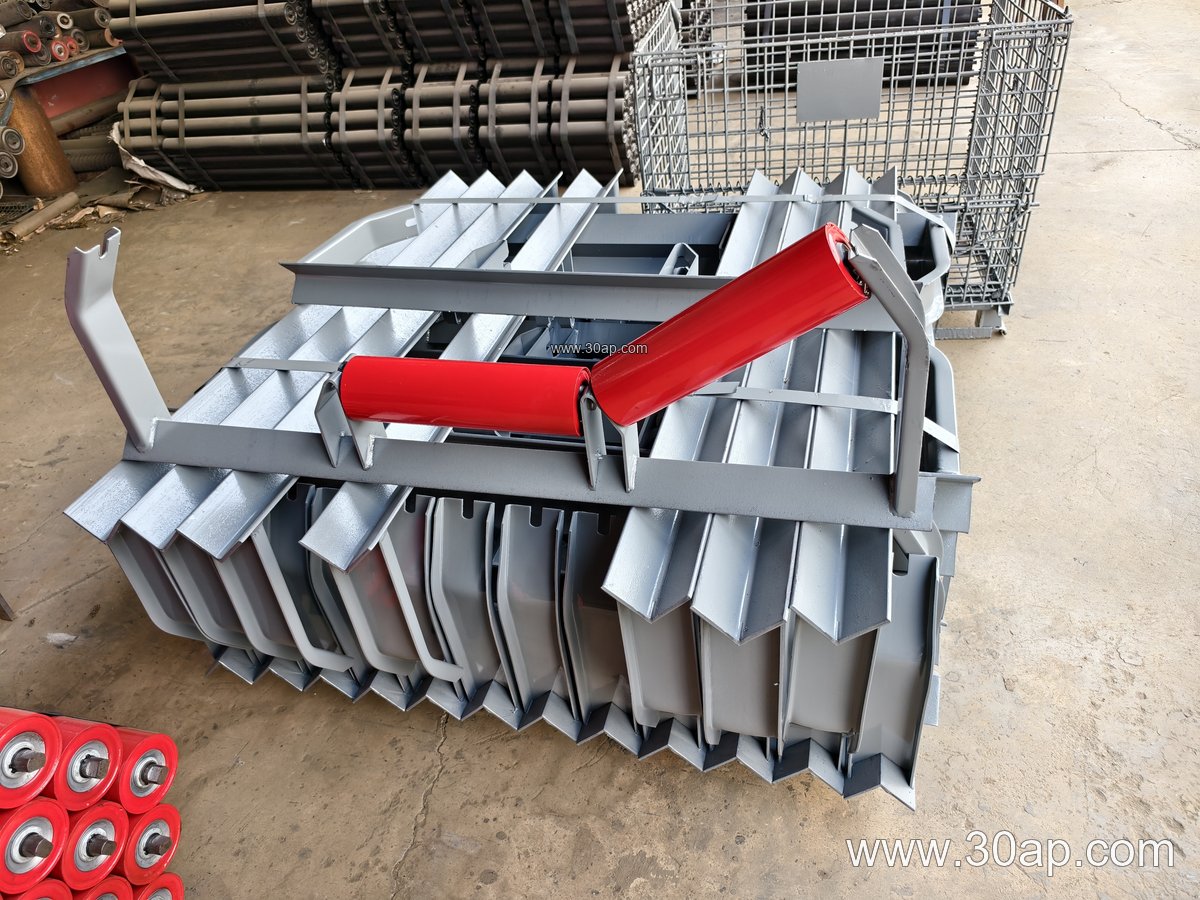
Matching Bracket, Belt, and Roller
Selection starts with belt width and the required trough angle, then moves to roller diameter and mounting dimensions. These values are related but not locked to each other, so a given belt width can work with more than one trough angle or roller size depending on the conveyor design.
| Parameter | Common Reference Values |
|---|---|
| Belt width | B500, B650, B800, B1000, B1200, B1400, B1600, B1800, B2000, B2200 |
| Trough angle | 20°, 30°, 35°, 45°; adjustable brackets cover a range |
| Forward tilt | Typically about 1.5° to 2° |
| Idler diameter | Ø89, Ø108, Ø133, Ø159, Ø194 |
| Fabrication material | Angle steel, channel steel, folded steel plate |
Typical combinations such as B800 with 35° and Ø108, or B1200 with 45° and Ø133, appear in design drawings, but they are examples rather than fixed rules. Hole spacing and crossbeam length change with belt width and trough angle, so they should always be confirmed against the project drawing.
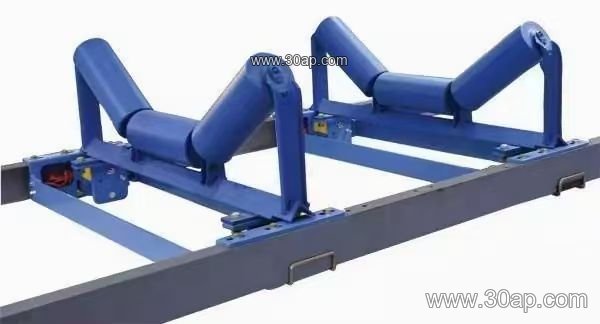
Where These Brackets Are Used
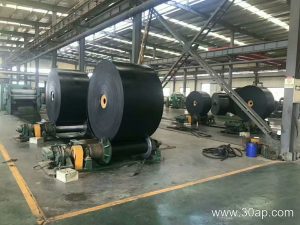
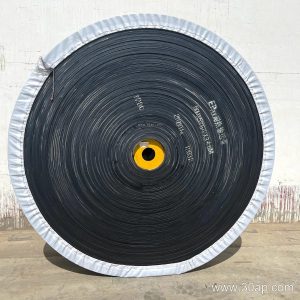
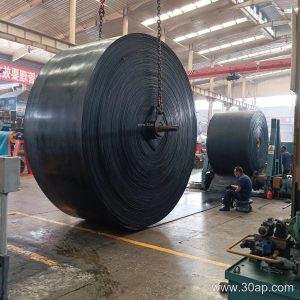
In a sand and gravel line, trough brackets carry the belt through the crushing and screening section, while impact brackets sit under the feed point. In a coal washing plant or a tunnel spoil removal system, return and V-return brackets keep the lower strand supported and help shed fines. The same component family works alongside a rubber conveyor belt, an EP conveyor belt, or a steel cord conveyor belt, provided the frame dimensions match the belt and idler selection.
Heavy-duty mining conveyors handling abrasive rock often need thicker sections and closer support spacing. Where a flame retardant conveyor belt or a heat resistant conveyor belt is specified, the bracket still performs its locating role, but the surrounding structure and roller choice must suit the same environment. For more on compatible belting and rollers, see conveyor belt and idler roller references.
Buyer Checklist
- Confirm belt width, trough angle, and roller diameter from the conveyor drawing, not from a single catalogue line.
- State whether the bracket is fixed or adjustable, and whether forward tilt is required for tracking.
- Check mounting hole spacing, crossbeam length, and frame attachment details.
- Match material thickness and coating to the site: dusty quarry, wet wash plant, or corrosive fertilizer store.
- Ask how the bracket interfaces with the conveyor pulley transition zone and with the conveyor bracket spacing plan.
Good bracket selection is mostly about fit and consistency. Once the geometry is right, idlers last longer, the belt tracks better, and maintenance becomes a matter of inspection rather than constant correction.