What a Q355 Conveyor Bracket Does
A Q355 conveyor bracket is the structural component that holds idler rollers in place along a conveyor system. Made from Q355 steel, a widely used low-alloy high-strength structural steel, this bracket provides the mounting base for carrying and return idlers. Its role is straightforward but critical: keep the conveyor belt supported at the correct profile, maintain proper alignment, and absorb the loads generated by bulk material transport.
In a typical conveyor frame, brackets are bolted or welded to the stringers and cross beams. The Q355 grade offers a good balance of strength and weldability, making it suitable for both fixed and adjustable bracket designs. Whether you are working in a quarry, a coal preparation plant, or a cement plant, the bracket must match the belt width, trough angle, and roller diameter to do its job properly.
Construction and Common Forms
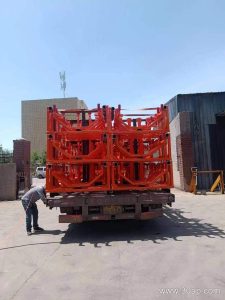
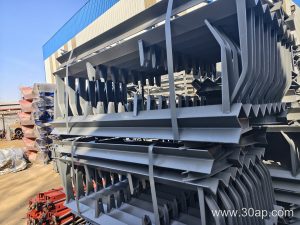
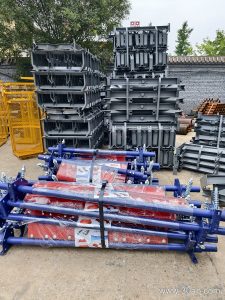
Most Q355 conveyor brackets are fabricated from angle steel, channel steel, or folded steel plate. The fabrication method affects stiffness, weight, and installation speed. Common configurations include:
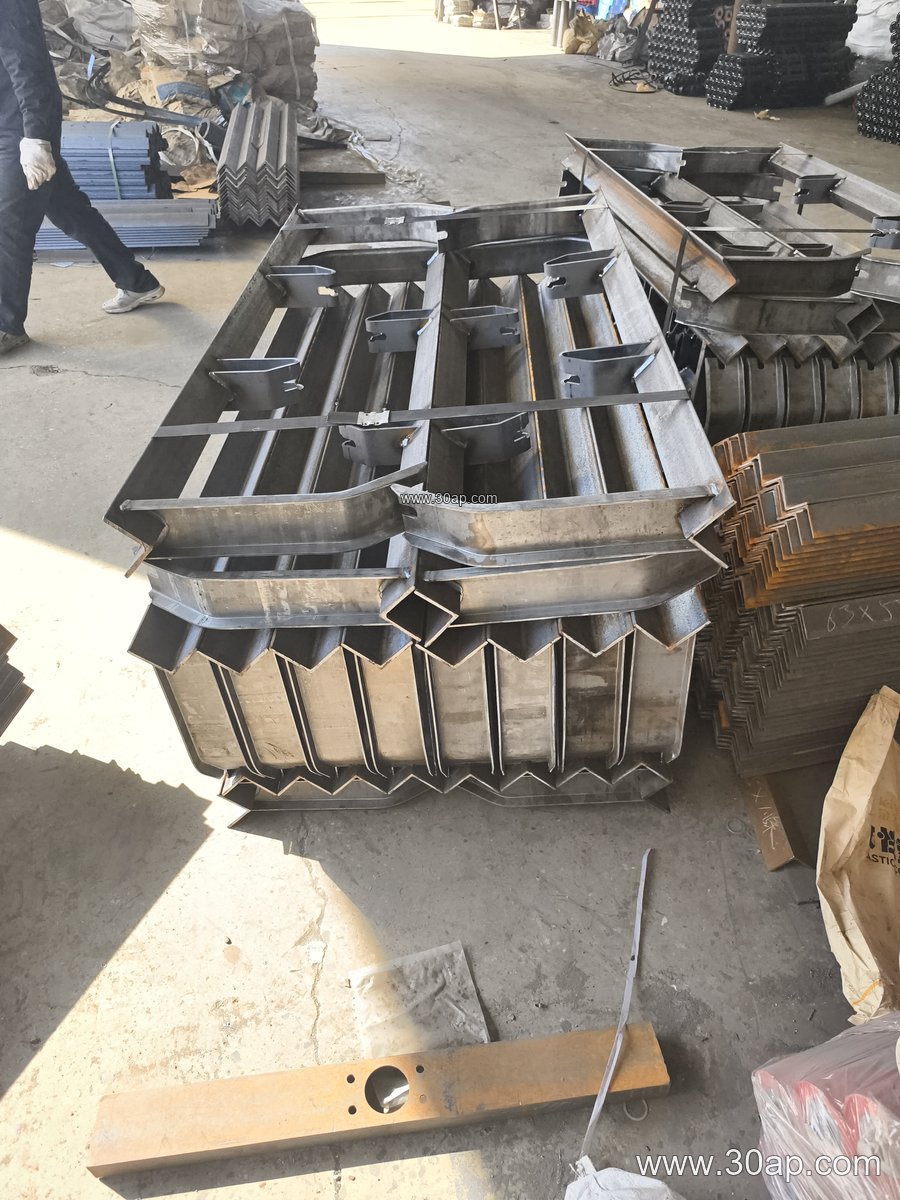
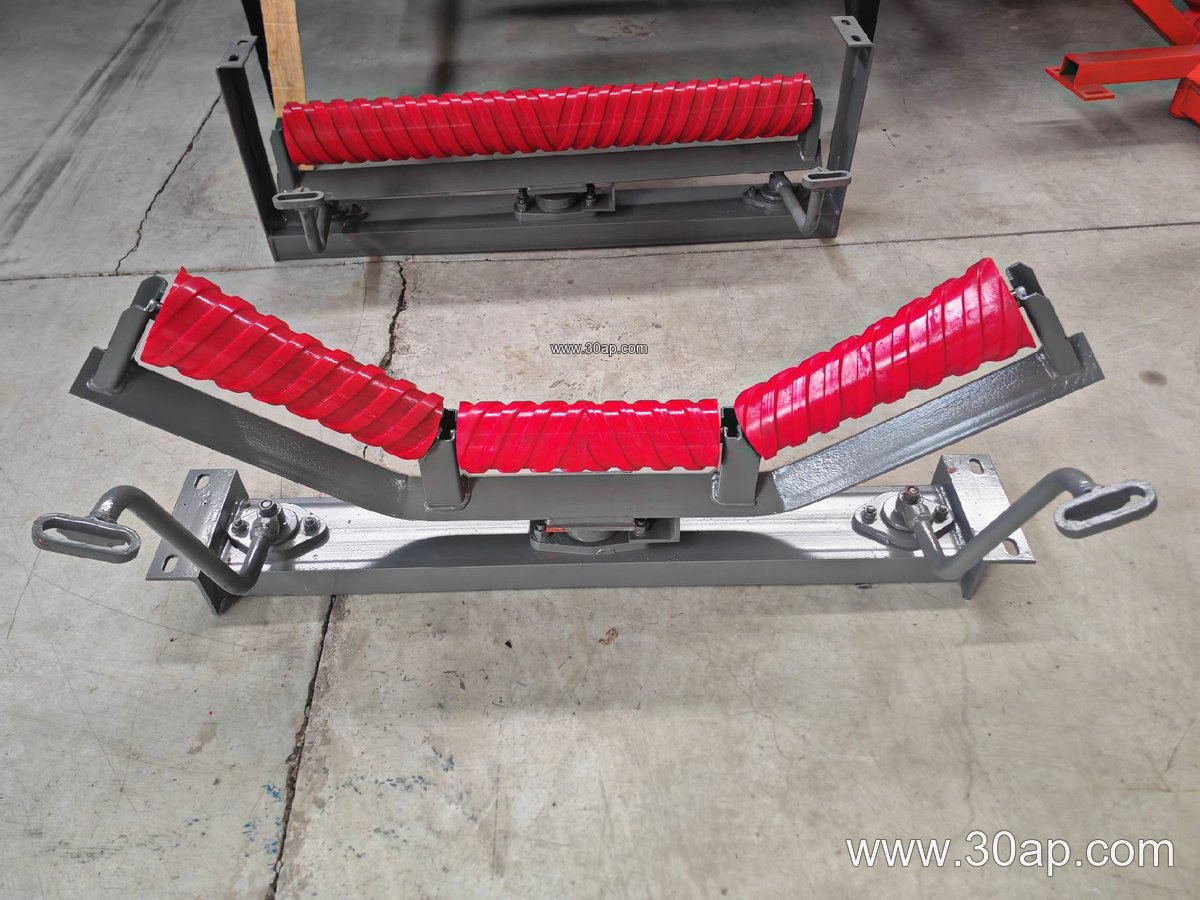
- Troughing bracket – supports three idlers at a set trough angle (commonly 20°, 30°, 35°, or 45°).
- Transition bracket – used near pulleys to gradually change belt profile.
- Return bracket – holds return idlers; flat or V-shaped designs are available.
- Impact bracket – reinforced to carry impact idlers under loading points.
- Self-aligning bracket – allows slight movement to correct belt tracking.
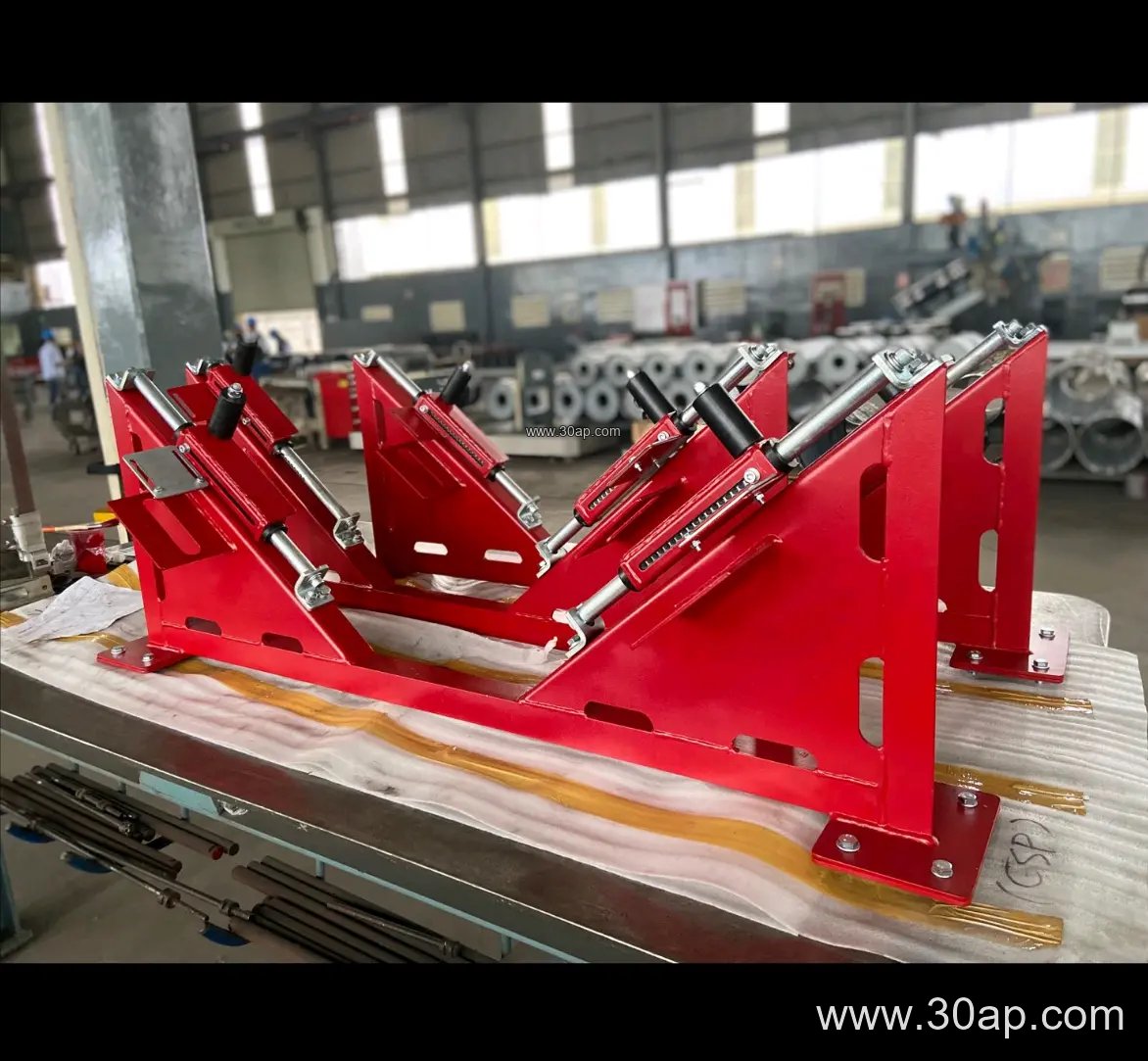
- Adjustable bracket – permits on-site changes to trough angle, often between 20° and 45°.
Forward-leaning brackets, typically set at about 1.5° to 2°, are another variant used to improve belt centering. The choice among these forms depends on the conveyor layout and the material being handled.
Where It Fits in the Conveyor System
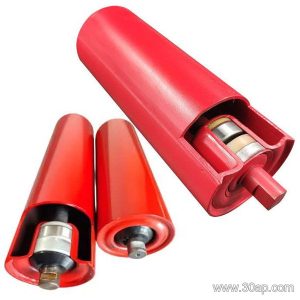
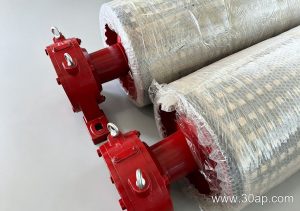
The bracket works together with the idler roller and the conveyor pulley to keep the belt running smoothly. On the carrying side, troughing brackets support the loaded belt; on the return side, return brackets hold the belt after it discharges. In mining and quarry operations, heavy-duty brackets are often paired with impact-resistant rollers to handle lump sizes and drop heights.
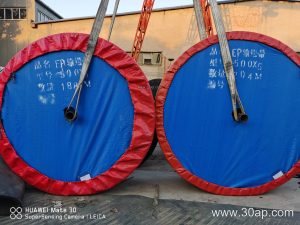
For example, a coal mining conveyor belt may use flame retardant and anti-static belting, but the bracket still needs to provide stable support regardless of belt compound. Similarly, a cement plant handling abrasive clinker relies on robust brackets to keep idlers aligned and extend roller life. The bracket itself does not touch the material, but its rigidity and dimensional accuracy directly influence belt tracking and splice life.
Matching Brackets to Belt Width and Roller Diameter
Belt width and roller diameter are the two primary variables that determine bracket dimensions. The table below shows common combinations; these are reference examples, not fixed rules. A given belt width can work with more than one roller diameter, and the final choice depends on load, speed, and available space.
| Belt Width (B) | Typical Trough Angle | Common Roller Diameter | Bracket Type Example |
|---|---|---|---|
| B500 | 20°–30° | Ø89 | Troughing, return |
| B650 | 30° | Ø89 | Troughing, impact |
| B800 | 35° | Ø108 | Troughing, self-aligning |
| B1000 | 35°–45° | Ø108, Ø133 | Troughing, transition |
| B1200 | 45° | Ø133 | Troughing, return V-type |
| B1400 | 35°–45° | Ø133, Ø159 | Troughing, impact |
| B1600 | 35°–45° | Ø159 | Heavy-duty troughing |
| B1800 | 35°–45° | Ø159, Ø194 | Heavy-duty troughing |
| B2000 | 35°–45° | Ø194 | Heavy-duty troughing |
Installation hole spacing and crossbeam length change with belt width and trough angle. These are not universal constants; they should be confirmed against the conveyor layout. A bracket designed for B800 with 35° trough and Ø108 rollers will not fit a B1200 frame without modification.
Buyer Checklist for Q355 Conveyor Brackets
When specifying brackets, consider the following:
- Material grade – confirm Q355 or equivalent, and check whether welded or bolted construction is preferred.
- Bracket type – troughing, return, impact, self-aligning, or adjustable. Each serves a different position in the conveyor.
- Belt width and trough angle – provide these together; they determine bracket geometry.
- Roller diameter – specify the idler roller size (e.g., Ø108, Ø133) so the bracket seat matches.
- Surface treatment – paint or galvanizing may be relevant in wet or corrosive environments.
- Compatibility – ensure the bracket matches the stringer hole pattern and the conveyor pulley centerline.
For systems carrying abrasive materials, such as an iron ore conveyor belt or a quarry conveyor belt, heavier bracket sections and impact brackets at transfer points can reduce downtime. In coal mining, flame retardant conveyor belt is common, but the bracket material and coating should also suit the underground environment.
Maintenance and Long-Term Reliability
Q355 conveyor brackets are designed for long service, but they should be inspected for loose bolts, bent ears, or corrosion. A bracket that has lost its shape can cause the idler roller to sit at the wrong angle, leading to belt misalignment and edge damage. During scheduled shutdowns, check that brackets remain square to the frame and that adjustable brackets have not slipped from their set angle. Replacing a worn bracket is usually simpler than correcting the belt tracking problems it causes.
In summary, the Q355 conveyor bracket is a modest but vital part of any bulk handling system. Selecting the right form, matching it to belt and roller dimensions, and keeping it in good condition helps the entire conveyor run efficiently.