What Idler Procurement Covers
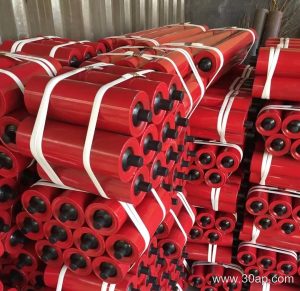
Idler procurement is the process of specifying and purchasing the carrying and return rollers that support a conveyor belt along its route. The idler roller is a deceptively simple component: a steel shell, a shaft, bearing housings, and seals. Yet on a long overland conveyor or a dusty crushing circuit, the idler set determines how much power the drive must deliver, how often maintenance crews visit the line, and how long the belt itself lasts. Buyers who treat idlers as a commodity often pay for it later through seized bearings, belt edge damage, and unplanned stoppages.
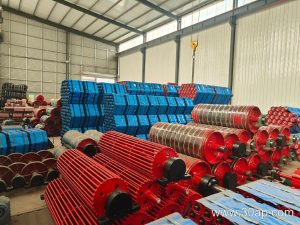
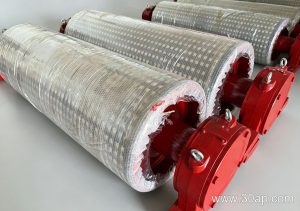
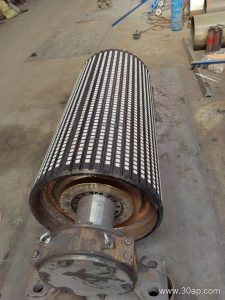
This guide looks at construction, common configurations, and the practical questions a buyer should raise before placing an order. Drive pulleys, tail pulleys, and bend pulleys are separate engineered items with their own specification process; they are mentioned here only where the interface between pulley and idler matters.
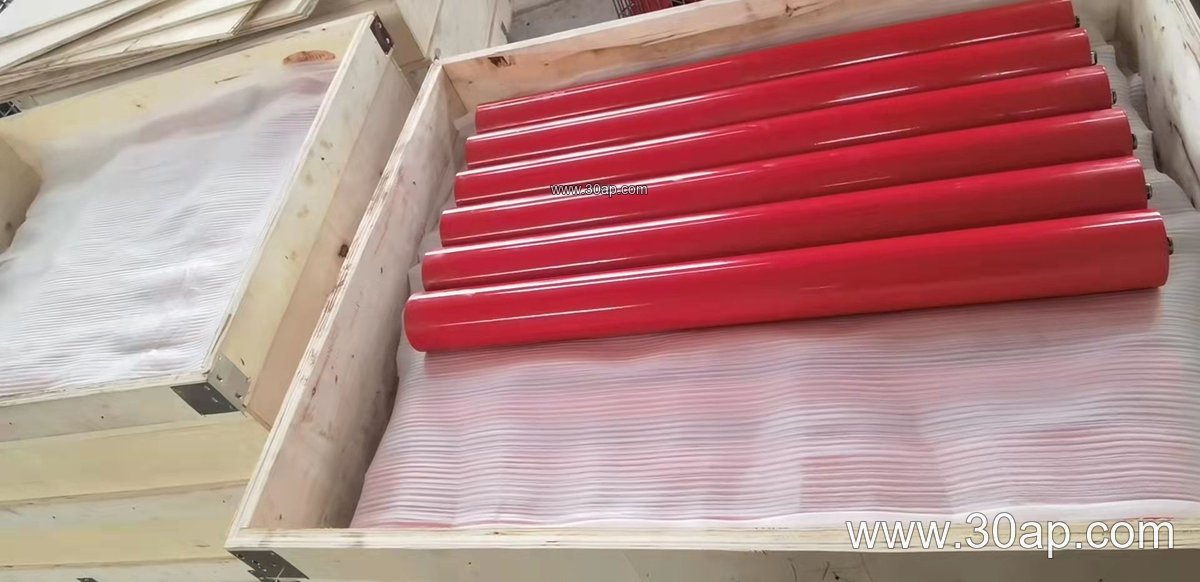
How an Idler Roller Is Built
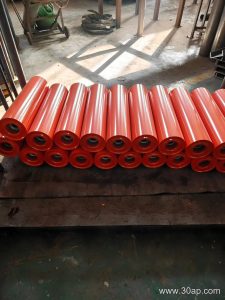
A typical idler consists of a tubular shell, a through shaft or stub shafts, pressed bearing housings, and a sealing arrangement. The shell may be plain steel, nylon-coated, ceramic-lined, or fitted with rubber rings for impact absorption. Bearing selection is usually drawn from common sizes such as 6204, 6205, 6305, 6306, 6308, and 6310, matched to the load and speed of the application rather than to a single shell diameter.
Sealing deserves particular attention during procurement. In a coal handling plant or a cement mill, fine dust combined with moisture will destroy a poorly sealed bearing long before the shell wears out. Labyrinth seals, contact seals, and grease-retention designs differ in cost and in expected service life. Ask suppliers how the seal is configured, not just whether one exists.
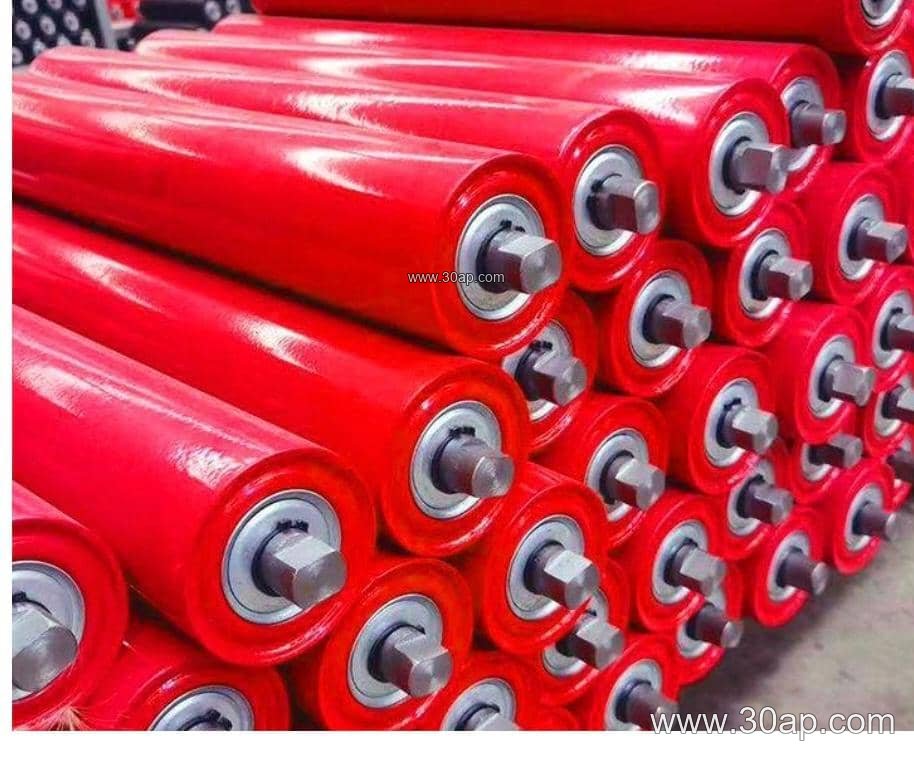
Common Idler Types and Where They Sit
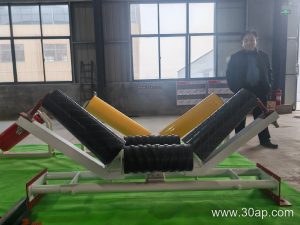
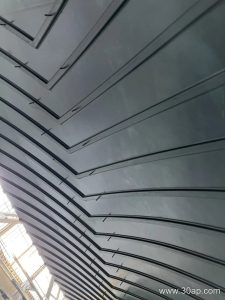
The troughing idler carries the loaded strand and is normally supplied as a two-roll or three-roll set. A three-roll troughing set at 20, 30, 35, or 45 degrees is common, with the trough angle chosen to suit material lump size and belt width. Transition idlers sit between the troughing station and the pulley, gently changing the belt profile. Return idlers support the empty strand; flat return rolls, V-return sets, and spiral rolls each suit different cleaning and tracking conditions.
Impact idlers and rubber-ring impact rolls belong under the loading point, where ore or crushed rock drops onto the belt. Self-aligning idlers, including friction and tapered designs, correct minor misalignment on long runs. A buyer should map each position on the conveyor to the right subtype rather than ordering one type for the whole line.
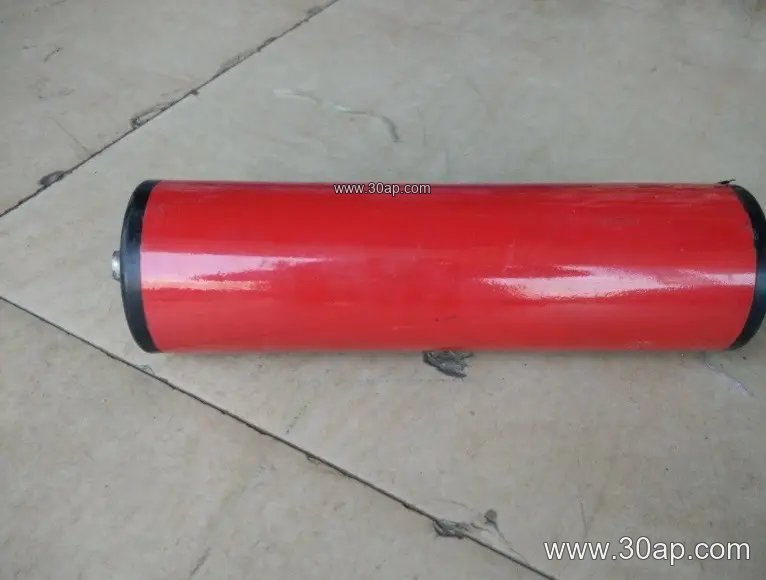
Matching Roll Diameter, Belt Width, and Roll Length
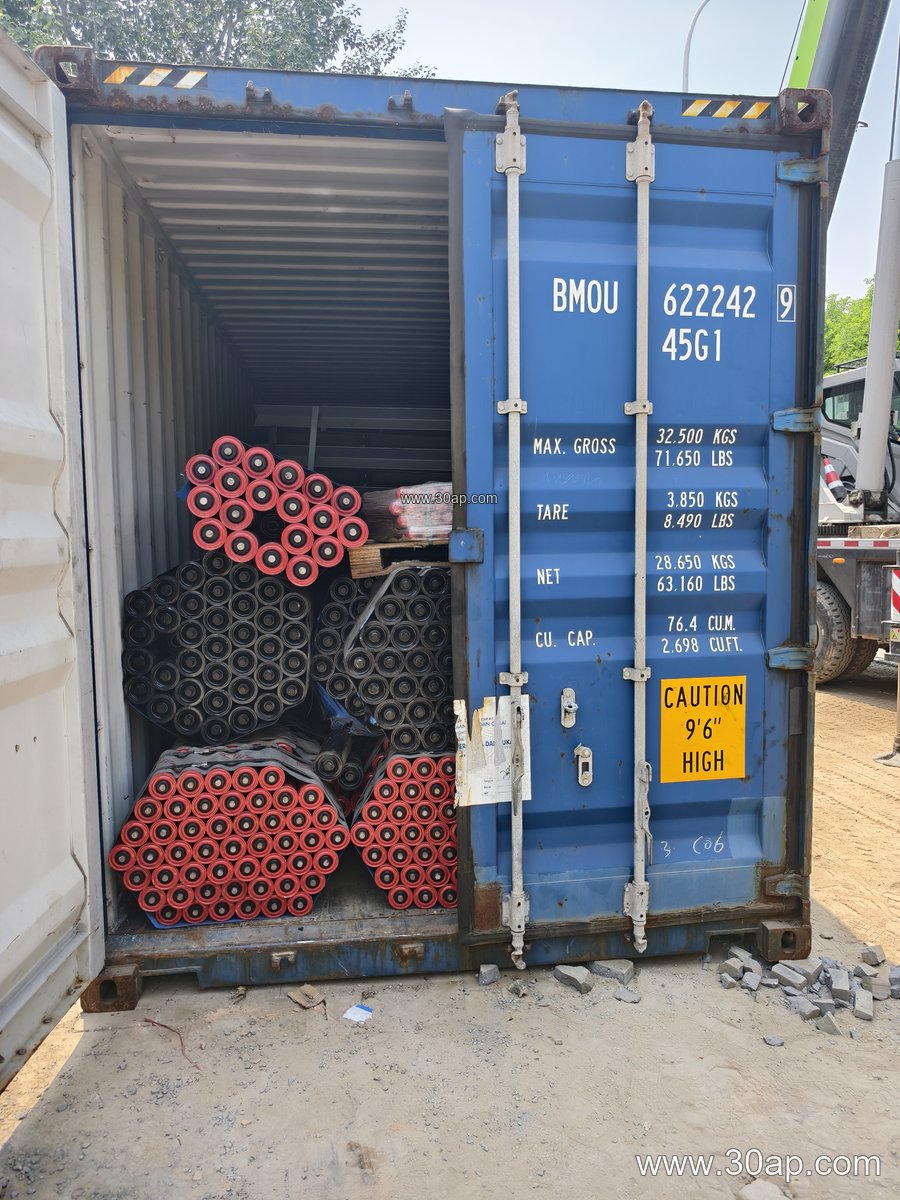
Roll diameter and belt width are linked by belt speed, load, and the allowable sag between stations, but there is no rule that one belt width can only pair with one roll diameter. The table below shows typical reference values; final values are determined by conveyor design.
| Belt width | Common troughing roll length (three-roll set) | Typical roll diameters |
|---|---|---|
| B500 | about 200 mm | Ø63 to Ø89 |
| B650 | about 250 mm | Ø76 to Ø108 |
| B800 | about 315 mm | Ø89 to Ø133 |
| B1000 | about 380 mm | Ø102 to Ø159 |
| B1200 | about 465 mm | Ø108 to Ø178 |
| B1400 | about 530 mm | Ø127 to Ø194 |
| B1600 | about 600 mm | Ø133 to Ø194 |
| B1800 | about 670 mm | Ø159 to Ø219 |
| B2000 | about 750 mm | Ø178 to Ø219 |
Side rolls and center rolls in the same set can differ in length, so the figures above are examples rather than fixed pairings. Shaft diameter follows the calculated load and bearing bore, not belt width alone.
Application Notes Across Industries
In a quarry or aggregate line feeding a crusher, impact idlers and abrasion-resistant shells protect the belt at the transfer point. In a coal mining conveyor or a power plant coal yard, flame retardant and anti-static properties of the belt interact with idler spacing, and sealed bearings are essential in wash-down areas. A port ship loader handling bulk material may use wide belts with heavy troughing sets, while a fertilizer or grain facility pays more attention to contamination and smooth roll surfaces.
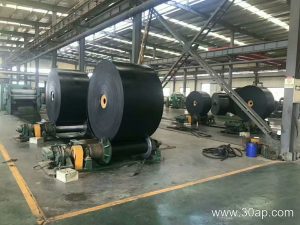
The belt itself sets the context. A steel cord conveyor belt tolerates tighter transitions than a multi-ply fabric core belt, and a chevron or corrugated sidewall belt may require modified idler geometry near the loading zone. When specifying, note the belt type, for example an EP conveyor belt or a heat resistant conveyor belt, so the supplier can align roll surfaces and clearances accordingly.
Procurement Checklist
- Provide a position-by-position idler schedule: troughing, transition, impact, return, and self-aligning.
- State belt width, belt type, and belt speed for each conveyor.
- Confirm roll diameter, shell material, and bearing size together, as a set.
- Describe the environment: dust, moisture, temperature, wash-down, or corrosive atmosphere.
- Ask for seal design details and grease retention provisions.
- Check that the conveyor bracket and frame dimensions match the idler shaft ends.
- Agree on inspection criteria for shell runout, rotation resistance, and paint finish.
Good idler procurement is mostly about matching each station to its duty. A buyer who supplies clear position data, belt details, and environmental notes will receive a quotation that can actually be built and installed, rather than a list of near-miss substitutes.