What a Bend Pulley Assembly Does
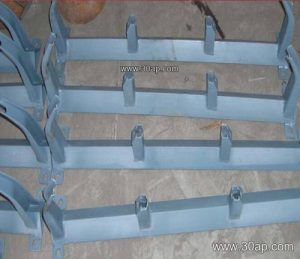
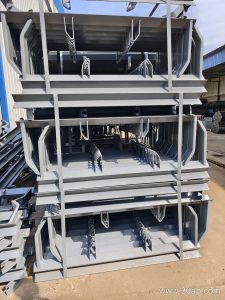
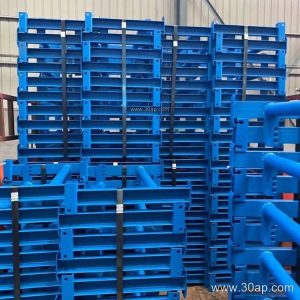
A bend pulley assembly is the supporting group that changes the direction of a conveyor belt without driving it. It is typically mounted at a transition point, such as the return-side route near a take-up, where the belt has to be guided around a curve before it reaches the drive or tail pulley. The assembly usually combines the pulley drum, shaft, bearing housings, bearing seats, and a mounting frame or conveyor bracket that fixes the unit to the conveyor structure.
Because the bend pulley is neither the drive pulley nor the tail pulley, it does not transmit the main driving torque and does not normally set belt tension on its own. Its job is to route the belt, keep it aligned, and carry the belt load at that turning point. In a long overland or plant conveyor, several bend pulleys may work together with a take-up pulley to form the return-side path.
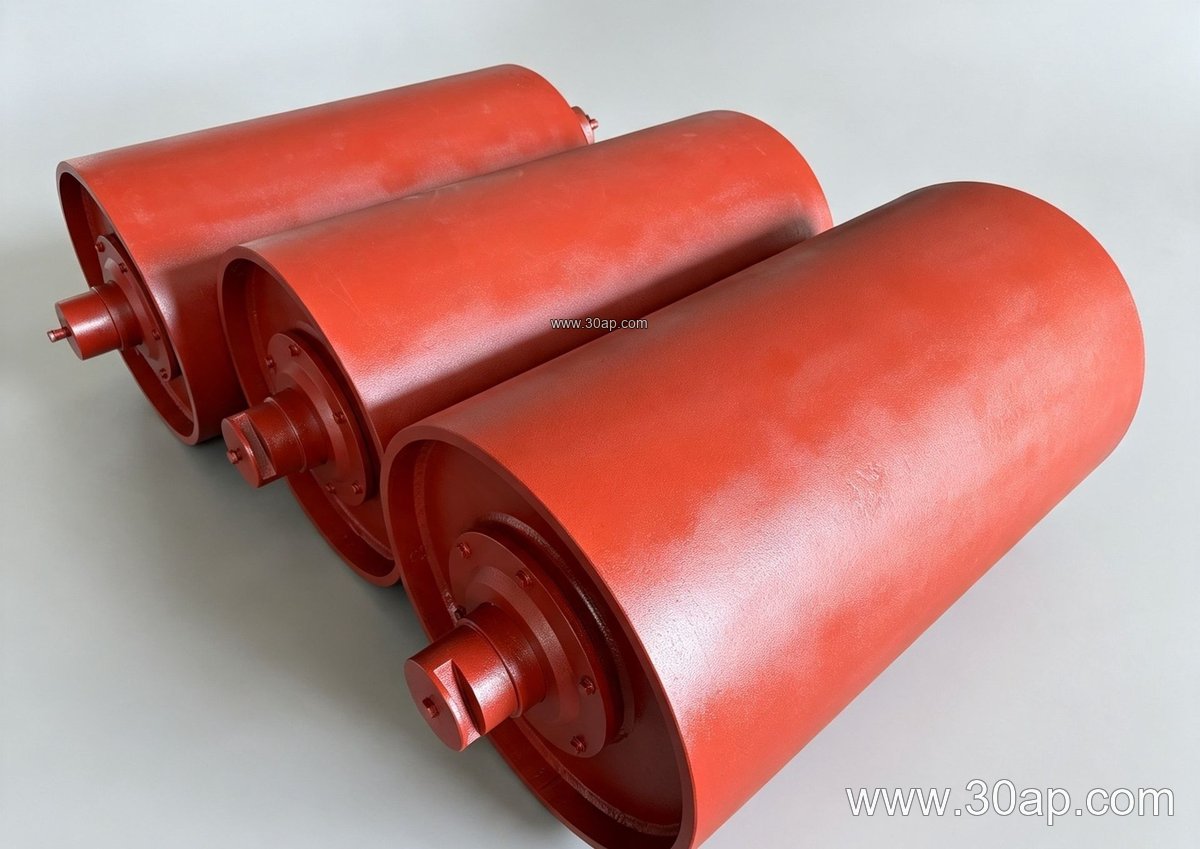
Construction and Surface Options
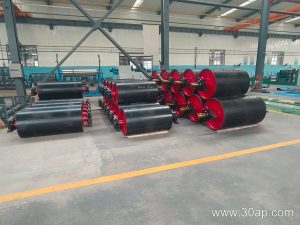
The core of the assembly is a welded steel drum with machined end discs, a through shaft, and two bearing housings. The drum face may be plain, rubber lagged, or ceramic lagged depending on whether grip and wear protection are needed. Lagging thickness is commonly 8, 10, 12, 15, or 20 mm, and the surface pattern can be plain, diamond, or herringbone.
For a bend pulley, lagging is often chosen to protect the shell from abrasive carryback rather than to increase traction. In a quarry or sand and aggregate line, a cold-bonded rubber lagging can reduce shell wear from grit; in a coal preparation plant or power plant coal handling system, a flame retardant belt running over the pulley may call for a compatible rubber grade. Bearing selection, shaft diameter, and housing type are determined by the belt pull and the radial load at that station, not by belt width alone.
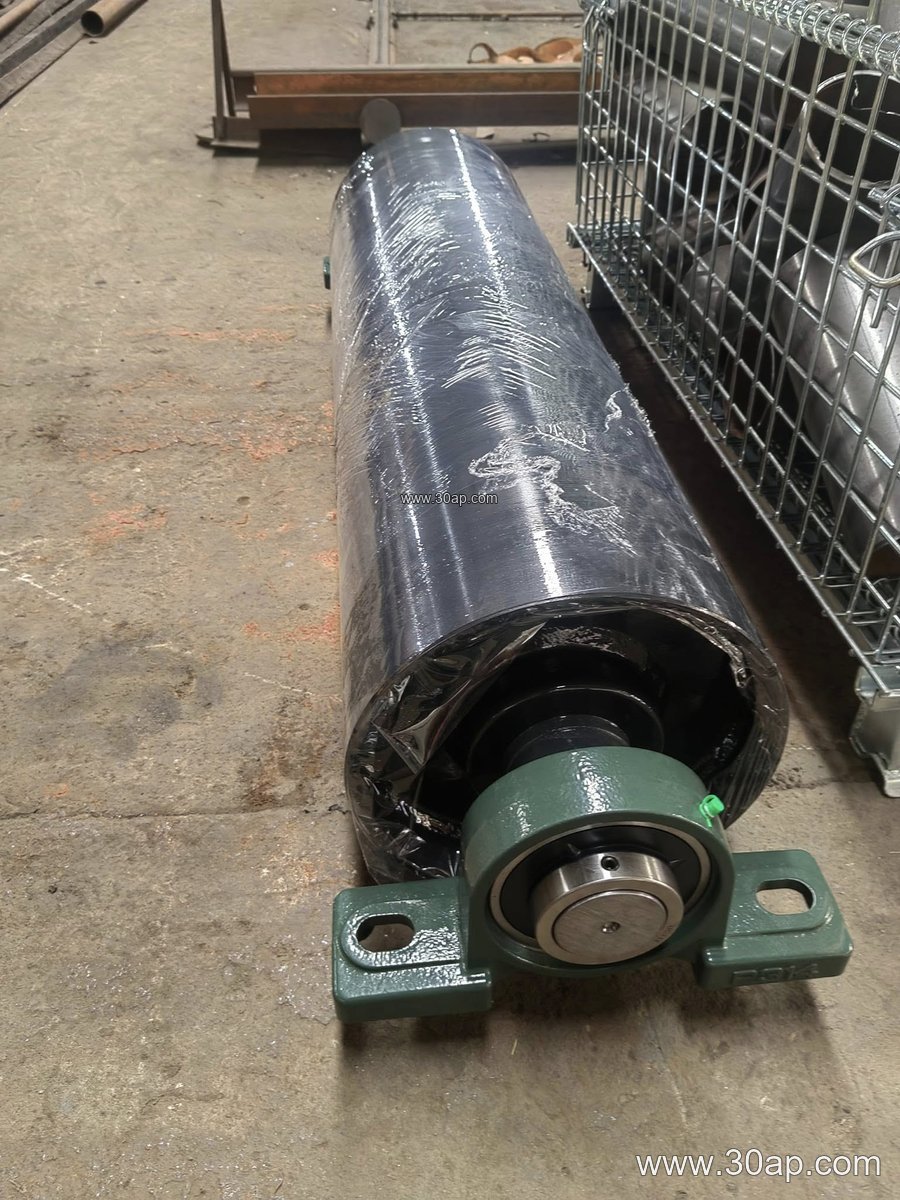
Where It Fits in the Belt Route
The assembly is common in a few positions. On the return side before the take-up, it guides the belt into the tensioning carriage. At a transfer tower, it can turn the belt through a small angle to clear a chute or a conveyor pulley guard. In a crushing and screening plant, a bend pulley assembly may be placed between the head section and the return idlers to keep the belt clear of the structure.
It is distinct from a drive pulley, which is the powered drum at the head, and from a tail pulley, which supports the belt at the loading end. A bend pulley is also different from a snub pulley, which is used to increase wrap angle on a drive drum. These roles are not interchangeable, and a buyer should specify the position when requesting a quotation.
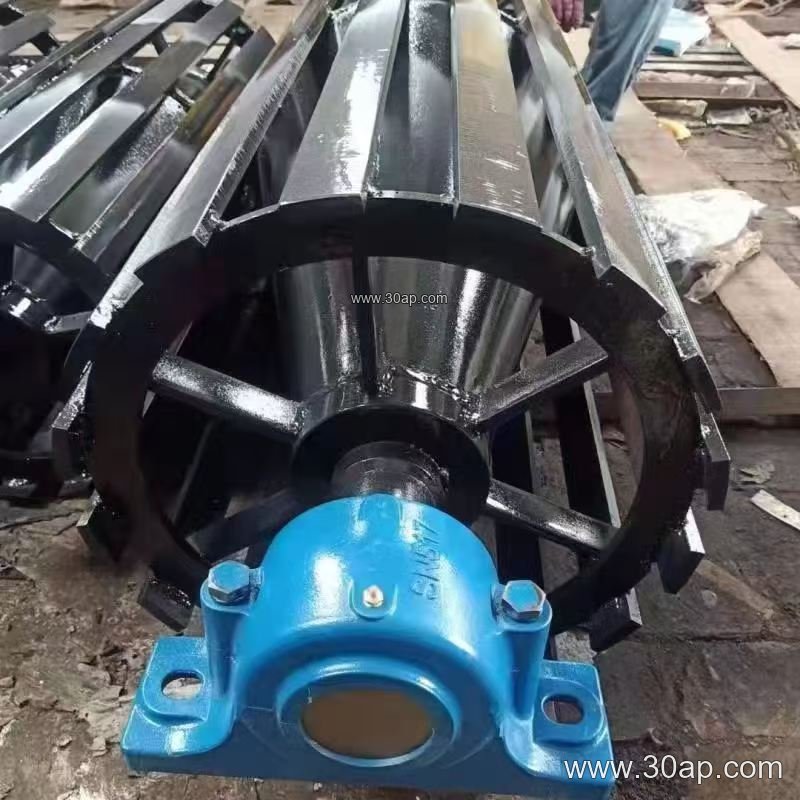
Matching the Assembly to the Belt
The pulley face width is normally a little wider than the belt. Common combinations include B800 with a face around 950 mm, B1000 with about 1150 mm, and B1200 with about 1400 mm. Diameter is selected from the belt path geometry, the minimum bend radius of the belt, and the load; Ø500, Ø630, Ø800, and Ø1000 are frequently seen in bulk handling. A B1200 × Ø1000 unit and a B800 × Ø500 unit are both normal, but no single diameter is fixed for a given belt width.
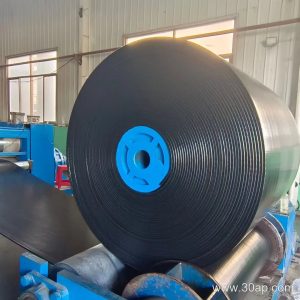
Shaft diameter is sized from torque and bearing load. Common shaft sizes range from Ø80 to Ø160 for medium and heavy conveyors, with larger sizes used on wider, heavier installations. The belt itself matters too: a stiff steel cord belt needs a larger bend radius than a flexible fabric core belt, while a heavy abrasion resistant belt in an iron ore or copper ore circuit may need a thicker lagging and a heavier bearing frame.
Buyer Checklist
- Confirm the mounting position and the belt wrap angle.
- State belt width, belt type, and belt tension at the bend point.
- Specify drum diameter and face width, or give the route drawing.
- Choose lagging type and thickness for the material handled.
- Give shaft and bearing housing details, including bracket interface.
- Check that the assembly aligns with the idler roller line and the take-up travel.
During installation, the assembly should be squared to the conveyor centerline so the belt does not drift. Periodic checks of bearing temperature, lagging wear, and bolt tightness help avoid belt edge damage. In dusty plants such as a cement plant clinker line or a limestone quarry, keeping the pulley face clean is as important as the lagging grade. A correctly specified bend pulley assembly keeps the return path stable and lets the main conveyor belt run with less edge stress.