What a Conveyor Bend Pulley Does
A conveyor bend pulley is a direction-changing drum that guides the return strand of a conveyor belt. It is not a drive pulley and not a tail pulley. The drive pulley transmits torque; the tail pulley supports the belt at the loading end. The bend pulley simply changes the belt path, usually to increase wrap angle on a drive pulley, to shorten a take-up loop, or to route the return belt around structures in a cement plant, power station coal yard, or quarry aggregate line.
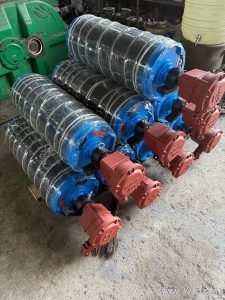
In many layouts the bend pulley works together with a conveyor pulley set that includes a drive drum, a tail drum, and several idler rollers. The bend drum carries only the belt tension and the load of the return belt, so its bearing and shaft design follow the actual belt pull rather than the motor power. A correctly sized bend pulley keeps the belt tracking stable and reduces edge wear on the conveyor belt.
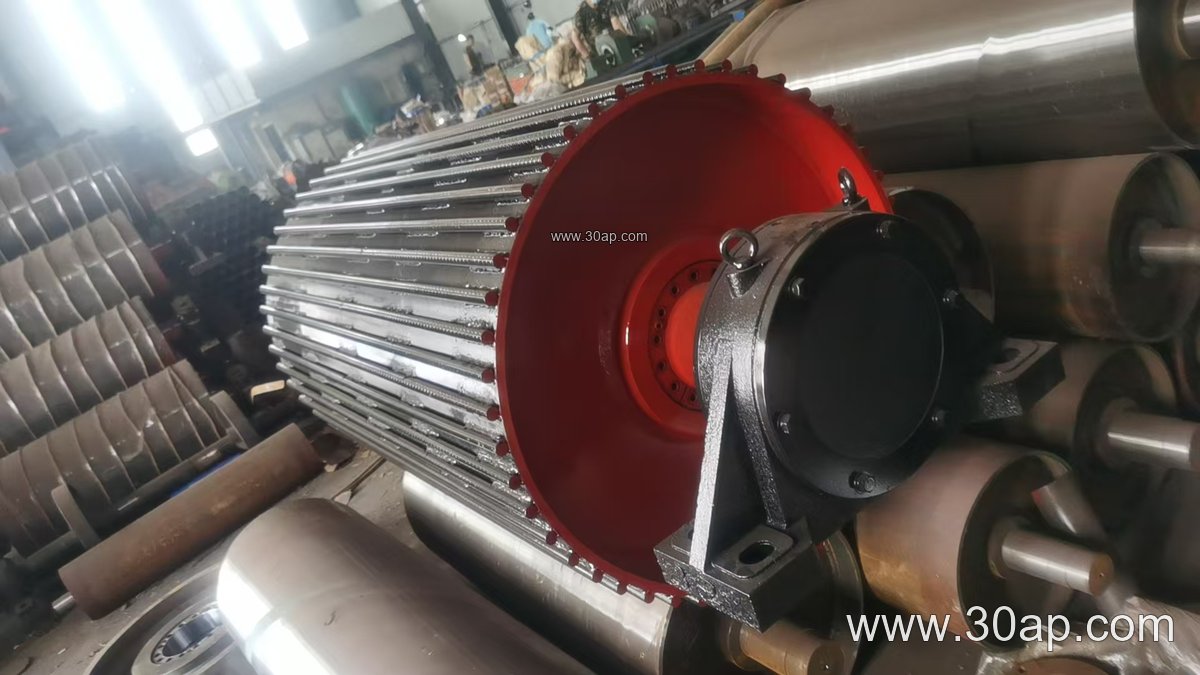
Construction and Surface Options
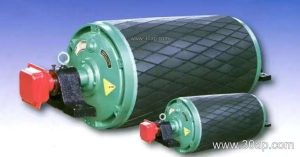
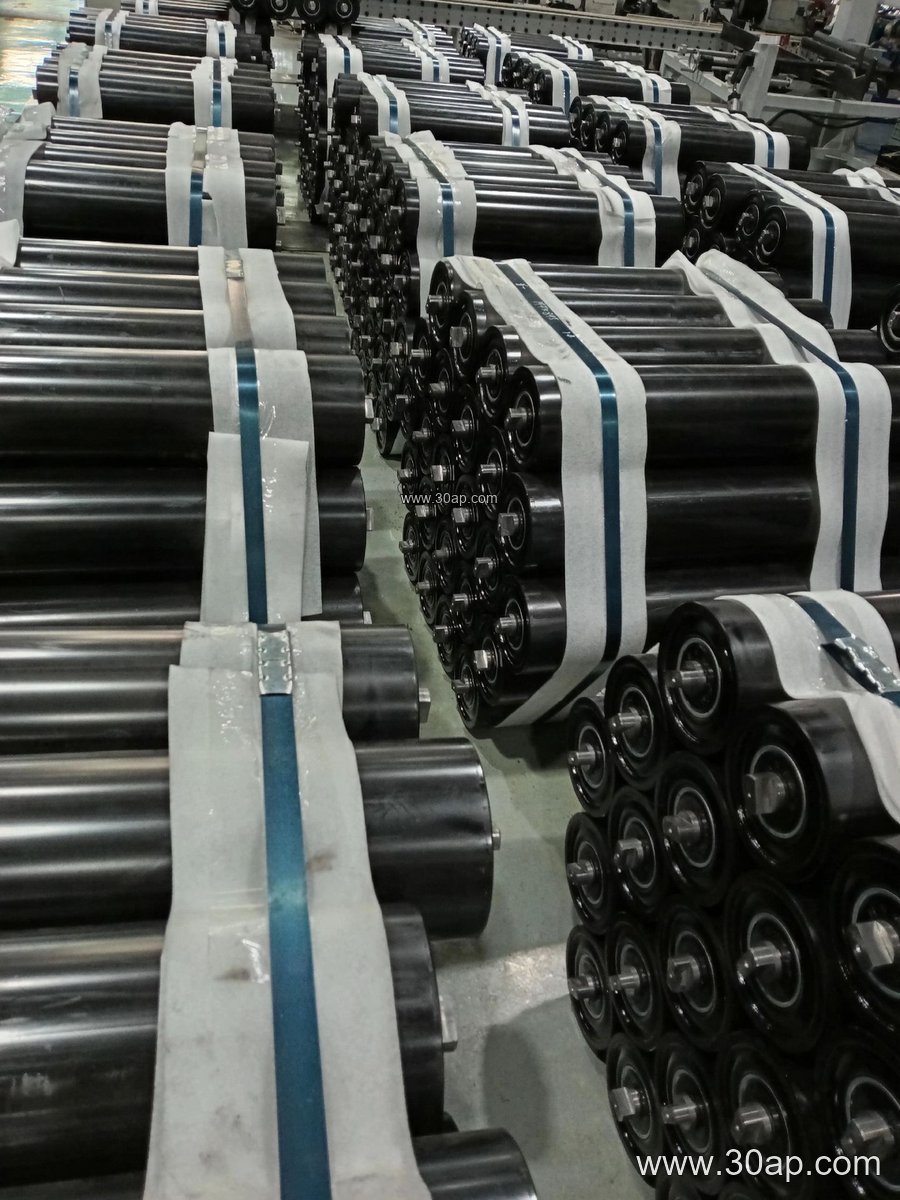
Most bend pulleys are welded steel drums with a machined face, a through shaft, and two bearing housings mounted in a conveyor bracket. The shell is often lagged to improve friction and to protect the belt. Common surface forms include plain, cold-bonded rubber, hot-vulcanized rubber, diamond lagging, and ceramic lagging. For a bend pulley, heavy lagging is less critical than on a drive drum, but a rubber surface still helps on dirty return strands in a coal handling system or a crushing and screening plant.
Typical reference dimensions, to be confirmed by design, are shown below. These are not fixed pairings and should not be read as a supply promise.
| Reference item | Common range |
|---|---|
| Belt width B | B400, B500, B650, B800, B1000, B1200, B1400, B1600 |
| Pulley diameter | Ø200, Ø250, Ø315, Ø400, Ø500, Ø630, Ø800, Ø1000 |
| Face width | Usually wider than the belt, e.g. B800 about 950 mm, B1200 about 1400 mm |
| Shaft diameter | Ø50, Ø60, Ø70, Ø80, Ø90, Ø100, Ø120, Ø140 |
| Lagging thickness | 8, 10, 12, 15, 20 mm |
A bend pulley for a B1200 belt may be supplied as B1200 × Ø1000 or another combination, depending on the belt tension and the space available. A smaller B800 line might use B800 × Ø500. The shaft is determined by torque and bearing load, not by belt width alone.
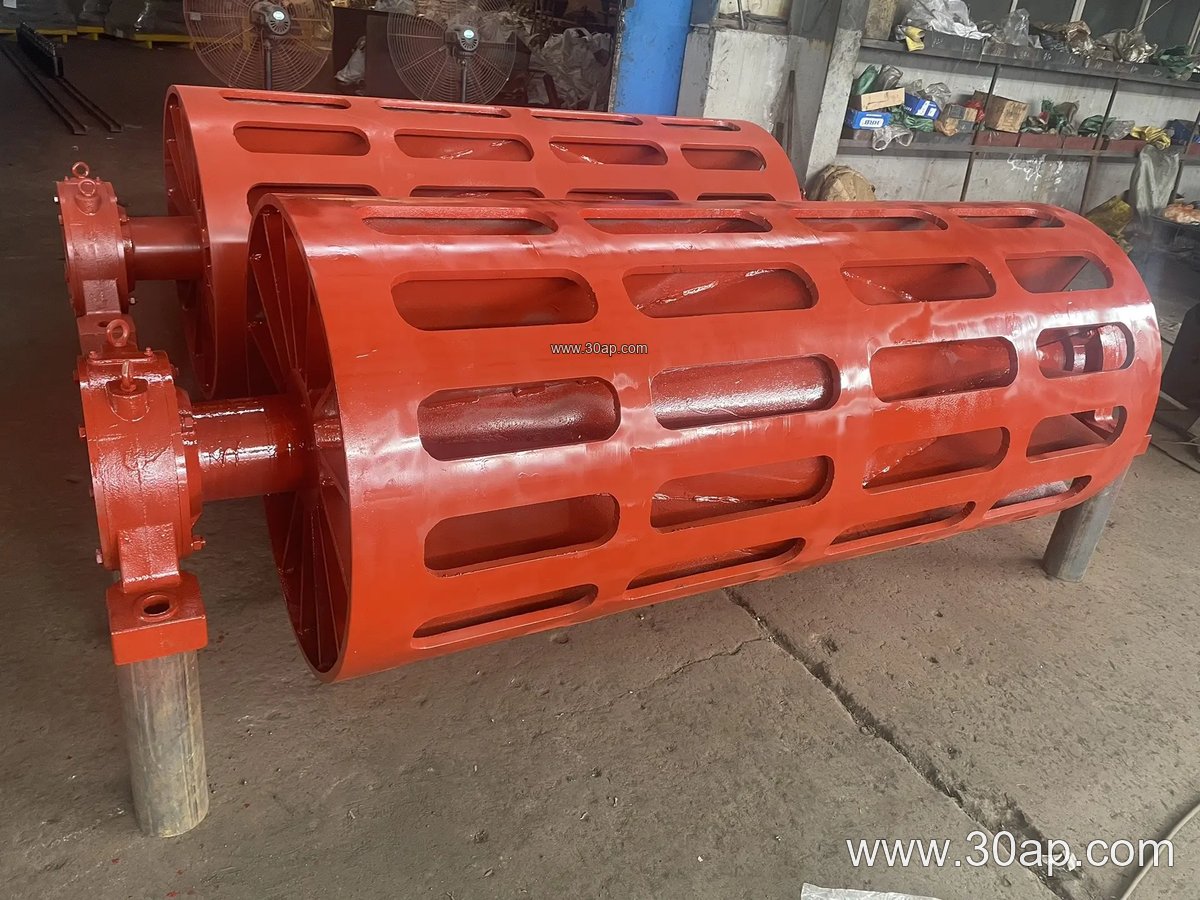
Where Bend Pulleys Are Used
In a coal-fired power plant, bend pulleys often sit near the take-up tower, routing the return belt through a gravity tensioner. In a limestone quarry or sand and gravel line, they help turn the belt around a transfer point without crowding the idler roller frames. A cement plant may use them on clinker and raw material conveyors where dust is heavy, so sealed bearings and a rubber lagged face are common choices.
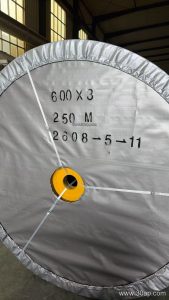
The bend pulley should be matched to the belt type. A steel cord conveyor belt on a long overland run needs a larger drum diameter than a light fabric core belt, because bending stress in the cord increases as diameter decreases. On a short aggregate conveyor with an EP conveyor belt, a smaller bend drum can be acceptable if the belt manufacturer agrees. For abrasive ore, an abrasion resistant conveyor belt and a smooth lagged bend pulley reduce wear. In underground coal mining, a flame retardant conveyor belt is used with pulleys that meet the same fire-safety rules as the rest of the system. Heat resistant conveyor belts on clinker or sinter lines need enough drum diameter to avoid cracking the cover.
What Buyers Should Confirm
- Belt width and actual face width, including any extra allowance for tracking.
- Required drum diameter and the belt maker’s minimum bend radius.
- Shaft diameter, bearing type, and the load from the return belt.
- Lagging type and thickness, or plain finish if the belt is sensitive to surface pattern.
- Mounting position: fixed bracket, sliding take-up frame, or swing frame.
- Environmental conditions such as dust, water, heat, or oil mist.
Do not assume that one belt width matches one pulley diameter. A bend pulley is a support component, and its size follows the conveyor layout, the belt tension, and the space around the conveyor pulley assembly. A clear drawing with belt width, diameter, face width, shaft size, and lagging will prevent most installation problems.