What a 2200mm Conveyor Belt Is
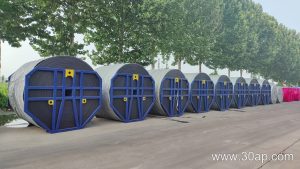
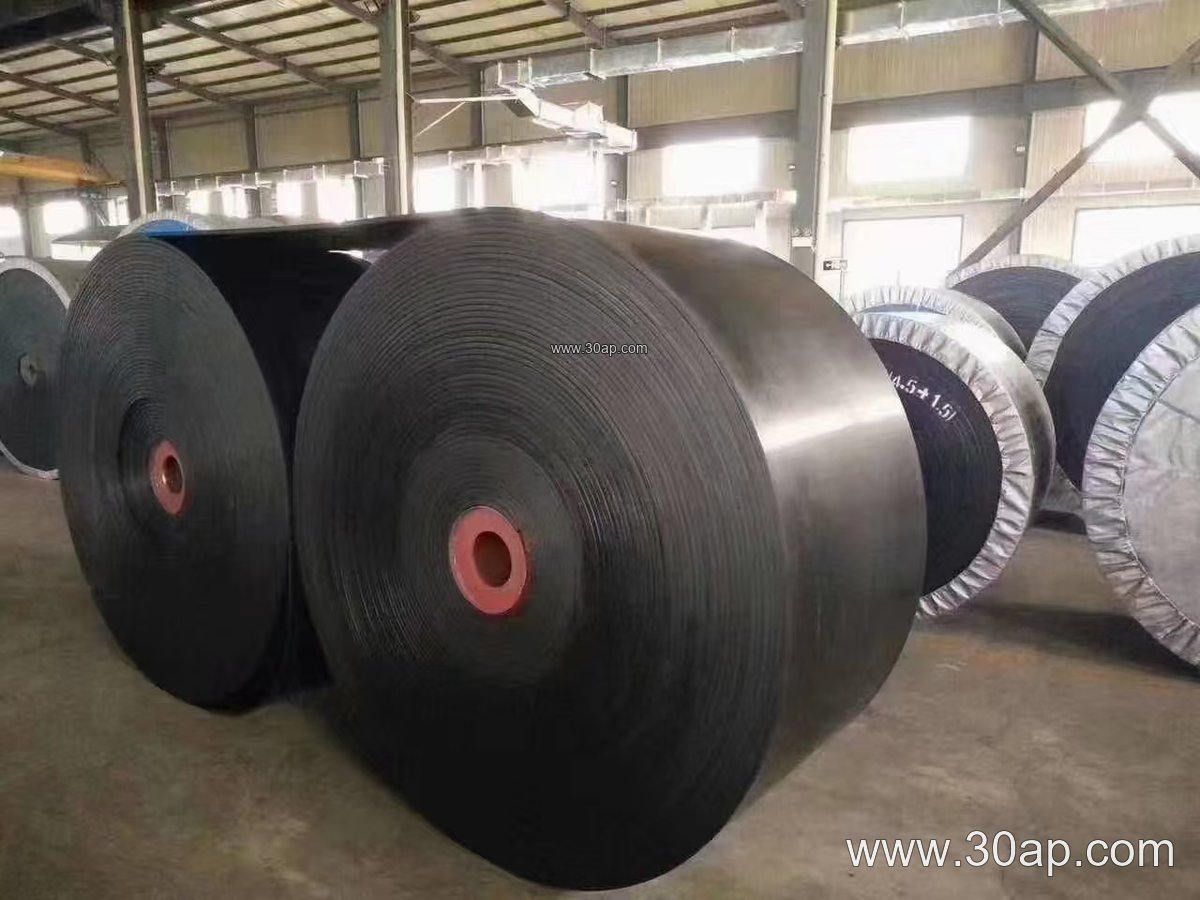
A 2200mm conveyor belt is a wide belt designed for conveyor systems that must move large volumes of bulk material in a single pass. The 2200mm dimension refers to the belt width, which is wider than common 1200mm or 1400mm belts and is typically selected for high-capacity main haulage lines in mining, cement, power generation, and port applications. This width helps reduce material spillage and supports stable tracking when the conveyor is properly engineered.
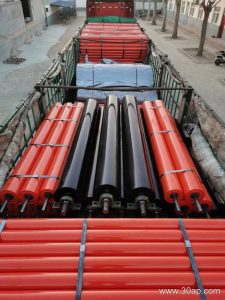
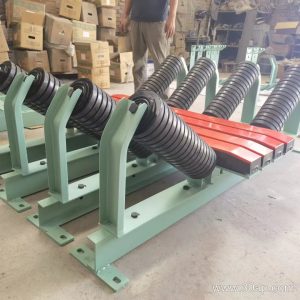
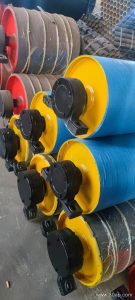
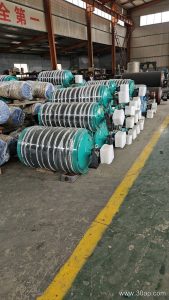
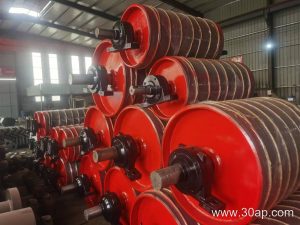
As with other conveyor belt products, a 2200mm belt is not a standalone item. It works with conveyor pulleys, idler rollers, and conveyor brackets that must be sized for the belt width and the load it carries. The belt itself can be supplied in several constructions, and the choice depends on the material being conveyed and the operating environment.
Construction and Common Types
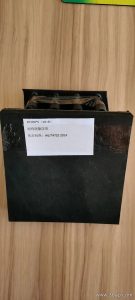
Most 2200mm belts use a fabric core or steel cord reinforcement. Fabric core belts include EP (polyester-nylon) and NN (nylon-nylon) designs, often built with multiple plies. Steel cord belts use a single layer of steel cords for very high tensile strength and long center distances. Surface properties can be added for specific duties.
- EP conveyor belt – good fatigue resistance and low elongation, common in bulk material handling.
- NN conveyor belt – nylon fabric core with high strength and flexibility.
- Steel cord conveyor belt – used for high tension and long conveyors.
- Heat resistant conveyor belt – for cement clinker, sinter, and other hot materials.
- Flame retardant conveyor belt – often required in coal mining and underground applications.
- Abrasion resistant conveyor belt – for sharp, abrasive rock and ore.
Cover rubber grades and thicknesses are selected according to the material. Common cover combinations include 4+2 mm, 5+2 mm, 6+2 mm, and 8+3 mm, with fabric cores typically ranging from 2 to 6 plies. These values are reference examples, not fixed requirements for every 2200mm belt.
Typical Applications
Because of its wide profile, a 2200mm belt is often found in high-tonnage operations. In mining conveyor belt systems, it may carry run-of-mine ore from primary crushing to stockpiles. In cement plants, it can handle limestone, clinker, and additives. Power plants use wide belts for coal handling, while ports and ship loading facilities rely on them for fast bulk transfer. Quarries and aggregate plants also use wide belts where large throughput is needed.
For underground coal mining, flame retardant and anti-static properties are important. In surface applications, heat resistance or oil resistance may be the deciding factor. The belt must also be compatible with the conveyor structure, including the drive pulley, tail pulley, and bend pulleys, which are selected by the system designer based on belt tension and geometry.
Specifications to Consider
When specifying a 2200mm conveyor belt, buyers should confirm the tensile strength, number of plies or steel cord class, cover thickness, and rubber quality. The table below shows common reference ranges; actual values are set by the conveyor design.
| Parameter | Common reference examples |
|---|---|
| Belt width | 2200 mm |
| Fabric core types | EP200, EP315, EP400, EP500, EP630, EP800 |
| Steel cord classes | ST1000, ST1250, ST1600, ST2000 |
| Cover thickness | 4+2 mm, 5+2 mm, 6+2 mm, 8+3 mm |
| Ply count (fabric) | 2 to 6 plies |
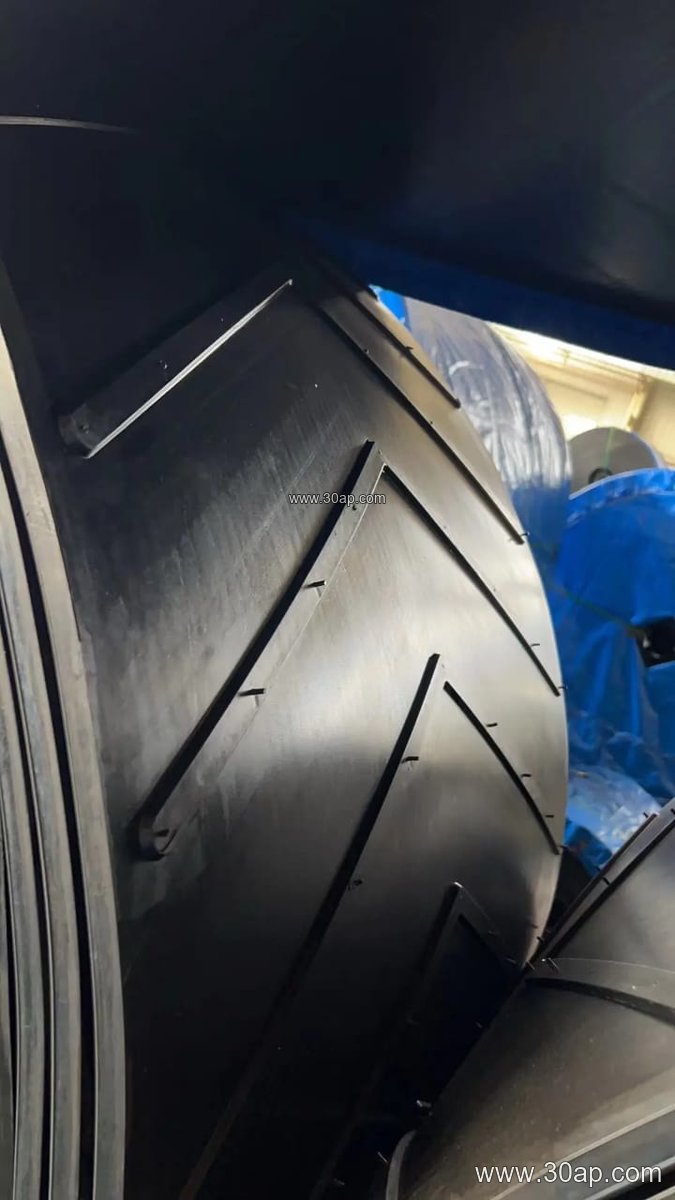
| Surface options | Plain, chevron, corrugated sidewall, skirted |
Other belt types such as PVC or PVG are available for lighter duties or specific fire safety needs, but they are not direct replacements for a heavy-duty 2200mm fabric or steel cord belt. The designer should match the belt class to the calculated tension and the pulley diameters, not simply to the belt width.
Buyer Checklist
- Confirm the material characteristics: lump size, abrasiveness, temperature, oil content, and moisture.
- Check the conveyor’s calculated belt tension and select an appropriate EP or steel cord grade.
- Verify that pulleys, idlers, and brackets are rated for the 2200mm width and the belt weight.
- Consider environmental rules for flame resistance and anti-static properties in underground or coal applications.
- Review splice type and whether an endless belt is needed for reduced downtime.
A 2200mm belt is a significant investment, so the selection should be based on the conveyor design and the actual duty. With the right construction, it can provide reliable service in demanding bulk handling environments.