What a Coal Mining Conveyor Belt Does Underground and on the Surface
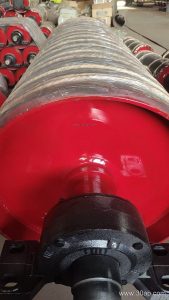
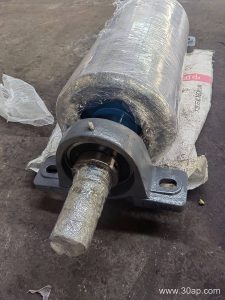
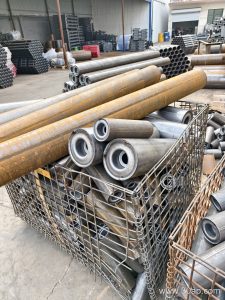
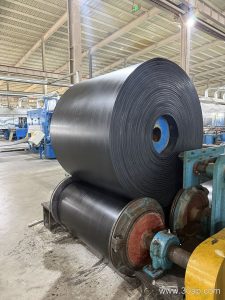
A coal mining conveyor belt is the continuous load-bearing surface that moves raw coal from the face, through transfer points, and on to stockpiles or preparation plants. In mines and coal handling systems, this belt works alongside conveyor pulley assemblies, idler rollers, and sturdy conveyor brackets to form a reliable haulage line. The same belt technology appears in cement plants, power stations, and sand and gravel yards where abrasive bulk material must be moved efficiently.
Because coal is heavy, often wet, and sometimes mixed with rock, the belt must resist impact, cutting, and wear while maintaining steady tracking. The choice of construction and cover compound directly affects uptime and the cost per ton hauled.
Construction and Common Belt Types
Most coal mining conveyor belts use a fabric skeleton or steel cord reinforcement. Fabric belts are built with multiple plies, typically 2 to 6 layers, and are available in EP (polyester-cotton) or NN nylon constructions. Steel cord belts are chosen for very long center distances and high tension. For underground coal where fire safety matters, PVC or PVG belts are often specified because they can be formulated as flame-retardant and antistatic.
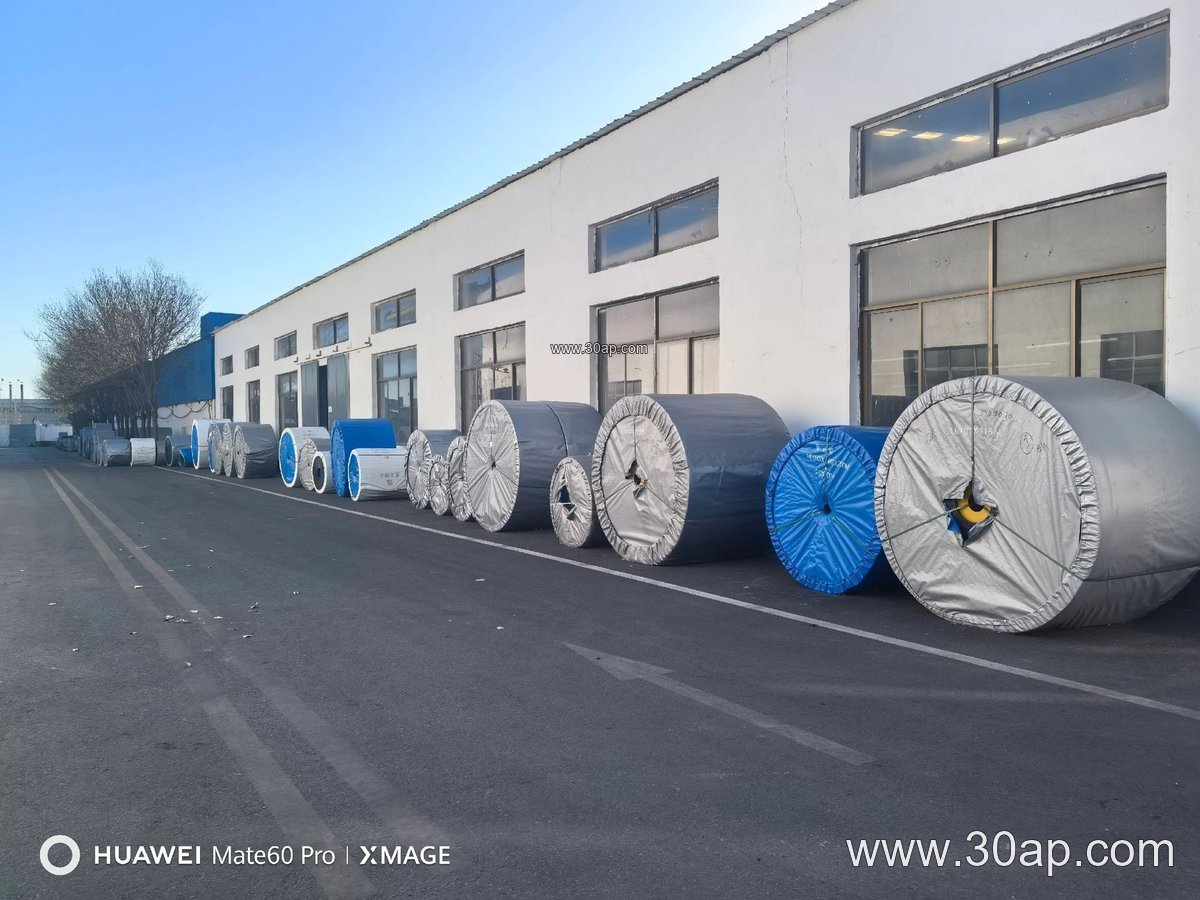
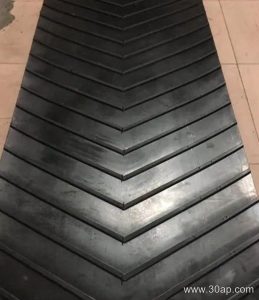
Cover rubber protects the carcass. Common cover thickness combinations include 3+1.5 mm, 4+2 mm, 5+2 mm, 6+2 mm, and 8+3 mm. A heavier top cover helps in high-impact loading zones, while a thinner bottom cover can reduce weight where abrasion is moderate. Special grades are available for heat resistance, oil resistance, cold climates, and acidic or alkaline conditions. Patterned surfaces such as herringbone or chevron belts improve grip on inclines, and corrugated sidewall belts contain material on steep lifts.
Typical Reference Data for Coal Mining Conveyor Belts
| Feature | Common Options |
|---|---|
| Belt type | EP, NN nylon, steel cord, PVC, PVG |
| Strength grade | EP200, EP315, EP400, EP500, EP630, EP800, EP1000, EP1250, EP1600, EP2000 |
| Belt width | B500, B650, B800, B1000, B1200, B1400, B1600, B1800, B2000 |
| Cover thickness | 3+1.5, 4+2, 5+2, 6+2, 8+3 mm |
| Ply count | Usually 2 to 6 layers for fabric belts |
These values are reference data; final specifications are determined by the conveyor design, material lump size, and operating conditions.
Where It Fits in the Coal Handling Line
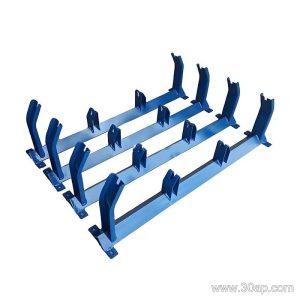
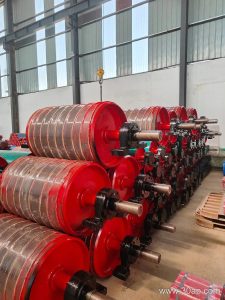
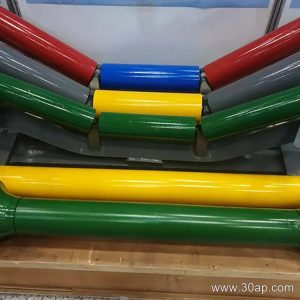
In a coal mine, the belt runs over troughing idler rollers that shape it into a curve for load containment. At the head, the drive pulley pulls the belt; at the tail, the tail pulley redirects it; bend pulleys manage tension and direction changes. Conveyor brackets hold the idlers and pulleys in alignment, and take-up systems keep tension steady. The same arrangement is found in power plant coal yards and cement plant raw material handling.
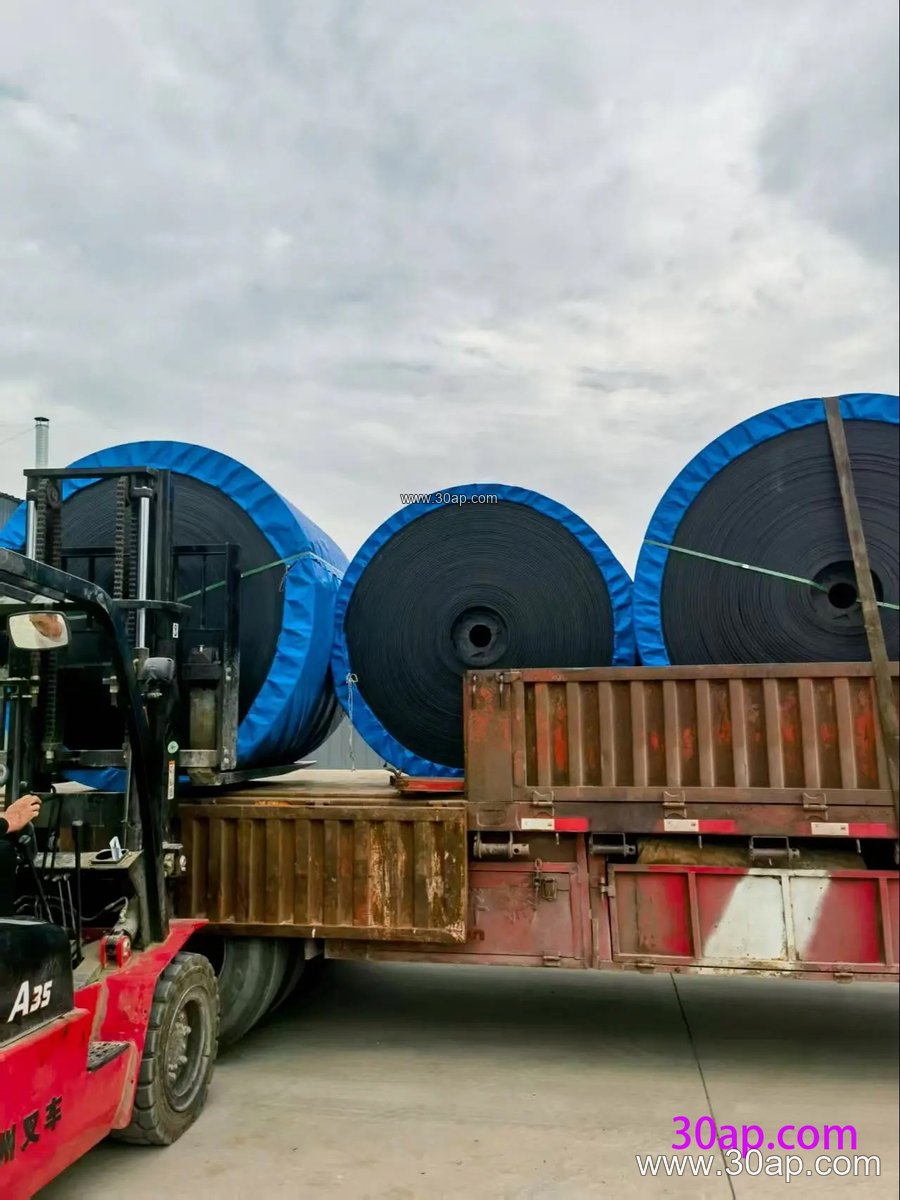
Underground installations often require flame-retardant and antistatic belts to reduce fire risk. Surface conveyors may prioritize abrasion resistance and weather resistance. In all cases, the belt must match the pulley diameters and idler spacing selected by the conveyor designer to avoid excessive flexing or tracking problems.
Selection and Maintenance Notes for Buyers
Buyers should confirm the required strength grade, belt width, cover thickness, and fire safety requirements before ordering. The belt width should be matched to the conveyor frame and material lump size, but there is no fixed rule that one belt width corresponds to one pulley diameter; those values are determined together during conveyor design. Shaft diameters and pulley sizes are calculated from the actual load and tension, not from belt width alone.
- Check that the cover grade suits coal, rock, or other abrasive material.
- Verify that the belt is compatible with the selected idler roller and pulley dimensions.
- Plan regular inspection of splices, edge wear, and cover condition.
- Keep the belt tracking correctly to prevent spillage and premature wear.
When replacing a belt, record the existing belt type, strength, width, and cover thickness so the new conveyor belt matches the conveyor’s design. A well-matched belt, supported by quality idlers and pulleys, keeps coal moving reliably from mine to plant.