What a Fixed Conveyor Bracket Does on a Belt Conveyor
A fixed conveyor bracket is the stationary support that holds idler rollers in the correct position under or beside the conveyor belt. Unlike an adjustable bracket, which lets maintenance crews change the trough angle or alignment, a fixed unit is welded or bolted to a single geometry so the belt profile stays consistent along the whole run. In a coal preparation plant or a limestone crushing line, that repeatability matters: every idler station should present the same trough to the belt, so the belt sits evenly and the load is shared.
The bracket itself carries little glamour, but it transfers the weight of the belt, the material and the idler roller into the conveyor frame. A loose or poorly made bracket shows up quickly as a wandering belt, a rubbing roller or a cracked weld.
How the Bracket Is Built
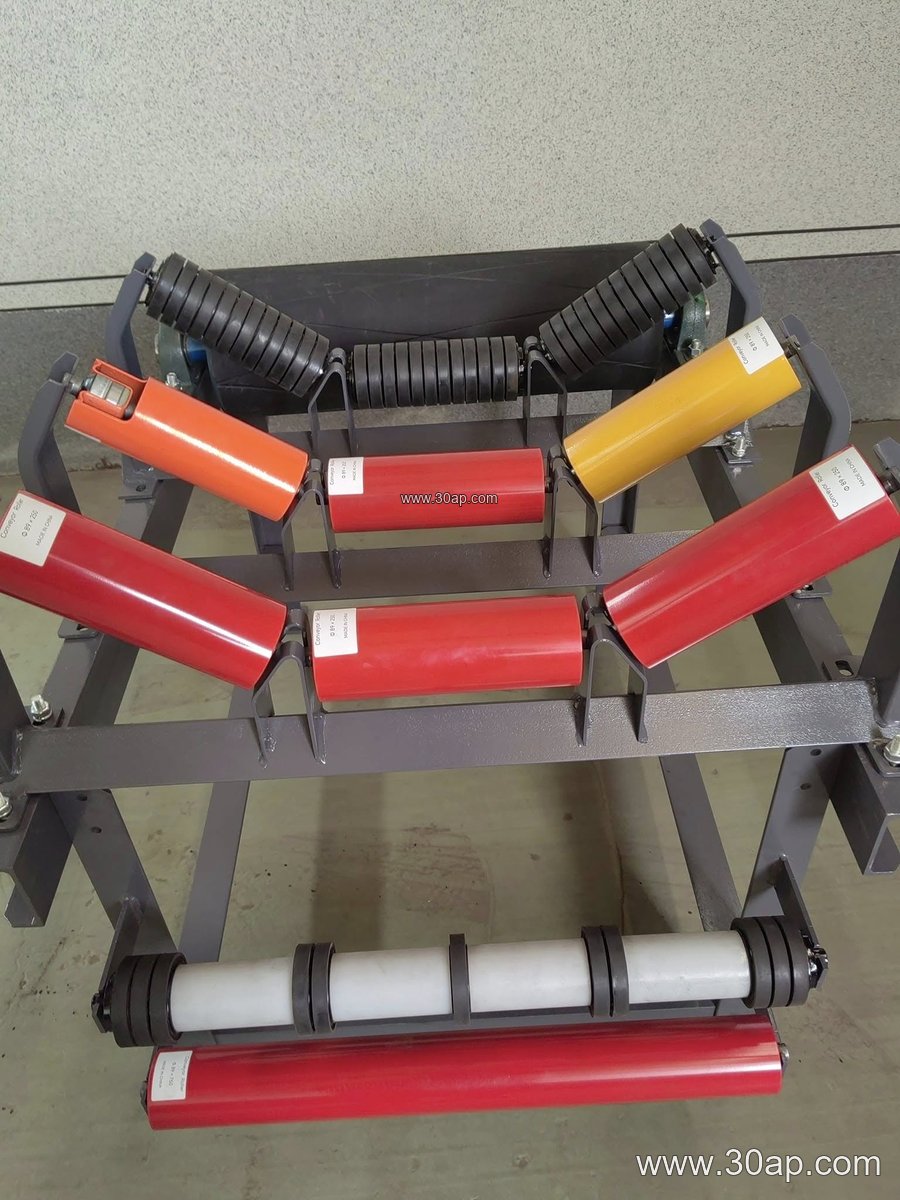
Most fixed conveyor brackets are fabricated from angle steel, channel steel or folded steel plate. The common construction is a cross beam with two or three mounting pads, each drilled to take the shaft of an idler roller. On a three-roller trough set, the two side pads are set at the chosen trough angle and the centre pad sits flat or slightly raised.
Fabrication details that buyers should check include:
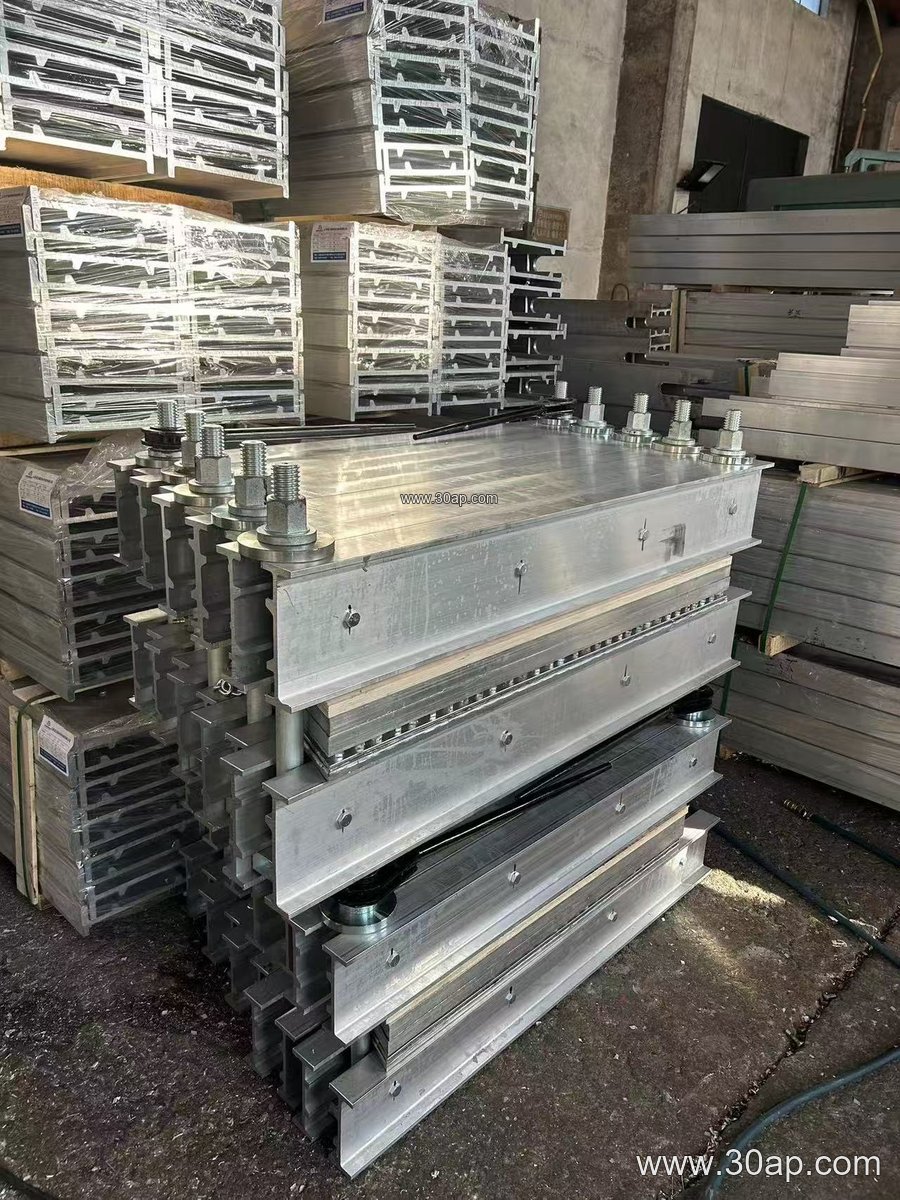
- Weld quality at the pad-to-beam joint, since this is where vibration fatigue appears first.
- Hole spacing and beam length, which must match the belt width and trough angle rather than being treated as universal.
- Surface treatment such as painting or galvanising, especially for dusty or humid locations.
- Squareness of the frame, because a twisted bracket tilts the idler and trains the belt to one side.
Common Configurations and Reference Sizes
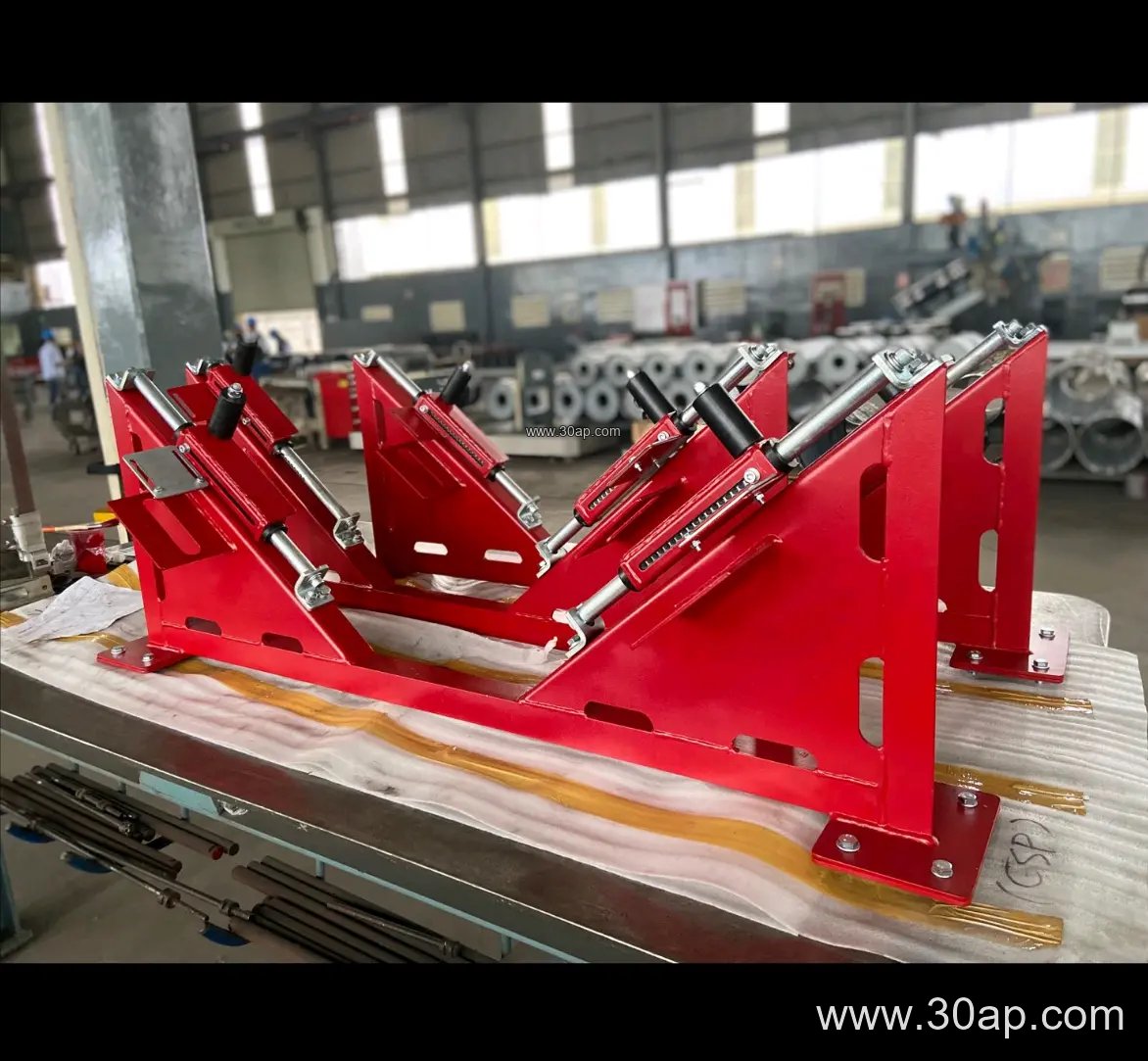
Fixed brackets appear as trough brackets, return brackets, impact brackets and self-aligning brackets. The table below lists typical reference data; actual hole pitch and beam length are determined by the conveyor design, not by belt width alone.
| Bracket form | Typical belt width | Common trough angle | Idler roller diameter |
|---|---|---|---|
| Trough bracket, three-roller | B500 to B1000 | 20°, 30°, 35° | Ø89, Ø108, Ø133 |
| Trough bracket, three-roller | B1200 to B1600 | 30°, 35°, 45° | Ø108, Ø133, Ø159 |
| Heavy-duty trough bracket | B1800 to B2200 | 35°, 45° | Ø133, Ø159, Ø194 |
| Return bracket, flat | B500 to B1400 | — | Ø89, Ø108, Ø133 |
| V-return bracket | B800 to B1800 | V form | Ø108, Ø133, Ø159 |
These figures are reference values, not a supply promise. A B800 conveyor may reasonably run 30° or 35° with Ø108 rollers, and the same belt width can appear with other combinations depending on belt speed, material density and transition distance.
Where Fixed Brackets Are Used
The straightforward answer is: anywhere the belt path should not move. In a sand and gravel plant, fixed trough brackets carry the long straight runs, while adjustable or self-aligning units are kept for curves and loading points. In a power plant coal handling system, fixed return brackets support the empty belt on its way back to the tail pulley. Cement plants use them under clinker and raw meal belts where dust and heat demand sturdy welds and good paint coverage.
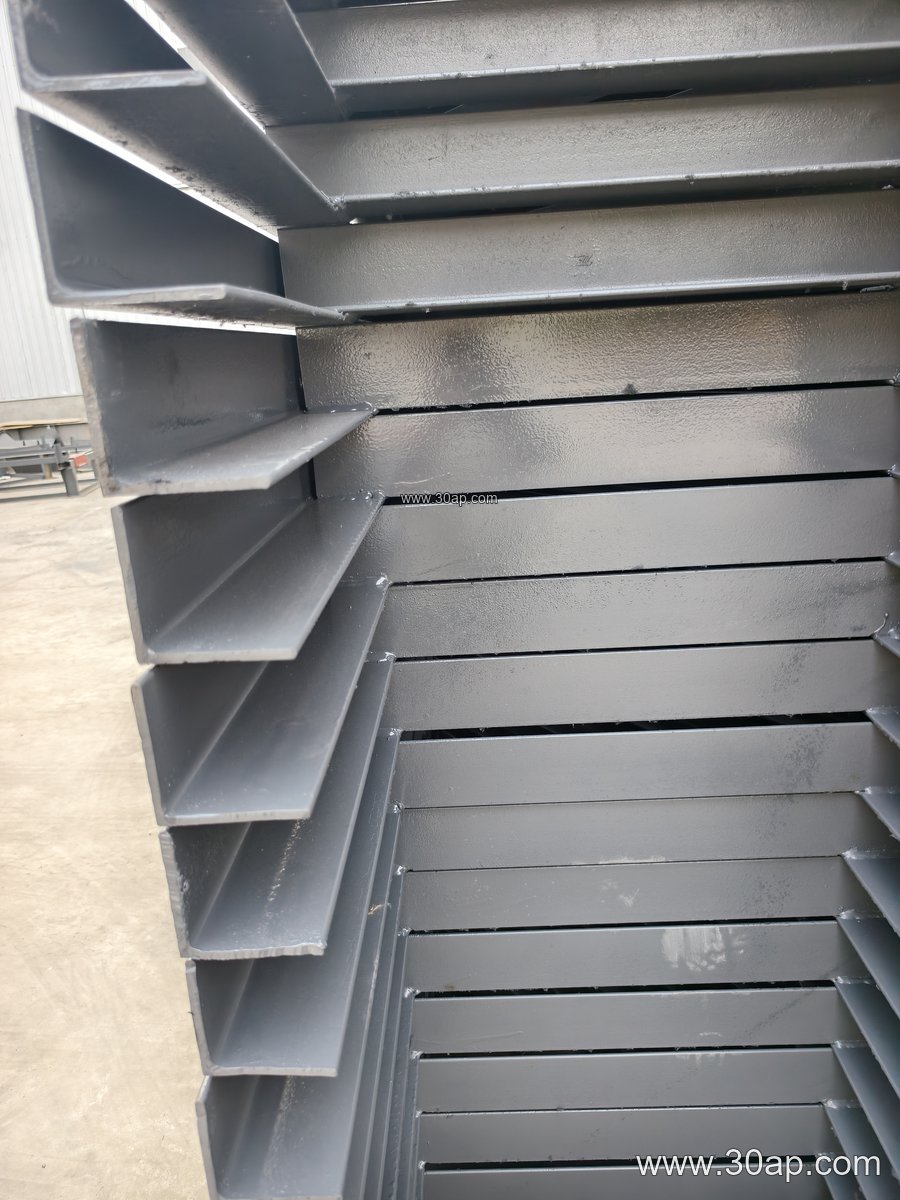
They also suit tunnels and silo discharge conveyors, where space is tight and there is no reason to keep a maintenance adjustment in the design.
Fixed Versus Adjustable Brackets
An adjustable bracket allows the trough angle to be changed, which helps during commissioning or when material characteristics shift. A fixed bracket trades that flexibility for rigidity and lower cost. The two are not interchangeable in every position, and neither replaces a drive pulley, a tail pulley or a bend pulley, which are separate components of the conveyor.
When comparing, ask whether the belt profile will ever need to change. If not, the fixed version usually gives a more stable, lower-maintenance idler station.
Buyer Checklist
- Confirm belt width, trough angle and idler roller diameter together, not one at a time.
- State the mounting hole spacing required by your conveyor frame.
- Choose material thickness for the duty, not for the lowest price.
- Specify finish if the site is wet, salty or highly dusty.
- Check that the bracket will accept the shaft end of the idler roller you plan to use.
A well-matched fixed conveyor bracket keeps the conveyor belt tracking cleanly from the load zone to the discharge, and it lets the idler rollers do their quiet, rolling work without drama.