What an Idler Shaft Does
An idler shaft is the axle that runs through a conveyor idler roller and lets the shell rotate while the assembly stays fixed to the conveyor bracket. In a quarry, a coal washing plant, a cement kiln line, or a power station coal yard, dozens of these shafts sit under the conveyor belt, often unnoticed until a bearing starts to squeal. The shaft itself does not touch the belt; it carries the load transferred from the roller shell through the bearings and keeps the roller spinning freely.
How the Shaft Is Built
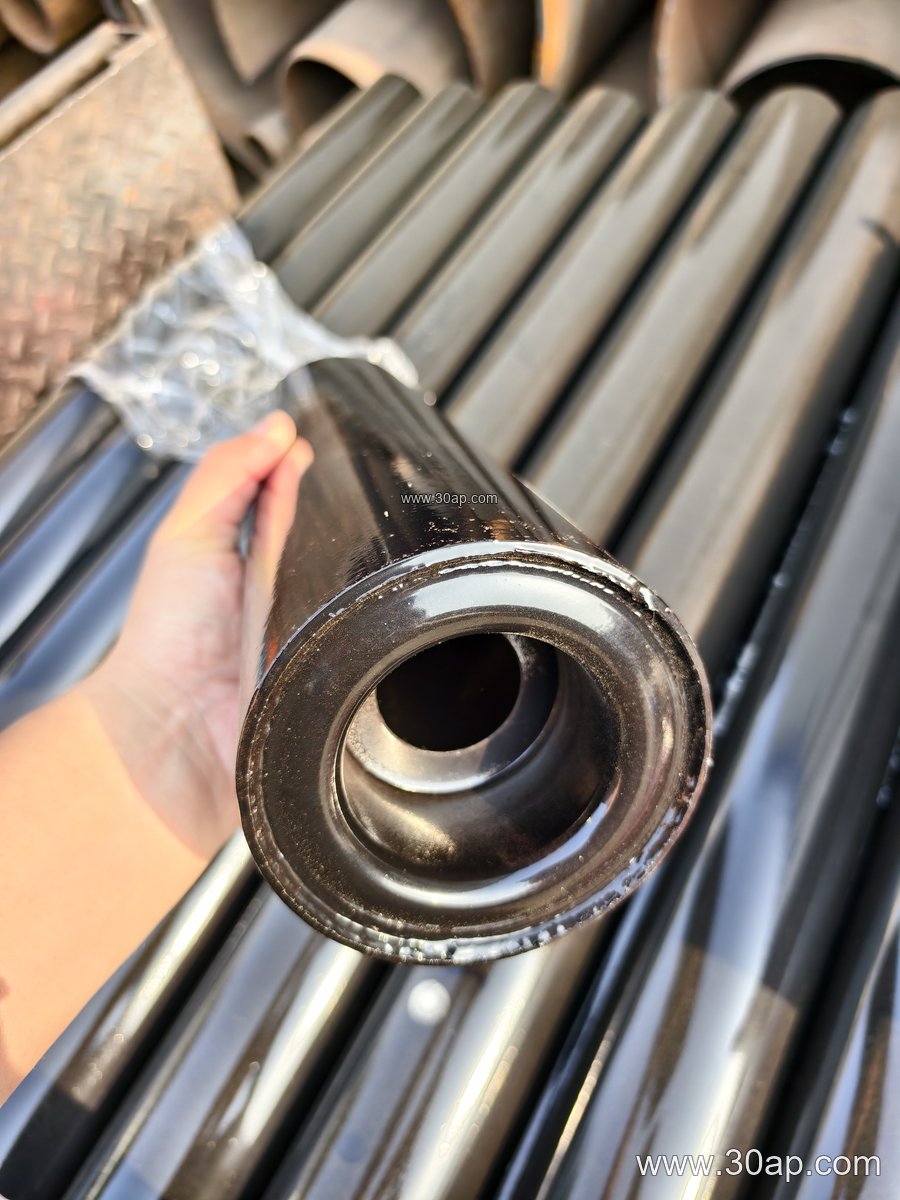
Most idler shafts are turned from round carbon steel bar, with the ends machined to fit the bracket slots or flats that prevent rotation. A typical shaft has bearing seats at each end, a central body that supports the roller shell, and a locking feature such as a milled flat, a groove, or a drilled hole for a pin. On sealed idler rollers, the shaft also carries the labyrinth or lip seal arrangement that keeps dust and water away from the bearing. Surface finish on the bearing seats matters, because a rough seat can wear the bearing inner ring and shorten roller life.
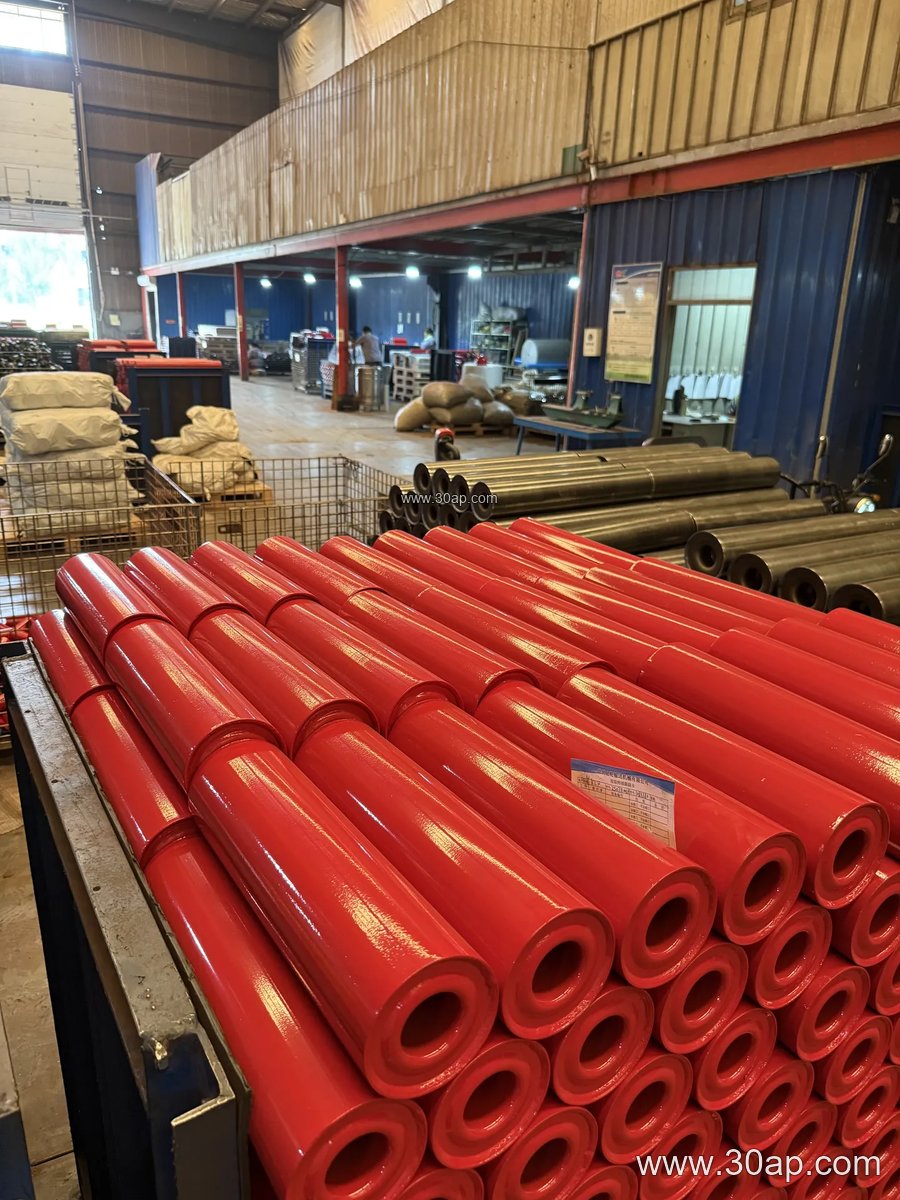
The shaft is not a standalone part. It is matched to the roller diameter, the bearing bore, and the bracket design. A shaft made for a Ø108 mm roller with a 6205 bearing will not fit a Ø159 mm roller with a 6308 bearing, even if both look similar from a distance.
Where Idler Shafts Are Used
You will find them in nearly every belt conveyor that moves bulk material. In a limestone mine, carrying idlers on the loaded side use troughing sets, and each roller in the set has its own shaft. Return idlers under the belt use flat or V-shaped rollers, again with shafts sized to the load. In a sand and gravel plant, transition idlers near the head and tail pulleys guide the belt from flat to troughed profile, and their shafts must handle changing belt tension. In a coal handling system, impact idlers under the loading point use rubber-ring rollers with heavier shafts to absorb drop energy. The idler shaft is also common on spiral rollers that clean the belt in fertilizer and grain handling, and on self-aligning idlers that correct belt drift in long overland conveyors.
Matching Shaft to Roller and Belt
Buyers often ask for a shaft by roller diameter and belt width, but the correct approach is to confirm the full roller assembly. The table below shows common reference values; actual shaft dimensions should follow the roller drawing and the conveyor design.
- Roller diameter: Ø63, Ø76, Ø89, Ø102, Ø108, Ø127, Ø133, Ø159, Ø178, Ø194, Ø219 mm
- Belt width: B400 to B2400
- Common bearings: 6204, 6205, 6305, 6306, 6308, 6310
- Troughing angle: 20, 30, 35, 45 degrees
Roller length varies with belt width and troughing set form. For a three-roll troughing set, a B800 belt commonly uses a roller length around 315 mm, while a B1200 belt may use about 465 mm. These are examples, not fixed rules, and side rollers can differ from the center roller.
What to Check Before Ordering
Ask for the roller drawing, not just the shaft length. Confirm the bearing number, the shaft end shape, and whether the shaft is fixed to the bracket or rotates with the roller. Check the seal type, because a shaft designed for a sealed roller has different machining near the bearing seat than an open roller shaft. For dusty sites such as a cement plant or a copper mine, a shaft with a good seal seat and a smooth bearing journal will last longer than a rough replacement. Finally, keep spare shafts matched to the roller type, since a shaft from a return roller should not be forced into a troughing roller of a different size.