What a Conveyor Bracket Is and Where It Sits
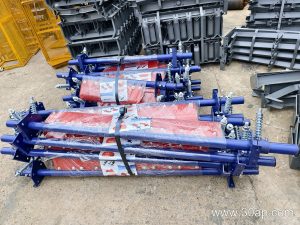
A conveyor bracket is the steel support that holds the idlers in place along a belt conveyor. It is bolted to the conveyor frame and carries the load of the conveyor belt, the material on it, and the idlers themselves. In a quarry, a sand and gravel line, or a cement plant, you will find these brackets spaced at regular intervals under the carrying side and the return side of the belt. The bracket is a modest part by weight, but it decides how well the idlers line up, how evenly the belt runs, and how quickly a maintenance team can replace a worn roller.
When buyers ask about conveyor bracket price, they are usually comparing a few bracket families rather than a single item. The price moves with steel grade, plate thickness, forming method, hole pattern, and the surface treatment chosen for the site. A wash plant with wet, abrasive material will often need a different finish from a dry limestone crushing circuit, and that difference shows up in the quote.
How the Bracket Is Built
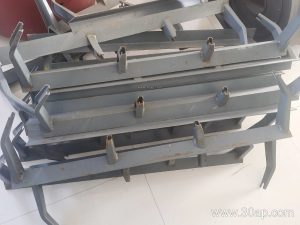
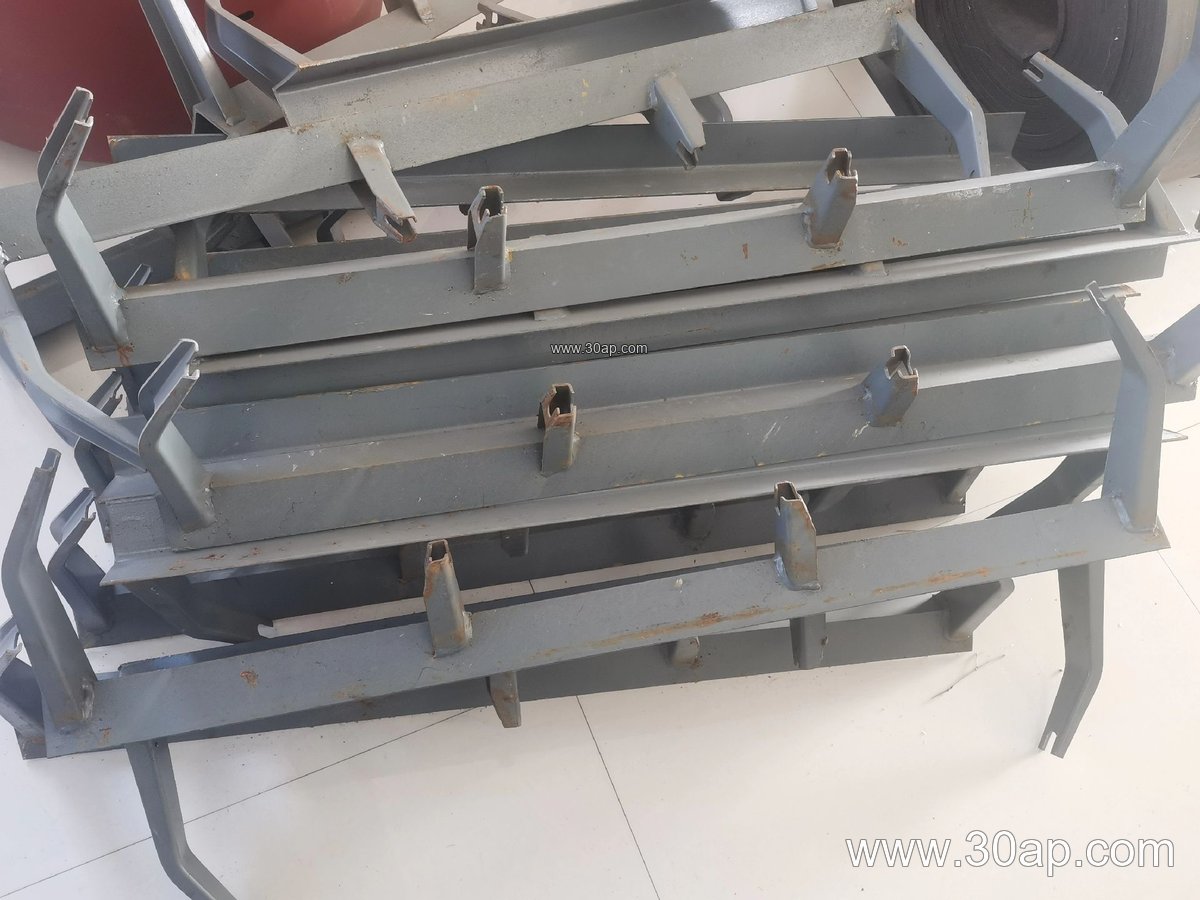
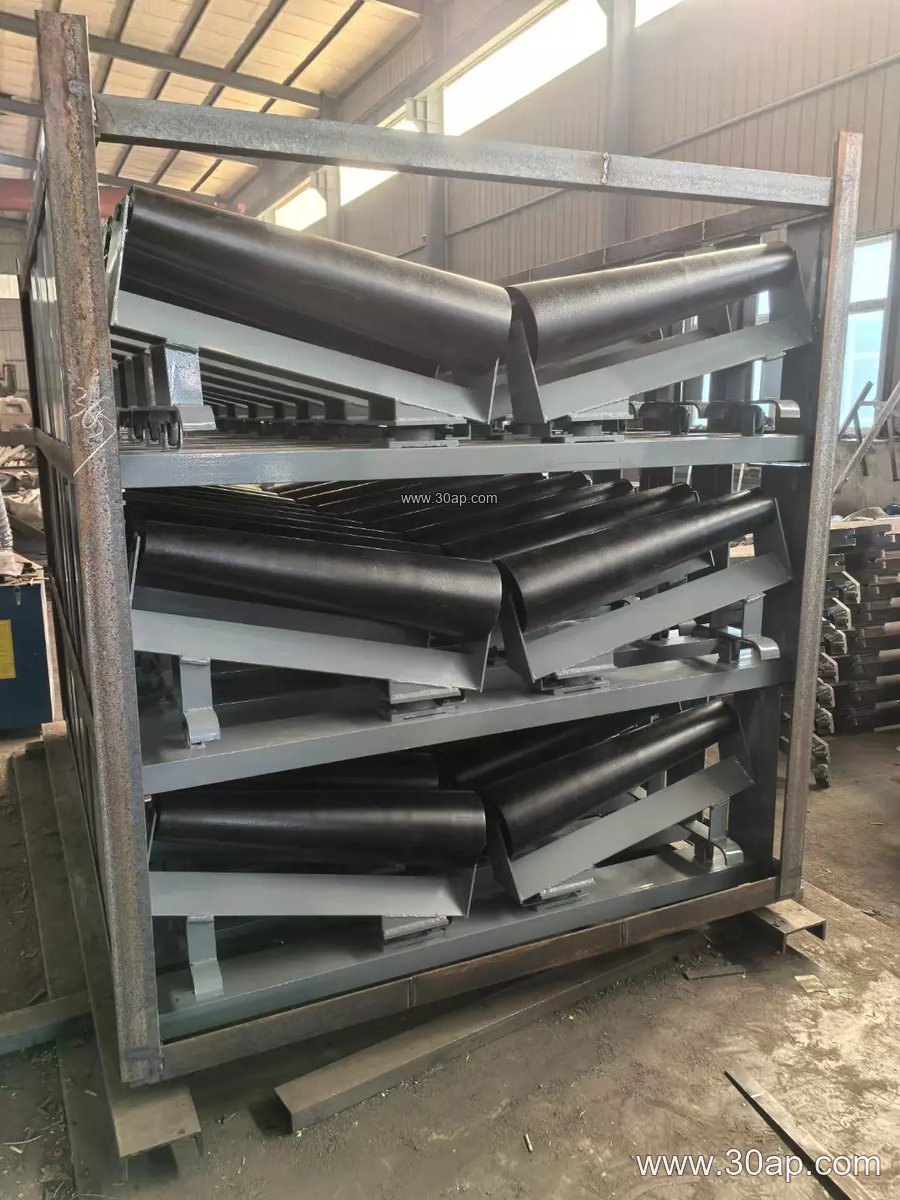
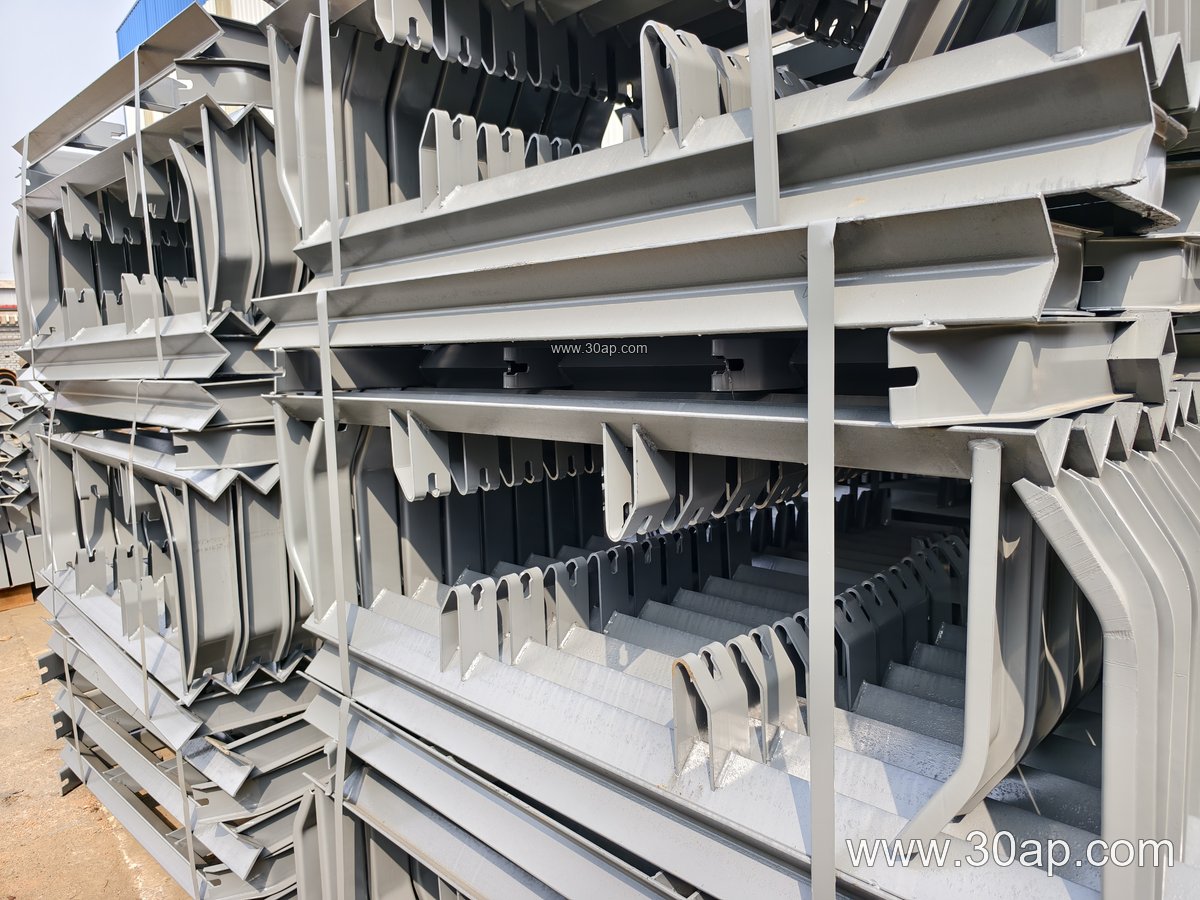
Most brackets are fabricated from angle steel, channel steel, or folded steel plate. The frame is cut, punched, and welded, then drilled to match the mounting holes of the idler. Common forms include trough brackets for the carrying side, transition brackets near the head and tail, flat return brackets, V-return brackets, and self-aligning brackets for belts that tend to wander. Adjustable versions let the trough angle be set on site, which is useful when a plant handles more than one material.
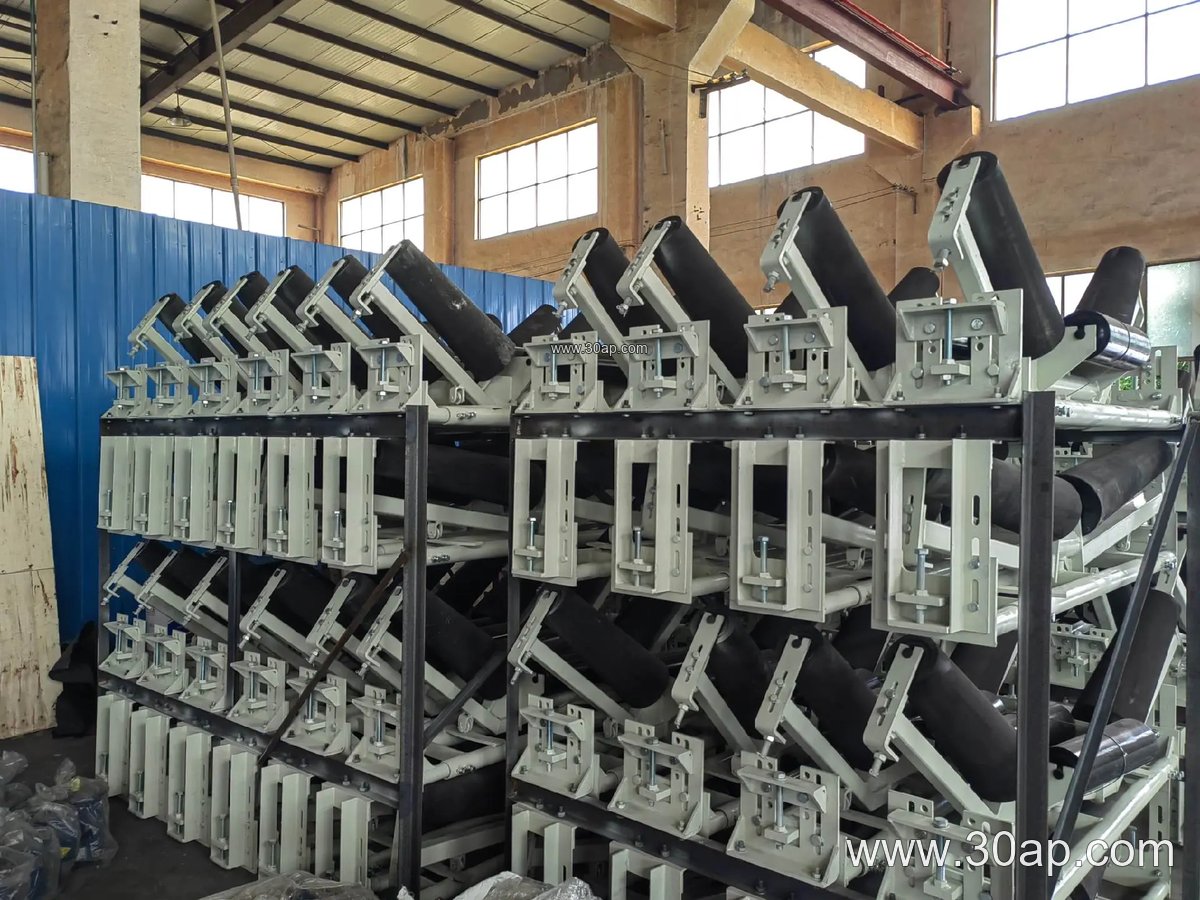
The structural quality shows in the details: consistent hole spacing, square welds, and a coating that survives dust and moisture. A bracket that is slightly out of square will pull the idlers out of line, and the belt will wear on one edge. That is why a low unit price is not always the cheapest option over a service life.
Common Reference Sizes
The table below lists reference values often seen in catalogues and drawings. They are not fixed pairings, and the final hole spacing and beam length are set by the conveyor design, the belt width, and the chosen trough angle.
| Item | Common reference values |
|---|---|
| Bracket types | Trough, upper trough, transition, return, V-return, impact, self-aligning, forward-leaning, spiral, suspended, adjustable |
| Belt width | B500, B650, B800, B1000, B1200, B1400, B1600, B1800, B2000, B2200 |
| Trough angle | 20, 30, 35, 45 degrees; adjustable brackets can be set between these values |
| Idler diameter | Ø89, Ø108, Ø133, Ø159, Ø194 |
| Material | Angle steel, channel steel, folded steel plate |
Typical combinations such as B800 with 35 degrees and Ø108, or B1200 with 45 degrees and Ø133, appear in many designs, but they are examples only. A wider belt does not force one particular idler diameter, and a given belt width can be paired with more than one trough angle depending on the material and the load.
What Drives the Price
- Steel and thickness. Heavier channel or plate raises the cost but suits high-load positions near the feed point.
- Type and adjustment. A fixed trough bracket is simpler and cheaper than an adjustable or self-aligning unit with moving parts.
- Hole pattern and machining. Non-standard mounting holes or matched sets add fabrication time.
- Surface treatment. Painted, galvanized, or otherwise coated brackets differ in price and in how long they last in a dusty or wet plant.
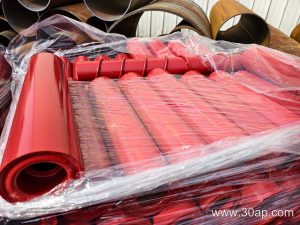
- Order quantity and spares. Buying brackets together with idler roller sets for a full conveyor section usually improves the unit cost.
Choosing the Right Bracket for the Duty
Start from the belt width and the trough angle the conveyor was designed for, then match the bracket to the idler diameter used on that frame. At the loading point in a crusher or screening station, impact brackets and closely spaced idlers protect the belt from falling rock. On the return run, V-return brackets help keep the belt centred. Where the belt is long and lightly loaded, forward-leaning brackets can reduce misalignment. Adjustable brackets are a practical choice for plants that change material or belt tension seasonally.
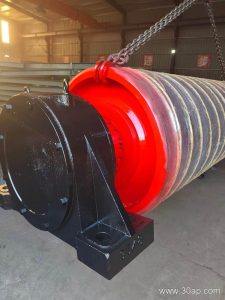
The conveyor pulley at the head and the tail pulley at the back set the belt path, but they do not replace the brackets in between. Drive, tail, and bend pulleys are separate components with their own duties, and the bracket layout must still follow the frame design.
Buying Notes
Ask for a drawing with hole spacing, beam length, and trough angle before confirming an order, and confirm that the bracket matches the idler roller you plan to use. Request the coating specification in writing. Keep a small stock of spare brackets for the loading zone, since that is where damage is most likely. A clear specification up front keeps the conveyor bracket price predictable and avoids rework during installation.