What a Fixed Conveyor Bracket Does
A fixed conveyor bracket is the stationary steel support that holds conveyor idlers in a set position along the load-carrying or return side of a belt conveyor. Unlike adjustable designs, it has no sliding or pivoting slot for changing trough angle on site. Once bolted to the conveyor frame, the geometry of the trough is set by the bracket itself. In a limestone quarry or a cement plant, this predictable positioning keeps the conveyor belt sitting evenly on its idlers and reduces the need for periodic re-alignment of the idler set.
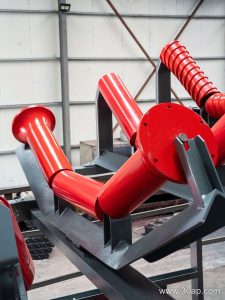
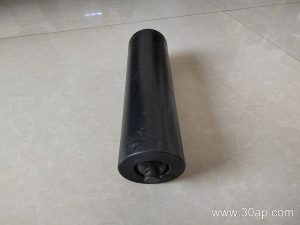
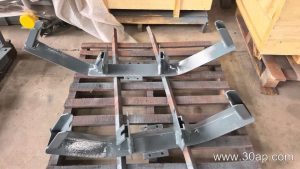
A fixed conveyor bracket is often supplied as a complete idler frame, commonly called an idler support bracket, with mounting tabs, crossbeam and fixing holes finished to accept a specified roller diameter. The bracket and the idler roller work as a unit: the bracket defines the angle, and the roller carries the load.
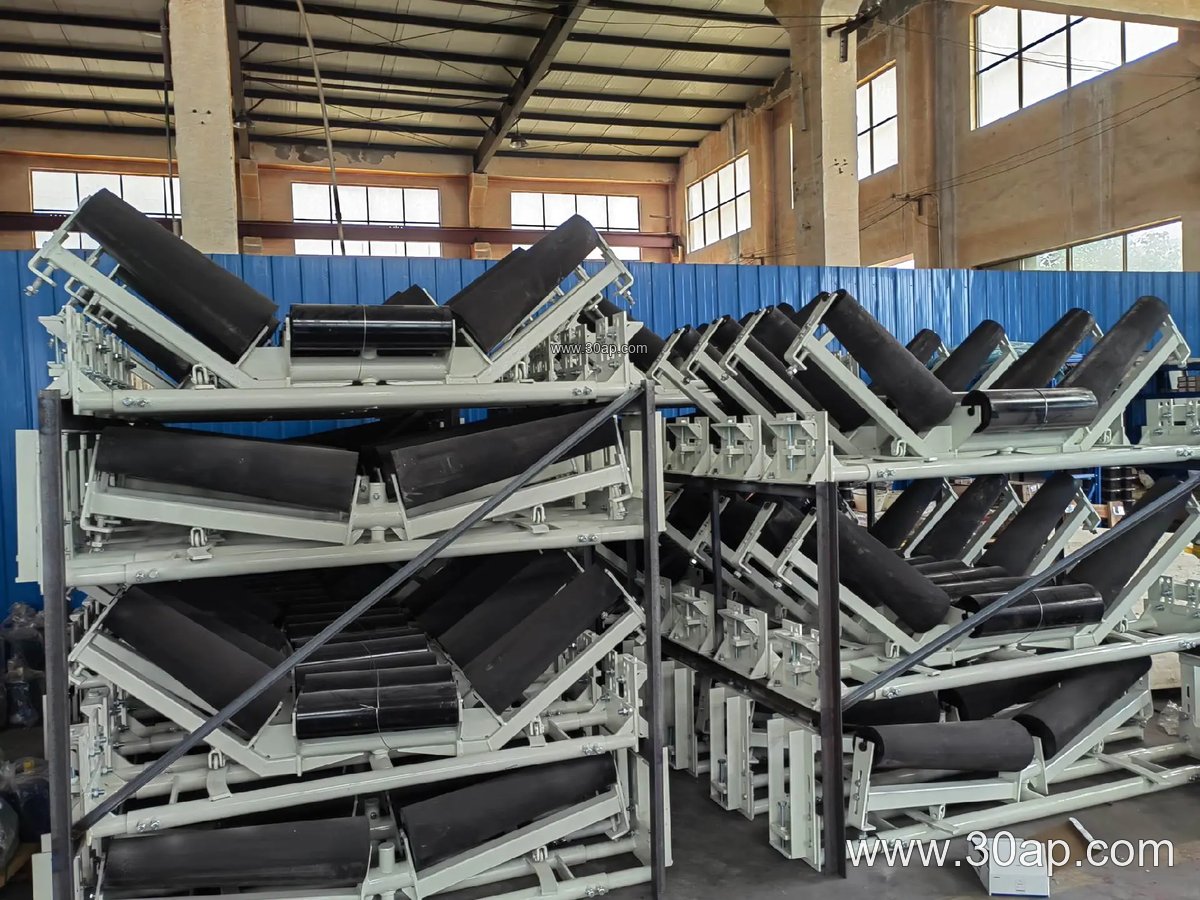
Construction and Typical Forms
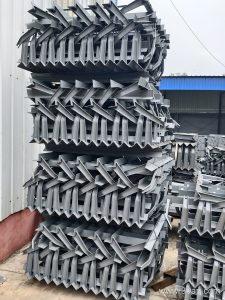
Most brackets are fabricated from angle steel, channel steel or folded steel plate, then drilled and welded to suit the frame spacing. Common forms include the troughing bracket on the carrying side, the transition bracket near the head or tail pulley, the return bracket or V-return bracket underneath, and impact brackets under loading points. A fixed conveyor bracket is the usual choice where the belt path is stable and the material flow is consistent.
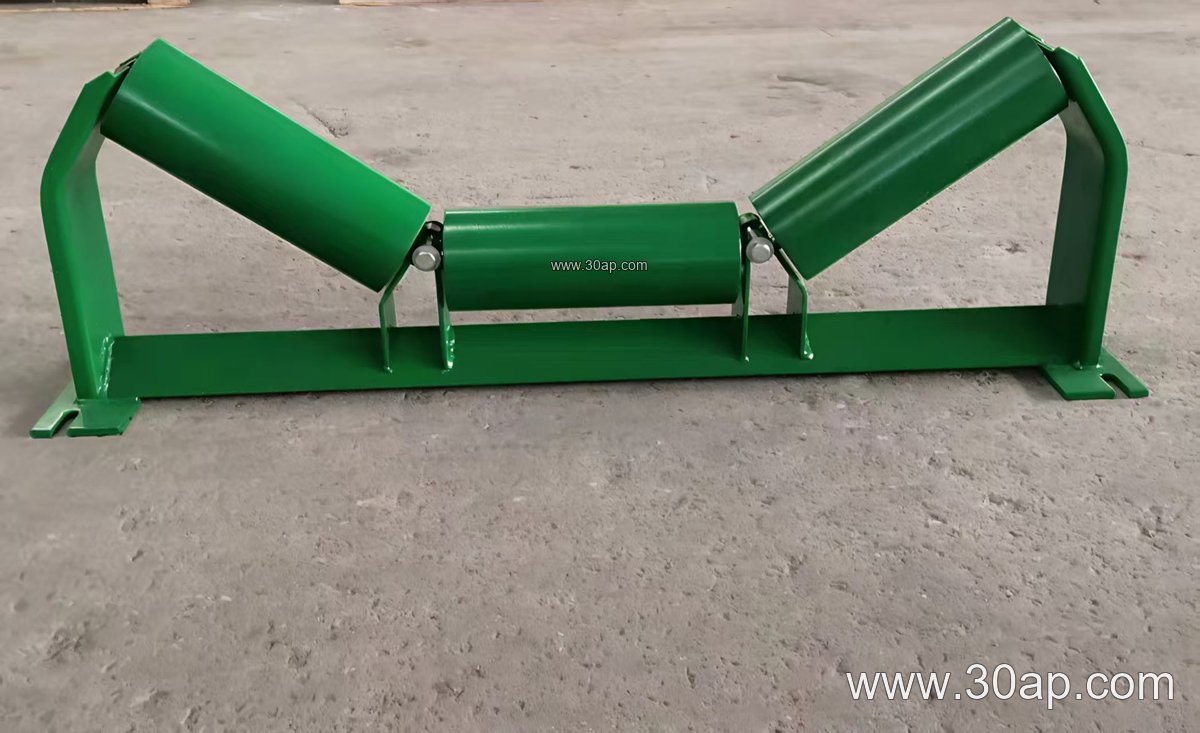
Typical reference values for belt width, trough angle and roller diameter are shown below. These are common ranges, not a fixed matching rule; final dimensions are confirmed by design.
| Parameter | Common Reference Values |
|---|---|
| Belt width | B500, B650, B800, B1000, B1200, B1400, B1600, B1800, B2000, B2200 |
| Trough angle | 20°, 30°, 35°, 45° |
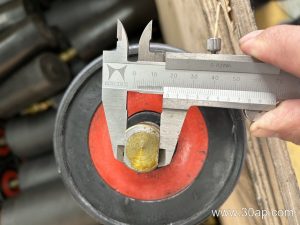
| Roller diameter | Ø89, Ø108, Ø133, Ø159, Ø194 |
| Material | Angle steel, channel steel, folded steel plate |
Hole spacing and crossbeam length change with belt width and trough angle, so they are set per project rather than taken as a universal figure. A B800 bracket at 35° with Ø108 rollers and a B1200 bracket at 45° with Ø133 rollers are both ordinary combinations, and neither belt width is tied to a single trough angle or roller size.
Where It Fits in the Conveyor
On a coal handling line at a power plant, fixed brackets are usually installed at close, even intervals along the carrying run, with impact brackets reserved for the area beneath the loading chute. In a sand and gravel line or a crushing and screening circuit, the same bracket type supports the troughing idlers that shape the conveyor belt into its load profile. Return-side brackets guide the belt on its way back, while transition brackets ease the belt from the flat pulley into the trough.
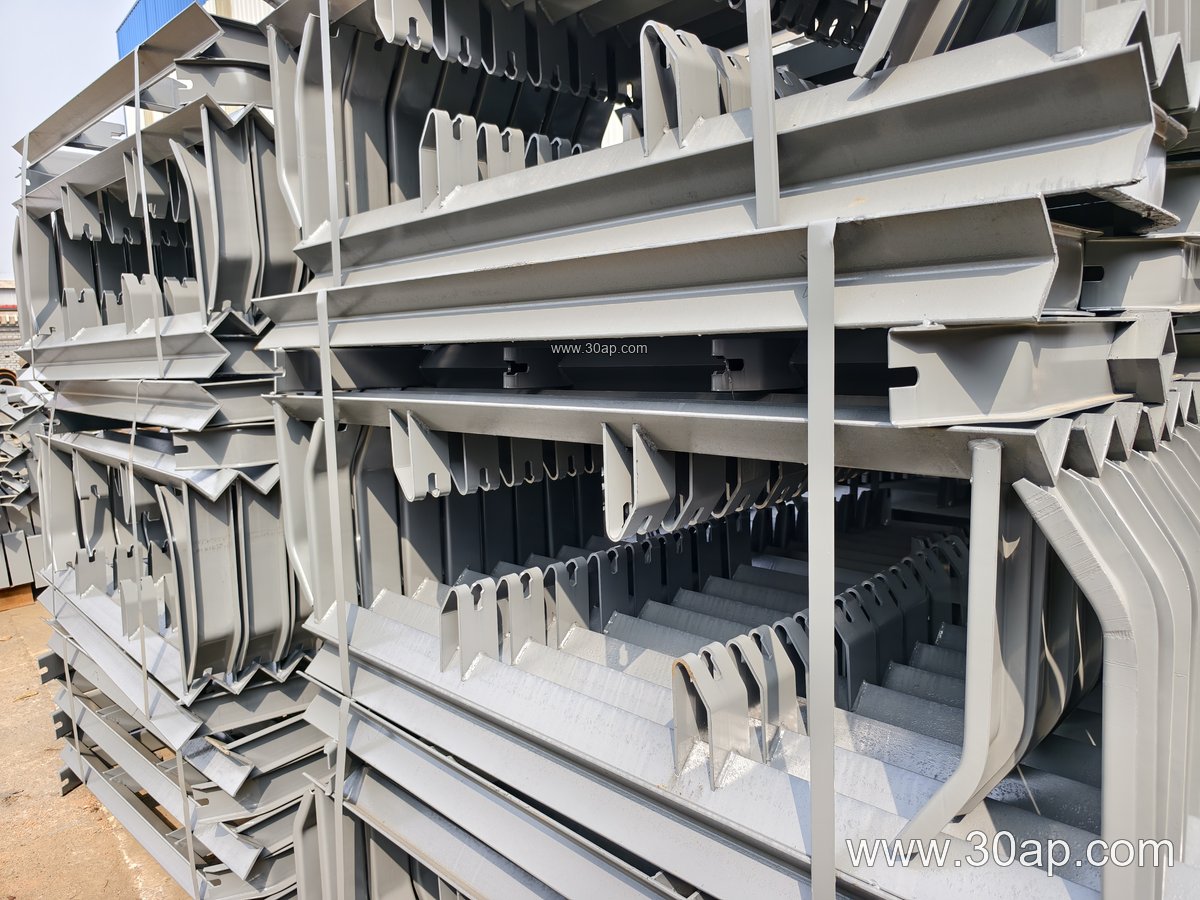
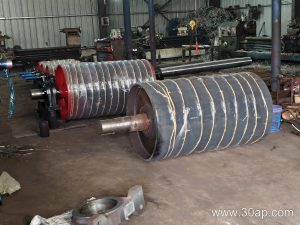
The bracket does not replace the conveyor pulley. Head, tail and bend pulleys each have their own function and their own support arrangement; a fixed bracket belongs to the idler portion of the line, and the two systems are selected separately.
Selection and Installation Notes
- Match the bracket to the chosen idler roller diameter and trough angle before ordering, since a fixed bracket cannot be adjusted later.
- Confirm frame width, hole spacing and mounting height against the actual conveyor structure.
- Check that the bracket material and finish suit the site conditions, especially in dusty or damp service.
- Keep brackets square to the belt centerline during installation so the conveyor belt tracks correctly.
- Inspect for loose bolts, bent crossbeams and worn mounting points during routine maintenance.
For a buyer comparing options, the practical question is whether the conveyor needs a set trough profile or field adjustment. Where the profile is fixed by design, a fixed conveyor bracket is the simpler, more rigid solution; where the angle must change between products or during commissioning, an adjustable bracket is the relevant comparison. Either way, the bracket, idler roller and conveyor belt should be specified together so the whole idler station performs as intended.