What a 1600mm Conveyor Belt Is
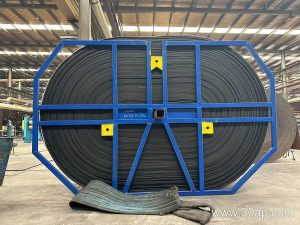
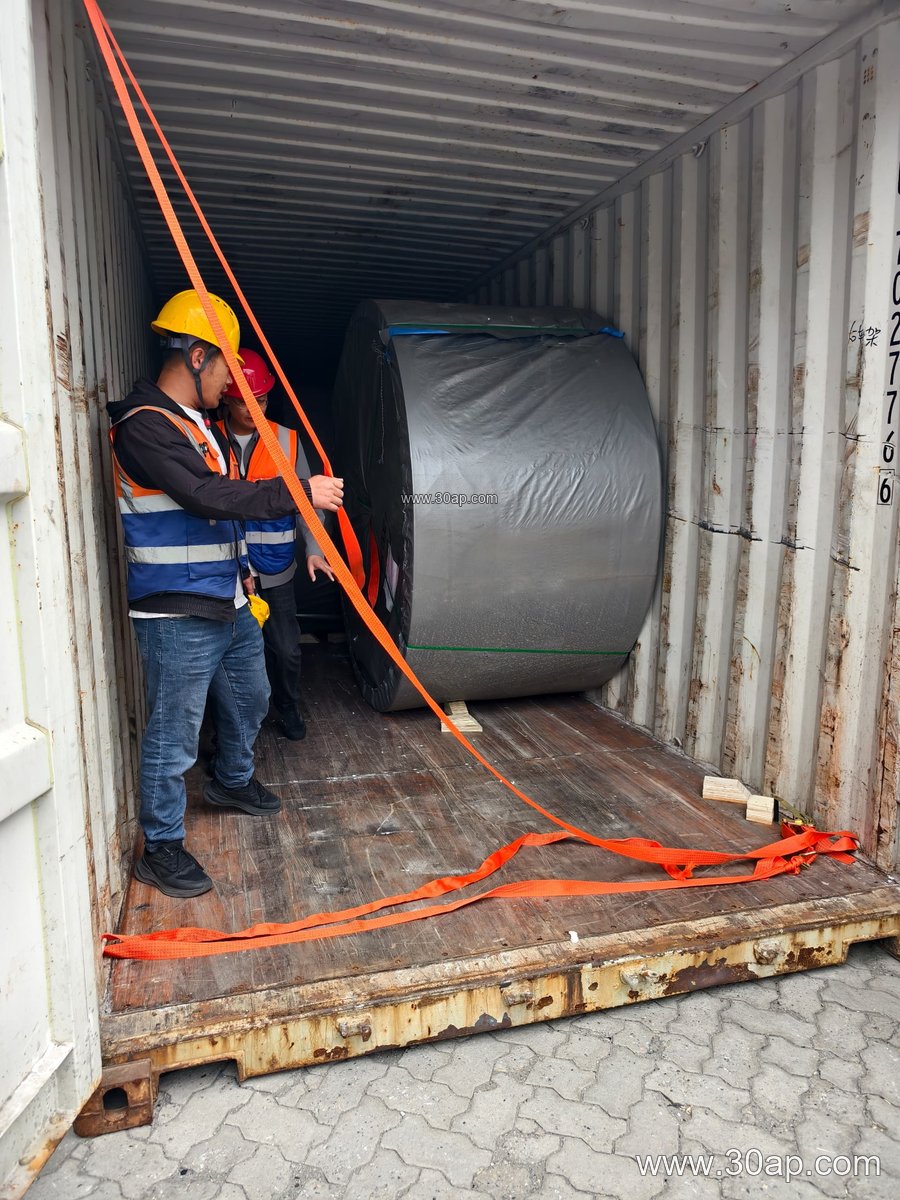
A 1600mm conveyor belt is a wide-format rubber or fabric-reinforced belt designed for high-capacity bulk material transport. Also referred to as a 1.6m wide conveyor belt or B1600 belt, it is commonly used in mining, coal preparation, cement plants, power stations, and aggregate yards where large volumes of ore, clinker, limestone, or gravel must move efficiently. The 1600mm width allows for higher throughput and better material containment than narrower belts, reducing spillage and improving stability on long conveying routes.
Construction and Key Components
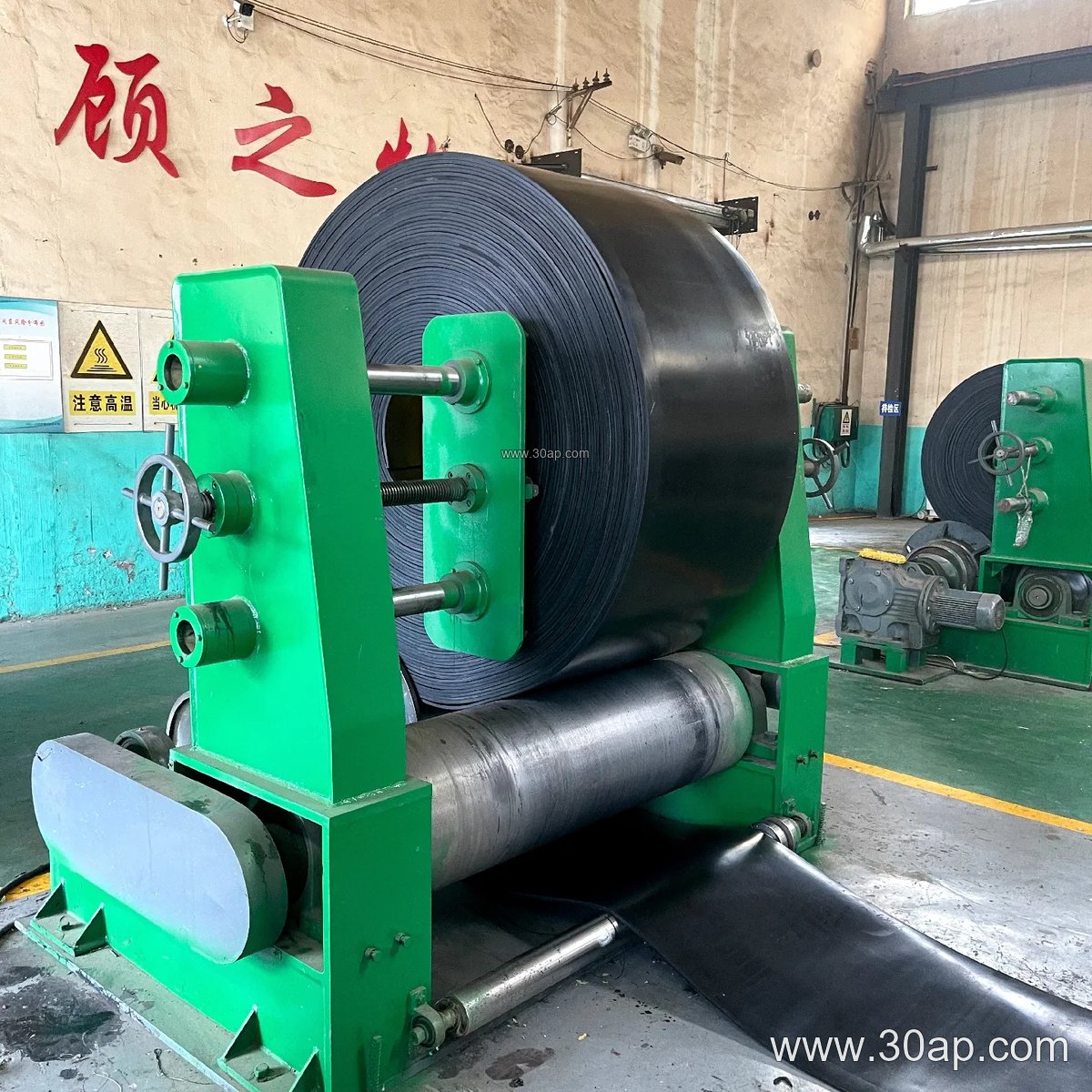
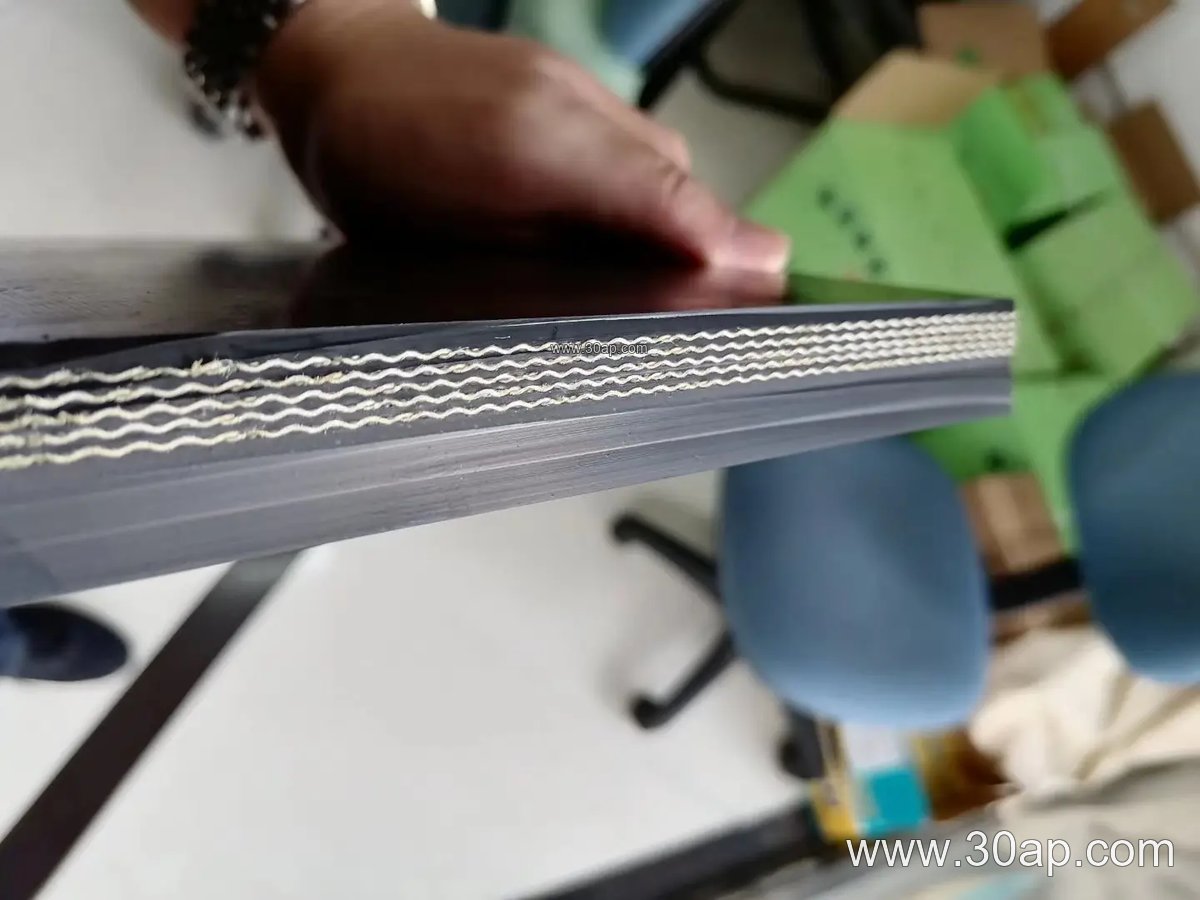
The belt itself typically consists of a carcass made from EP (polyester-cotton) or NN (nylon-nylon) fabric plies, or steel cord for extreme tension applications. Cover rubber grades are selected based on the material being conveyed—abrasion-resistant for sharp rock, heat-resistant for cement clinker, oil-resistant for recycled materials, or flame-retardant and anti-static for coal mines. Common cover thickness combinations include 4+2 mm, 5+2 mm, and 6+2 mm, with 2 to 6 fabric layers depending on the required strength class (e.g., EP200 to EP2000).
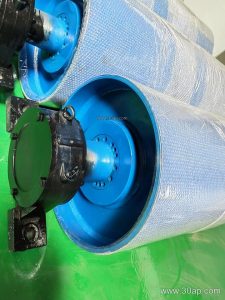
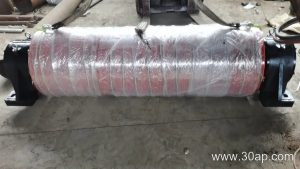
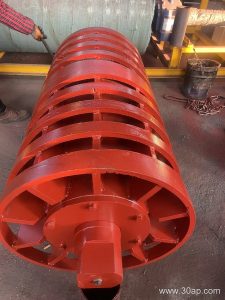
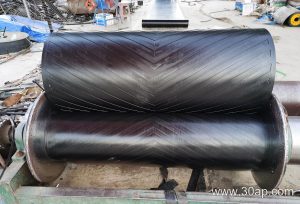
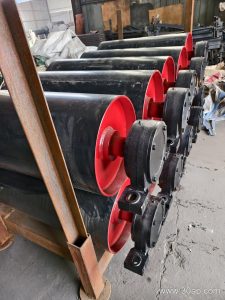
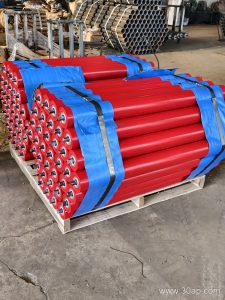
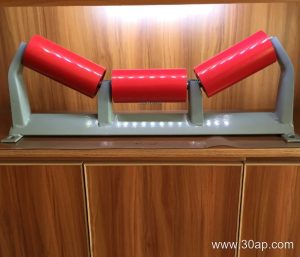
The belt runs over a system of conveyor pulleys—drive pulley, tail pulley, and bend pulleys—each with a specific role. Drive pulleys transmit power, tail pulleys redirect the return strand, and bend pulleys adjust belt path or tension. Idler rollers support the belt along the carrying and return sides, while conveyor brackets hold the idlers and pulleys in alignment. These components must be sized to match the belt width and load, but a 1600mm belt can work with various pulley diameters and shaft sizes as determined by the conveyor design, not by belt width alone.
Typical Specifications
While exact values vary by manufacturer and application, the following table outlines common reference data for 1600mm wide conveyor belts. Always confirm final specifications with your belt supplier and conveyor designer.
| Parameter | Common Options |
|---|---|
| Belt width | 1600 mm (B1600) |
| Fabric type | EP, NN, steel cord |
| Strength class | EP200, EP315, EP400, EP500, EP630, EP800, EP1000, EP1250, EP1600, EP2000 |
| Number of plies | 2 to 6 (fabric belts) |
| Cover thickness (top + bottom) | 4+2 mm, 5+2 mm, 6+2 mm, 8+3 mm |
| Special properties | Abrasion-resistant, heat-resistant, oil-resistant, flame-retardant, anti-static, cold-resistant, acid-alkali resistant |
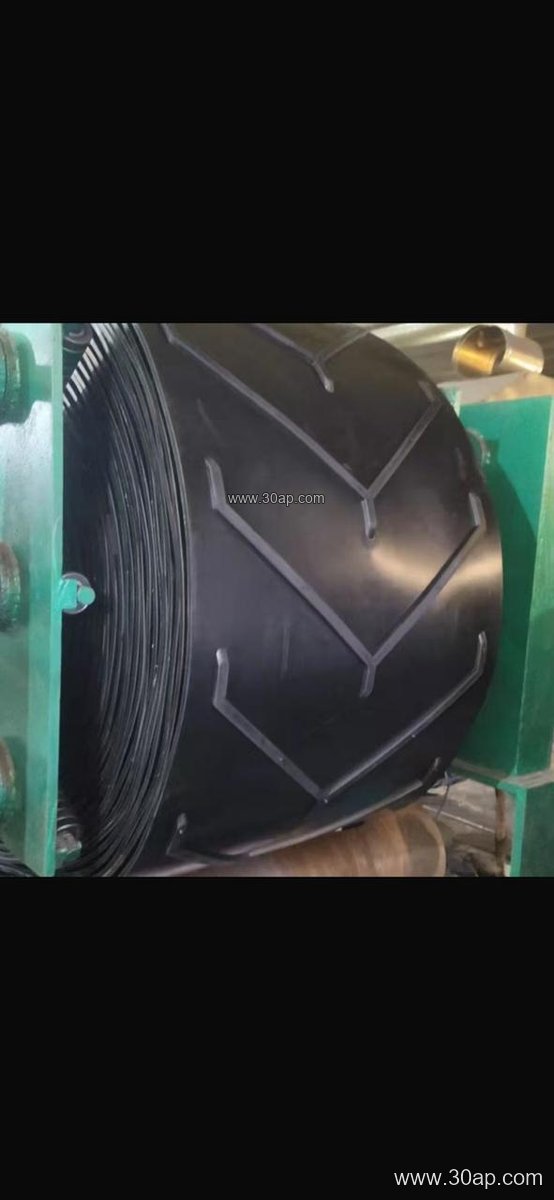
| Surface patterns | Plain, patterned (chevron, herringbone), corrugated sidewall |
Where It Is Used
In mining and coal handling, 1600mm belts are often found on main haulage conveyors where high tonnage and long distances demand a robust, wide belt. Cement plants use them to transport clinker, limestone, and additives between crushers, silos, and kilns. Power plants rely on this width for coal feeding lines, while sand and gravel operations benefit from the increased capacity and reduced material spillage. The belt’s width also makes it suitable for handling bulky or irregular materials that might otherwise cause blockages on narrower belts.
Selection and Buyer Considerations
When specifying a 1600mm conveyor belt, buyers should first define the material characteristics: lump size, density, moisture, temperature, and any chemical exposure. This determines the carcass type, cover grade, and whether a patterned or sidewall belt is needed. Next, calculate the required belt tension using the conveyor layout—length, incline, load weight, and friction—to select the appropriate strength class. Keep in mind that the belt width does not dictate pulley diameters or shaft sizes; those must be engineered based on the actual belt tension and pulley load. Finally, consider the operating environment: coal mines may require flame-retardant and anti-static belts, while cement plants may need heat-resistant covers.
Installation and maintenance also affect belt life. Proper alignment of idler rollers and conveyor pulleys prevents edge damage and premature wear. Regular inspection of the belt surface, splices, and pulley lagging helps avoid unplanned downtime. Using conveyor brackets that securely hold idlers and pulleys ensures the belt tracks correctly, especially on wide belts where misalignment can cause significant edge stress.
Summary
A 1600mm conveyor belt is a versatile, high-capacity solution for heavy industries. By understanding its construction, typical specifications, and the factors that influence selection, buyers can choose a belt that matches their material, conveyor design, and operating conditions—without assuming that one width fits every application.