What a Durable Conveyor Idler Actually Means
A durable conveyor idler is a support roller built to keep a loaded conveyor belt running straight and steady through long shifts, abrasive dust, and heavy impact. In a quarry, coal wash plant, or cement line, the idler roller is one of the most numerous parts on the machine, so small weaknesses in the roller body, bearing, or seal become costly downtime. The goal is not simply a thicker tube; it is a balanced design where the shell, shaft, bearing housing, and sealing system work together.
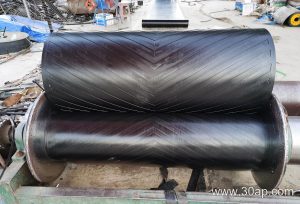
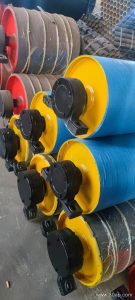
Buyers often use “conveyor roller” and “idler roller” for the same item. That is fine, but a durable conveyor idler should not be confused with a conveyor pulley. Drive, tail, and bend pulleys transmit or redirect belt tension at the ends of the conveyor, while idlers support the belt along the carrying and return runs. They are different components with different loads and different maintenance needs.
How the Roller Is Built
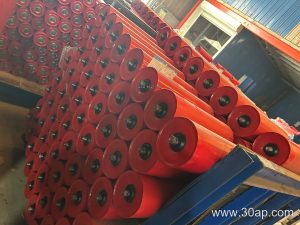
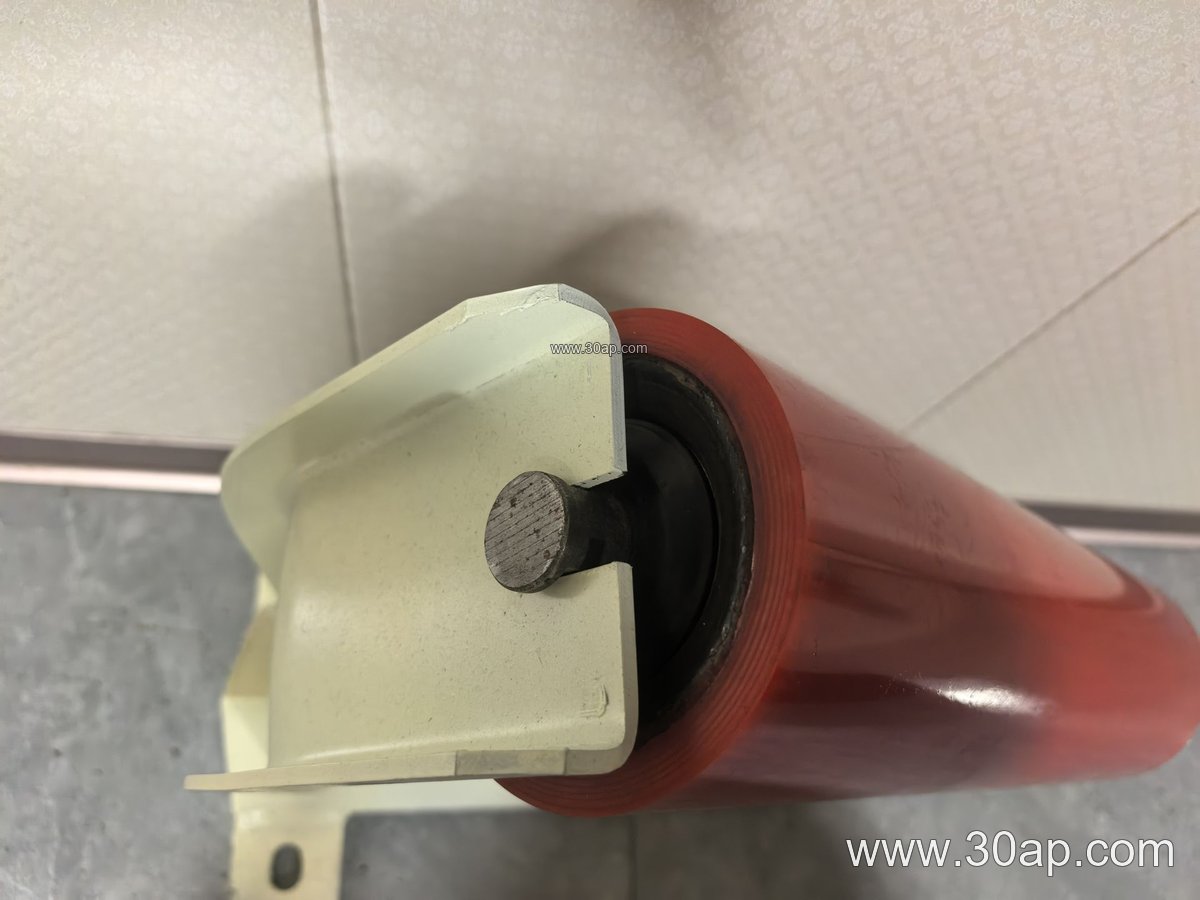
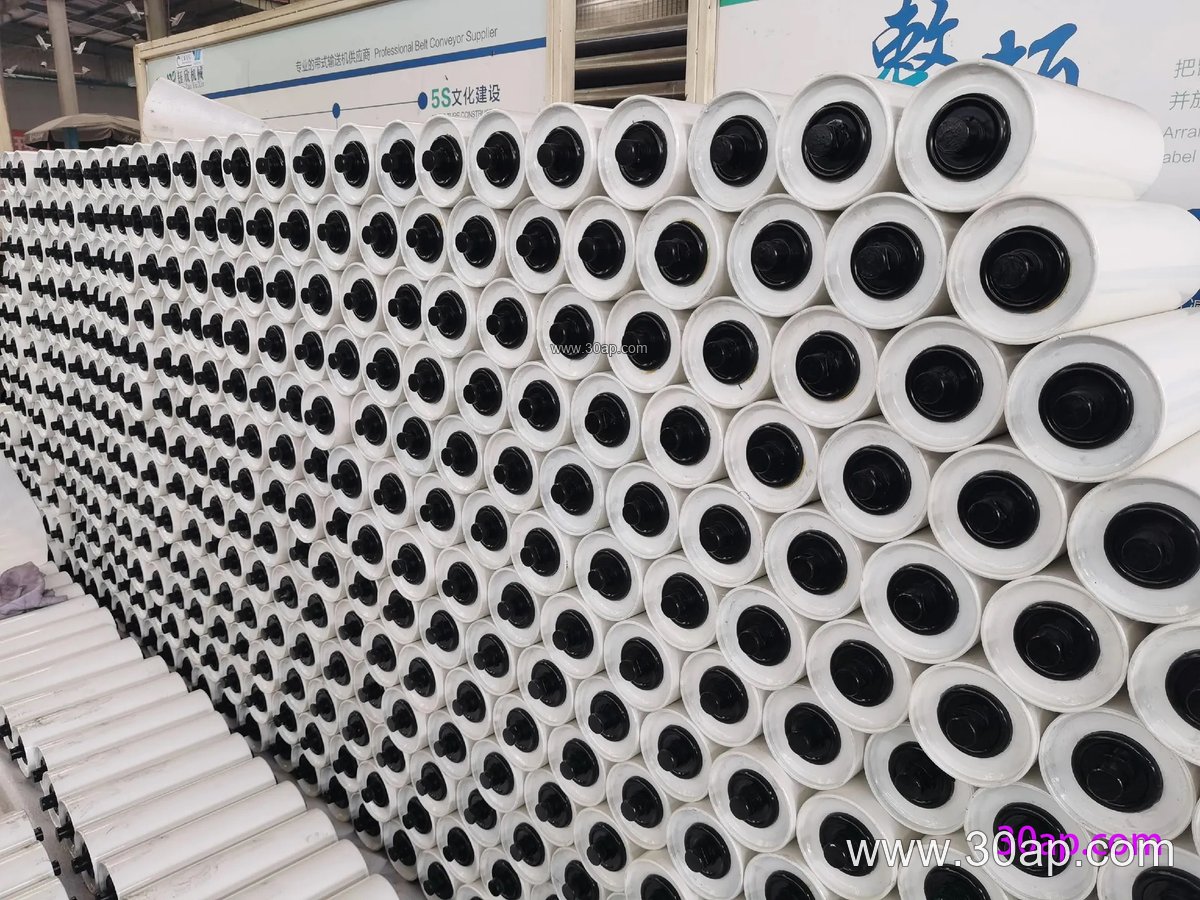
Most durable conveyor idlers start with a steel tube shell, machined bearing housings at each end, a through shaft, and sealed ball bearings. The seal arrangement matters as much as the tube wall: a multi-stage labyrinth or contact seal helps keep fine dust out and grease in. Roller ends are usually welded or pressed with care so the shell stays concentric and runs without vibration.
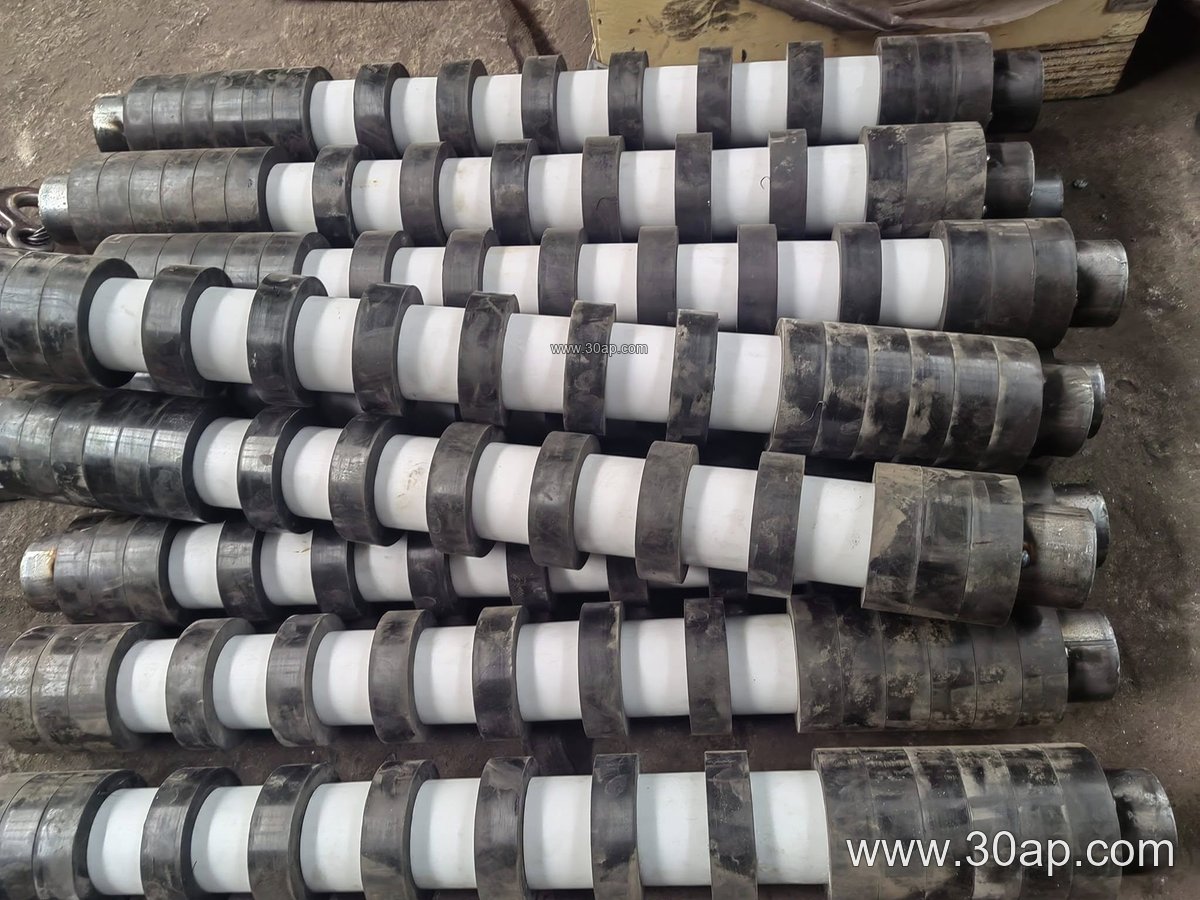
Surface form follows the duty. Plain steel shells suit general carrying runs. Rubber rings are common on impact idlers under a loading point, where falling rock or clinker would dent a bare tube. Ceramic or nylon covers may be chosen where belt slip, build-up, or wear is a concern. The right choice depends on the material, the belt speed, and the environment, not on a single fixed rule.
Common Types and Where They Sit
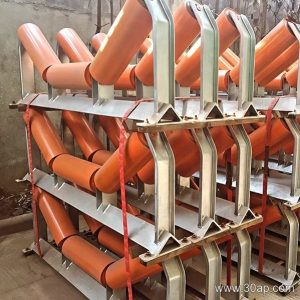
The carrying side usually uses troughing idlers arranged as a single roller, two-roller, or three-roller set. A three-roll troughing set with a 30 or 35 degree trough angle is common on bulk lines, while 20 degree and 45 degree arrangements appear where the belt profile or material flow calls for them. Transition idlers ease the belt from flat to troughed near a conveyor pulley. On the return side, flat return idlers, V-return idlers, and spiral return idlers handle the empty belt.
Self-aligning idlers, including friction and tapered types, help correct belt drift on long runs. Impact and rubber-ring impact idlers absorb shock below a crusher discharge or transfer chute. These are not interchangeable with each other; each performs a specific job along the conveyor.
Reference Dimensions and Bearing Choices
Sizes vary by conveyor design, and the values below are common reference points rather than fixed rules. A roller length is determined by belt width, trough angle, and the roller set arrangement, and side rollers may differ from the center roller.
| Item | Common reference values |
|---|---|
| Roller diameter | Ø63, Ø76, Ø89, Ø102, Ø108, Ø127, Ø133, Ø159, Ø178, Ø194, Ø219 mm |
| Belt width | B400, B500, B650, B800, B1000, B1200, B1400, B1600, B1800, B2000, B2200, B2400 |
| Trough angle | 20, 30, 35, 45 degrees |
| Forward tilt (for aligning sets) | about 1.5 to 2 degrees |
| Bearing reference | 6204, 6205, 6305, 6306, 6308, 6310 |
| Example roller length, three-roll troughing | B500 about 200 mm; B650 about 250 mm; B800 about 315 mm; B1000 about 380 mm; B1200 about 465 mm; B1400 about 530 mm; B1600 about 600 mm; B1800 about 670 mm; B2000 about 750 mm |
Do not assume that one belt width locks in one pulley diameter or one shaft size. Bearing selection, shaft diameter, and shell thickness should be confirmed from the actual load calculation and the manufacturer’s data. A larger roller diameter can reduce rotation speed and improve seal life, but it also changes mounting height and frame geometry.
Applications Across Bulk Industries
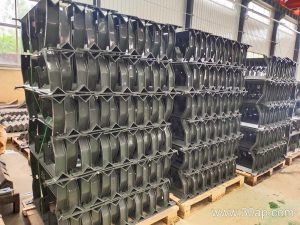
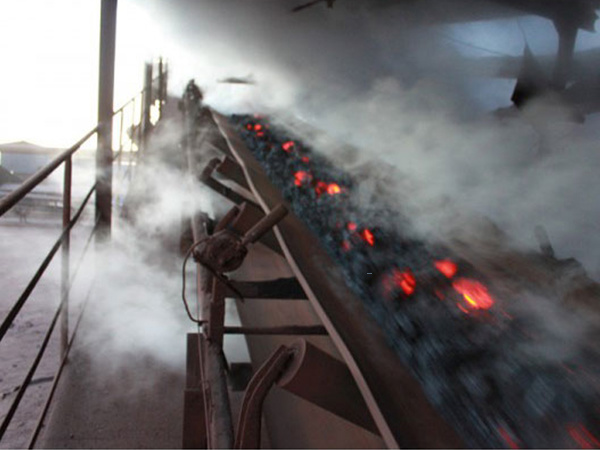
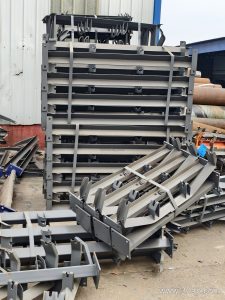
In a limestone quarry or sand and gravel line, troughing and impact idlers carry crushed rock from the primary crusher to the screening plant. In a coal wash plant or power station coal yard, sealed return idlers keep fine coal dust away from bearings. Cement plants use durable conveyor idlers on clinker and raw meal lines, where heat and abrasive dust test the roller surface. Fertilizer and grain handling favor smooth-running idlers that avoid product build-up. In each case, the conveyor bracket and frame must match the idler set so the roller sits square to the belt.
What to Check Before Ordering
- Confirm belt width, trough angle, and roller set type, then verify roller length and shaft end fit with the conveyor bracket.
- Match the roller diameter and bearing to the actual load and belt speed rather than copying a neighboring conveyor.
- Choose the shell surface for the duty: plain steel for general runs, rubber rings for impact zones, and other covers only where wear or slip justifies them.
- Ask how the seal is constructed and whether the bearing housing is greased for life or relubricable.
- Inspect tube roundness, weld quality, and roller balance, since vibration shortens bearing life.
- Keep a spare set of the most heavily loaded troughing and impact idlers to reduce shutdown time.
A durable conveyor idler pays back through quiet running, straight belt tracking, and fewer emergency stops. Specify it by duty and dimension, not by habit, and the carrying and return runs will reward that care.