What a Deep Trough Idler Does on a Belt Conveyor
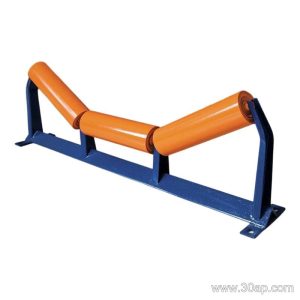
A deep trough idler is a carrying idler set whose rolls are arranged at a steep trough angle, typically 35 degrees or 45 degrees, so the conveyor belt forms a deep U shape. This deep profile keeps bulk material gathered toward the center of the belt, which reduces spillage on curves and helps stabilize the load on inclined sections. In a stone quarry, a cement plant, or a coal handling system, the difference between a standard 20 degree set and a deep trough idler is often visible within a few meters of belt travel.
The product is also described as a deep troughing idler or deep-angle trough idler. These are equivalent names for the same assembly; they are not the same as a return idler, a transition idler, or a buffer idler, each of which serves a different position on the conveyor.
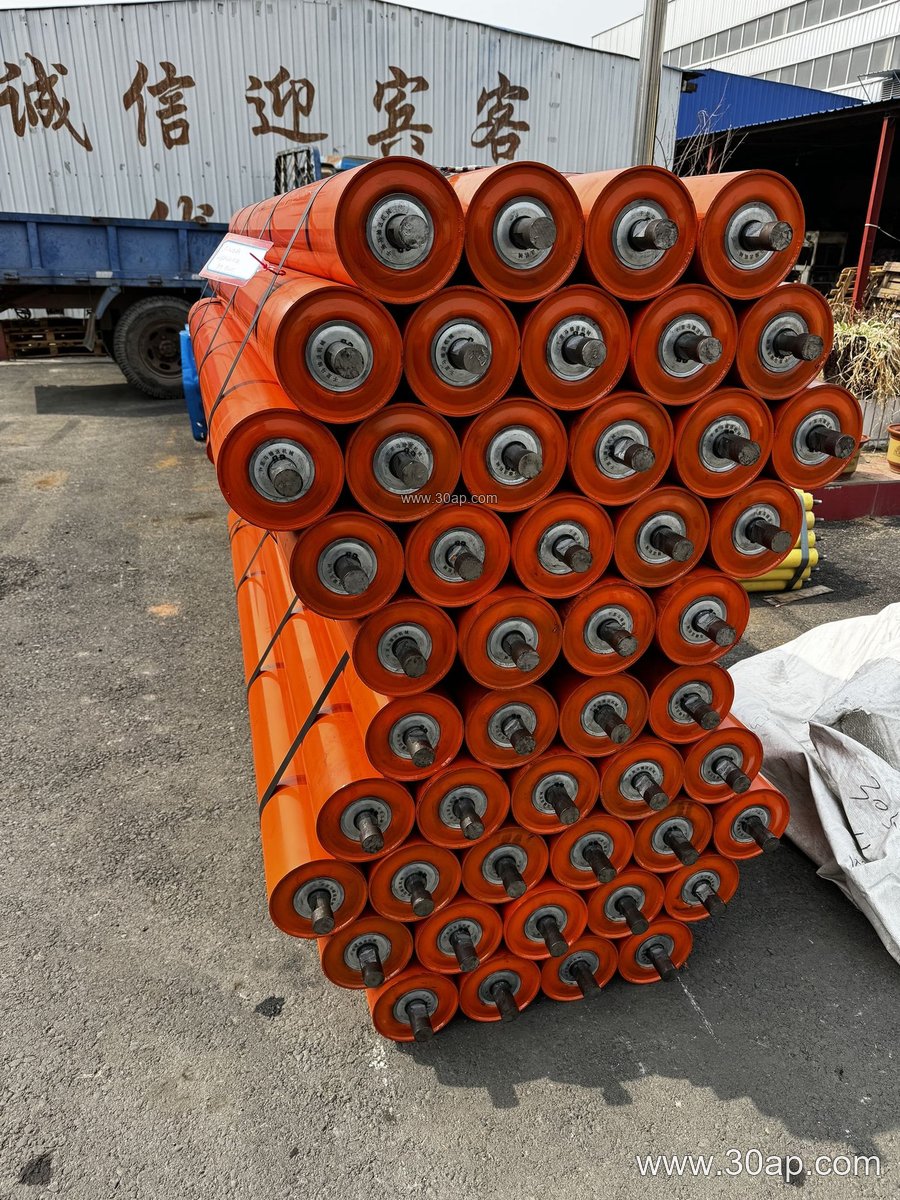
Construction and Main Components
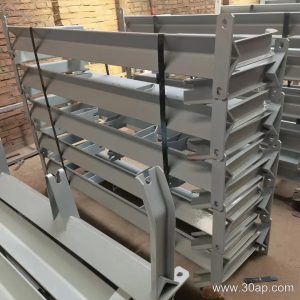
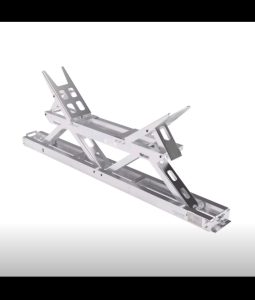
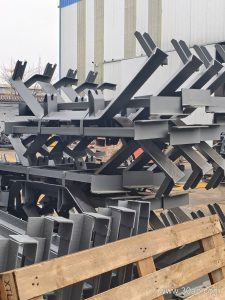
A deep trough idler usually consists of three rolls mounted in a rigid frame, with the two side rolls inclined sharply and the center roll nearly flat. The frame is fixed to the conveyor bracket on the stringer. Each roll contains a steel tube shell, a shaft, and sealed bearings; common bearing sizes include 6204, 6205, 6305, 6306, 6308, and 6310, selected according to load and roll diameter rather than tied to one belt width.
- Roll diameter: commonly Ø89, Ø108, Ø127, Ø133, Ø159, or Ø178 mm depending on belt width and load.
- Trough angle: 35 degrees and 45 degrees are the usual deep arrangements; 30 degrees is sometimes used where material is less fluid.
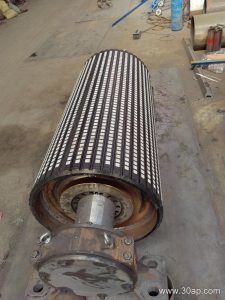
- Roll surface: plain steel tube, nylon, ceramic, or rubber rings where impact or wear is a concern.
- Roll length: matched to belt width, trough angle, and frame form; side rolls and center rolls can differ.
Sealing quality matters more on a deep trough idler than on a flat idler because dust tends to collect in the trough. Labyrinth seals and well-greased bearing housings extend service life in dusty aggregate and sinter plants.
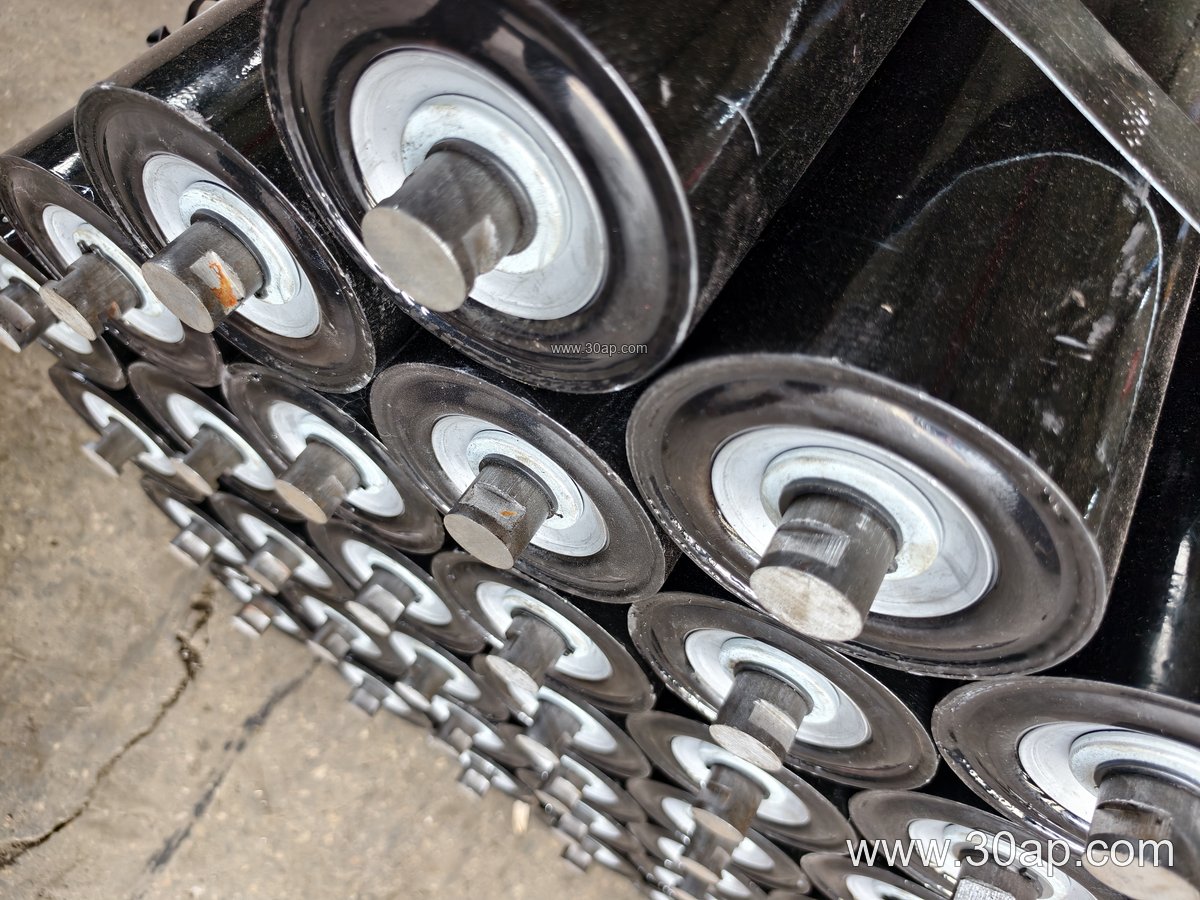
Typical Sizes and Reference Dimensions
The table below gives common reference values for three-roll deep trough sets. These are examples for orientation, not fixed combinations; final dimensions follow the conveyor design.
| Belt width | Common roll diameter | Typical roll length (center) | Trough angle |
|---|---|---|---|
| B500 | Ø89 / Ø102 mm | about 200 mm | 35° / 45° |
| B650 | Ø89 / Ø108 mm | about 250 mm | 35° / 45° |
| B800 | Ø108 / Ø127 mm | about 315 mm | 35° / 45° |
| B1000 | Ø108 / Ø133 mm | about 380 mm | 35° / 45° |
| B1200 | Ø127 / Ø159 mm | about 465 mm | 35° / 45° |
| B1400 | Ø133 / Ø159 mm | about 530 mm | 35° / 45° |
| B1600 | Ø159 / Ø178 mm | about 600 mm | 35° / 45° |
| B1800 | Ø159 / Ø178 mm | about 670 mm | 35° / 45° |
| B2000 | Ø178 / Ø194 mm | about 750 mm | 35° / 45° |
Larger diameters such as Ø194 and Ø219 mm are used on very wide or heavily loaded belts. A single belt width can accept more than one roll diameter, and the shaft size is determined by load calculations, not by belt width alone.
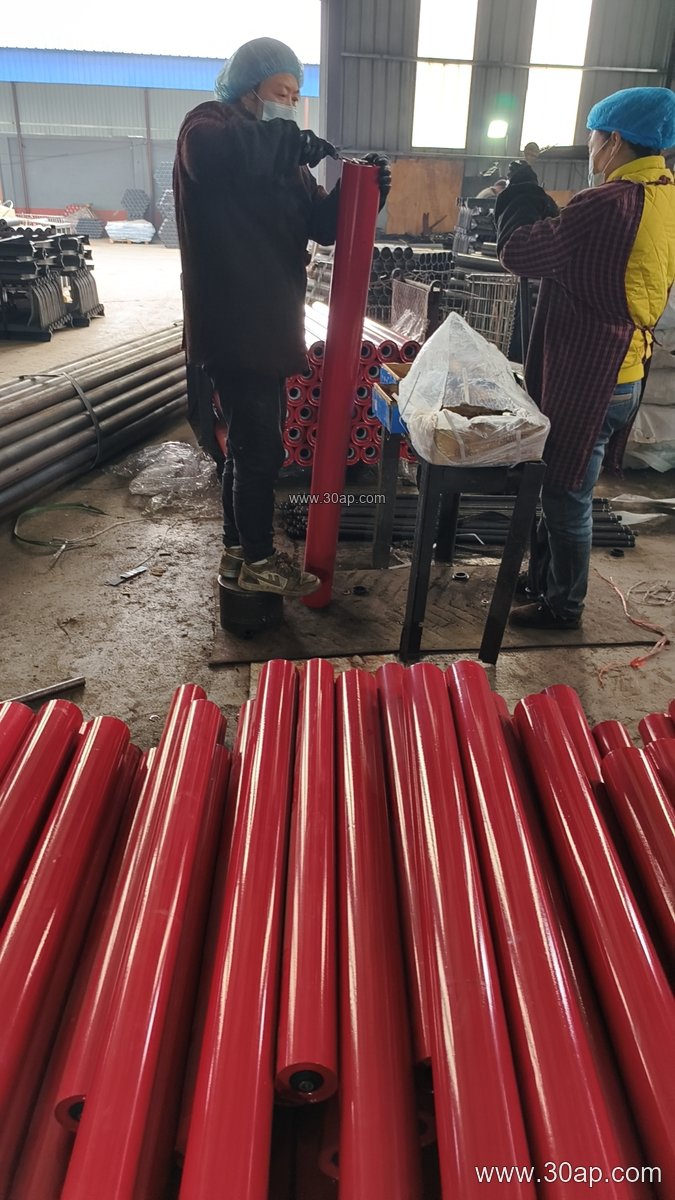
Where Deep Trough Idlers Are Used
These idlers suit lines that carry loose, free-flowing material at high capacity. In an iron ore or copper mine transfer point, the deep profile limits material rollback. In a coal preparation plant or a power station coal yard, it helps contain coal on inclined conveyor belts. Aggregate lines and crushing and screening plants also use deep trough sets where the belt runs fast and the load is uneven.
They are less suitable where the belt must stay flat for scanning, tripping, or belt washing equipment. In those zones, a transition idler or a standard 20 degree trough set is the better choice.
Buyer Checklist
- Confirm the trough angle and the number of rolls your conveyor frame accepts.
- Match roll diameter to belt speed and load; check bearing size and seal type for the dust level.
- Specify the roll surface: plain steel for general duty, rubber rings for impact zones near the feed point.
- Check the conveyor bracket spacing and mounting hole pattern before ordering.
- Ask for the shaft and bearing details in writing; avoid assuming a shaft diameter from belt width.
Deep trough idlers are a small part of the conveyor cost but a large part of its uptime. Getting the angle, roll diameter, and sealing right at the selection stage is more effective than correcting belt misalignment later.