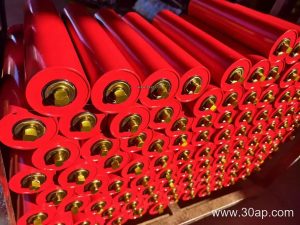
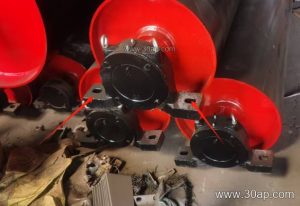
What the Conveyor Tail Pulley Does
The conveyor tail pulley is the return end of a belt conveyor. It sits at the opposite end from the drive and rotates with the belt, guiding the conveyor belt back into its carrying run. Because it turns freely rather than driving the belt, its job is to keep the belt tracking, maintain tension at the return point, and protect the belt from sharp transitions. In a quarry or a cement plant, a tail pulley that runs out of alignment can quickly damage the belt edge and throw the whole line off.
Do not confuse this component with a drive pulley. A drive pulley transmits power through a gearbox and motor. The tail unit is an idler-style component, and the two are not interchangeable. A bend pulley, which changes belt direction without being at the extreme end, is also a different role. Only the tail position carries the specific duty of closing the belt loop at the load end.
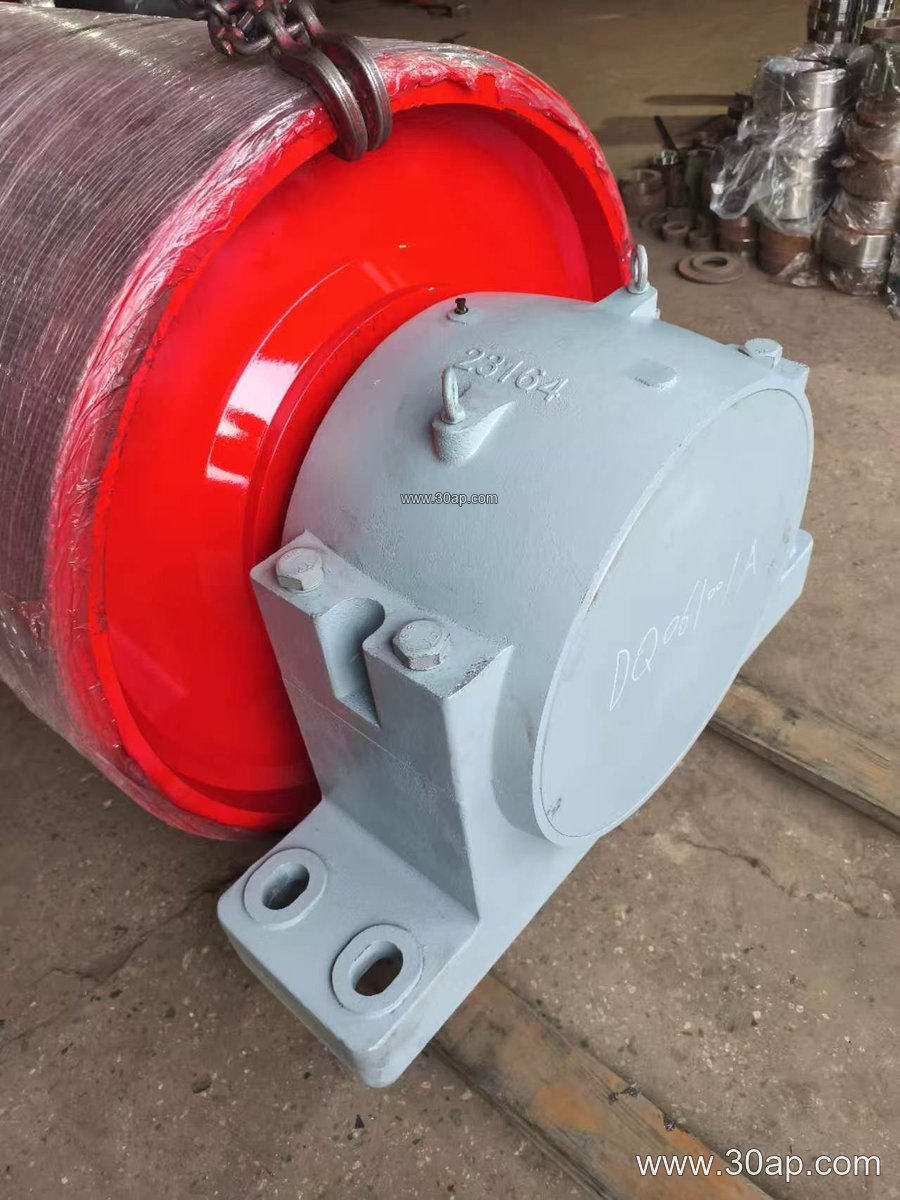
How a Tail Pulley Is Built
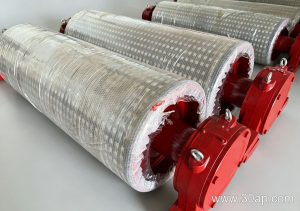
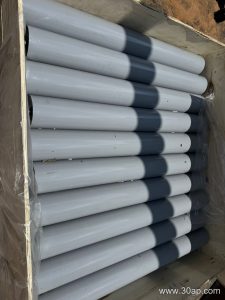
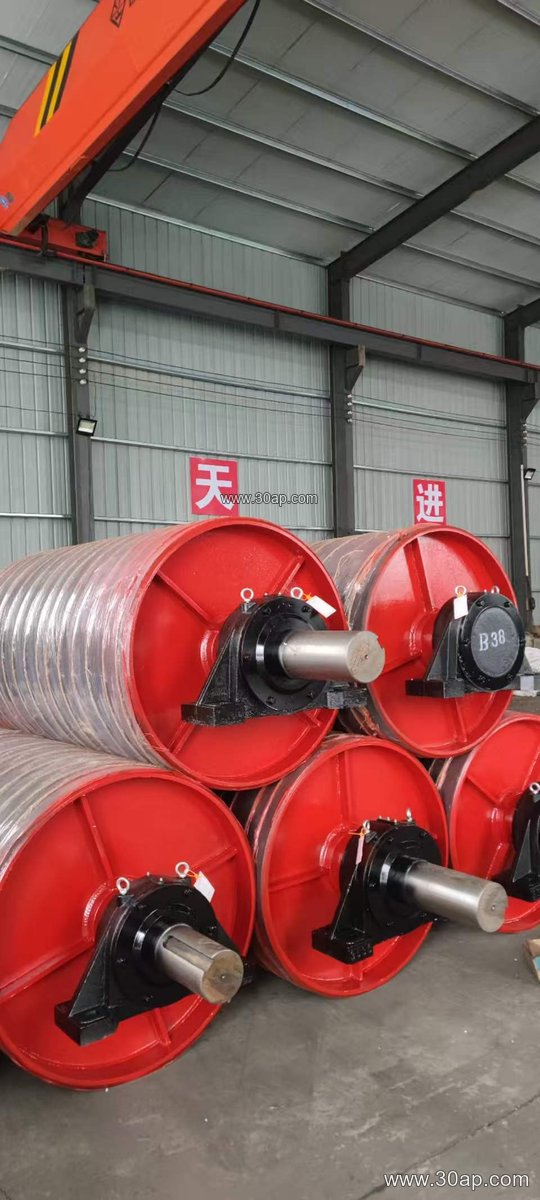
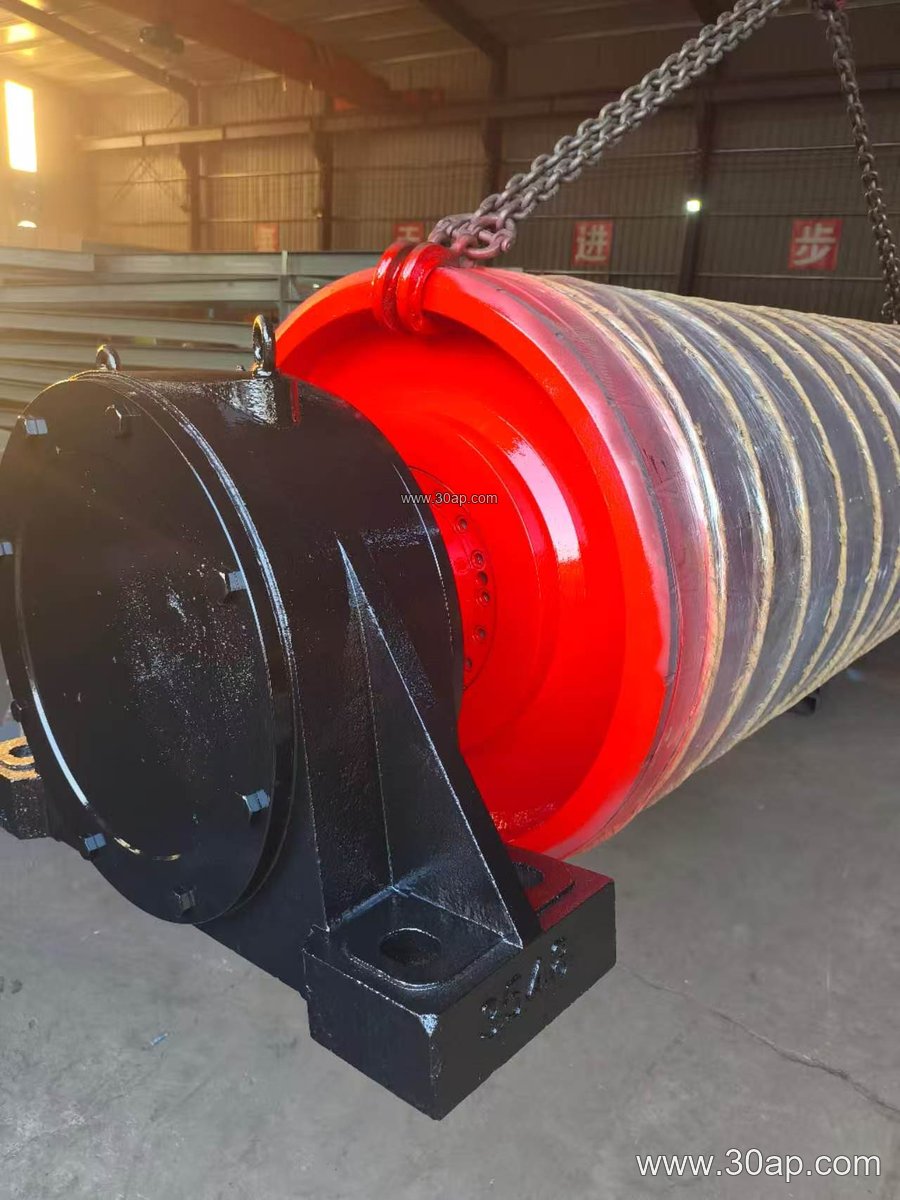
A typical unit consists of a cylindrical shell, two end discs, a through shaft, bearing housings, and a bearing support or conveyor bracket that anchors it to the conveyor frame. The shell may be machined from tube or fabricated from rolled plate. Shaft ends are usually keyed or provided with a bearing lock, and the assembly is balanced to reduce vibration at running speed.
Surface form matters. A plain finish is common where the belt is clean and the pulley is lightly loaded. Rubber lagging improves grip and protects the shell from abrasive fines in an aggregate or limestone operation. Ceramic lagging may be chosen where slip and wear are both concerns. The lagging is often applied as cold-bonded rubber, hot-vulcanized rubber, or a diamond and herringbone pattern, with typical thicknesses of 8, 10, 12, 15, or 20 mm.
Matching Diameter and Face Width to the Belt
There is no single correct pulley diameter for a given belt width. Diameter is chosen from belt tension, belt stiffness, shaft load, and the minimum bend radius the belt manufacturer allows. Face width is normally a little wider than the belt so the belt is fully supported.
Reference combinations often seen in design documents include:
- B800 with Ø500 shell diameter
- B1200 with Ø1000 shell diameter
- B1400 with Ø800 shell diameter
These are examples, not fixed pairings. A wider belt may use a smaller diameter when loads are modest, and a narrow belt may need a larger shell where belt tension is high.
| Belt width | Typical face width | Common diameters |
|---|---|---|
| B400 | about 500 mm | Ø200, Ø250, Ø315 |
| B650 | about 750 mm | Ø315, Ø400, Ø500 |
| B1000 | about 1150 mm | Ø500, Ø630, Ø800 |
| B1400 | about 1600 mm | Ø800, Ø1000, Ø1250 |
| B1800 | about 2000 mm | Ø1000, Ø1250, Ø1400 |
Shaft diameter is determined by torque and radial load, not by belt width alone. Common shaft sizes range from Ø50 to Ø200, and the correct value must come from the pulley designer or the conveyor engineer.
Where It Fits in the Plant
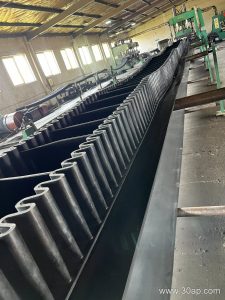
In a limestone quarry or a sand and gravel line, the tail pulley usually sits at the feed end, under the hopper or transfer chute. In a cement plant it may close the loop on a clinker or raw material belt. In a coal handling system at a power plant, the same component works under dusty conditions and needs sealed bearings. Similar units appear in crushing and screening circuits and in tunnel muck removal conveyors.
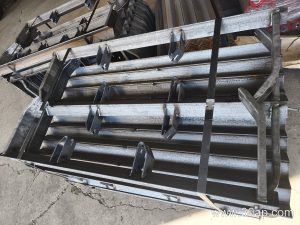
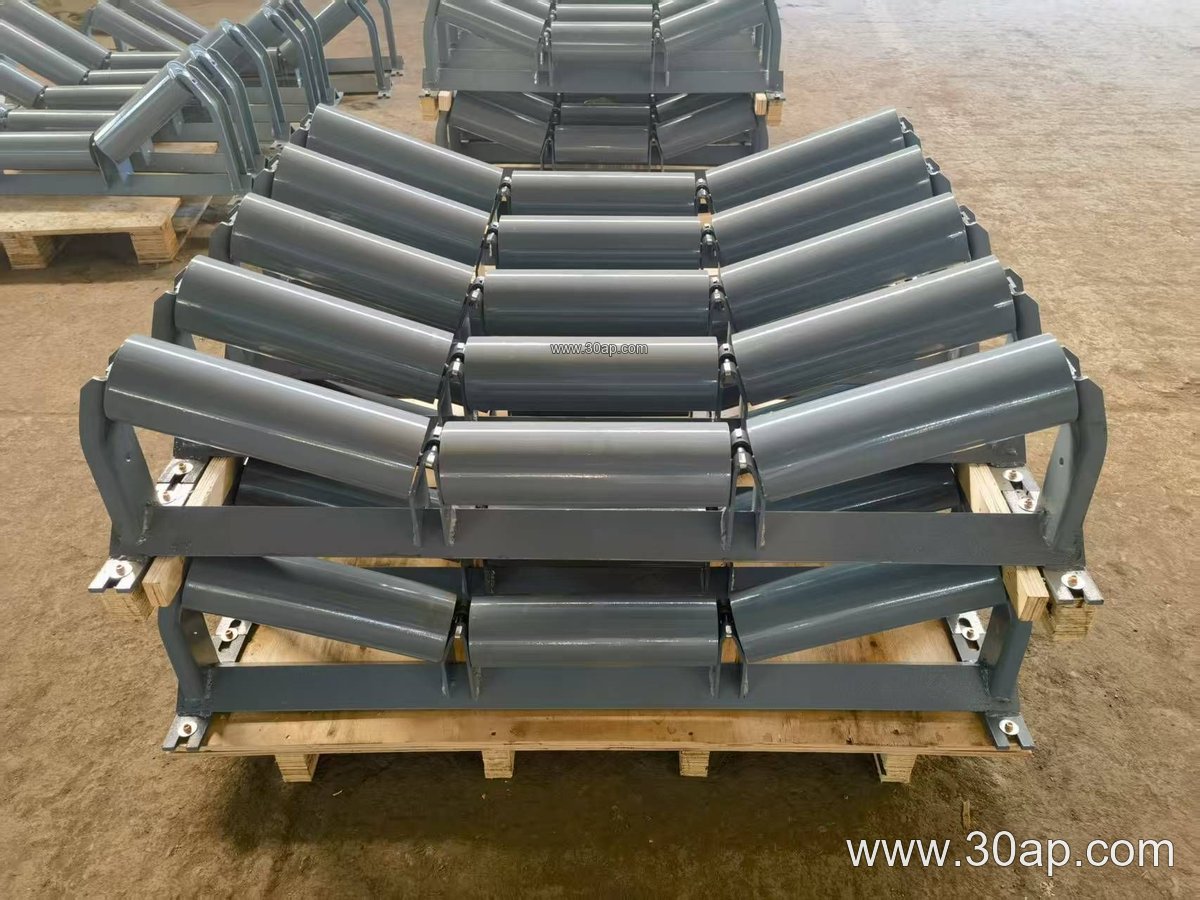
Whatever the site, the tail pulley works with the conveyor belt, the conveyor frame, and the carrying idler roller set. Good alignment between these parts reduces edge wear and belt mistracking.
What to Check Before Ordering
Buyers should confirm the belt width, required face width, shell diameter, shaft diameter and material, bearing type, lagging surface, and the mounting arrangement on the conveyor bracket. Confirm whether the pulley is fixed or part of a tensioning take-up. Ask for the balancing grade and the expected running speed. For abrasive service, specify lagging thickness and pattern clearly. Keep in mind that a tail pulley is a wear part, so spare bearing housings and lagging are worth planning for.